Norwich Terrier
By James C. • Updated
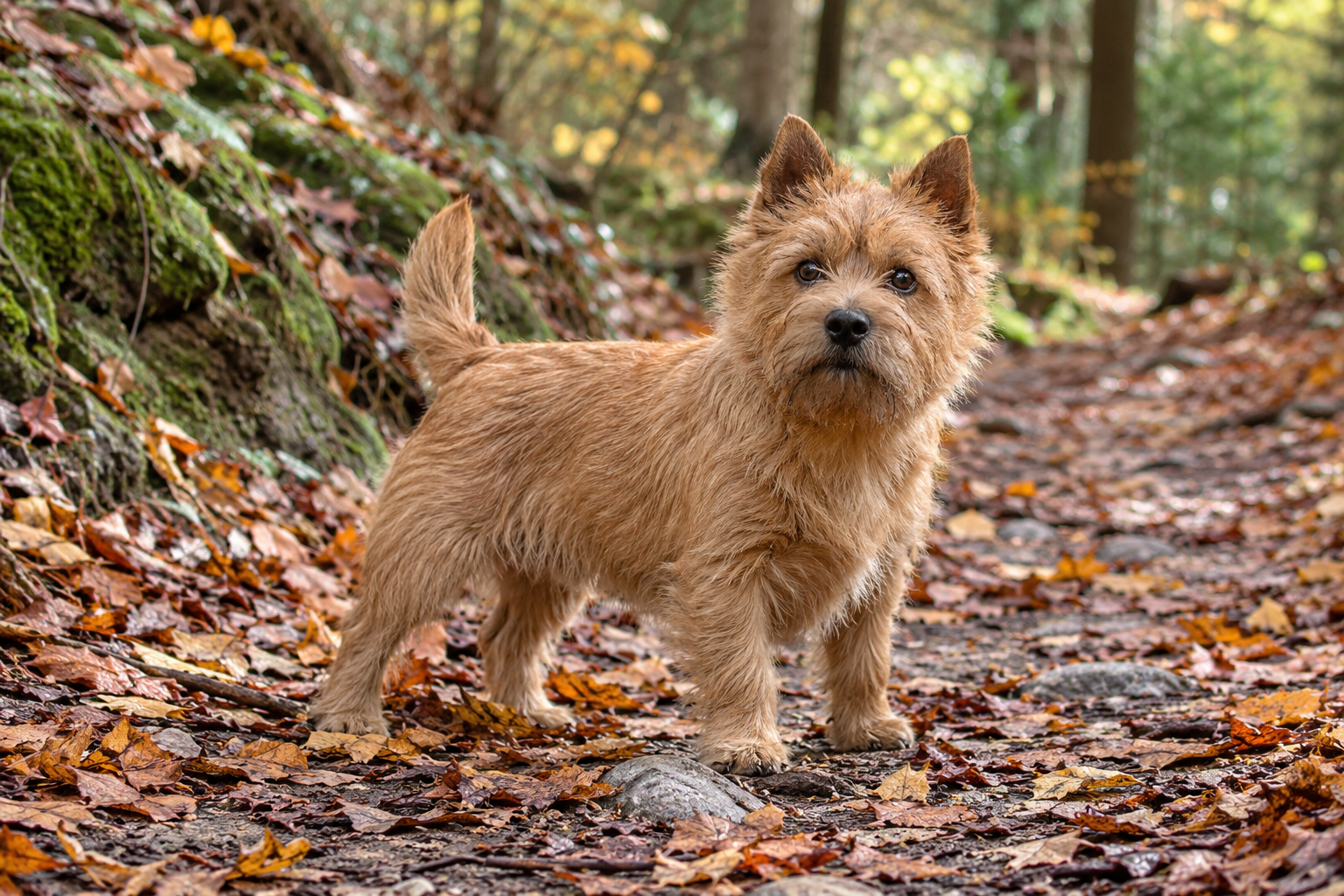
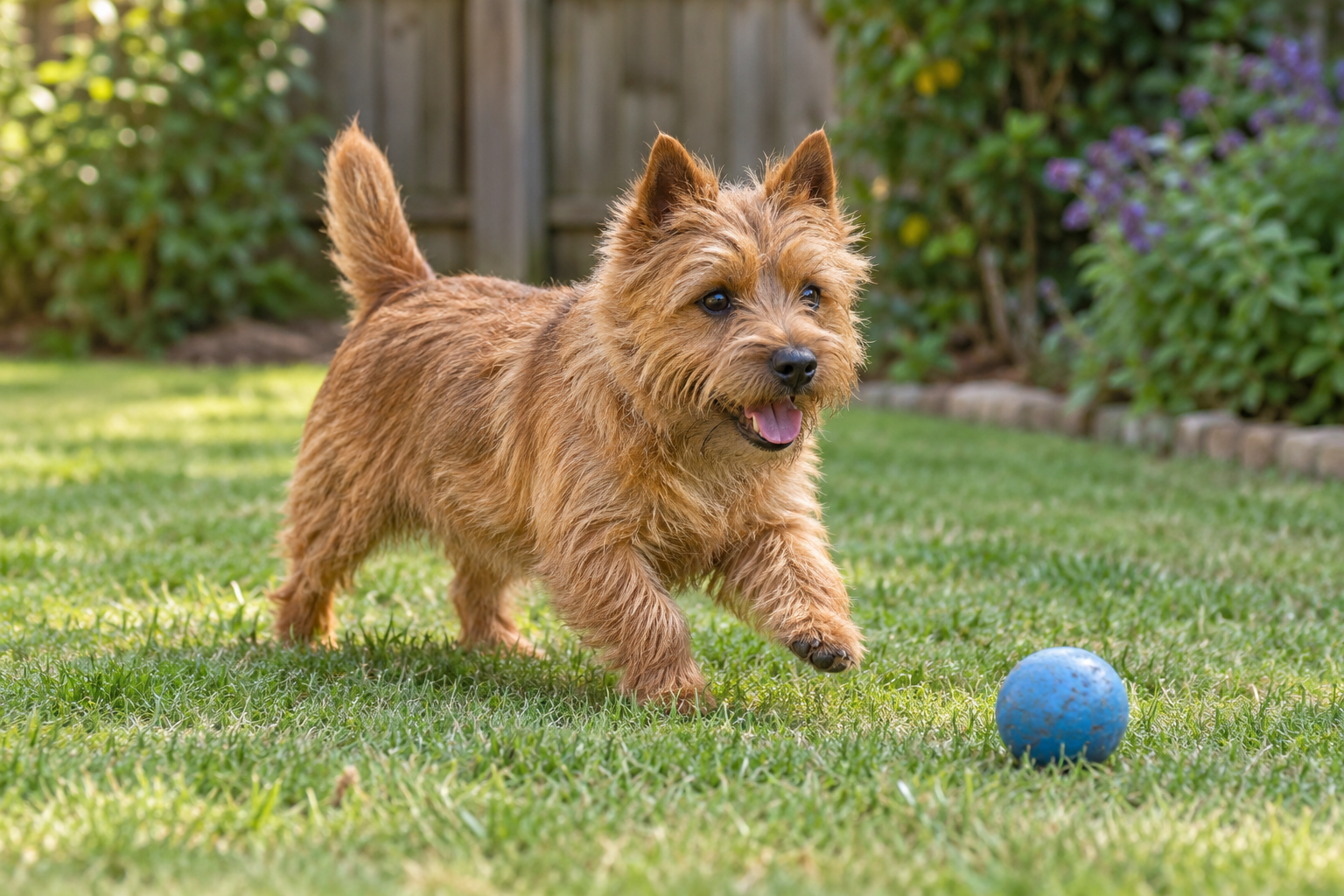
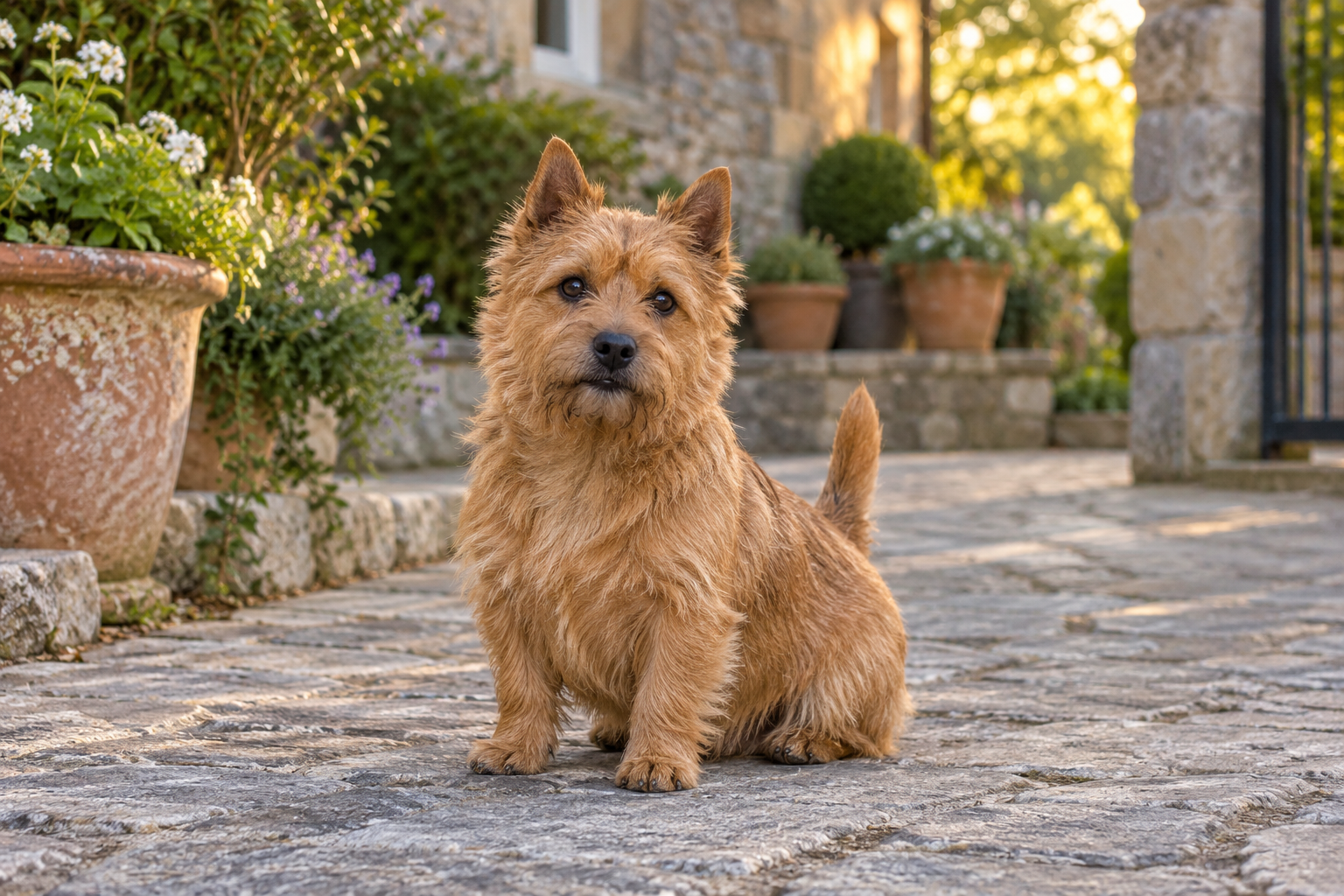
The Norwich Terrier is one of the smallest working terriers, a prick-eared ratting dog from East Anglia in England. It stands about 25 cm at the shoulder and weighs around 5 to 6 kg, with a hard, wiry, weatherproof coat in red, wheaten, black and tan or grizzle. It is curious, affectionate and sociable for a terrier, but keeps a strong prey drive and a tendency to dig. The drop-eared variety was separated in 1964 as the Norfolk Terrier. It is uncommon in Australia, and most buyers join a breeder waiting list.
Breed Overview
Life Span
12 - 15 years
Average Price
AUD 3500 - AUD 5500
Weight
Male: 5 - 6 kg Female: 5 - 6 kg
Height
Male: 24 - 26 cm Female: 23 - 25 cm
Life Expectancy
Male/Female: 12 - 15 years
Breed Group
Terriers (Group 2)
Nicknames
Norwich, Trumpington Terrier, Jones Terrier
Breed Information
The Norwich Terrier is one of the smallest working terriers, a sturdy, prick-eared ratting dog from East Anglia in England. It weighs only around 5 to 6 kg but is hardy, fearless and full of character. It is also one of the more sociable terriers, and the breed standard describes it as lovable and not quarrelsome.
The breed is recognised by Dogs Australia in Group 2, Terriers. It is uncommon here: Dogz Online listed 11 Norwich breeders and no available litters on 18 October 2026, so most buyers join a waiting list and some travel interstate.
The question most people ask is how it differs from the Norfolk Terrier. The two were once a single breed, with both ear types shown as Norwich Terriers, until the drop-eared dogs were separated in 1964 and named the Norfolk, according to the FCI Norwich Terrier standard. Today the simplest way to tell them apart is the ears: the Norwich has upright, pointed ears, while the Norfolk Terrier's ears fold forward. Temperament and care are very similar.
Characteristics of the Norwich Terrier
The Norwich Terrier rates highly for affection, adaptability and hardiness, and lower for tolerance of small pets and reliability off lead, so it suits owners who want a big personality in a small, sturdy dog.
| Trait | Rating | Star Rating | Meaning |
|---|---|---|---|
| Size | Small | ★ | About 5 to 6 kg and 25 cm tall, compact and sturdy. |
| Adaptability | High | ★★★★ | Suits town or country life, including smaller homes. |
| Exercise Needs | Moderate | ★★★ | About 40 minutes daily, plus play. |
| Easy to Train | Moderate | ★★★ | Eager for rewards but independent, with a selective recall. |
| Amount of Shedding | Low to Moderate | ★★ | Little shedding when the coat is stripped regularly. |
| Grooming Needs | Moderate | ★★★ | Weekly brushing and hand stripping a few times a year. |
| Good With Children | Good | ★★★★ | Sturdy and playful with respectful children. |
| Health | Good | ★★★ | Hardy overall, with known airway and whelping issues. |
| Cost to Keep | Moderate | ★★★ | Low food costs, offset by stripping and a high purchase price. |
| Tolerates Being Alone | Moderate | ★★★ | Copes with support, but prefers company. |
| Intelligence | High | ★★★★ | Quick, curious and good at getting its own way. |
History of the Norwich Terrier: From East Anglian Ratter to Companion
The Norwich comes from the flat farming counties of East Anglia, where small, game terriers were kept to kill rats and accompany hunts. According to the DOGS NSW Norwich Terrier profile, huntsmen often carried them in baskets rather than expecting them to keep up on foot, and much of their work was in agricultural drains. Cambridge students are said to have kept these little red terriers in the late nineteenth century, which is the usual explanation for the old Trumpington Terrier name.
The breed was accepted by The Kennel Club in Britain in 1932, with both prick-eared and drop-eared dogs registered as Norwich Terriers. Breeders increasingly preferred one ear type or the other, and in 1964 the drop-eared dogs became a separate breed, the Norfolk Terrier. Other kennel clubs followed later.
Today the Norwich is kept almost entirely as a companion and show dog, though it keeps the courage and hunting instinct of its working ancestors. Australian numbers are small, supported by a handful of dedicated breeders.
Appearance of the Norwich Terrier: Small, Sturdy and Prick-Eared
Size and Build
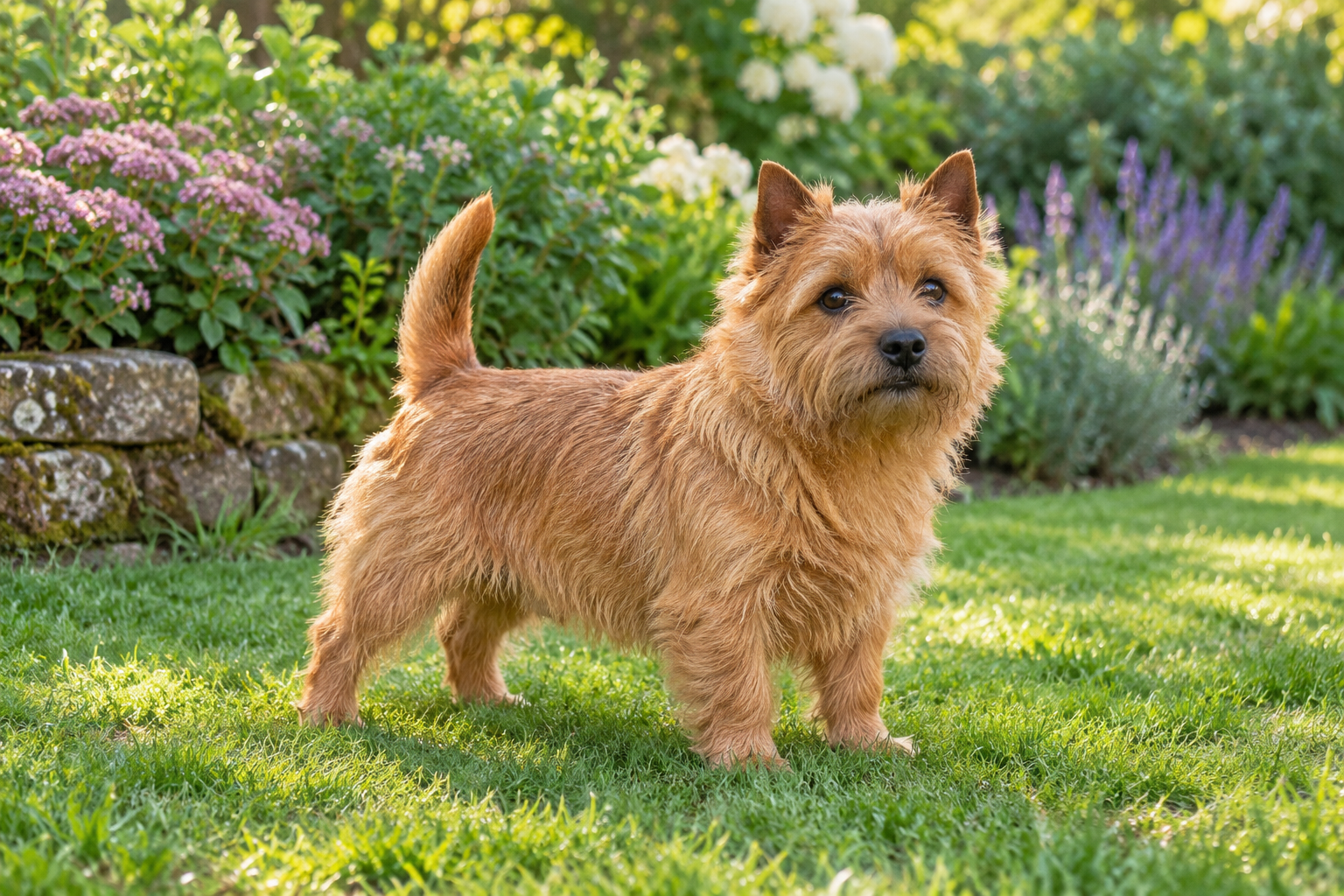
The breed standard sets an ideal height of 25 cm at the withers and gives no weight. Hill's Pet Australia's breed profile puts adults at about 5 to 5.5 kg, with males around 25 cm and females around 23 cm. The body is short-backed, compact and strong, with good bone for such a small dog.
Coat and Colours
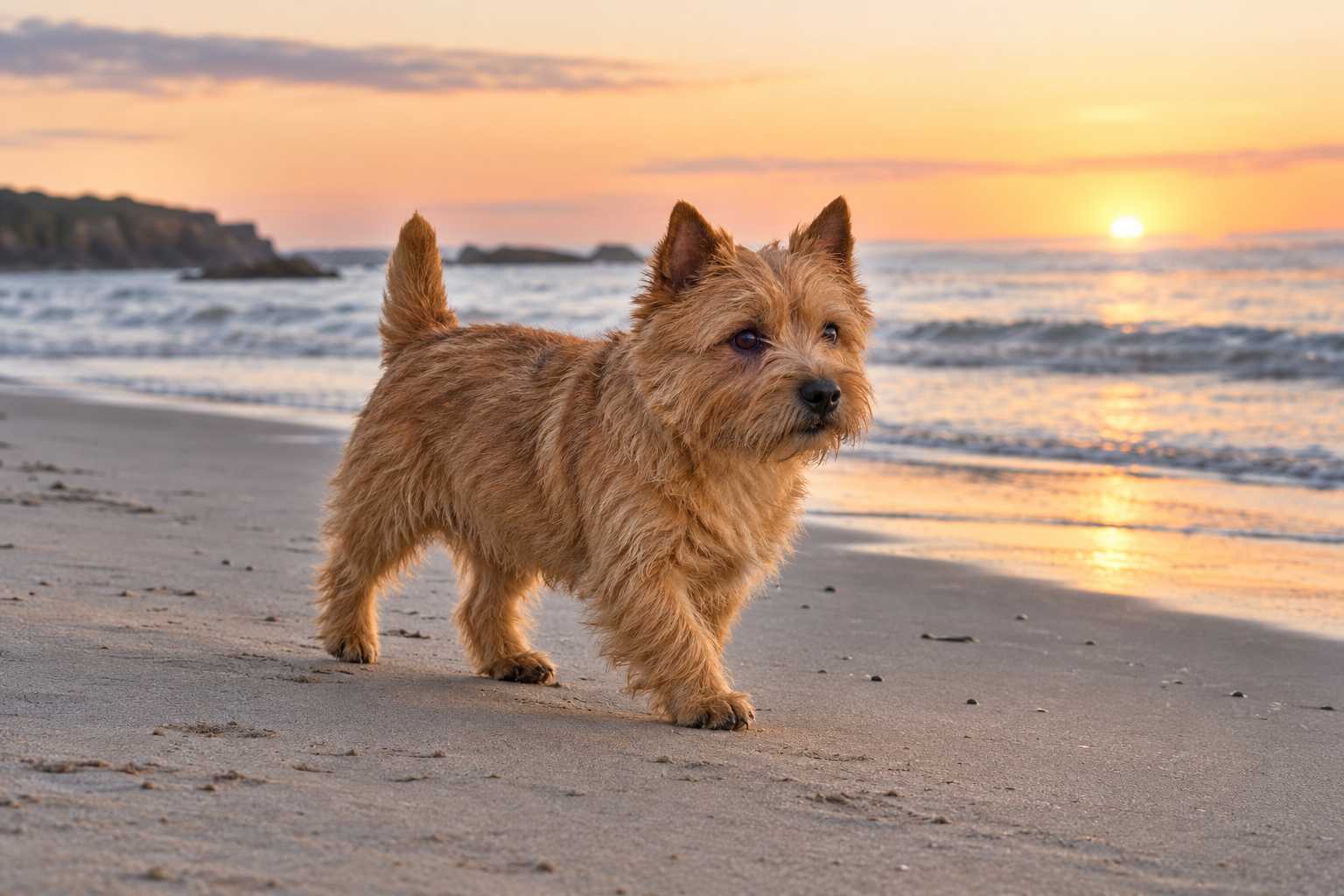
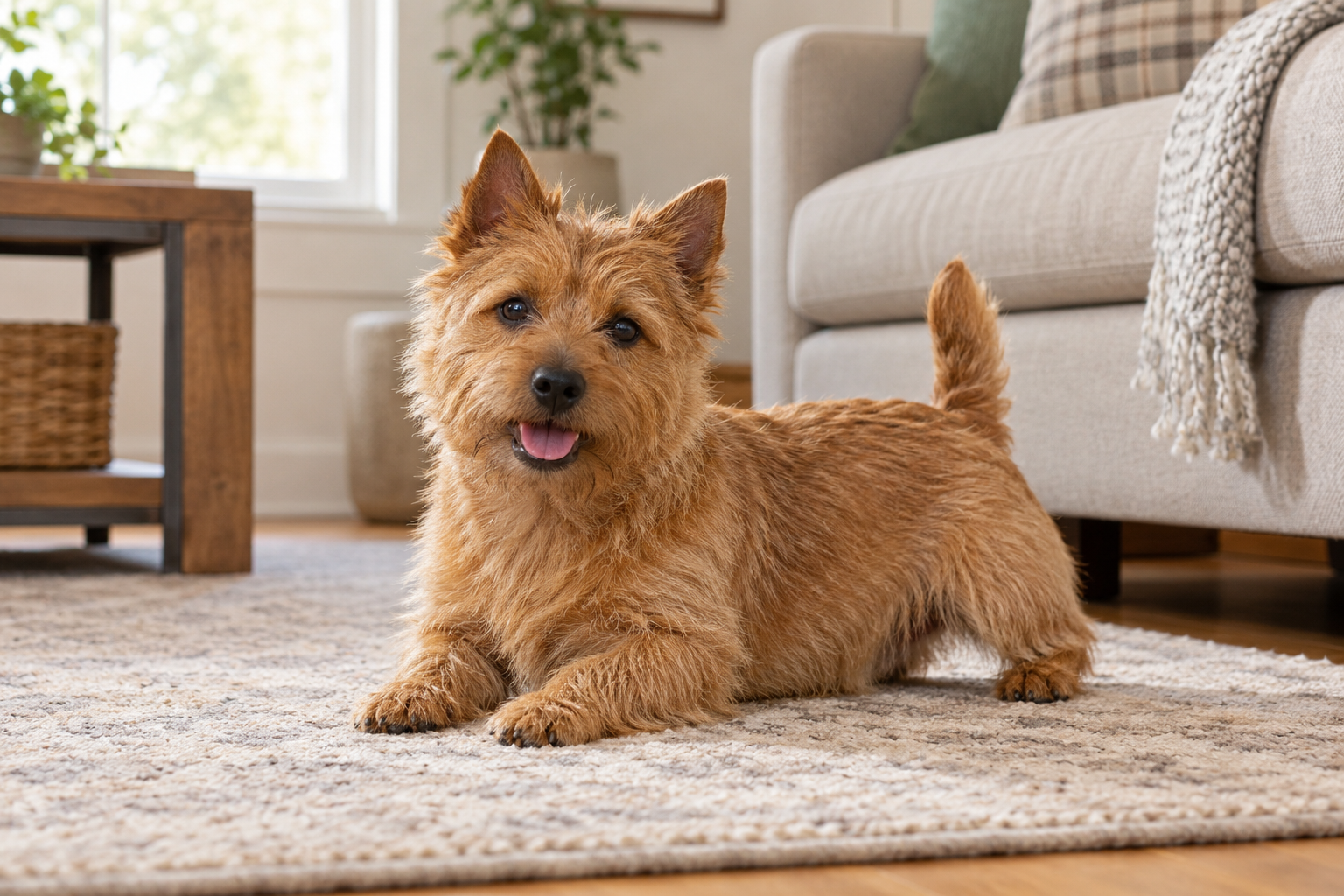
The coat is hard, wiry and straight, lying close to the body over a thick undercoat, with a longer, rougher ruff around the neck. Accepted colours are all shades of red, wheaten, black and tan, and grizzle. White marks are undesirable under the standard.
Distinctive Features
The upright, pointed ears are the Norwich's defining feature and the clearest difference from the Norfolk. A slightly foxy head, small dark eyes and a keen expression complete the look. The tail is carried erect.
Gender Differences
Differences between the sexes are slight. Males may be a centimetre or so taller and a little heavier, but most owners choose on individual temperament rather than sex.
Temperament of the Norwich Terrier: Curious, Affectionate and Fearless
Core Personality Traits
The breed standard describes the Norwich as gay and fearless, with a lovable disposition and a hardy constitution. Most are cheerful, curious and very affectionate with their family. They are confident little dogs that tend to think they are much bigger than they are.
Social Behaviour
Norwich Terriers are usually friendly with people, including visitors. Many enjoy the company of other dogs and are less quarrelsome than some terrier breeds, though individual dogs vary and early socialisation still matters.
Working Instincts
Prey drive is strong, and a Norwich will chase rats, birds, lizards and anything small that runs. Pet rodents, rabbits and chickens are at risk, and native wildlife in the garden will attract attention. Digging is part of the package for a breed developed to go to ground.
Common Behavioural Challenges
Barking, digging and selective hearing are the usual complaints. Most Norwich barking is alert barking at sounds and visitors, but it can become a habit in a bored dog. A busy routine, secure fencing and early attention to barking keep most problems manageable.
Intelligence and Trainability of the Norwich Terrier: Bright, Food Motivated and Independent
Intelligence and Learning Ability
Norwich Terriers are bright and quick to learn, especially when food is involved. They are also independent problem solvers, which shows in escape attempts and in working out which family member gives the most treats.
Training Approach
Short, positive, reward-based sessions work best. Harsh corrections make a terrier dig its heels in. Basic manners, crate training and toilet training usually come quickly with consistency.
Early Socialisation
Introduce puppies to a wide range of people, dogs, sounds and places from an early age. Calm introductions to cats raised in the household can work, but small caged pets should always be kept out of reach.
Potential Training Challenges
Recall is the main weakness, since a Norwich on a scent will ignore you. Breeders and owners often advise exercising them on lead or in fenced areas, and this is sound advice. House training can also take a little longer than in some breeds.
Norwich Terrier Family Life: Living with Children, Pets, and Households
Living with Children
A Norwich is sturdier than most toy breeds and usually enjoys play with respectful children. Toddlers still need supervision, since a small dog can be hurt by rough handling and may snap if frightened.
Living with Other Pets
Many Norwich Terriers live happily with other dogs and with a cat they are raised with. Rabbits, guinea pigs, rats, birds and poultry are not safe companions for a ratting terrier.
Household Environment
The breed adapts well to houses, townhouses and even apartments, provided it gets daily walks. Fencing must be secure at ground level, because a Norwich will dig under a weak spot.
Lifestyle Compatibility
The Norwich suits families, couples and older owners who want an active, affectionate small dog. Barking can be an issue in units and strata, so owners in close quarters should work on quiet behaviour early.
Health of the Norwich Terrier: Airways, Whelping, Joints and Lifespan
Lifespan and Healthy Living
Australian breed bodies quote 12 to 14 years, and some sources quote 13 to 15. Most Norwich Terriers are hardy, long-lived dogs when kept lean and active.
Common Health Conditions
Australian breed pages state that the Norwich has no particular health problems. Veterinary research does point to some breed-specific concerns, and owners should be aware of the following. It is best to discuss any concerns with a veterinarian.
- Norwich Terrier upper airway syndrome. A narrowing of the upper airway that can cause noisy breathing, exercise intolerance and heat sensitivity. A veterinary study of affected Norwich Terriers found it differs from the airway disease seen in flat-faced breeds, and a gene variant linked to it has since been identified.
- Difficult births. In a 2022 European questionnaire study of caesarean sections, the Norwich had the highest rate of any breed recorded, at 16 of 31 litters. This matters mainly to breeders, but it is one reason litters are small and scarce.
- Patellar luxation. A slipping kneecap that is common in small breeds and may need surgery in severe cases.
- Dental disease. Small mouths crowd teeth, so tartar and gum disease are common without regular brushing.
Genetic Health Testing
There is no single compulsory test scheme in Australia, so ask breeders what they check. Useful questions cover airway assessment of the parents, knee and eye checks, and whether a DNA test for the airway gene variant has been used. The AKC Canine Health Foundation's airway research led to a grading system some breeders now use.
Preventative Health Care
Keep vaccinations, worming, heartworm and tick prevention current, and check the wiry coat for paralysis ticks after walks in long grass or bush. Brush teeth several times a week and book annual dental checks. Learning the early signs of dental disease in dogs helps you act before problems become painful.
Caring for the Norwich Terrier: Daily Care and Living Environment
Daily Care Routine
A walk or two totalling about 40 minutes, some play, a quick brush and two small meals cover most of a Norwich's needs. Include a short training or puzzle session to keep its mind busy.
Living Environment Requirements
Secure fencing that goes into the ground, or a dig barrier, is important. Indoors, a Norwich is happy with a comfortable bed and toys, and it prefers to be close to its people.
Climate Sensitivity
Dogs with upper airway problems can struggle in heat, so watch for noisy breathing on warm days. Walk early or late in summer, provide shade and water, and keep the dog indoors in the hottest part of the day. Stripping the coat before summer also helps the dog stay comfortable.
Caring for Senior Norwich Terriers
Older Norwich Terriers often stay playful well into their teens. Shorter, gentler walks, regular dental care and a watchful eye on weight and joints keep them comfortable.
Grooming of the Norwich Terrier: Caring for the Wiry, Weatherproof Coat
Coat Maintenance
Brush and comb once or twice a week to remove loose hair and prevent tangles in the ruff and trousers. Following a weekly routine designed for wire-haired dogs keeps the coat tidy between stripping sessions.
Hand Stripping Explained
Hand stripping means plucking out dead outer hairs by hand or with a stripping knife, so new hard hair can grow through. DOGS NSW lists stripping as part of normal care for the breed. Clipping is quicker but cuts the hair rather than removing it, which softens the texture and dulls the colour over time. Many owners have the coat stripped two to four times a year by a groomer experienced with terriers, and stripping is usually charged by time, so it tends to cost more than a standard clip.
Ear, Nail, and Dental Care
Check ears weekly and wipe away dirt. Trim nails every three to four weeks, and brush teeth several times a week given the breed's risk of dental disease.
Bathing and Professional Grooming
Bathe only occasionally, since frequent washing softens a wire coat. A professional strip a few times a year, plus a tidy of the feet and ears, keeps a Norwich looking smart.
Exercise Needs of the Norwich Terrier: Small but Energetic
Daily Exercise Requirements
About 40 minutes a day is the guide in the DOGS NSW quick-glance profile, ideally split into two walks plus play. Most Norwich Terriers will happily do more if offered.
Activities Norwich Terriers Enjoy
Scent games, ball play, short hikes, earthdog-style digging games and agility suit the breed. Many enjoy simply exploring a new walking route with their nose down.
Exercise Limitations
Keep a Norwich on lead or in fenced areas. Avoid hard exercise in the heat, particularly for dogs that breathe noisily, and check for ticks after walks in tick regions along the east coast.
Importance of Mental Stimulation
A bored Norwich digs and barks. Puzzle feeders, snuffle mats and short trick-training sessions burn off mental energy that walks alone do not.
Feeding the Norwich Terrier: Nutrition and Diet Needs
Nutritional Requirements
A complete, balanced diet formulated for small breeds suits the Norwich. Small kibble sizes help with chewing and can support dental health.
Feeding by Life Stage
Feed puppies three to four small meals a day, reducing to two meals from around six months. Move to an adult small-breed food at around 10 to 12 months.
Portion Control and Weight Management
Norwich Terriers are food motivated and gain weight easily. Weigh food, count training treats and check that you can feel the ribs under the wiry coat. Even a kilogram of extra weight is significant on a 5 kg dog.
Foods to Avoid
Avoid grapes, sultanas, chocolate, onions, garlic, macadamias, cooked bones and xylitol. Small dogs are affected by smaller amounts of toxic foods, so keep bins and bags out of reach.
Norwich Terrier Price in Australia: Purchase Cost and Ongoing Expenses
Puppy Purchase Price
Expect to pay about $3,500 to $5,500 for a Norwich Terrier puppy from a registered Australian breeder. Dogz Online listed 11 breeders and no available litters on 18 October 2026, and an earlier NSW breeder listing advertised puppies at $3,800. US breeder averages on Good Dog's Norwich Terrier listings sit around USD 3,500 to USD 3,975, roughly AUD 5,250 to AUD 6,000, which explains the upper end.
Supply is the real constraint. Small litters and high caesarean rates mean few puppies are born each year, so waiting lists are normal.
There is no such thing as a teacup Norwich Terrier. The breed is already small, and puppies advertised as "teacup" or "miniature" are either undersized, mixed or not Norwich at all. Treat these listings as a red flag, and learn how to recognise a puppy scam online before paying anything.
Initial Setup Costs
RSPCA NSW's first-year cost estimates include microchipping at $60 to $80, puppy vaccinations at $280 to $420, desexing at $350 to $650 and puppy school at around $170. Add a crate, bed, harness and dig-proof fencing.
Ongoing Monthly Costs
| Cost | Typical figure (AUD) | Source |
|---|---|---|
| Food | Toward the lower end of $600 to $1,000 a year for a small dog | RSPCA NSW |
| Grooming and stripping | $70 to $150 per visit, two to four times a year | RSPCA NSW |
| Flea, tick and worming | $200 to $250 a year, plus up to $250 for heartworm | RSPCA NSW |
| Pet insurance | Around $1,718 a year, average dog, accident and illness | Canstar, 2026 |
| Annual vet check and vaccination | From $140 a year | RSPCA NSW |
A Norwich is cheap to feed but not cheap to buy, and average dog insurance premiums climbed steeply in 2026. Dental care is the health cost most owners meet, so budget for professional cleaning as the dog ages.
Long-Term Financial Commitment
Over a 12 to 15 year life, ongoing costs are moderate for a small dog. Airway surgery, if needed, and knee surgery are the larger potential expenses, which is a good reason to insure early.
Buying Advice for a Norwich Terrier: Choosing a Healthy Puppy
Choosing a Responsible Breeder
Choose a breeder registered with Dogs Australia through their state body, and contact the breed club or state canine association for introductions. Expect to wait for a planned litter.
Health Checks Before Purchase
Listen to the parents breathe, particularly after activity, and ask about any airway problems in the line. Check that puppies have clean eyes, a correct bite and sound movement.
Questions to Ask the Breeder
- Have either of the parents shown noisy breathing or airway problems?
- Have the parents' knees and eyes been checked?
- Was the litter born naturally or by caesarean?
- How long have dogs in your lines lived?
- How have the puppies been socialised with people, dogs and household noise?
- Will you take the dog back at any age if needed?
Going through a wider set of questions for any puppy breeder helps you compare the few available.
Considering Adoption
Norwich Terriers rarely appear in rescue in Australia. Breed clubs sometimes know of adult dogs needing new homes, which can suit buyers happy to skip the puppy stage.
Is the Norwich Terrier Right for You? A Big Personality in a Small Dog
Lifestyle Compatibility
The Norwich suits families, couples and older owners in houses or apartments.
It is less suited to homes with pet rabbits, rodents or chickens.
Time and Care Commitment
Plan for about 40 minutes of exercise daily and weekly brushing.
Stripping a few times a year keeps the coat correct.
Grooming and Health Awareness
Watch for noisy breathing, especially in hot weather.
Brush teeth often and keep the dog lean.
Ideal Owner Profile
The ideal owner enjoys a cheeky, affectionate terrier and has secure fencing.
Patience with recall and barking makes life easier.
Find Norwich Terrier Puppies for Sale
If the breed suits you, view puppies for sale on Pups4Sale and contact registered breeders early.
Avoid any seller offering "teacup" Norwich puppies.
Frequently Asked Questions
Related Breeds
Other terrier breeds on Pups4Sale.
 Scottish TerrierSmall • Terriers (Group 2)
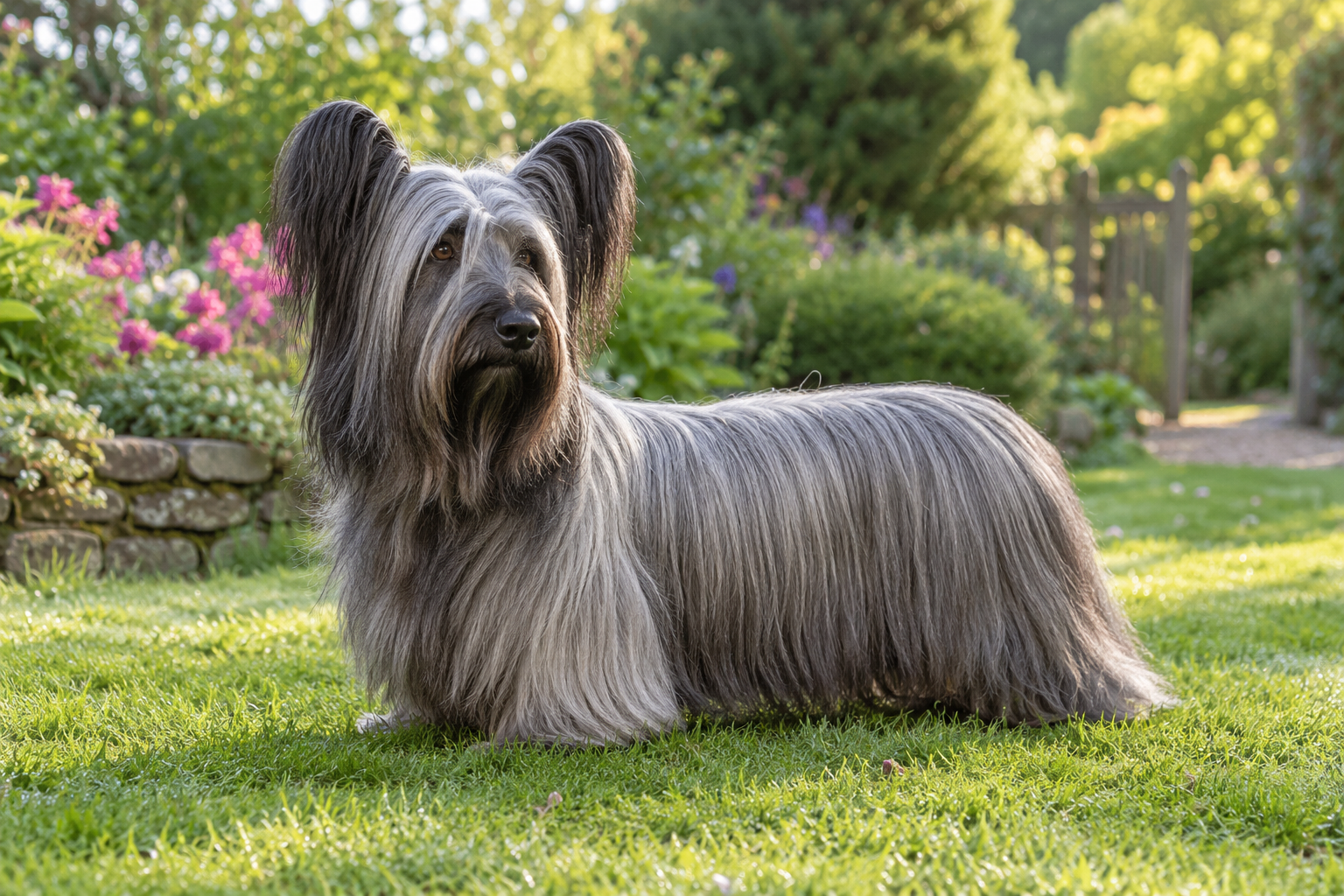 Skye TerrierMedium • Terriers (Group 2)
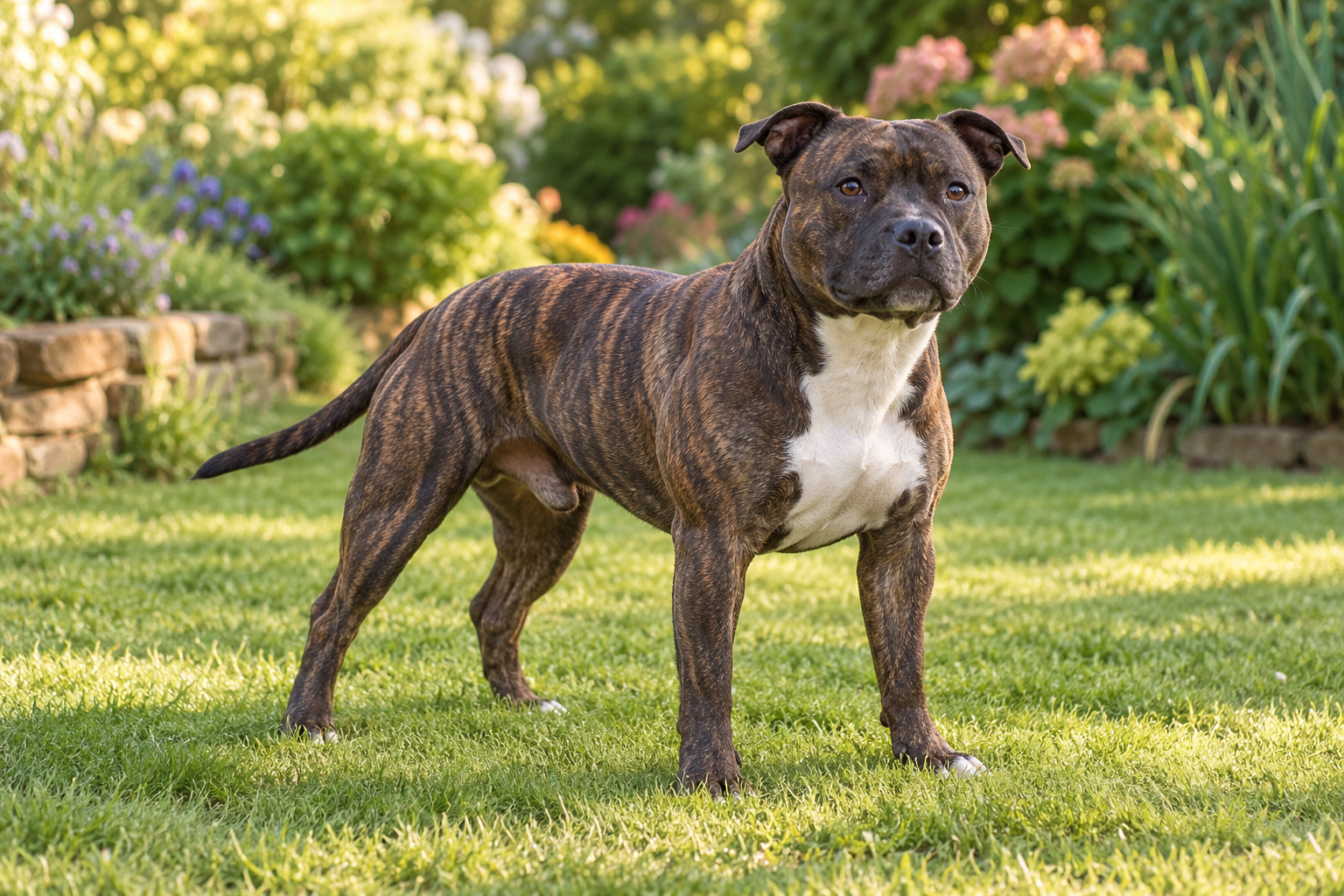 Staffordshire Bull TerrierMedium • Terrier (Group 2)
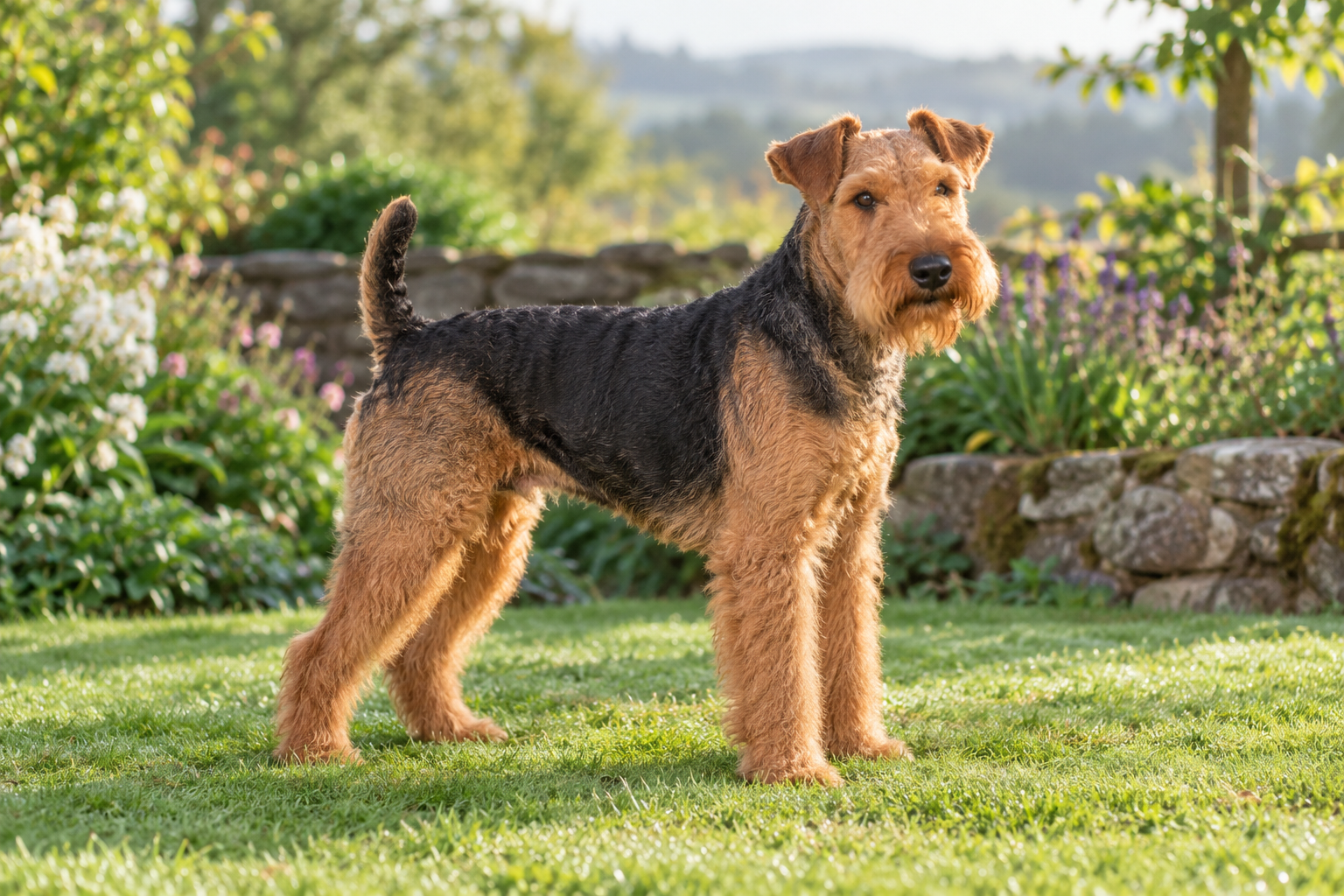 Welsh TerrierMedium • Terriers (Group 2)
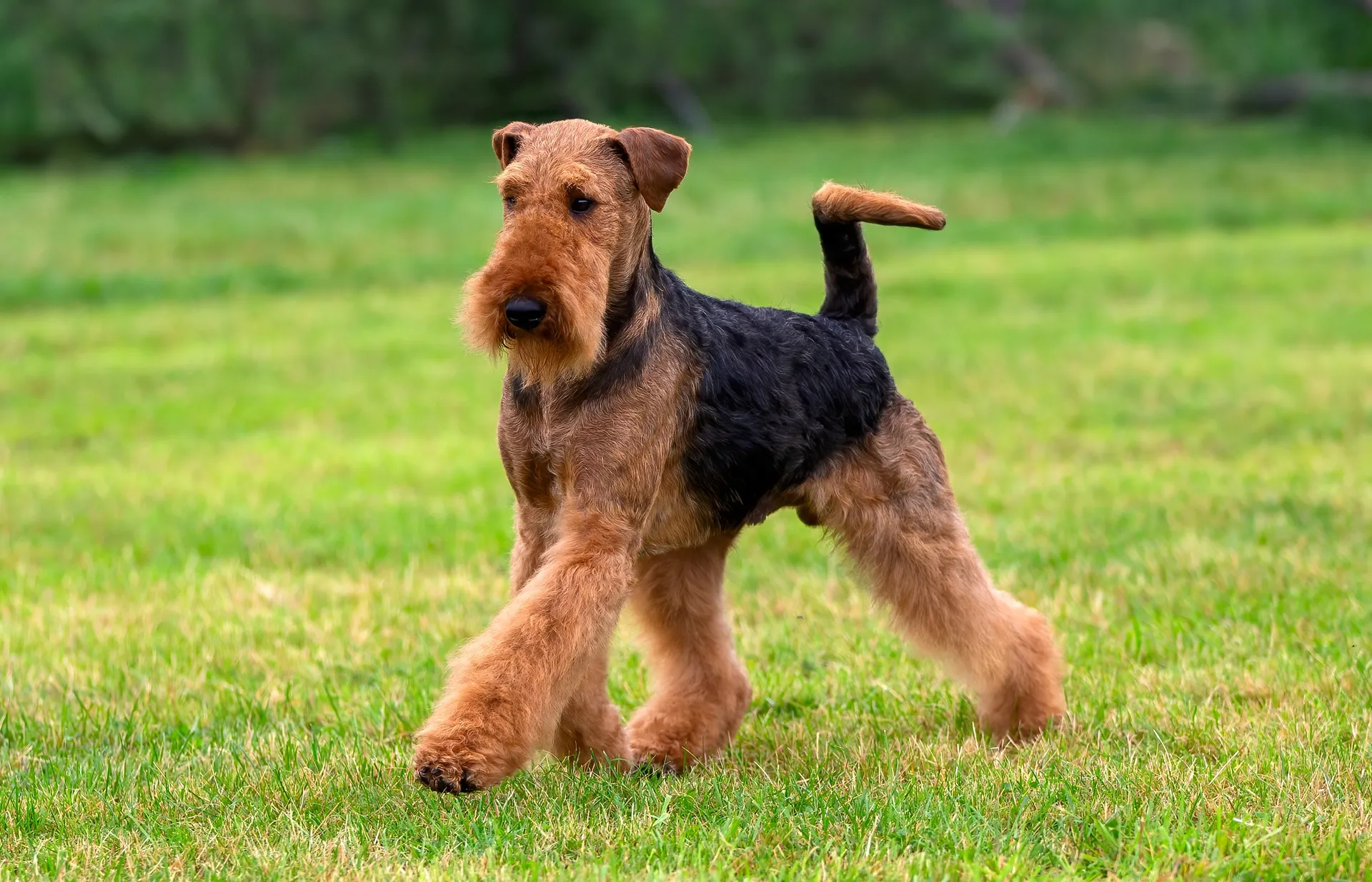 Airedale TerrierSmall • Terrier
 American Staffordshire TerrierMedium • Terrier (Group 2)