Skye Terrier
By James C. • Updated
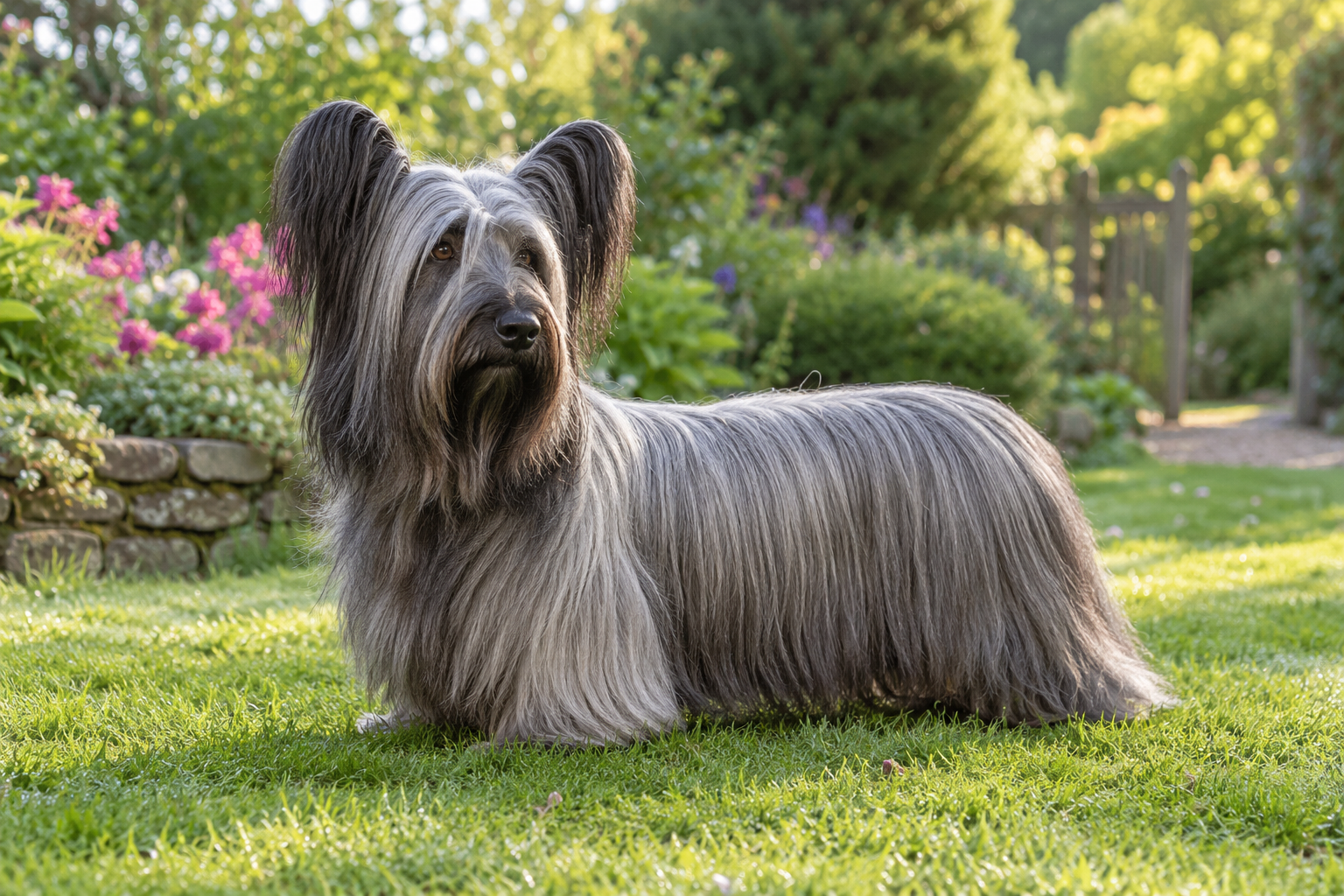
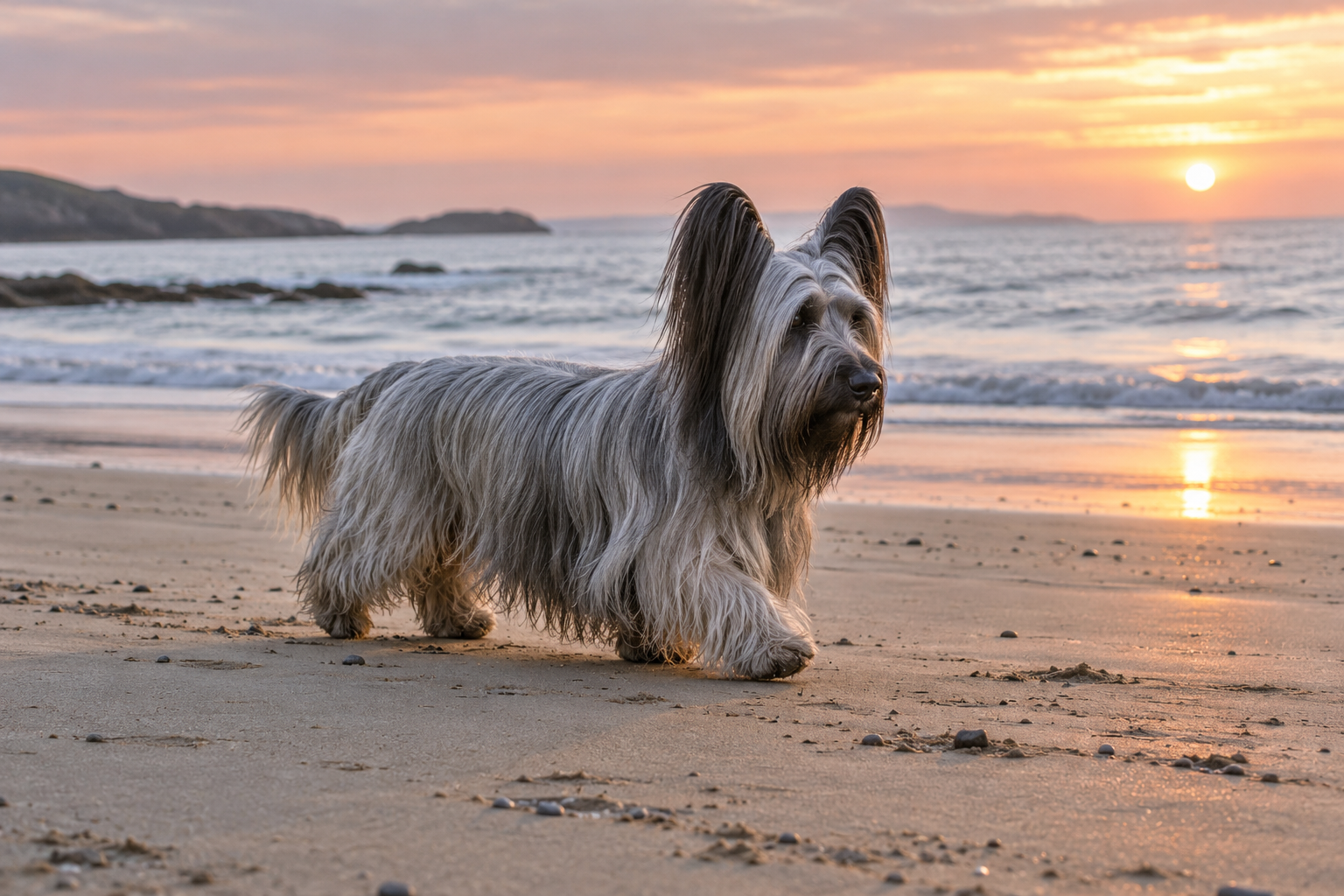
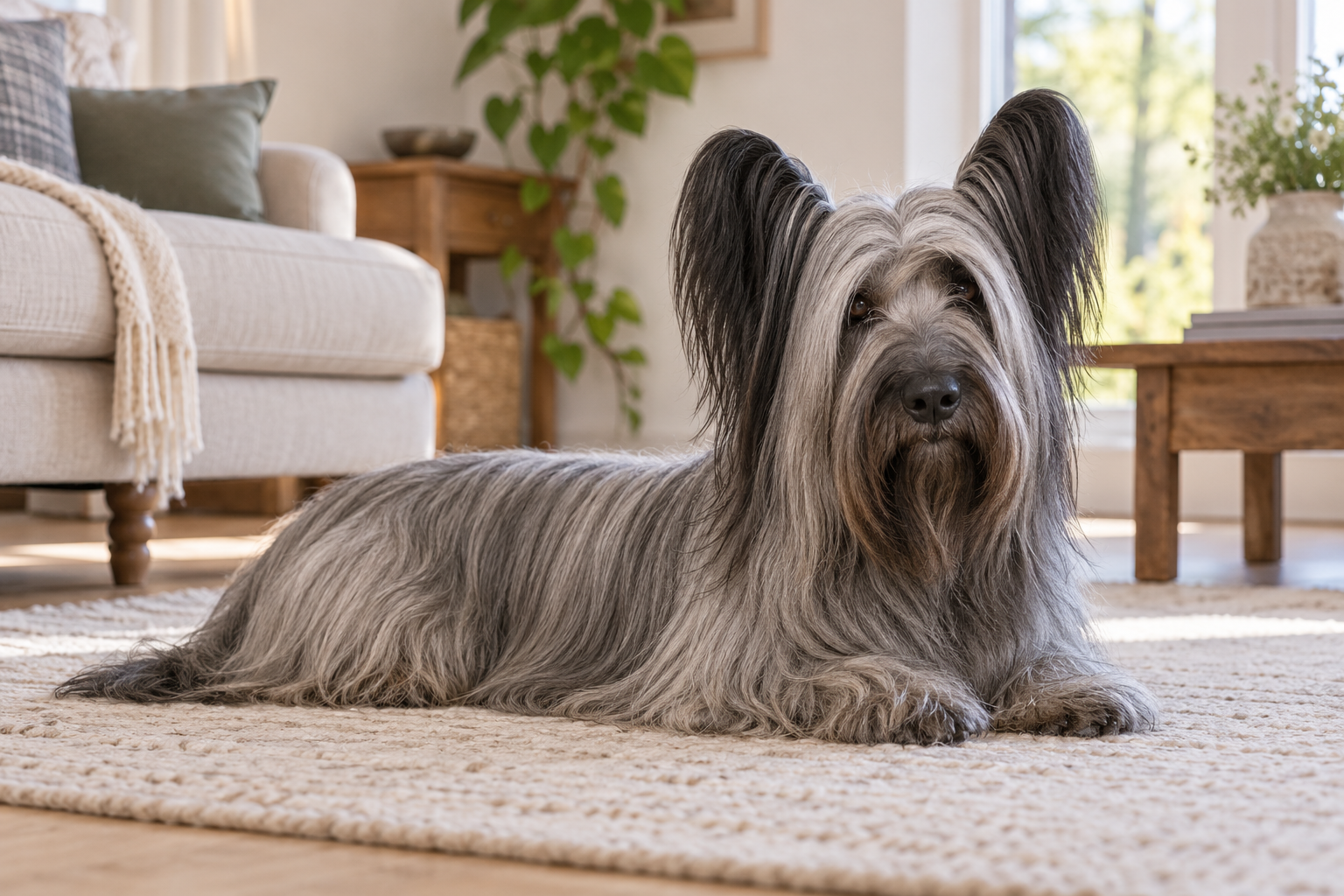
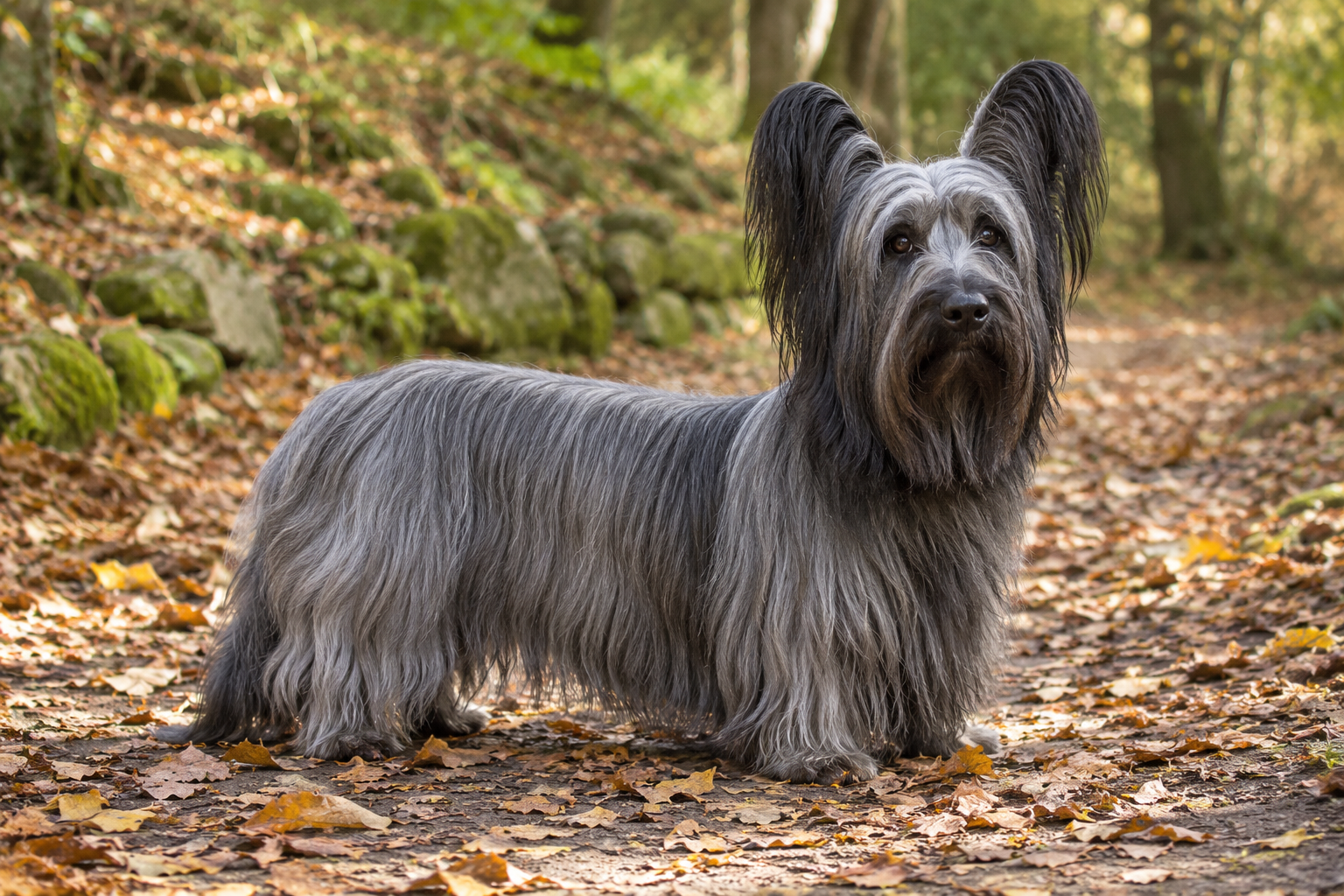
The Skye Terrier is a long, low Scottish terrier from the Isle of Skye and the Western Isles, bred for centuries to go to ground after foxes, badgers and otters. It is loyal, brave and reserved, usually devoted to one or two people and wary of strangers without being aggressive. Most stand around 25 cm at the shoulder and weigh 12 to 15 kg, with a long, hard double coat that falls either side of the body. It is one of the rarest recognised terriers, classed in the UK as a Vulnerable Native Breed, and in Australia puppies come from a handful of breeders via waiting lists.
Breed Overview
Life Span
10 - 14 years
Average Price
AUD 3500 - AUD 5000
Weight
Male: 12 - 15 kg Female: 12 - 15 kg
Height
Male: 25 - 26 cm Female: 24 - 25 cm
Life Expectancy
Male/Female: 10 - 14 years
Breed Group
Terriers (Group 2)
Nicknames
Skye
Breed Information
The Skye Terrier is a rare, long and low Scottish terrier with a floor-length coat, and in Australia it is genuinely hard to find. On 17 October 2026 the national Dogz Online breeder directory listed 7 Skye Terrier breeders and one litter in the whole country. Anyone who wants one should expect to wait, and possibly to travel interstate.
Despite the glamorous coat, this is a working terrier at heart: brave, independent, devoted to its own people and usually reserved with strangers.
The breed is recognised by Dogs Australia in the Terrier group, but numbers are low worldwide, and in the UK it is one of the most endangered Vulnerable Native Breeds.
Characteristics of the Skye Terrier
The Skye Terrier rates high for loyalty and grooming demands and low for sociability with strangers, which suits a calm adult home better than a busy one.
| Trait | Rating | Star Rating | Meaning |
|---|---|---|---|
| Size | Small to Medium | ★★ | Around 25 cm tall, long bodied, 12 to 15 kg. |
| Adaptability | Moderate | ★★★ | Fine in smaller homes, less so with heat. |
| Exercise Needs | Moderate | ★★★ | Steady daily walks. |
| Easy to Train | Moderate | ★★★ | Clever but independent. |
| Amount of Shedding | Moderate | ★★★ | Brushing controls loose undercoat. |
| Grooming Needs | High | ★★★★ | Thorough brushing every few days. |
| Good With Children | Moderate | ★★★ | Best with older children. |
| Health | Moderate | ★★★ | Back and growth plate issues need care. |
| Cost to Keep | Moderate | ★★★ | Modest food bill, possible transport costs. |
| Tolerates Being Alone | Moderate | ★★★ | Fairly independent but bonds closely. |
| Intelligence | Good | ★★★★ | Quick, with a mind of its own. |
History of the Skye Terrier: From Hebridean Earth Dog to Endangered Breed
The Skye Terrier comes from the Isle of Skye and the Western Isles, where short-legged terriers bolted foxes, badgers and otters from rocky cairns for centuries. Its long, low body and hard coat were working tools.
The breed became fashionable in Victorian Britain, helped by royal ownership. Its most famous member is Greyfriars Bobby, the Edinburgh dog said to have kept watch over his owner's grave for years in the mid 1800s, although historians have questioned parts of the story and even his breed.
Popularity faded through the twentieth century. UK records show only around 30 Skye Terrier births in 2005, and the breed is now classed as a Vulnerable Native Breed. Close relatives include the Cairn Terrier, a fellow Highland earth dog.
Appearance of the Skye Terrier: Long, Low and Elegantly Coated
Size and Build
Dogs stand around 25 to 26 cm at the shoulder according to the Dogs Australia breed standard, with bitches slightly smaller. The body is roughly twice as long as the dog is tall, with short, strong legs and a level back.
Coat and Colours
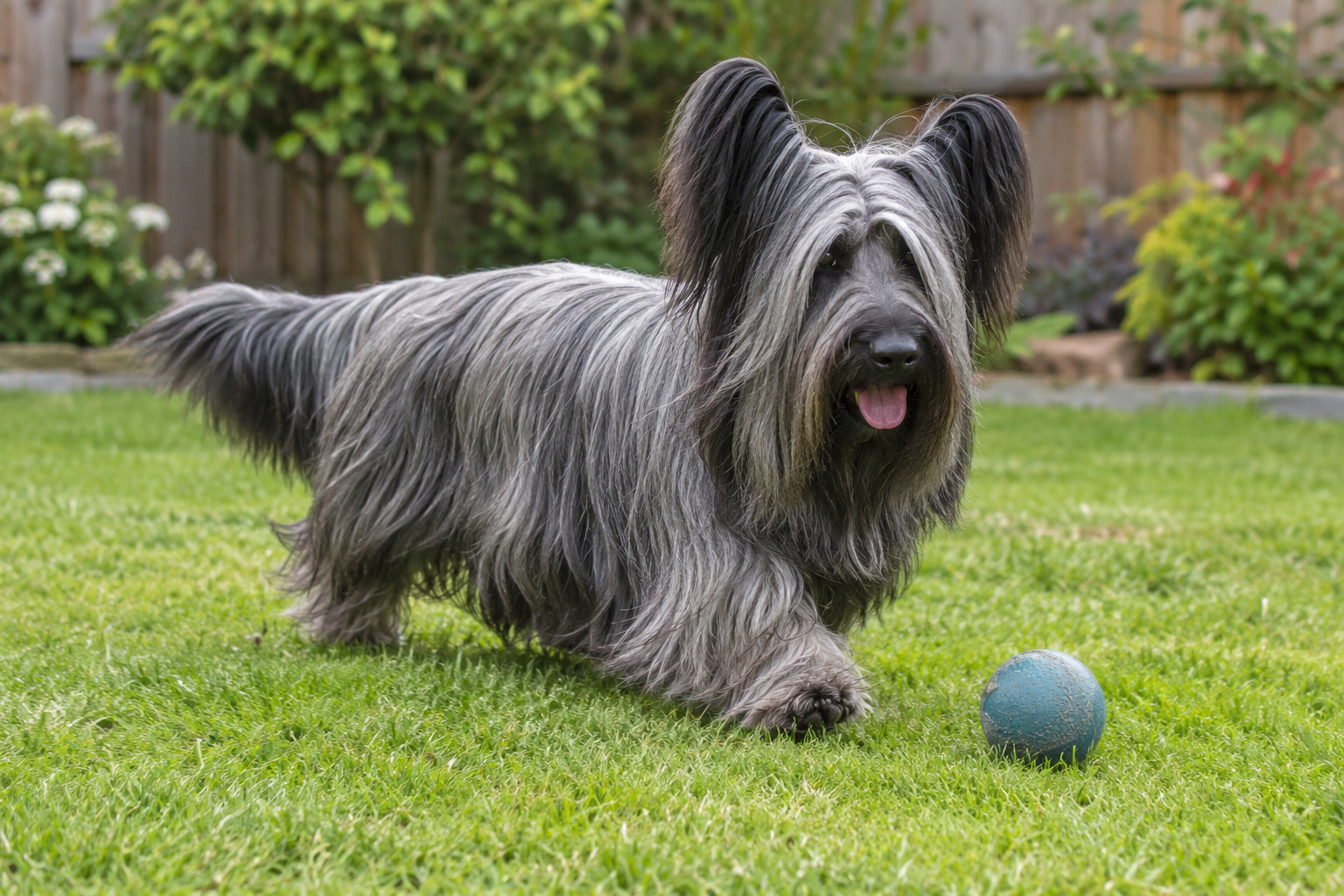
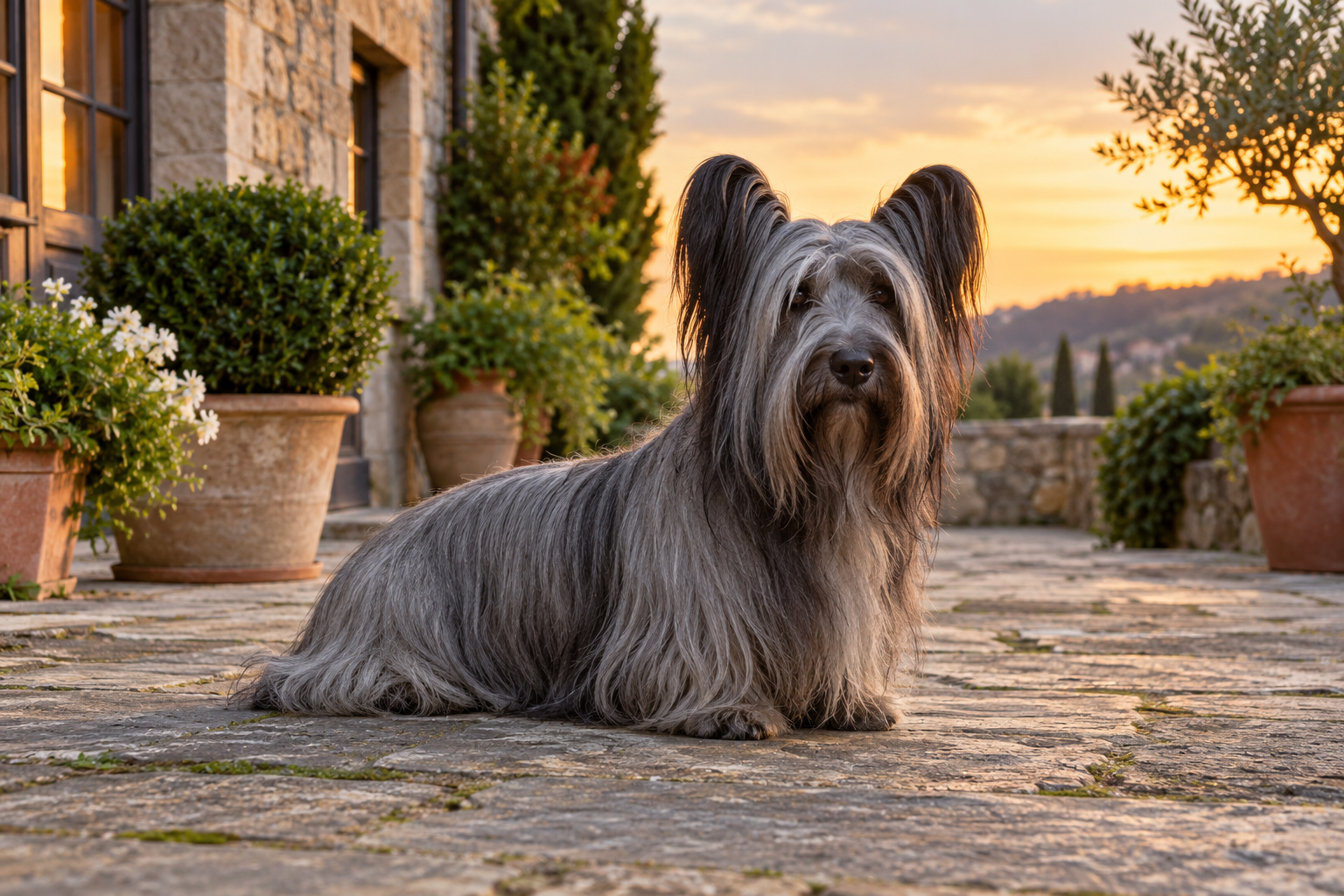
A long, hard, straight outer coat falls from a centre parting over a soft undercoat. Colours include black, grey, fawn and cream, with black ears and muzzle.
Distinctive Features
Prick ears and drop ears are both correct. Prick ears carry long feathering that frames the face.
Gender Differences
Males are a little taller and heavier in head and bone. Females are slightly smaller, though individual personality matters more than sex.
Temperament of the Skye Terrier: Loyal, Brave and Reserved
Core Personality Traits
Skye Terriers are affectionate and fiercely loyal to their own people. Dogs NSW describes a fearless, one-person dog that can be wary of strangers but is not aggressive. Calm at home, it still has a terrier's courage.
Social Behaviour
Expect a polite but cool reception for visitors. Skyes rarely fawn over strangers and dislike rough handling.
Working Instincts
Prey drive is real. This is a hunting terrier, so small pets, poultry and wildlife may be chased, and some Skyes dig. Secure fencing and supervised introductions are sensible.
Common Behavioural Challenges
Door barking, reserve that tips into suspicion, and occasional same-sex friction with other dogs are the main issues. Early, gentle socialisation prevents most of them.
Intelligence and Trainability of the Skye Terrier: Clever and Independent
Intelligence and Learning Ability
Skyes understand quickly. Whether they comply is another matter, because the breed was developed to make its own decisions underground.
Training Approach
Short, calm, reward-based sessions work best. Harsh corrections damage trust with a proud, sensitive dog.
Early Socialisation
Because the breed is naturally reserved, meeting many calm people, dogs and places as a puppy matters more than usual.
Potential Training Challenges
Recall can be unreliable once a scent or small animal appears, and stubbornness is common.
Skye Terrier Family Life: Children, Pets and Home
Living with Children
Skyes bond well with considerate older children but dislike being grabbed or chased, so toddlers need close supervision.
Living with Other Pets
Many live happily with another dog. Cats, rabbits and guinea pigs are at risk unless the Skye is raised with them and supervised.
Household Environment
A smaller home can work given daily walks. Reduce stair use and add ramps to sofas and cars.
Lifestyle Compatibility
The breed suits retirees, couples and calm households, and suits busy, noisy homes less well.
Health of the Skye Terrier: Growth Plates, Back and Liver
Lifespan and Healthy Living
Skye Terriers typically live 10 to 14 years. A 2024 UK study of companion dog longevity estimated 12.4 years for the breed, though from only 39 deaths, so the figure should be treated cautiously.
Common Health Conditions
Owners should be aware of several conditions reported in the breed. It is best to discuss any concerns with a veterinarian.
- Skye limp. Early closure of the growth plates in the front legs, noted by Dogs NSW. A 2025 UK breed club survey of 124 owners found puppy limp commonly reported, though the club notes the small sample.
- Back and disc problems. The breed may be prone to chondrodystrophy and an associated risk of intervertebral disc disease.
- Familial liver disease. Sometimes called Skye Terrier hepatitis, first described in the late 1990s.
- Renal dysplasia. Abnormal kidney development, noted as uncommon.
Genetic Health Testing
The population is small and published data is thin. Ask breeders what screening they use, whether any relatives have had liver or kidney disease, and how their puppies are managed during growth.
Preventative Health Care
Keep the dog lean and limit jumping, as with other long-backed breeds such as the Dachshund. Maintain vaccinations and year-round parasite control, including paralysis tick prevention on the east coast.
Caring for the Skye Terrier: Daily Routine and Home Setup
Daily Care Routine
Two calm walks, some sniffing games and a quick check for burrs and grass seeds keep a Skye content.
Living Environment Requirements
Secure fencing, ramps instead of steps and non-slip floors help protect the back.
Climate Sensitivity
The heavy coat makes Australian summer heat a real concern. Walk early and late, keep the dog indoors on hot afternoons and know the temperatures at which exercise becomes unsafe.
Caring for Senior Skye Terriers
Older Skyes benefit from gentler walks, soft bedding, ramps and regular vet checks.
Grooming of the Skye Terrier: Brushing the Long Coat
Coat Maintenance
Brush thoroughly two or three times a week down to the skin, paying attention behind the ears and on the legs. A steady grooming routine for long-haired dogs prevents mats from forming.
Bathing and Trimming
Bathe every few weeks and dry the coat fully. Many pet owners keep the feet and underside trimmed for hygiene.
Ear, Nail and Dental Care
Check ears weekly, trim nails every few weeks and brush teeth several times a week, as small and medium breeds often develop dental disease.
Summer Coat Management
Do not shave the coat to the skin, as it protects against sun. Brushing out dead undercoat and plenty of shade work better.
Exercise Needs of the Skye Terrier: Steady, Not Strenuous
Daily Exercise Requirements
Dogs NSW suggests around 20 minutes a day as a baseline. Most adult Skyes enjoy two walks totalling 30 to 45 minutes, at a steady pace.
Activities Skye Terriers Enjoy
Sniff walks, scent games and puzzle feeders suit the breed. Repeated jumping is best avoided.
Exercise by Life Stage
Limit stairs, jumping and long walks until growth is complete, roughly the first year, given the risk of Skye limp. Adults can build stamina gradually, and seniors need shorter outings.
Heat and Tick Safety
Avoid midday walks in summer and check the long coat carefully for paralysis ticks in tick areas, where they hide easily.
Feeding the Skye Terrier: Keeping a Long Back Lean
Nutritional Requirements
A complete, balanced diet for small to medium dogs suits most Skyes. Discuss any special diet with a veterinarian.
Feeding by Life Stage
Puppies eat three to four small meals daily until about four months; adults do well on two.
Portion Control and Weight Management
Extra weight strains a long spine. You should feel the ribs easily and see a waist from above. Adjust portions to activity rather than the bag guide alone.
Foods to Avoid
Avoid chocolate, grapes, sultanas, onion, garlic, macadamias, xylitol and cooked bones.
Skye Terrier Price in Australia: What Buyers Should Expect
Puppy Purchase Price
No Australian Skye Terrier price was found advertised on 17 October 2026. With 7 breeders and one litter nationally, prices are set by individual breeders and rarely published. Ask breeders directly, and be wary of any listing that seems cheap or immediately available.
Initial Setup Costs
RSPCA NSW estimates first-year dog costs at $1,979 to $3,001, including microchipping at $60 to $80, puppy vaccinations at $280 to $420 and desexing at $350 to $650. Interstate transport may add to this for a rare breed.
Ongoing Monthly Costs
| Cost | Typical figure (AUD) | Source |
|---|---|---|
| Food | About $600 to $1,000 per year | RSPCA NSW |
| Flea, worm and heartworm prevention | About $200 to $500 per year | RSPCA NSW |
| Annual vaccination and vet check | $140 and upwards per year | RSPCA NSW |
| Professional grooming (optional tidy-ups) | $40 to $200 per visit | RSPCA NSW |
| Pet insurance | Varies by insurer, age and cover | Compare quotes |
Long-Term Financial Commitment
RSPCA NSW puts ongoing dog costs from about $1,260 a year. Back or liver problems could add significant vet bills, so consider insurance early.
Buying Advice for a Skye Terrier: Waiting Lists and Verification
Choosing a Responsible Breeder
Start with Dogs Australia state bodies and breed contacts, then join a waiting list. Working through the questions to ask a dog breeder helps you compare the few breeders available.
Health Checks Before Purchase
Meet the mother, watch the puppies move, and confirm ANKC registration, microchip and vaccination records.
Questions to Ask the Breeder
- Have any related dogs had Skye limp, back problems, liver or kidney disease?
- How long have dogs in your line lived?
- Are the puppies ANKC registered, and are you a member of a state body?
- How do you advise limiting exercise while the puppy grows?
- Will you take the dog back if circumstances change?
Rare Breed Scam Awareness
Scarcity attracts fake listings. Never pay a deposit before verifying the breeder, and learn how to spot a puppy scam online.
Is the Skye Terrier Right for You? A Rare Companion Worth the Wait
Lifestyle Compatibility
The Skye suits calm adult homes wanting a loyal, dignified dog. It is less suited to homes with young children or small pets.
Time and Care Commitment
Expect moderate daily exercise and brushing several times a week for 10 to 14 years.
Grooming and Health Awareness
Protect the back, manage growth carefully and keep the coat free of mats and heat.
Ideal Owner Profile
A patient owner who values loyalty over sociability, and is happy to wait for the right puppy.
Find Skye Terrier Puppies for Sale
Skye Terrier litters are rare, so keep an eye on puppies for sale across Australia and consider the related terriers below if the wait proves too long.
Frequently Asked Questions
Related Breeds
Other terrier breeds on Pups4Sale.
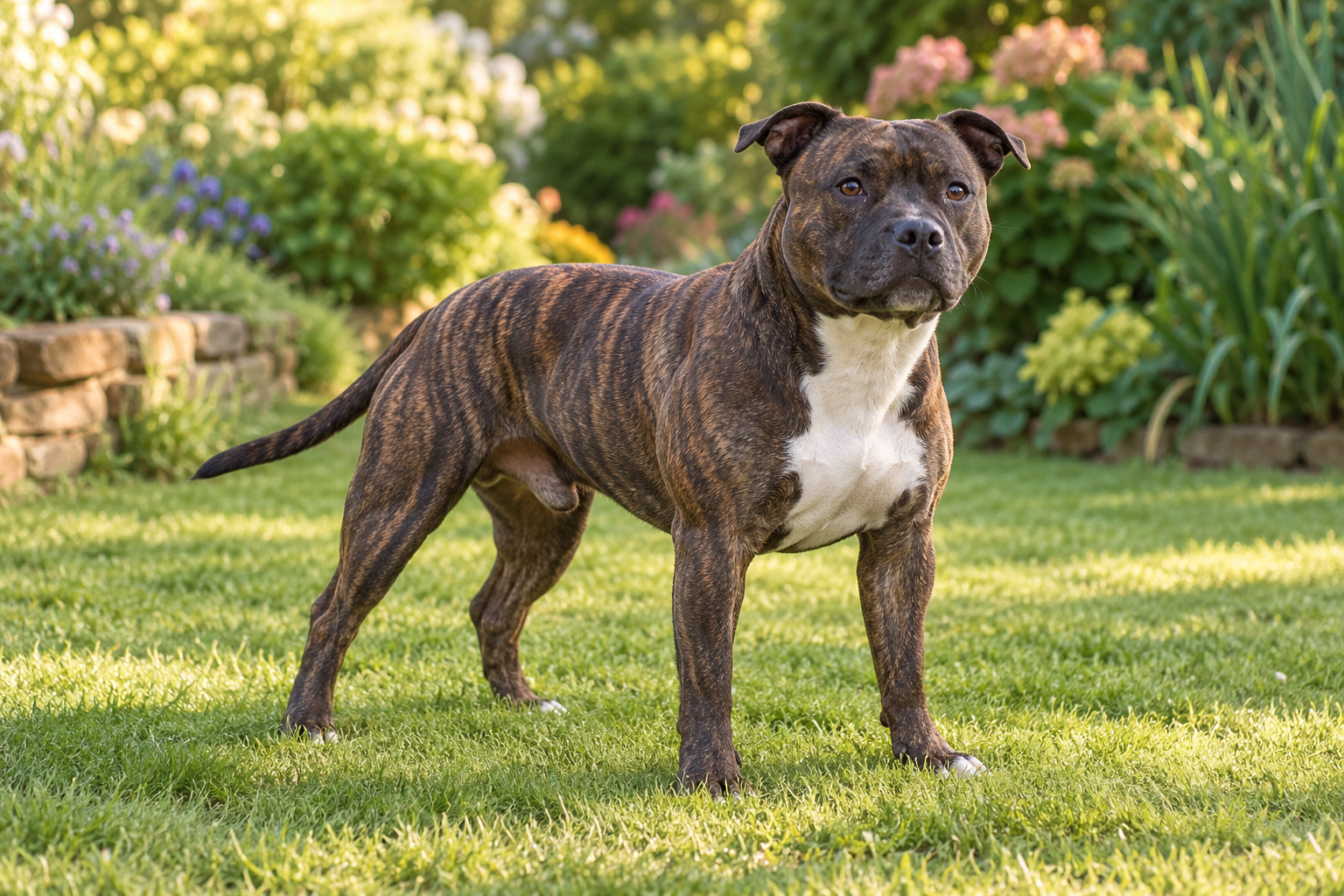 Staffordshire Bull TerrierMedium • Terrier (Group 2)
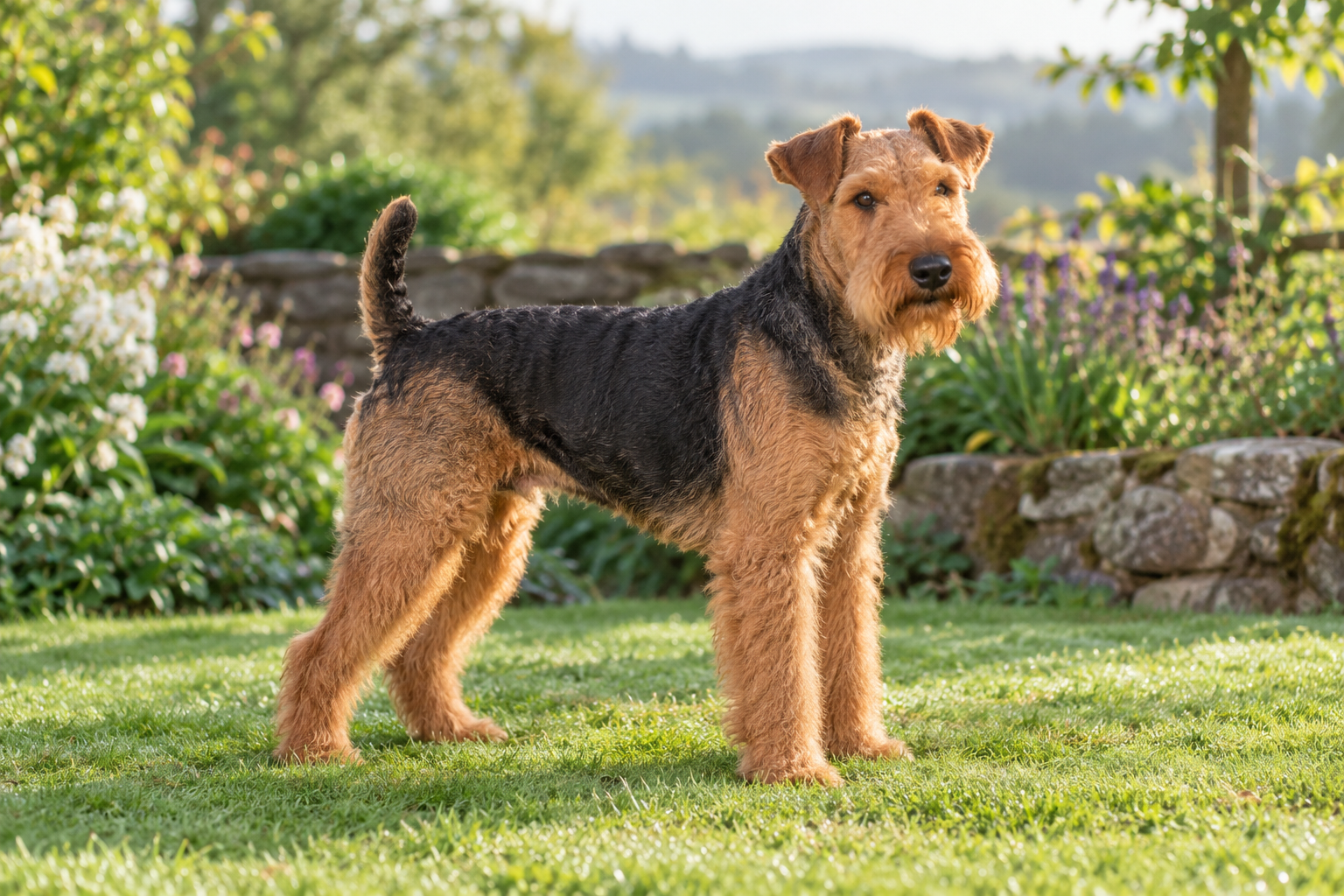 Welsh TerrierMedium • Terriers (Group 2)
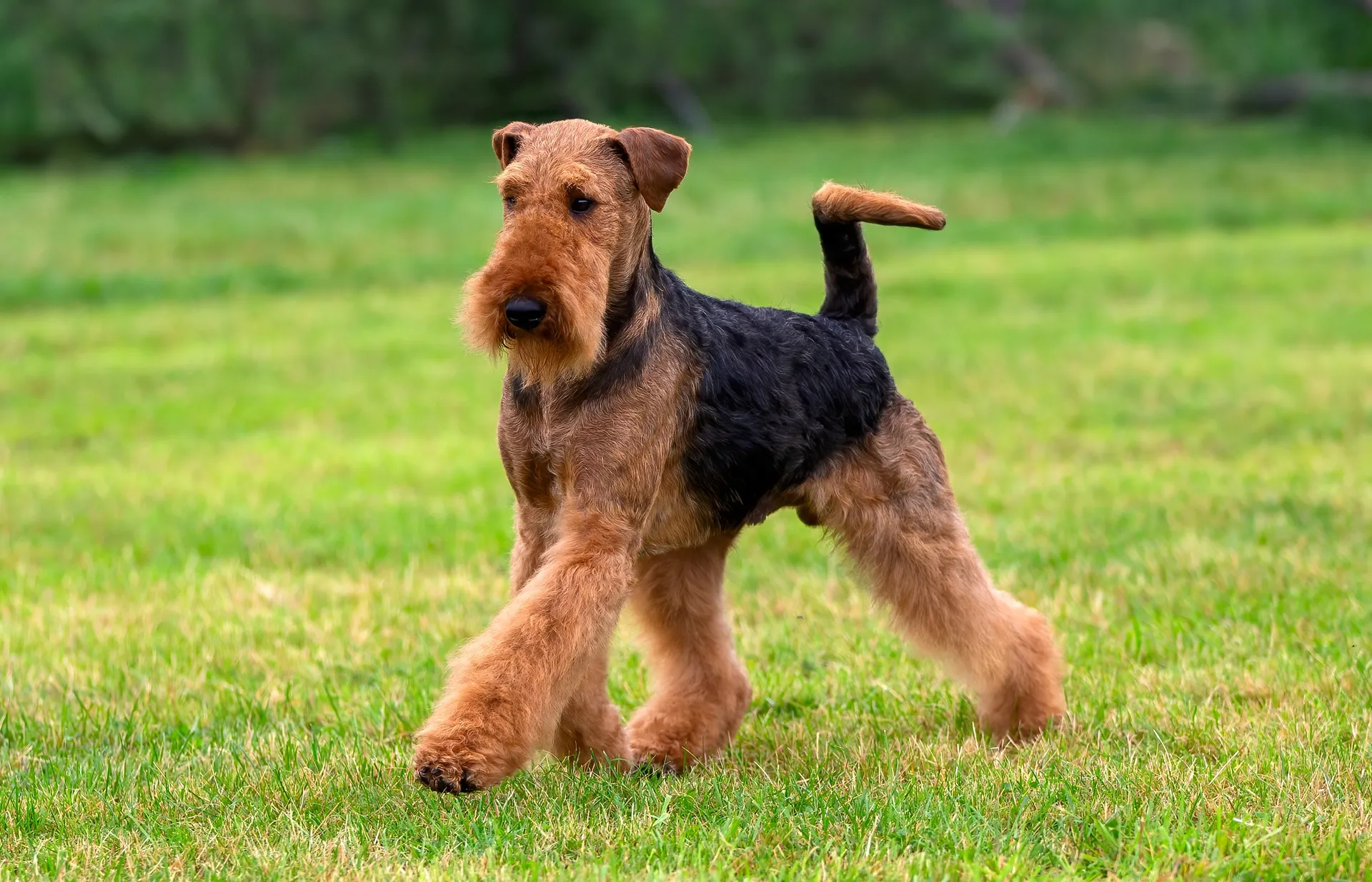 Airedale TerrierSmall • Terrier
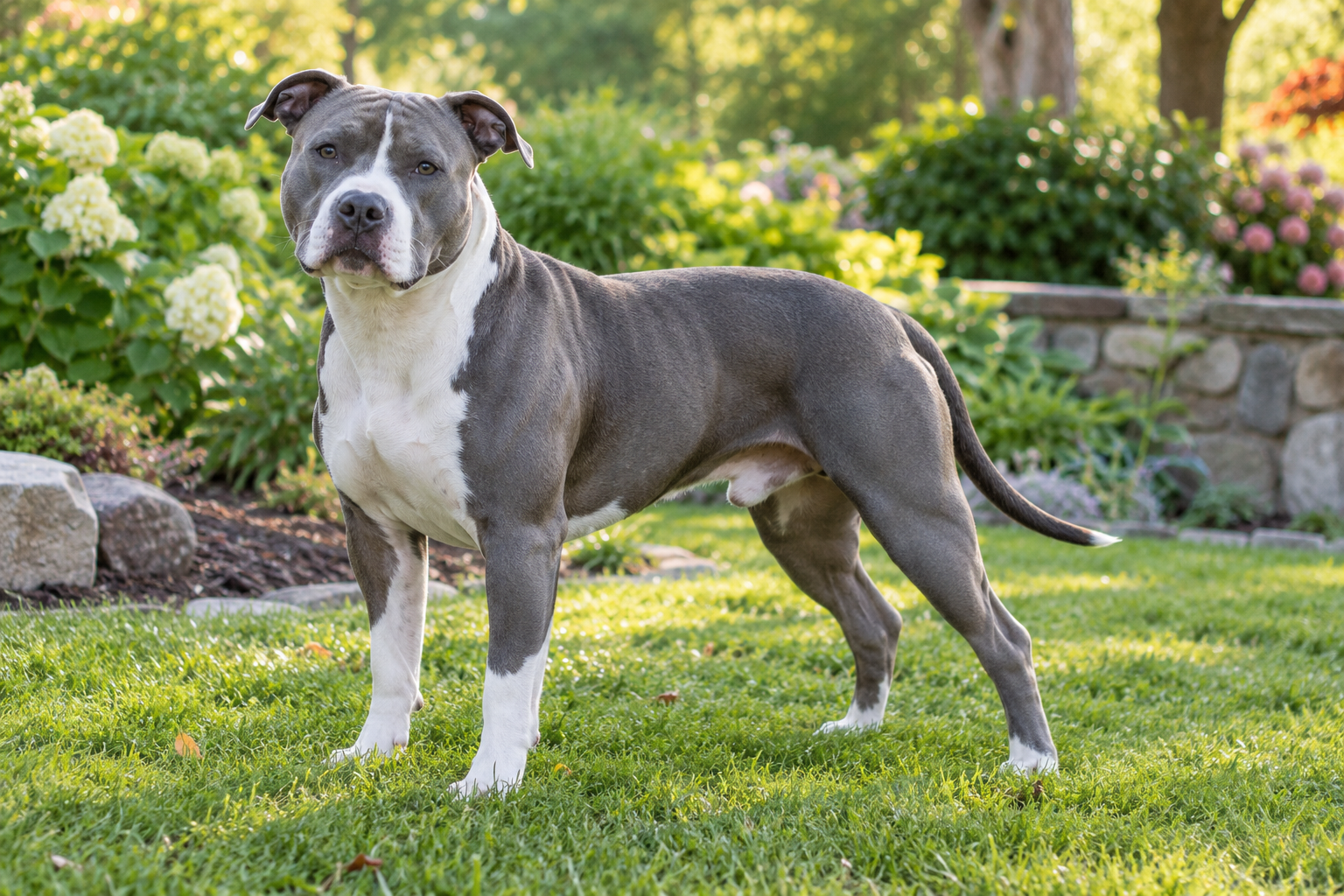 American Staffordshire TerrierMedium • Terrier (Group 2)
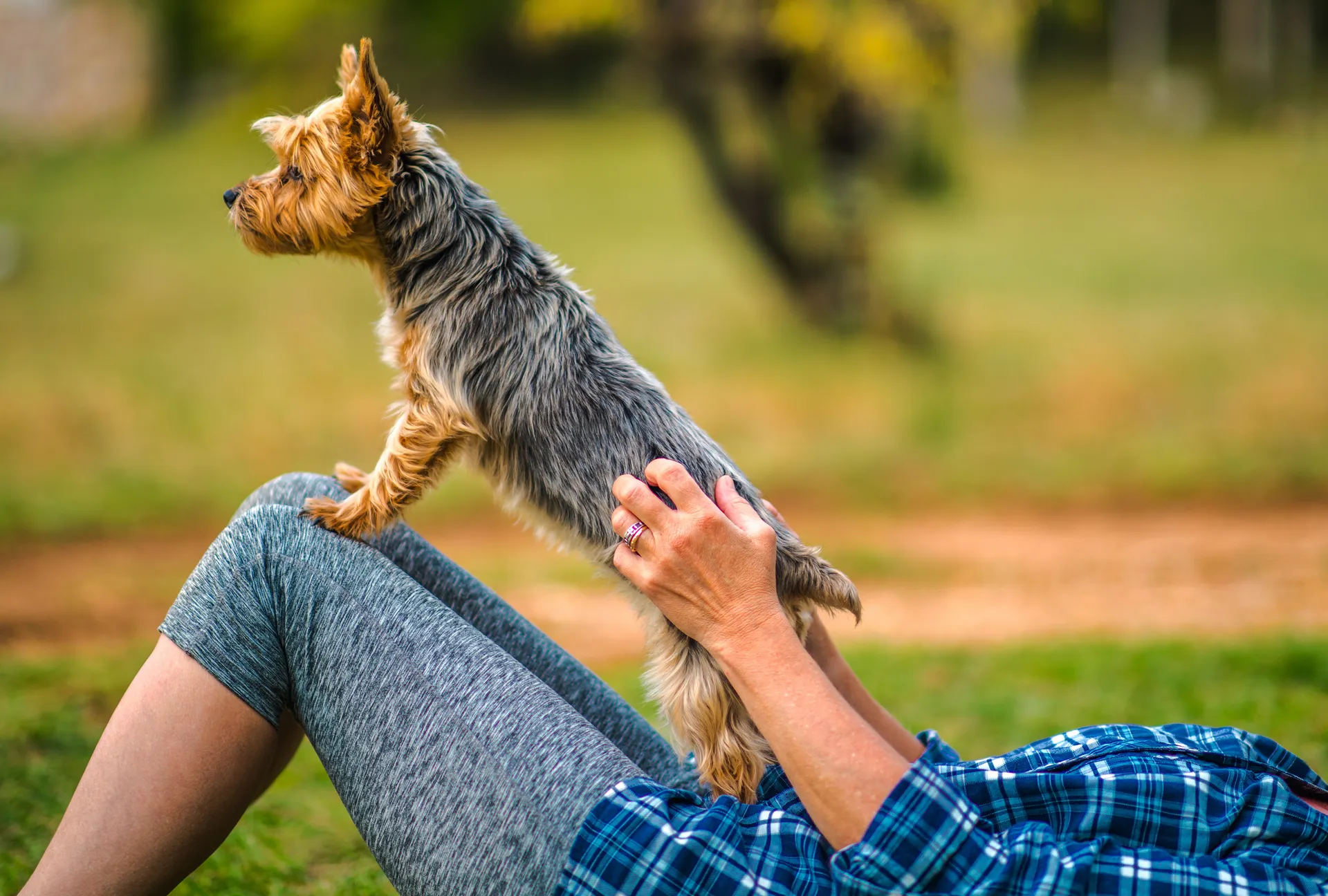 Australian TerrierSmall • Terrier
 Bedlington TerrierSmall • Terrier