American Staffordshire Terrier
By James C. • Updated
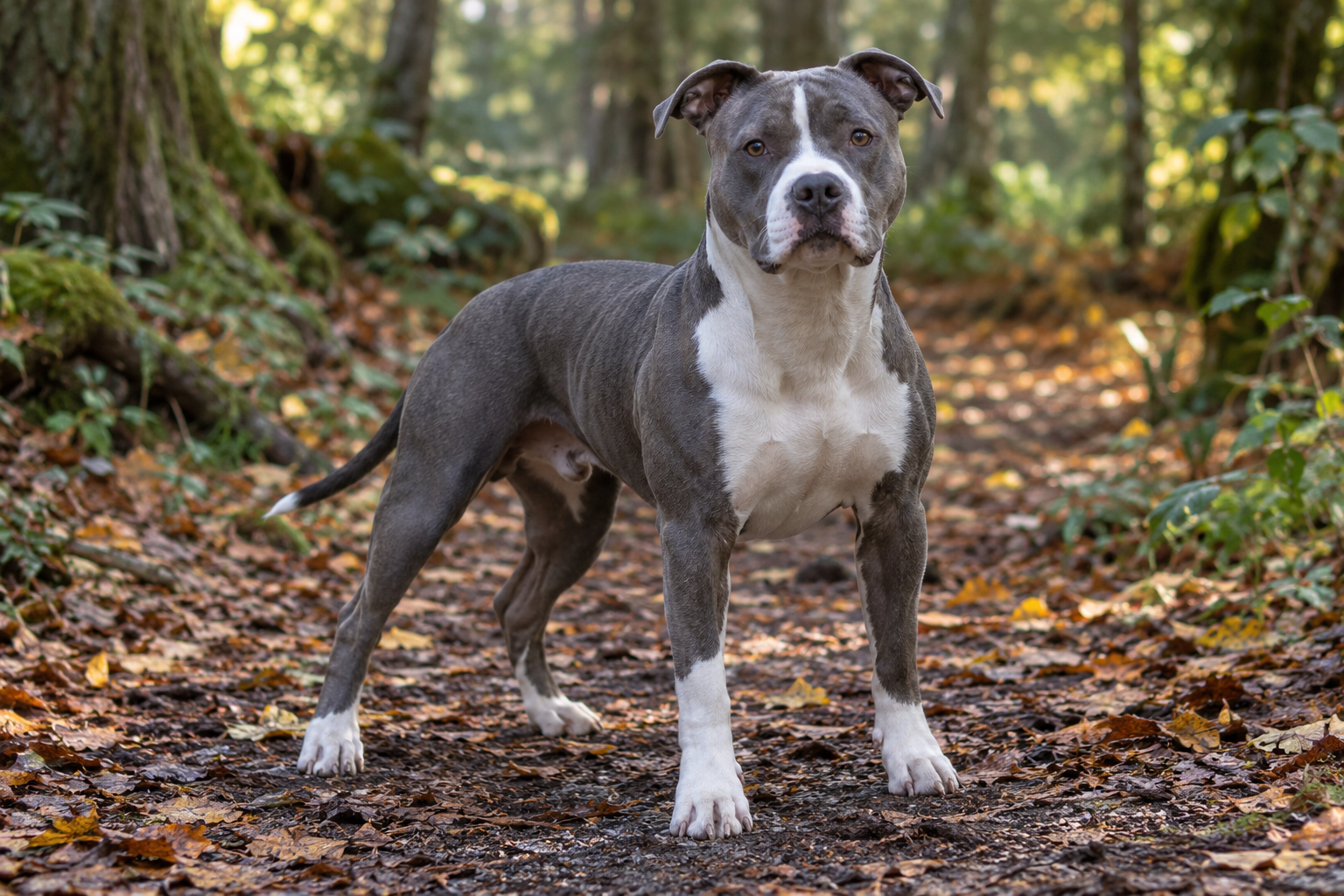
The American Staffordshire Terrier, widely known as the American Staffy or AmStaff, is a muscular, confident terrier developed in the United States from English bull and terrier stock and recognised by Dogs Australia in Group 2 (Terriers). It is a legal breed in Australia and is distinct from the restricted American Pit Bull Terrier. Males stand approximately 46 to 48 cm and females 43 to 46 cm, with a lifespan commonly given as 12 to 14 years. AmStaffs are affectionate and loyal with people but can be intolerant of other animals, so early socialisation and secure handling matter. Registration papers matter more for this breed than most, because in Victoria they can be the owner's proof that the dog is not a restricted breed.
Breed Overview
Life Span
12 - 14 years
Average Price
AUD 2000 - AUD 5000
Weight
Male: 25 - 30 kg Female: 20 - 27 kg
Height
Male: 46 - 48 cm Female: 43 - 46 cm
Life Expectancy
Male/Female: 12 - 14 years
Breed Group
Terrier (Group 2)
Nicknames
American Staffy, AmStaff, Am Staff
Breed Information
The American Staffordshire Terrier, usually called the American Staffy or AmStaff, is a legal, Dogs Australia recognised terrier that is a separate breed from the restricted American Pit Bull Terrier. The two share nineteenth-century bull and terrier ancestry, but the AmStaff has been bred to its own standard for nearly a century. The Dogs Australia breed standard describes a dog keenly alive to its surroundings, whose courage is proverbial.
Because the breed looks similar to pit bull types, its papers matter more than for almost any other breed. Agriculture Victoria states plainly that American Staffordshire Terriers are not restricted breed dogs in Victoria, and that an owner provides evidence a dog is an AmStaff with one of four certificates: a certificate signed by a vet, or a pedigree certificate from the Australian National Kennel Council, one of its member bodies, or a national breed council registered with it. Keep those papers safe for the life of the dog.
The American Staffy is also different from the Staffordshire Bull Terrier, or English Staffy, which is shorter and lighter. Both are people-focused, energetic dogs that need careful handling around other dogs, and both reward an owner who invests in early training.
Characteristics of the American Staffordshire Terrier
The AmStaff rates highly for affection, loyalty and low grooming, and lower for tolerance of other animals and time alone, which shapes almost every ownership decision.
| Trait | Rating | Star Rating | Meaning |
|---|---|---|---|
| Size | Medium | ★★★ | Muscular and heavy for its height, commonly 20 to 30 kg. |
| Adaptability | Moderate | ★★★ | Suits a house with a secure yard better than an apartment. |
| Exercise Needs | High | ★★★★ | At least an hour a day, plus training and play. |
| Easy to Train | Moderate | ★★★ | Eager and food motivated, but strong willed. |
| Amount of Shedding | Low to Moderate | ★★ | Short single coat that sheds lightly all year. |
| Grooming Needs | Very Low | ★ | A weekly brush and occasional bath. |
| Good With Children | Good | ★★★★ | Affectionate with family children, but strong and boisterous. |
| Health | Good | ★★★ | Generally sound, with joints and skin the main concerns. |
| Cost to Keep | Moderate | ★★★ | Low grooming costs, offset by insurance and fencing. |
| Tolerates Being Alone | Low | ★★ | Bonds closely and can become destructive if bored. |
| Intelligence | Good | ★★★★ | Quick to learn when training is short and rewarding. |
History of the American Staffordshire Terrier: From Bull and Terrier Roots to a Recognised Breed
The AmStaff's story starts in England, where Bulldogs and terriers were crossed in the eighteenth and nineteenth centuries to create the bull and terrier dogs used in blood sports. The Dogs Victoria breed history traces the breed to a blend of White English Terriers and Old English Bulldogs, with Staffordshire Terriers reaching America in the early 1850s.
In the United States those dogs became farm dogs, family companions and, regrettably, fighting dogs, and American breeders favoured a taller, heavier type than the English Staffordshire Bull Terrier. The American Kennel Club recognised the breed in 1936 as the Staffordshire Terrier, deliberately separating show and companion lines from the fighting pit bull. The name changed to American Staffordshire Terrier in 1972, to distinguish it from the smaller English breed.
That history explains the confusion today. The AmStaff and the American Pit Bull Terrier come from the same root stock, but the AmStaff has been bred to a closed breed standard for nearly ninety years, with selection for a stable temperament with people. The breed is recognised by Dogs Australia, and in Australia it is the pit bull, not the AmStaff, that sits on restricted breed lists.
Appearance of the American Staffordshire Terrier: Muscular, Stocky, and Agile
Size and Build
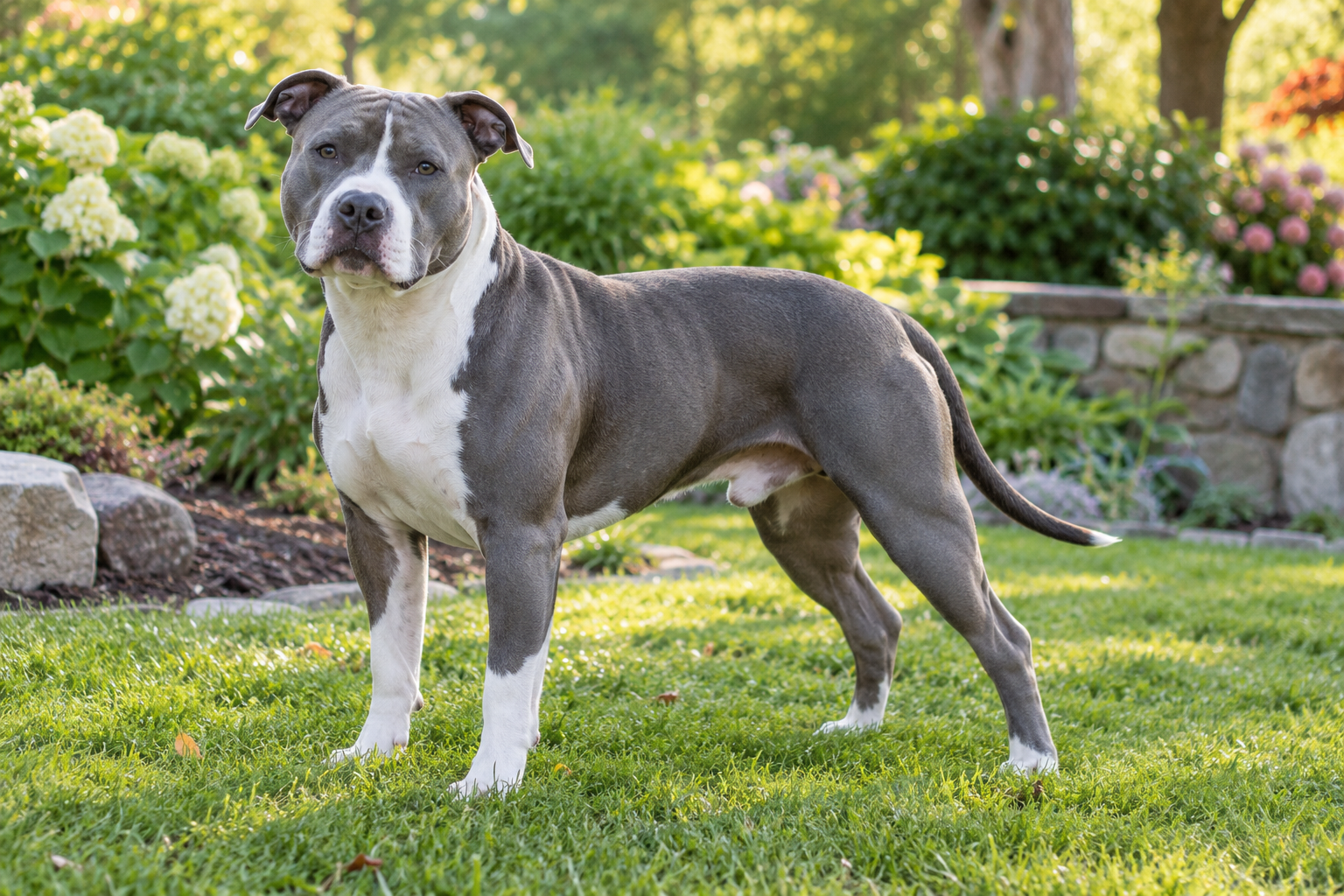
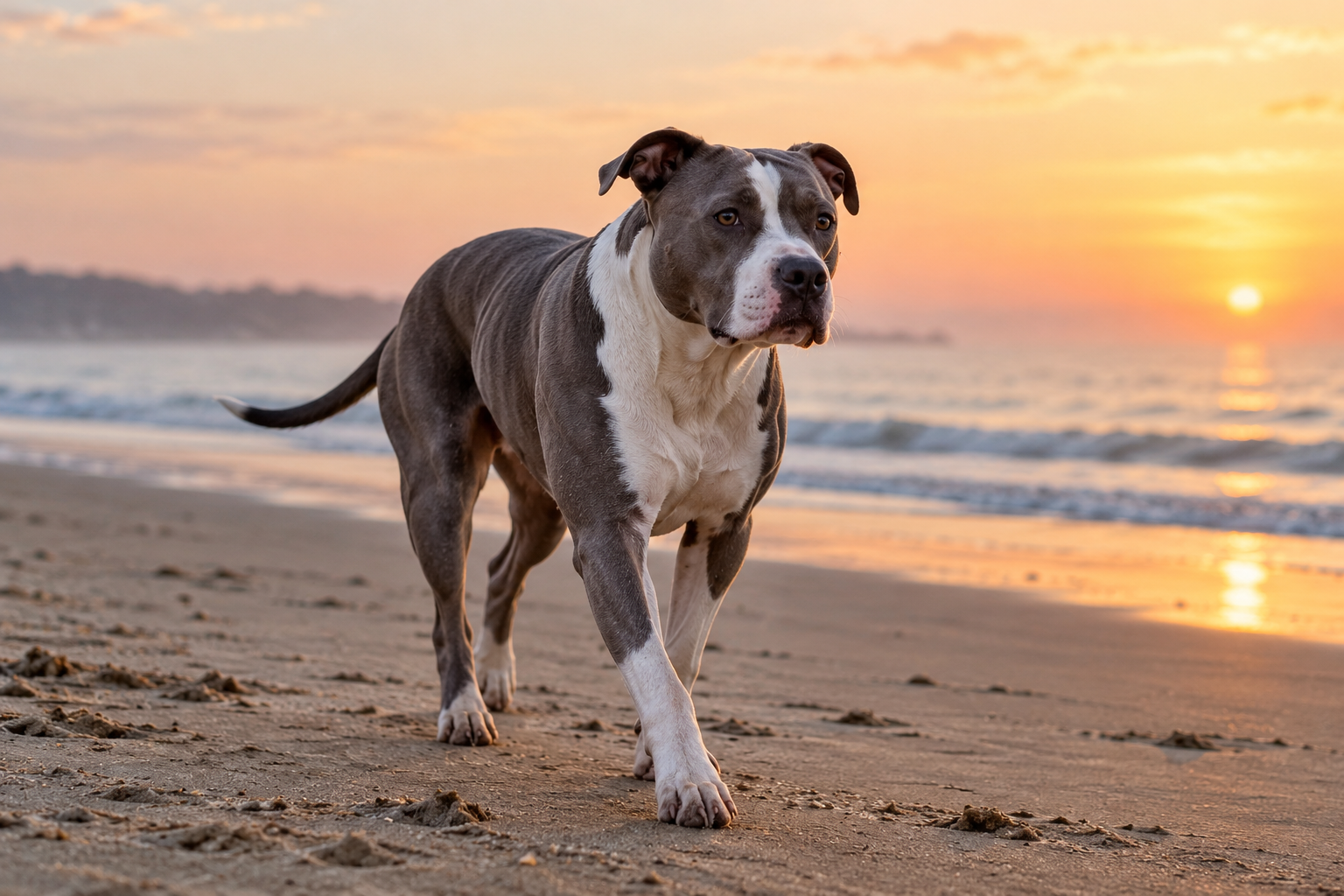
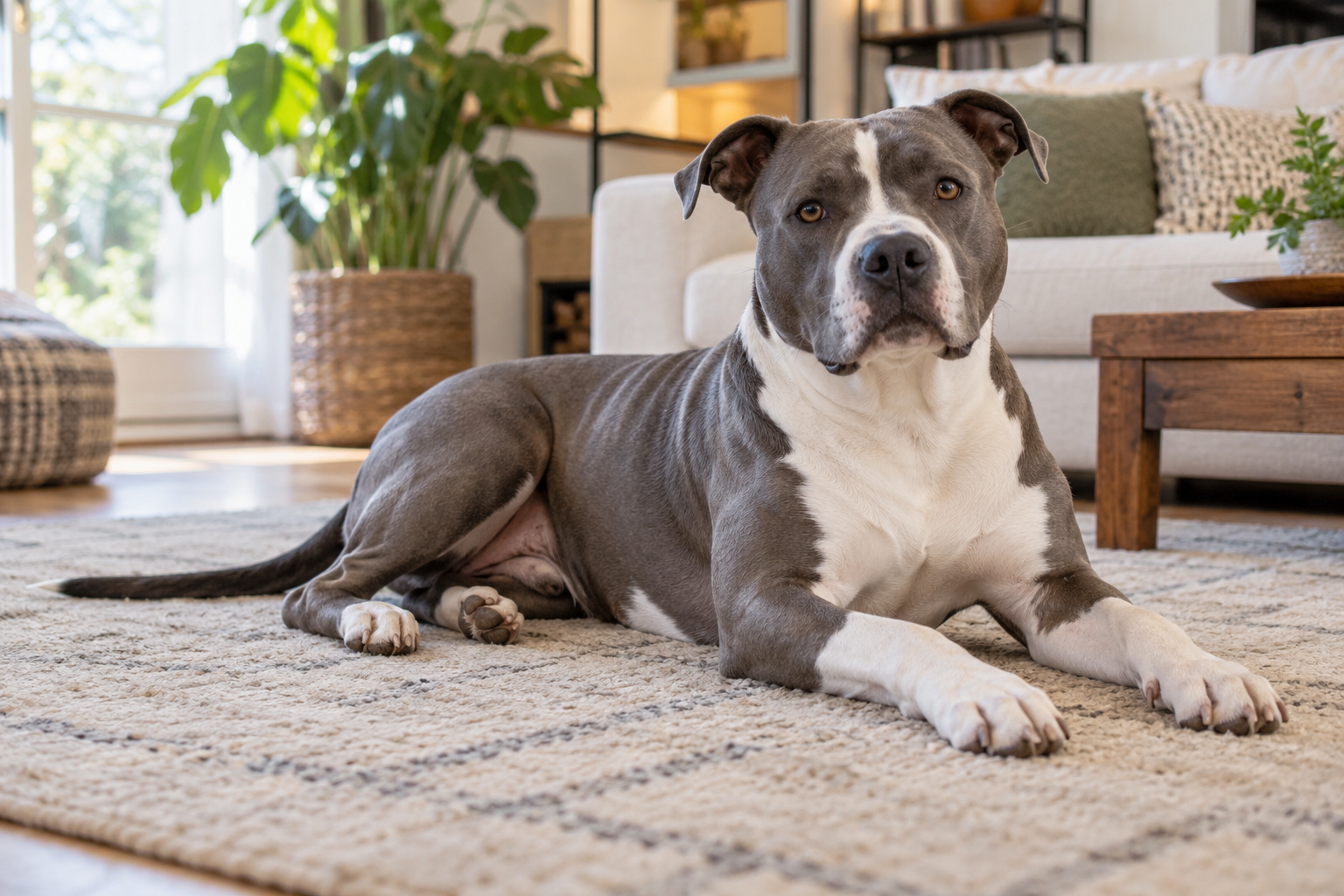
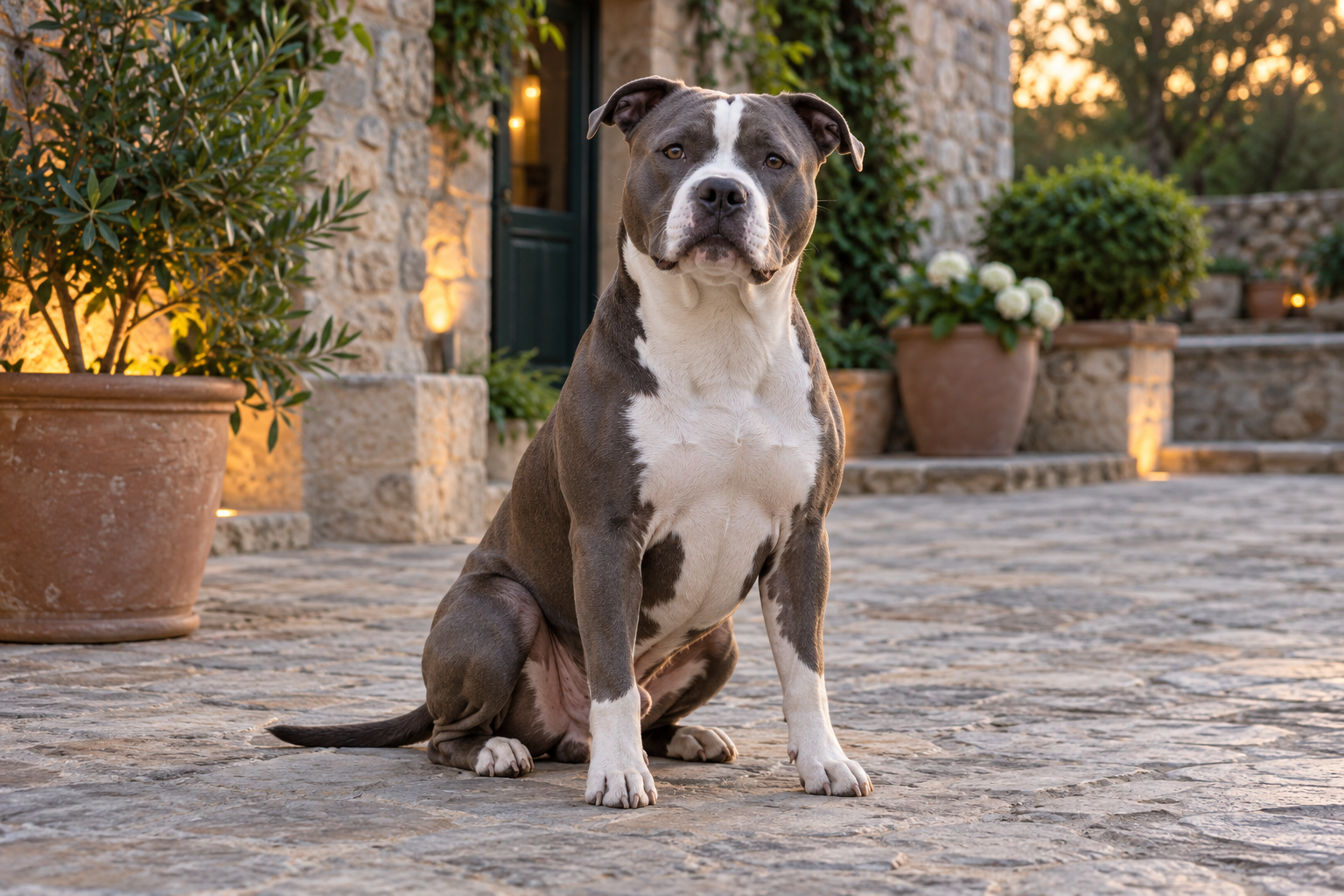
The AmStaff is stocky, muscular and agile, giving an impression of great strength for its size. The Dogs Australia standard gives males approximately 46 to 48 cm and females approximately 43 to 46 cm at the shoulder, and says height and weight should be in proportion. The standard sets no weight, but most adults weigh roughly 20 to 30 kg, with males at the heavier end.
Coat and Colours
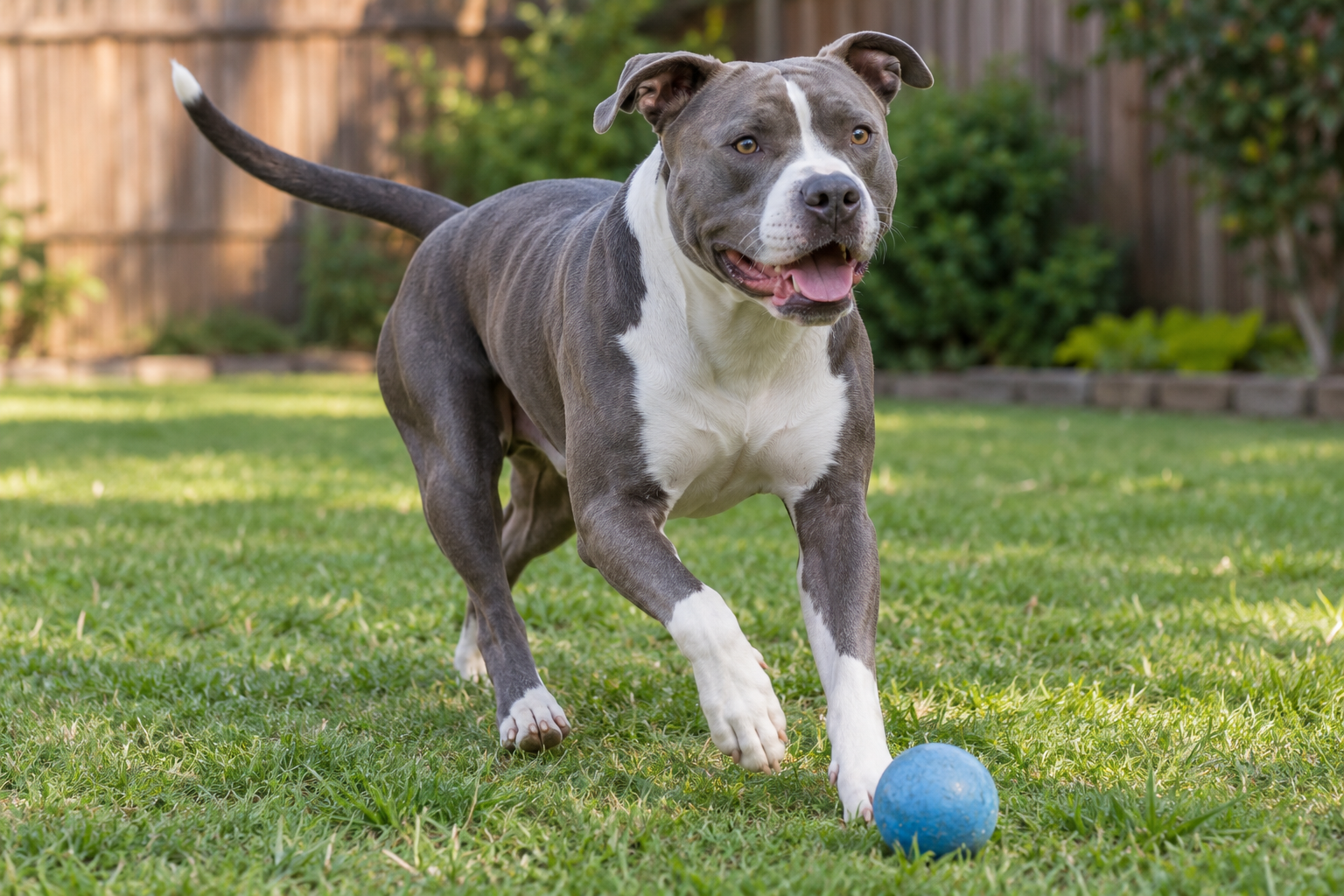
The coat is short, close, stiff to the touch and glossy. Any colour, solid, parti or patched, is permissible, but the standard says all white, more than 80 per cent white, black and tan, and liver are not to be encouraged. Blue is a standard colour, not a premium one. There is some concern that colour dilution alopecia, a hair loss condition linked to the dilute gene, can occur in blue dogs, so a breeder who prices on colour alone deserves extra questions.
American Staffy Versus English Staffy
Searchers often compare the two Staffies, and the differences are real. The table below uses each breed's Dogs Australia standard.
| Feature | American Staffordshire Terrier | Staffordshire Bull Terrier |
|---|---|---|
| Height | Males approx 46 to 48 cm, females approx 43 to 46 cm | 36 to 41 cm for both sexes |
| Weight | Not set, commonly 20 to 30 kg | Males 13 to 17 kg, females 11 to 15.4 kg |
| Origin | United States | England |
| Restricted in Australia | No | No |
Gender Differences
Males are taller, broader through the head and chest, and noticeably stronger on lead. Females are lighter and often easier for less experienced handlers. Same-sex intolerance with other dogs is more common between males, though individual temperament matters more than sex.
Temperament of the American Staffordshire Terrier: Confident, Loyal, and Courageous
Core Personality Traits
AmStaffs are confident, outgoing and courageous, and most are deeply affectionate with their people. Owners describe a clownish, cuddly dog at home that wants to be included in everything. They are also strong and determined, so the same enthusiasm that makes them fun needs steady handling.
Social Behaviour
With people, a well-bred and well-socialised AmStaff is usually friendly and reliable. With other animals, Dogs Victoria notes that some individuals remain aggressive towards other animals and that owners must be able to maintain control. Intolerance of other dogs, particularly of the same sex, is the pattern owners most often meet.
Bonding and Attachment
The breed bonds closely with its household and does not like being left out. A lonely AmStaff can become noisy, anxious or destructive, so plan for company, a walker or day care if the house is empty for long days.
Common Behavioural Challenges
Managing other dogs is the central challenge of AmStaff ownership. Many AmStaffs live happily with a familiar dog, but some will not tolerate unfamiliar dogs, and a strong dog that engages is hard to separate. Pulling on lead, jumping up, chewing in adolescence and prey drive towards cats and small animals are the other common issues. Early training and supervision prevent most problems.
Intelligence and Trainability of the American Staffordshire Terrier: Eager, Capable, and Strong Willed
Intelligence and Learning Ability
AmStaffs are bright and capable, and many do well in obedience, agility, weight pull and trick training. They learn fastest when training feels like a game and is rewarded with food, toys or praise.
Training Approach
Use short, upbeat reward-based sessions and clear, consistent rules. Harsh methods tend to backfire with a tough but sensitive dog. Prioritise loose lead walking and a reliable "leave it" before the dog reaches adult strength, because a 30 kg dog that lunges is a safety problem in public.
Early Socialisation
Early, positive exposure to people, children, handling, traffic and calm adult dogs makes a lasting difference. Socialisation does not mean throwing a puppy into busy dog parks. It means many short, controlled, pleasant experiences that build a confident, relaxed adult.
Potential Training Challenges
Stubbornness, excitement and dog reactivity are the main hurdles. Dogs Victoria advises that the breed should not be walked off lead, and that advice is sensible in public places. Practise recall in fenced areas and choose structured play with known dogs over open dog parks.
American Staffordshire Terrier Family Life: Living with Children, Pets, and Households
Living with Children
Is an American Staffy a good family dog? For an experienced, active family, often yes, with supervision. Many AmStaffs are gentle and patient with their own children. They are also powerful and boisterous, so young children should never be left alone with any dog, and children should be taught to respect the dog's space and food.
Living with Other Pets
An AmStaff raised with a cat may accept that cat, but prey drive makes rabbits, guinea pigs, poultry and outdoor cats vulnerable. Two-dog households work best with an opposite-sex pairing and a calm resident dog. Introduce new dogs slowly and supervise until you are confident.
Household Environment
A house with a securely fenced yard suits the breed best. Fencing should be solid and high enough to prevent climbing or jumping. AmStaffs should live indoors with the family, since they feel both heat and cold and do poorly when isolated outside.
Lifestyle Compatibility
The breed suits experienced, active owners who are home a fair amount and enjoy training. Renters should check their lease and strata by-laws before committing, and it is worth confirming how home and pet insurers treat the breed, since their policies can differ from its legal status.
Health of the American Staffordshire Terrier: Joints, Skin, Cerebellar Ataxia, and Lifespan
Lifespan and Healthy Living
American Staffies typically live 12 to 14 years, the average given by Dogs Victoria. Keeping the dog lean, fit and protected from strong sun supports a long life. Regular vet checks catch skin and joint problems early.
Common Health Conditions
Owners should be aware of several conditions that can be associated with the breed. A breed health summary from the International Partnership for Dogs lists hip and elbow dysplasia and cruciate ligament rupture among the breed's orthopaedic concerns. It is best to discuss any concerns with a veterinarian.
- Hip and elbow dysplasia. Abnormal joint development that can lead to lameness and arthritis.
- Cruciate ligament injury. A common knee injury in muscular, active dogs.
- Allergic skin disease. Itching, redness, paw licking and ear infections from environmental or food allergies.
- Cerebellar ataxia (NCL-A). An inherited neurological disease that causes loss of balance, usually appearing in young adult to middle-aged dogs.
- Congenital heart disease. Heart defects present from birth, which is why responsible breeders heart test.
- Sunburn. A real risk in Australia for white and pied dogs with pink skin.
If your AmStaff is scratching, licking its paws or getting repeated ear infections, recognising the signs of skin irritation in dogs early and seeing a vet saves a lot of discomfort.
Genetic Health Testing
Ask for hip and elbow scores, a heart test and a cerebellar ataxia DNA result for both parents. Dogs Victoria recommends that breeders test parents for hips, elbows, heart and cerebellar ataxia at a minimum. Cerebellar ataxia is recessive, so carriers are healthy but should not be bred to other carriers, and a puppy from at least one clear parent will not be affected.
Preventative Health Care
Keep vaccinations up to date and use year-round flea, worm and heartworm prevention, with paralysis tick protection on the east coast. Keep the dog lean to protect its joints, check the skin weekly, and use dog-safe sunscreen on pink noses and ears in summer.
Caring for the American Staffordshire Terrier: Daily Care and Living Environment
Daily Care Routine
A typical day includes one long walk or two shorter ones, active play, a short training session and plenty of family time. Feed two measured meals. A quick skin, paw and ear check fits easily into the routine.
Living Environment Requirements
Provide secure fencing, a comfortable indoor bed, durable chew toys and a quiet retreat. Do not leave an AmStaff unsupervised with other dogs while you are out until you are sure of the relationship.
Climate Sensitivity
A short single coat over a muscular body means the breed can overheat in summer and feel the cold in winter. Exercise early or late on hot days, provide shade and water, and check the temperatures that are safe for walking a dog before heading out. Pale and blue dogs also need sun protection.
Caring for Senior American Staffordshire Terriers
Older AmStaffs often develop arthritis, especially if they have had joint problems. Keep walks regular but gentler, maintain a lean weight, provide soft bedding and non-slip flooring, and move to six-monthly vet checks from around nine years.
Grooming of the American Staffordshire Terrier: Simple Coat Care and Skin Checks
Coat Maintenance
The short, stiff coat needs only a weekly brush with a rubber mitt or bristle brush to remove loose hair. AmStaffs shed lightly year round and are not hypoallergenic.
Skin Care
Skin care matters more than coat care for this breed. Look for redness, scabs, bald patches, hot spots or lumps during the weekly brush, and watch pale skin for sunburn. Thinning hair on a blue dog is worth raising with a vet.
Ear, Nail, and Dental Care
Dogs Victoria suggests brief grooming every two weeks to clean ears, clip nails and check coat and skin. Brush teeth several times a week to reduce dental disease.
Bathing and Professional Grooming
Bathe every few weeks or when dirty, using a gentle soap-free shampoo. Professional grooming is not required.
Exercise Needs of the American Staffordshire Terrier: Strength, Stamina, and Structure
Daily Exercise Requirements
Adult AmStaffs need at least an hour of exercise a day, mixing brisk walks with active play. They are athletic and energetic, and an under-exercised AmStaff is far more likely to chew, dig and bark.
Activities American Staffies Enjoy
Flirt pole games, tug with rules, fetch, scent work, agility, trick training and on-lead jogging all suit the breed. Many enjoy swimming. Structured activities are a better choice than busy off-lead dog parks.
Exercise by Life Stage
Puppies need short play sessions and gentle walks while joints develop, with no forced running. Adolescents need more exercise and plenty of training. Adults can run and hike in cool weather. Seniors need shorter, gentler outings.
Importance of Mental Stimulation
Puzzle feeders, snuffle mats, scent games and training sessions tire the mind and help on hot days when outdoor exercise must be limited. After walks in tick areas, run your hands over the whole body, since paralysis ticks are easy to find on a short coat.
Feeding the American Staffordshire Terrier: Nutrition and Diet Needs
Nutritional Requirements
A complete and balanced diet for medium, active dogs suits most AmStaffs. Choose a food that meets Australian standards for your dog's life stage, and talk to your vet if itchy skin suggests a food sensitivity.
Feeding by Life Stage
Feed puppies three to four meals a day until around four months, then three meals until six months, then two meals a day for life. Move to adult food at around 12 months.
Portion Control and Weight Management
AmStaffs gain weight easily and extra kilograms strain their joints. You should feel the ribs easily and see a waist. Weigh meals, count treats and adjust portions to body shape rather than the bag guide.
Foods to Avoid
Avoid grapes, sultanas, chocolate, onion, garlic, macadamias, cooked bones and anything containing xylitol. A vet-guided elimination diet is the right way to investigate suspected food allergy.
American Staffordshire Terrier Price in Australia: Purchase Cost and Ongoing Expenses
Puppy Purchase Price
A registered American Staffordshire Terrier puppy typically costs $2,000 to $5,000 in Australia. That is the range in the Dogz Online AmStaff cost guide, which notes that pedigree, breeder practices and registration all affect price. Supply is limited, and on 17 October 2026 Dogz Online showed just one AmStaff litter, without a stated price.
A cheap, unpapered "American Staffy" carries legal risk as well as health risk. Without a pedigree certificate or vet certificate, an owner may struggle to prove the dog is an AmStaff if a council officer assesses it against a restricted breed standard. Understanding the risks of buying a puppy without papers is especially important with this breed.
Initial Setup Costs
RSPCA NSW estimates first-year costs including $60 to $80 for microchipping, $280 to $420 for puppy vaccinations, $350 to $650 for desexing, $100 to $200 for a bed, $40 to $100 for a collar, lead or harness and about $170 for puppy school. Budget separately for secure fencing if your yard is not already dog proof.
Ongoing Monthly Costs
| Cost | Typical figure (AUD) | Source |
|---|---|---|
| Food and bowls | Around $600 per year, more for a larger dog or premium food | RSPCA NSW |
| Flea and worming treatment | $200 to $250 per year | RSPCA NSW |
| Annual vaccination and vet check | From $140 per year | RSPCA NSW |
| Pet insurance | Around $1,693 (medium dog) to $1,834 (large dog) per year | Canstar, 2026 |
| Professional grooming | Nil | n/a |
Canstar's 2026 accident and illness averages sit at around $1,693 a year for a medium dog and $1,834 for a large dog. Check exactly what pet insurance covers before you buy, including hereditary conditions such as hip dysplasia and cruciate injury.
Long-Term Financial Commitment
Over 12 to 14 years, the AmStaff is a moderate-cost dog. Dog-owning households spend about $2,520 a year on average, according to the Animal Medicines Australia 2025 pet ownership survey. Orthopaedic surgery and chronic skin treatment are the costs most likely to push an AmStaff above that average.
Buying Advice for an American Staffordshire Terrier: Choosing a Healthy Puppy
Choosing a Responsible Breeder
Buy only from a breeder registered with a Dogs Australia state body who supplies limited or main register papers. For this breed, those papers are both a pedigree and a legal safeguard. Good breeders health test, ask about your home and experience, and stay in touch for the life of the dog. Prepare your questions to ask a dog breeder before you visit.
Health Checks Before Purchase
Meet the mother, and the father if possible, and watch how they respond to visitors. Look for clean skin, clear eyes, clean ears and sound movement in the puppy. Ask for vet check, vaccination, worming and microchip records and make sure the microchip matches the paperwork.
Questions to Ask the Breeder
- Which Dogs Australia state body are you registered with, and what is your member number?
- Will the puppy come with a pedigree certificate, and on which register?
- Can I see hip and elbow scores, heart test results and cerebellar ataxia DNA results for both parents?
- How do the parents behave with other dogs and with visitors?
- Have either parent or previous litters had skin allergies?
- Do you price puppies differently by colour?
- Will you take the dog back at any stage if I cannot keep it?
Considering Adoption
AmStaffs and AmStaff crosses do appear in Australian rescue. Adopting an adult lets you see its temperament with dogs, cats and children before you commit. If you adopt a dog without papers, ask the rescue or your vet about documentation of breed, and check your council's requirements, particularly in Victoria.
Is the American Staffordshire Terrier Right for You? A Devoted Dog for Committed Owners
Lifestyle Compatibility
The AmStaff suits active, experienced owners who want an affectionate, low-grooming companion.
It is less suited to first-time owners, long hours alone or homes that rely on off-lead dog parks.
Time and Care Commitment
Expect at least an hour of exercise a day, ongoing training and close company for 12 to 14 years.
Grooming and Health Awareness
Grooming is minimal, but joints and skin need watching, and insurance taken early is sensible.
Keep the pedigree or vet certificate somewhere safe.
Ideal Owner Profile
The ideal owner is confident, consistent and calm, enjoys training, and manages introductions with other dogs carefully.
Find American Staffordshire Terrier Puppies for Sale
If the breed suits you, browse puppies for sale on Pups4Sale and shortlist registered breeders who supply papers and health test results.
Frequently Asked Questions
Related Breeds
Other terrier breeds on Pups4Sale.
 Australian TerrierSmall • Terrier
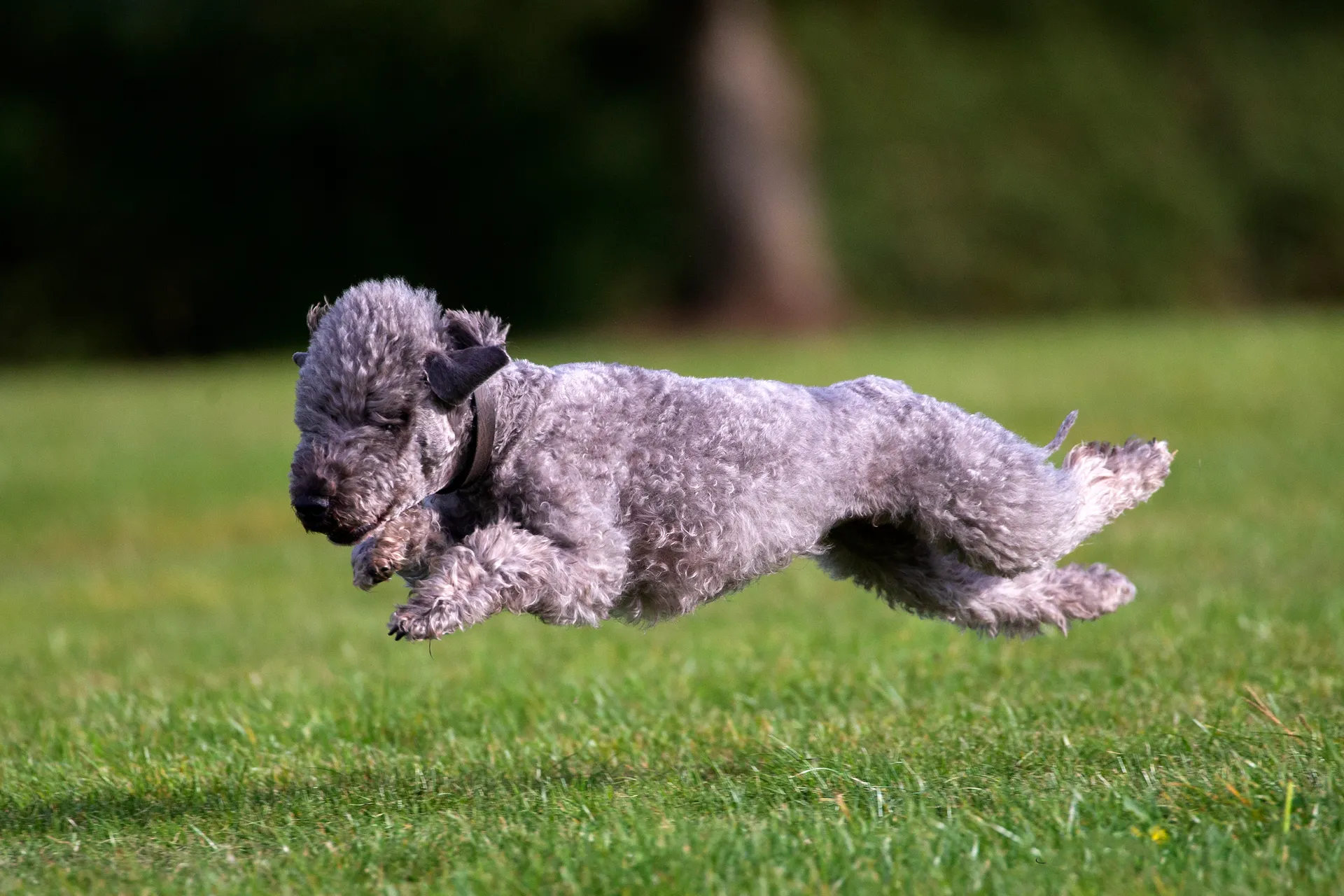 Bedlington TerrierSmall • Terrier
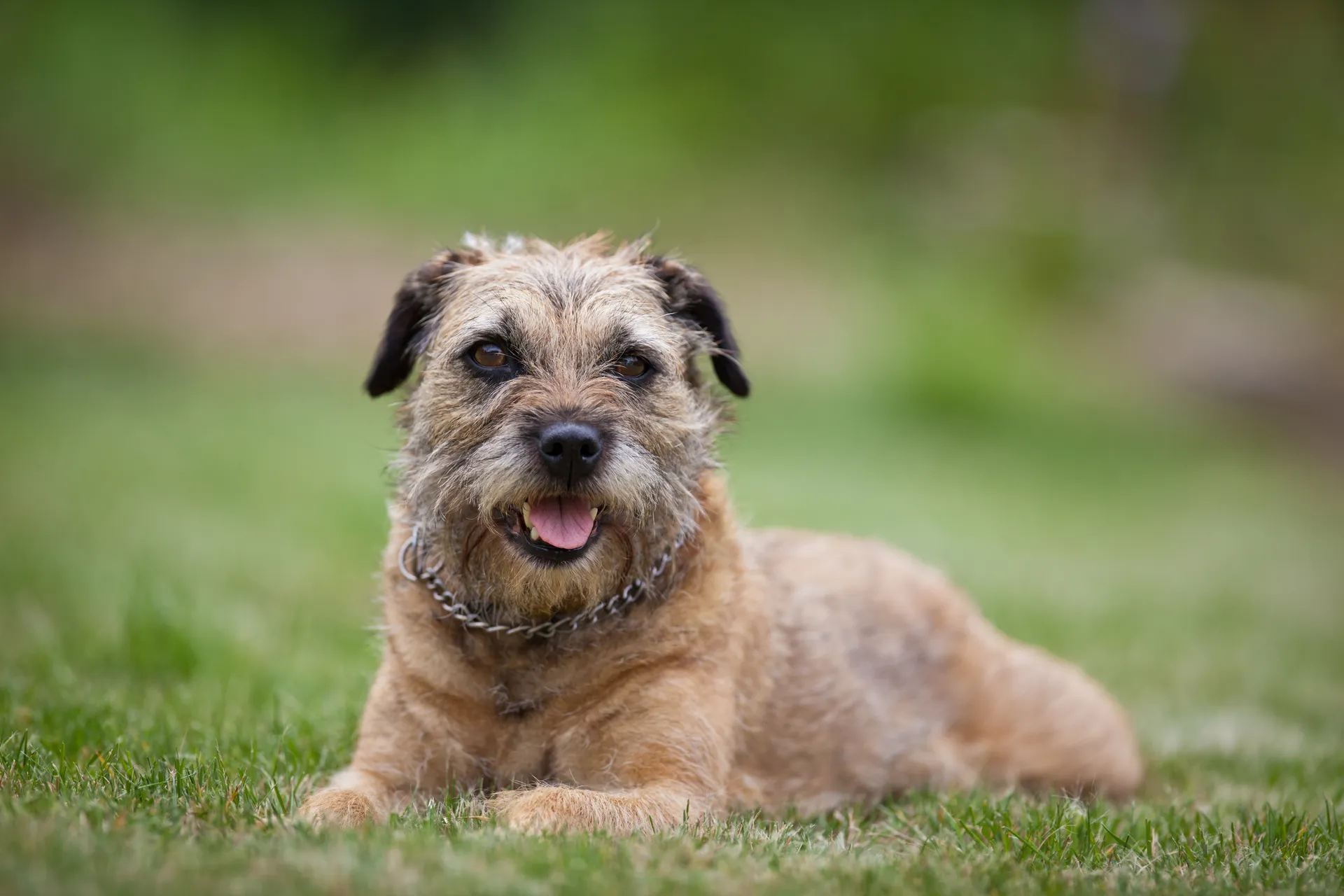 Border TerrierSmall • Terrier
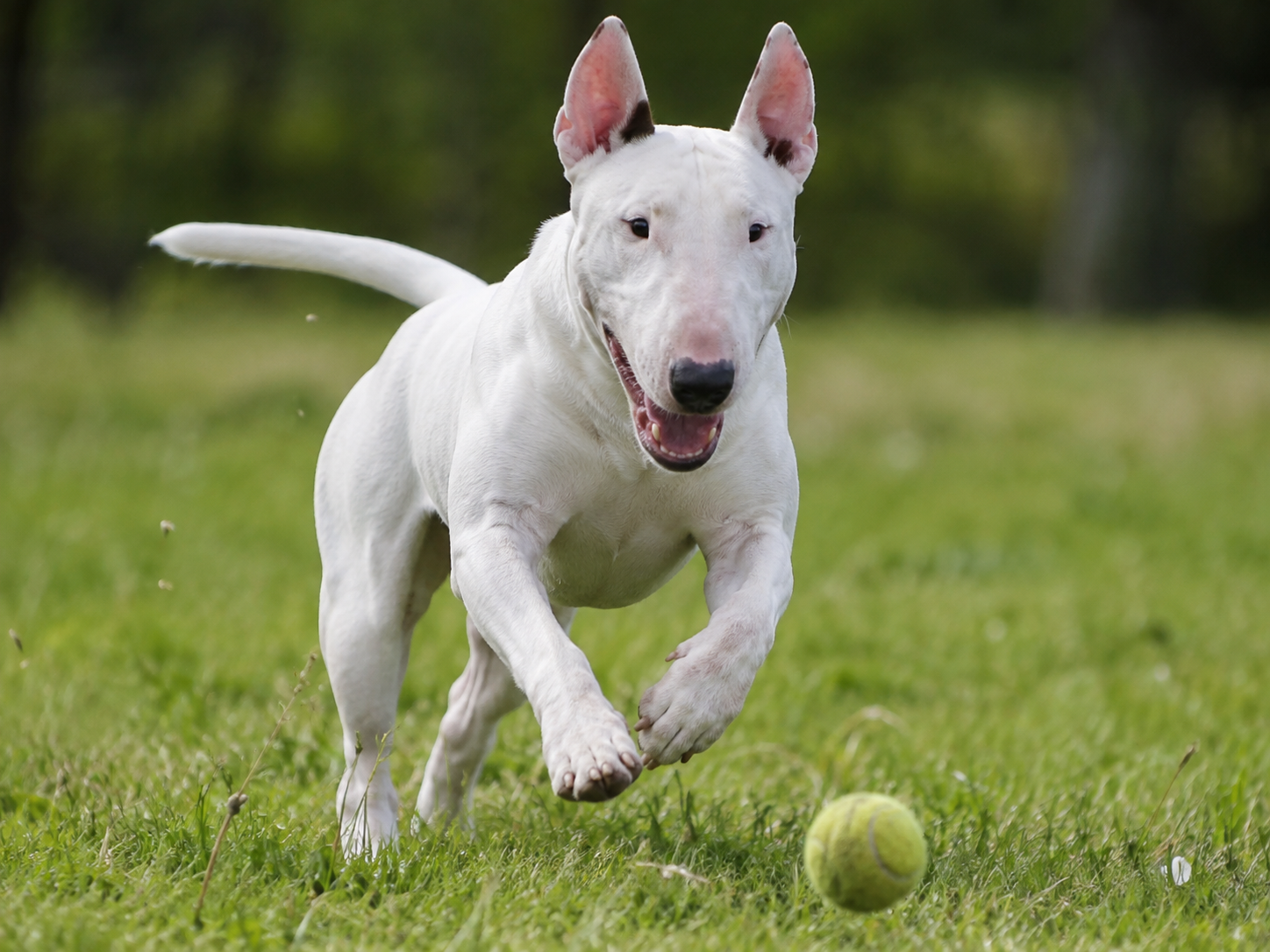 Bull TerrierMedium • Terrier
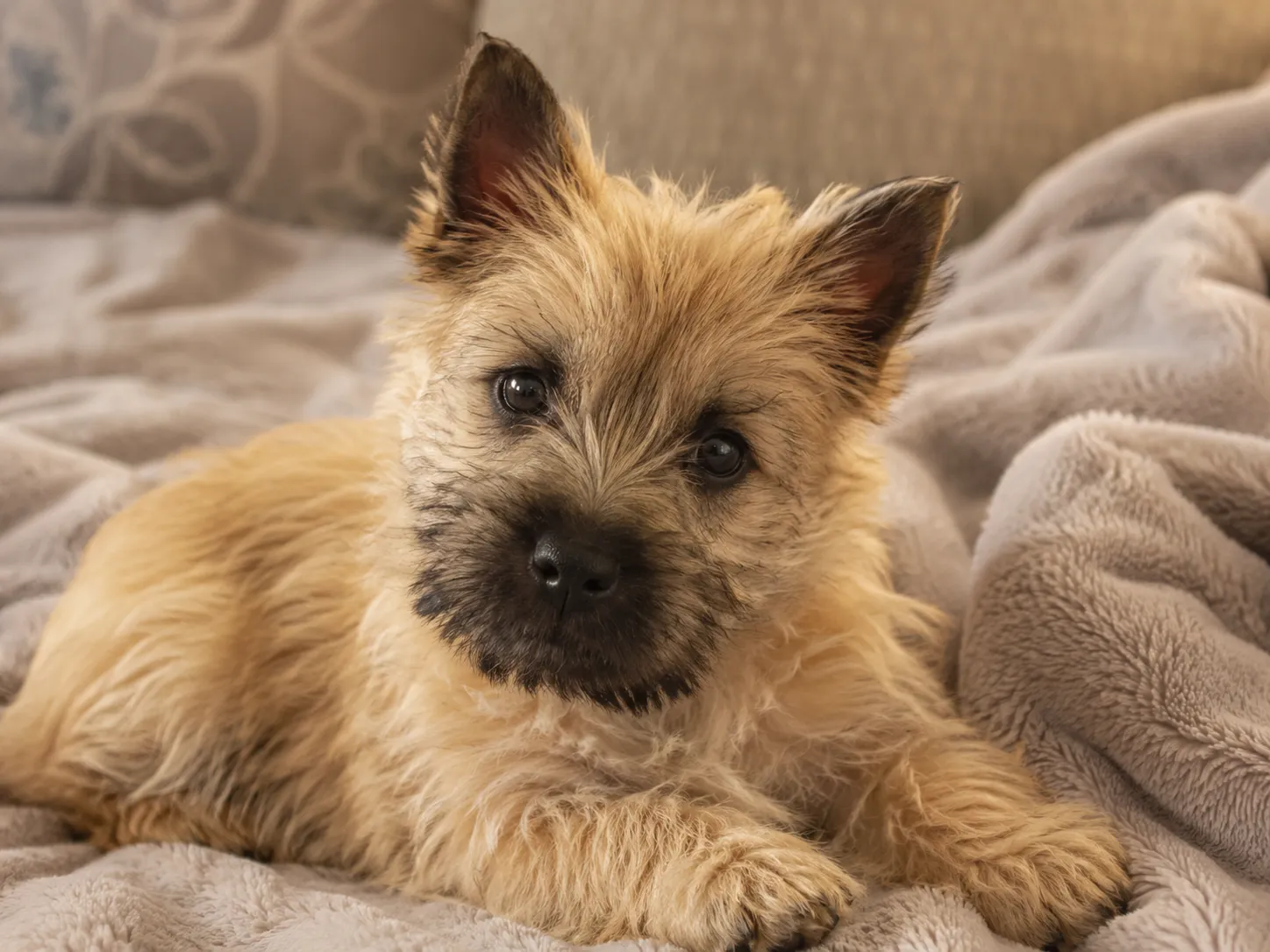 Cairn TerrierSmall • Terrier
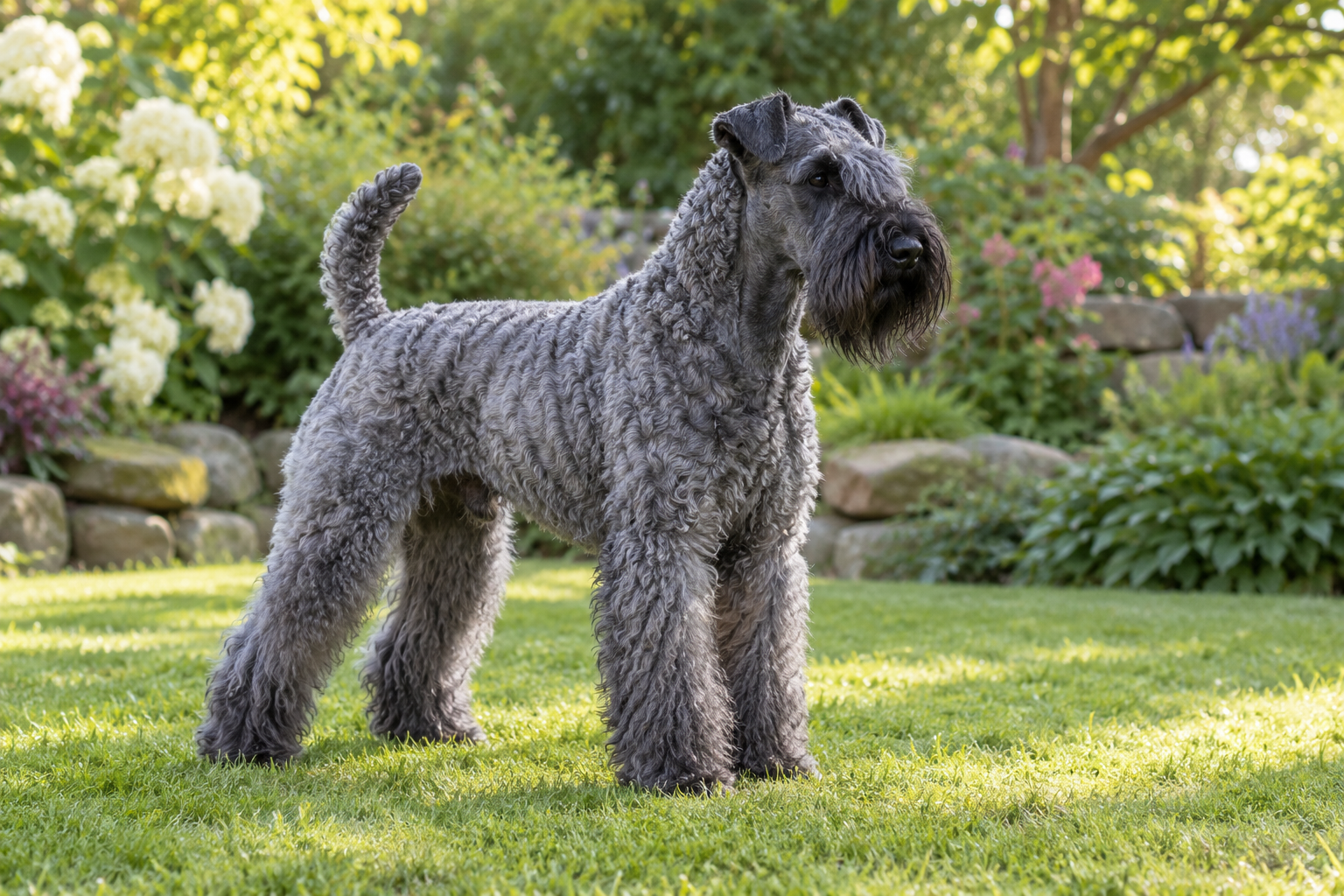 Kerry Blue TerrierMedium • Terriers (Group 2)