Kerry Blue Terrier
By James C. • Updated
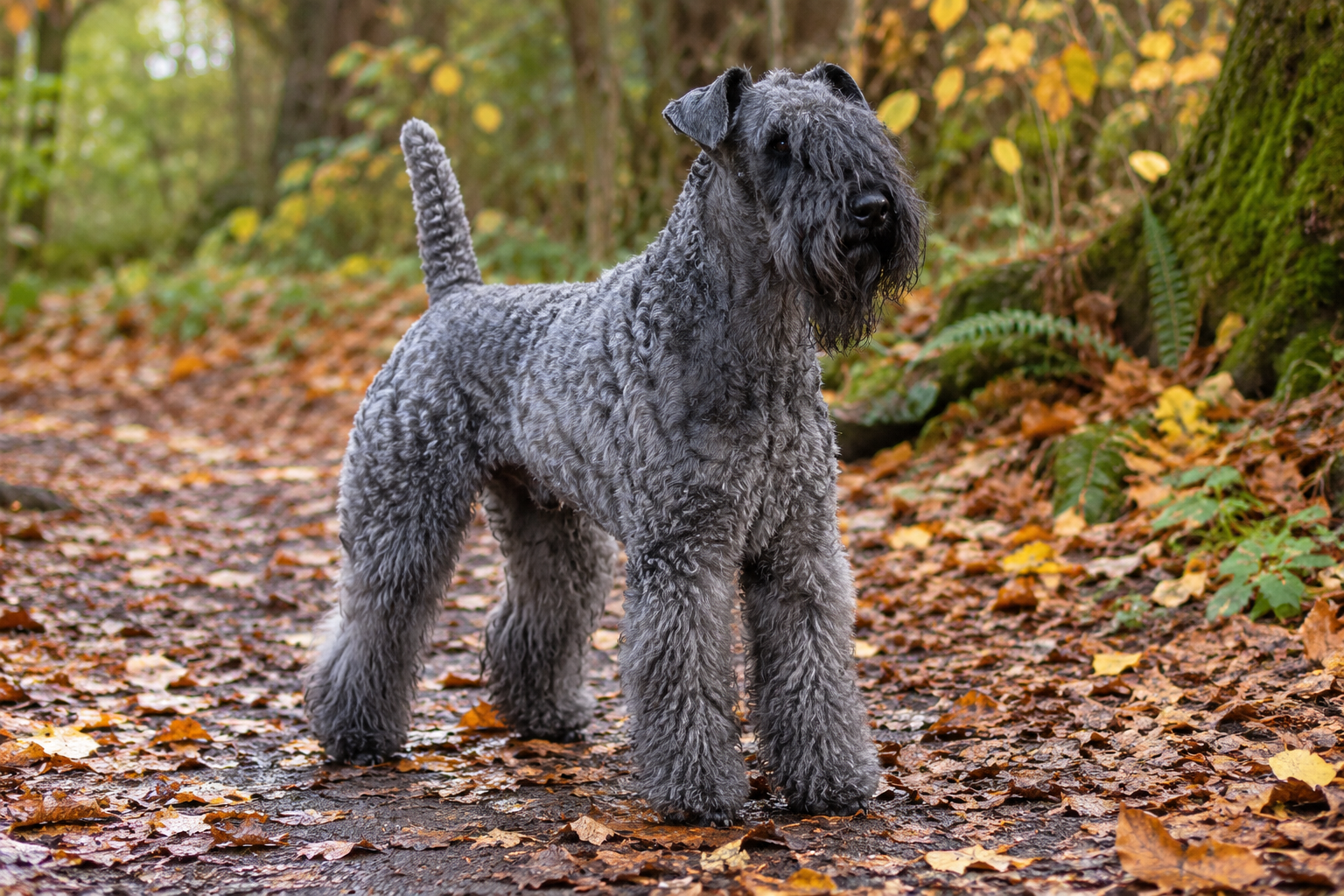
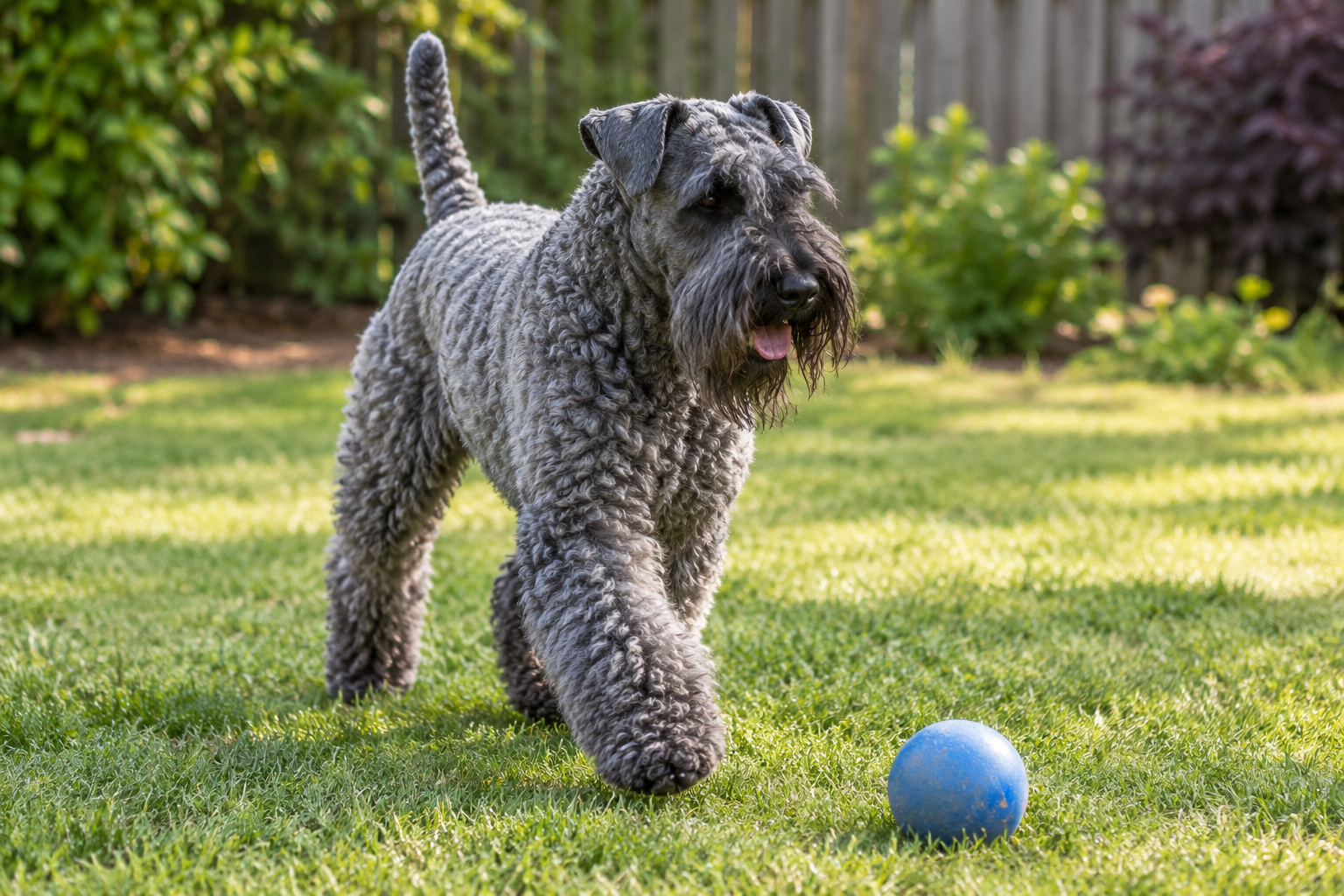
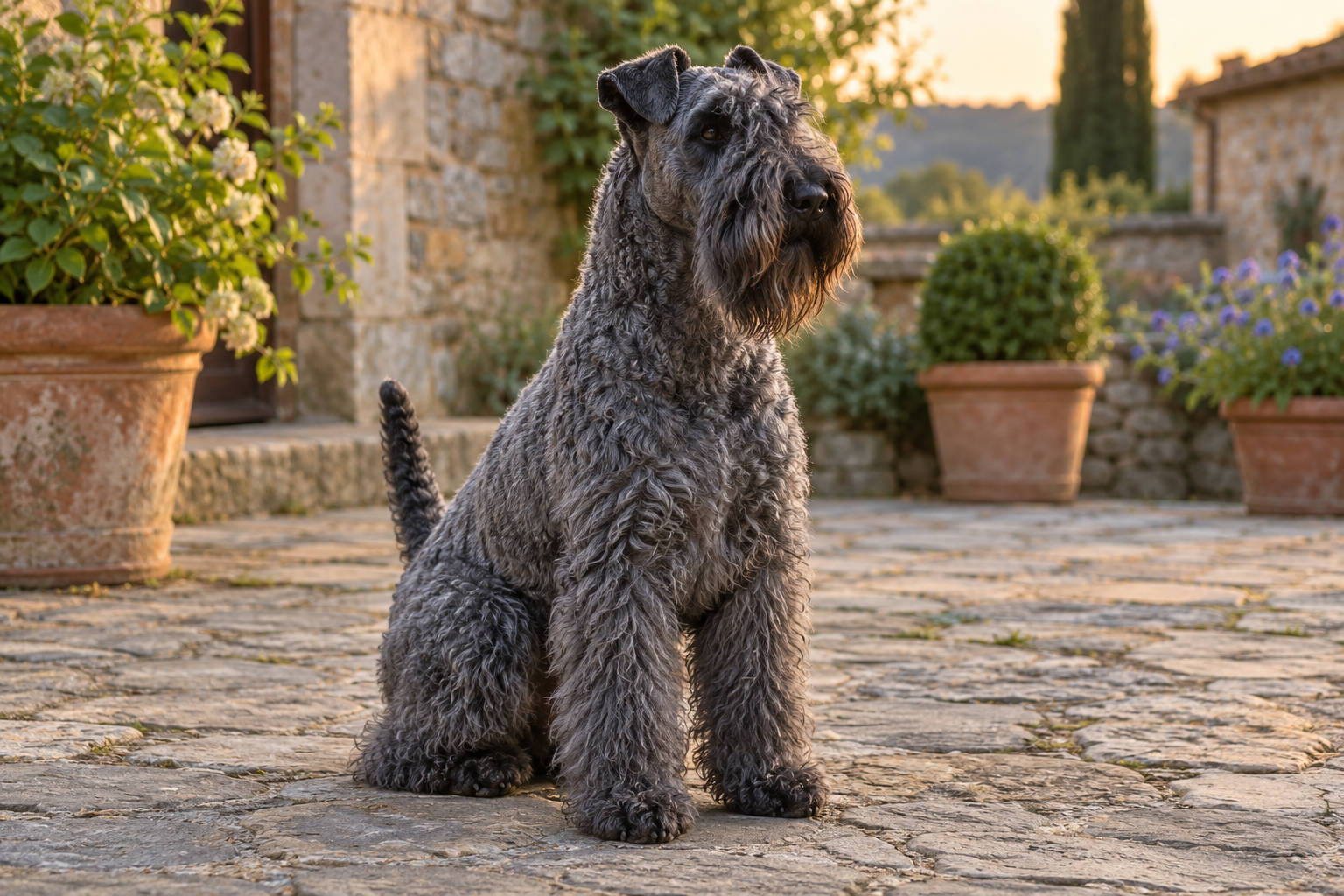
The Kerry Blue Terrier is a medium-sized, soft-coated Irish terrier from County Kerry, originally an all-purpose farm dog that herded stock, hunted vermin and guarded the house. Puppies are born black and the coat gradually clears to a shade of blue-grey, usually by about 18 months. The coat is soft, wavy and low shedding, but it needs regular brushing and clipping. Dogs stand 46 to 48 cm and weigh 15 to 17 kg under the breed standard, with bitches a little smaller, and most live 12 to 15 years. It is loyal, playful and alert with its family, can be assertive with other dogs, and is rare in Australia.
Breed Overview
Life Span
12 - 15 years
Average Price
AUD 3500 - AUD 5000
Weight
Male: 15 - 17 kg Female: 14 - 16 kg
Height
Male: 46 - 48 cm Female: 44 - 47 cm
Life Expectancy
Male/Female: 12 - 15 years
Breed Group
Terriers (Group 2)
Nicknames
Kerry Blue, Kerry, Irish Blue Terrier
Breed Information
The Kerry Blue Terrier is a medium-sized, soft-coated Irish terrier from County Kerry, born black and clearing to a distinctive blue-grey as it matures. It began as an all-round farm dog and is now a loyal, spirited family companion with a strong watchdog streak. Its low-shedding coat appeals to many buyers, but it comes with a real grooming commitment.
The breed is recognised by Dogs Australia in Group 2, Terriers. It is genuinely rare here. Dogz Online listed nine Kerry Blue breeders and two litters on 18 October 2026, and the Dogs Victoria Kerry Blue Terrier page showed no breeders advertising at the time, so buyers should expect a wait.
A common question is whether the Kerry Blue is a type of Schnauzer. It is not. The two breeds come from different countries and working backgrounds, and the resemblance mainly comes from the clip, since many pet Kerry Blues are trimmed with a similar beard and eyebrows. Underneath, the Kerry has a soft, wavy coat rather than the Schnauzer's harsh wire.
Characteristics of the Kerry Blue Terrier
The Kerry Blue Terrier rates highly for loyalty, alertness and grooming needs, and lower for ease with other dogs, so it suits owners who want an engaged terrier and are happy to groom.
| Trait | Rating | Star Rating | Meaning |
|---|---|---|---|
| Size | Medium | ★★★ | About 14 to 17 kg, sturdy and muscular. |
| Adaptability | Moderate | ★★★ | Copes with a smaller home if well exercised. |
| Exercise Needs | Moderate | ★★★ | About 40 minutes to an hour of activity daily. |
| Easy to Train | Moderate | ★★★ | Clever and quick, but independent and strong willed. |
| Amount of Shedding | Low | ★ | Very little hair is dropped around the house. |
| Grooming Needs | High | ★★★★★ | Regular brushing plus clipping every six to eight weeks. |
| Good With Children | Good | ★★★★ | Playful and devoted with its own family's children. |
| Health | Good | ★★★★ | Few common problems, with some inherited conditions to screen for. |
| Cost to Keep | Moderate to High | ★★★★ | Professional grooming adds a steady ongoing cost. |
| Tolerates Being Alone | Moderate | ★★★ | Copes with support, but bored dogs dig and chew. |
| Intelligence | High | ★★★★ | Quick to learn and quick to find loopholes. |
History of the Kerry Blue Terrier: Ireland's All-Purpose Farm Terrier
The Kerry Blue developed in the mountains of County Kerry in south-west Ireland as a working farm dog. According to the DOGS NSW breed history, it is one of nine native Irish breeds and was used to herd horses, cattle and sheep, hunt vermin and guard the house at night. That mix of jobs produced a tough, adaptable and very alert dog.
Breed folklore also links the Kerry's coat colours to poaching, with lighter and darker dogs supposedly chosen for moonlit and dark nights when tenant farmers were barred from keeping hunting dogs. Stories like this are hard to verify, but they reflect the breed's reputation as a resourceful, all-weather worker.
In the early twentieth century the Kerry moved from farms into the show ring and became closely associated with Irish identity, often described as Ireland's national terrier. Today it is mainly a companion and show dog, and Australian numbers remain small, with only a handful of breeders keeping the breed going.
Appearance of the Kerry Blue Terrier: Blue, Wavy and Muscular
Size and Build
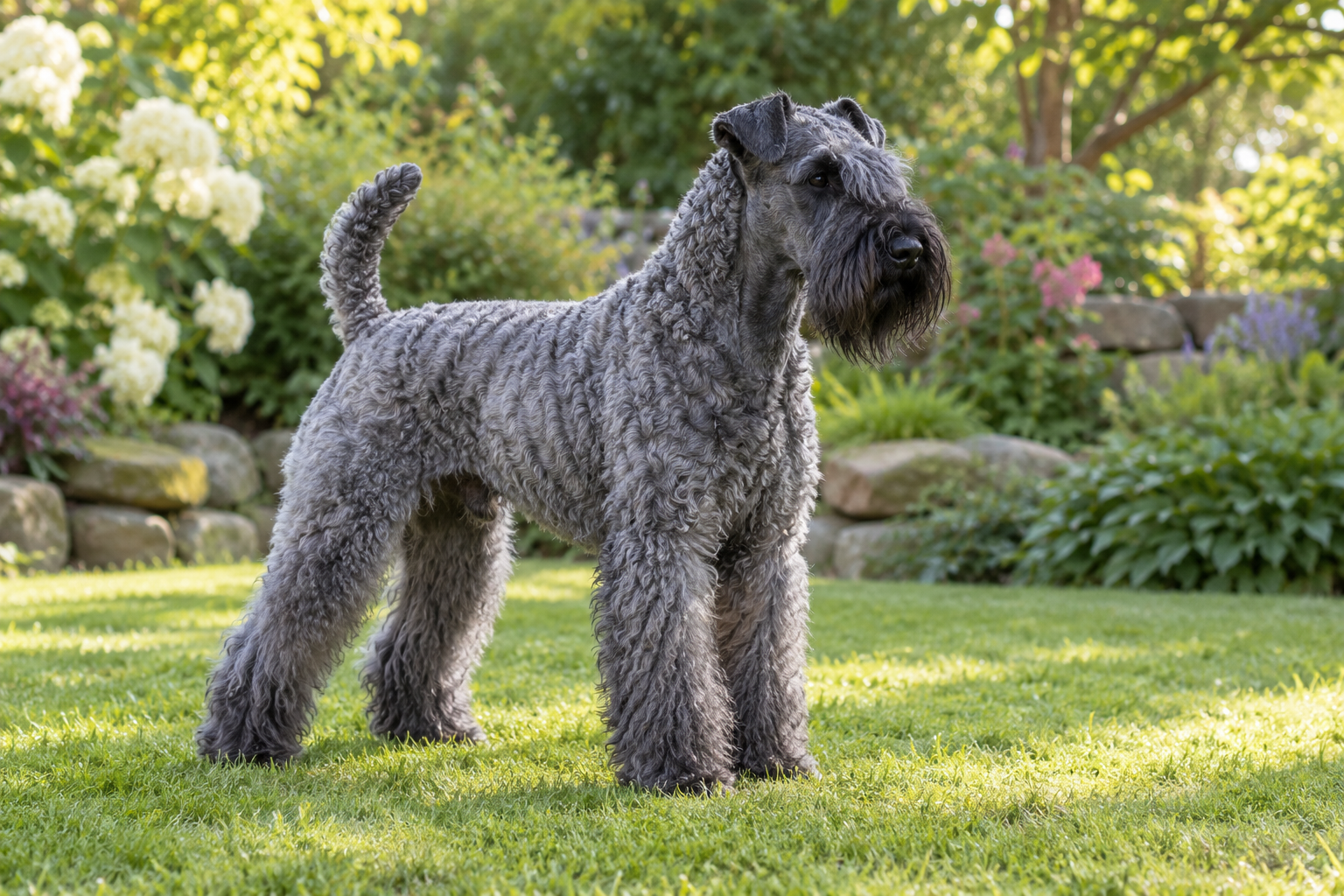
The breed standard gives mature dogs a height of 46 to 48 cm and a weight of 15 to 17 kg, with bitches proportionately smaller. It is among the largest of the terriers recognised by the American Kennel Club. The build is compact, muscular and well balanced, with the substance of a working dog rather than a lightweight terrier.
Coat and Colours
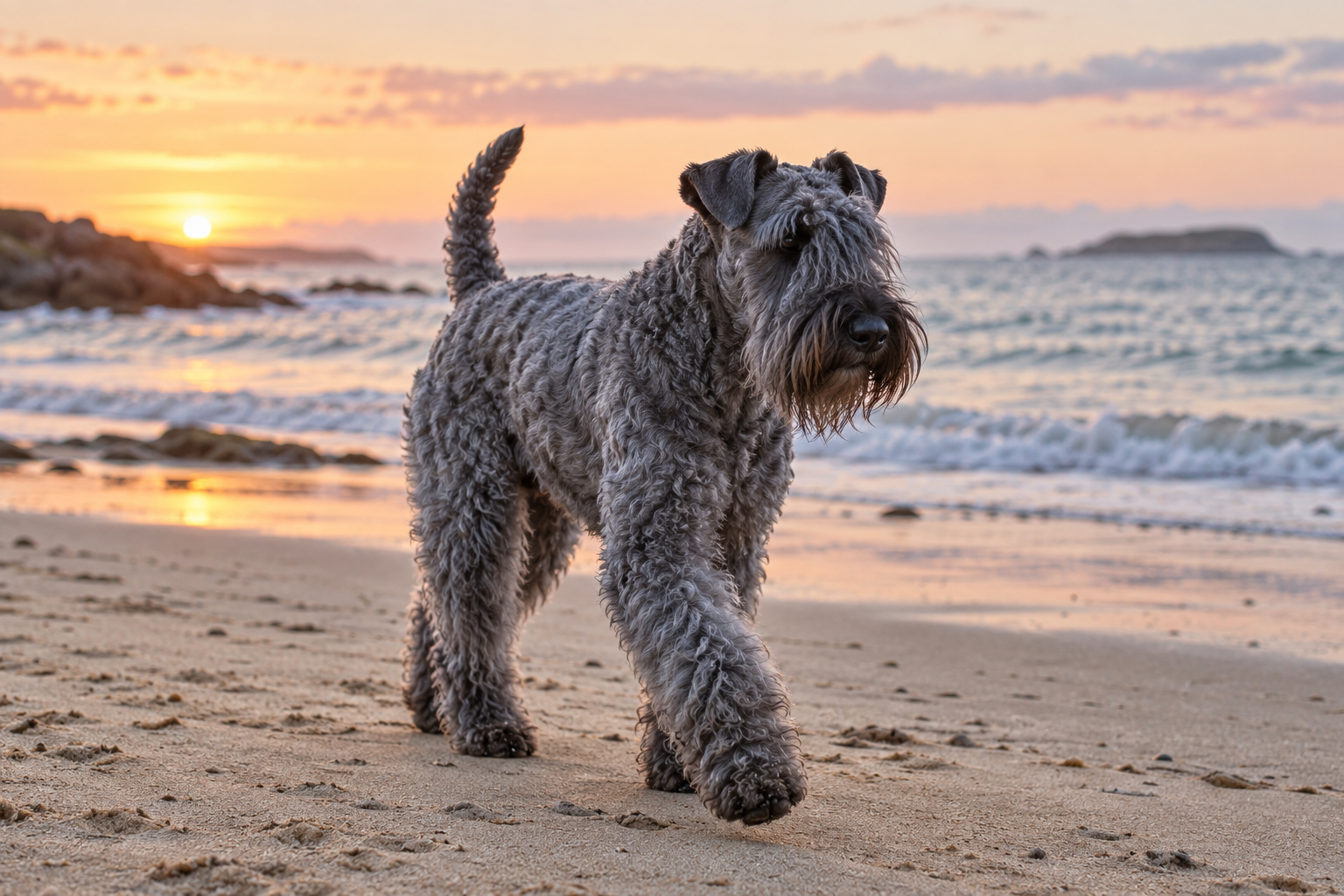
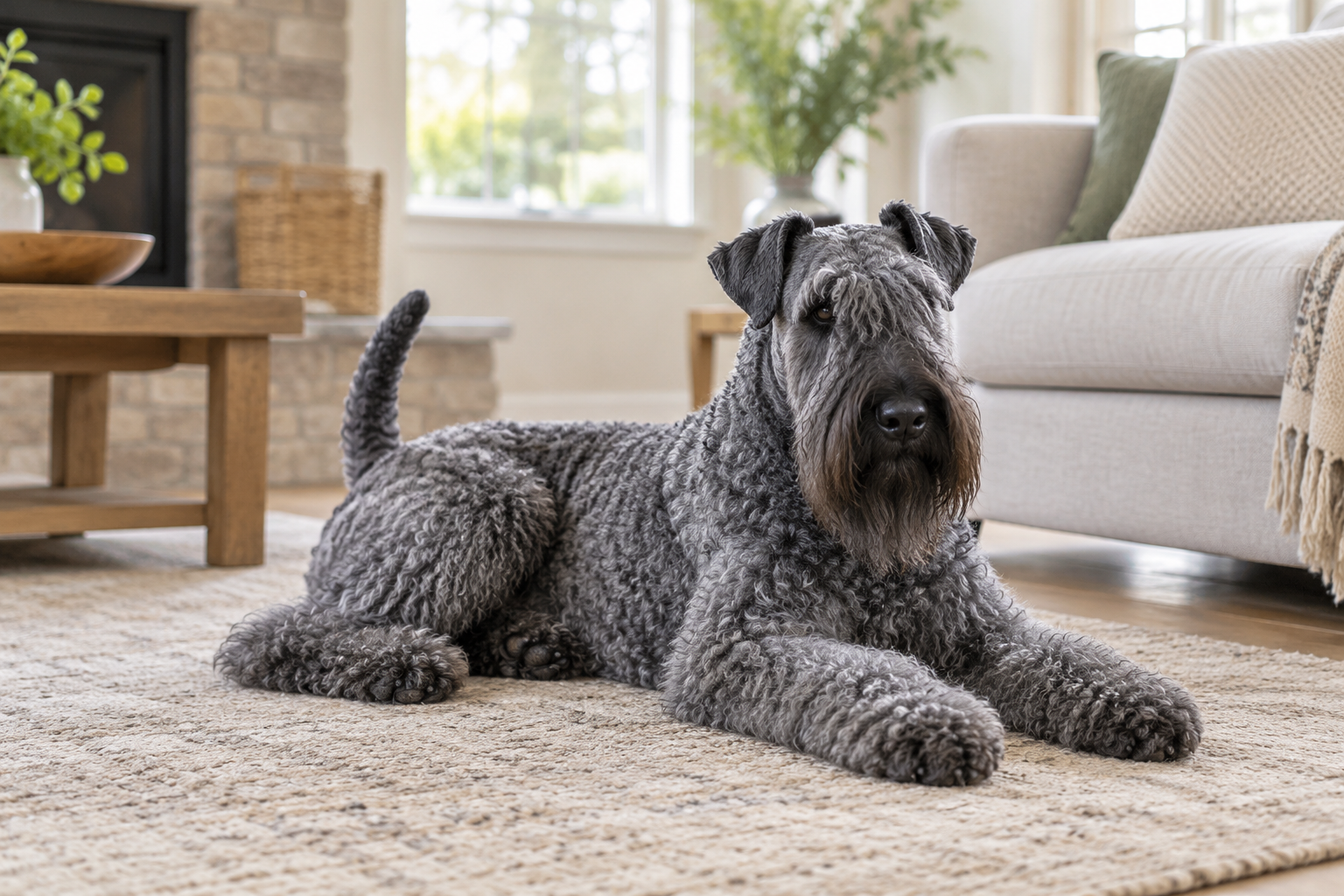
Kerry Blue puppies are born black, and the coat gradually clears to blue. The standard accepts any shade of blue, from pale silver to dark slate, with or without black points, and dark colouring is permitted up to 18 months of age. The coat is soft, dense and wavy, with no separate undercoat, and it sheds very little.
Distinctive Features
The long head, small V-shaped ears that fold forward and dark, keen eyes give the Kerry its alert expression. In the show trim the head carries a full beard and fall over the eyes, the body is shaped close and the legs are left fuller. The tail is set high and carried upright.
Gender Differences
Males are slightly taller, heavier and stronger through the head and neck. Females are a little smaller and finer. Both sexes can be assertive with other dogs, though same-sex tension is more often reported between males.
Temperament of the Kerry Blue Terrier: Loyal, Spirited and Watchful
Core Personality Traits
The breed standard sums up the Kerry's character as disciplined gameness. In practice most are loyal, playful and full of personality, with a clown-like streak at home and a serious, watchful side when something seems out of place. They are confident dogs that like to be involved in everything.
Social Behaviour
With family the Kerry is affectionate and often devoted. With strangers it tends to be polite but watchful. Many Kerry Blues are assertive with other dogs and will not back down from a challenge, so early socialisation and careful management in parks matter for this breed.
Working Instincts
The farm background shows as alertness, a strong prey drive towards small animals and an instinct to guard home and family. Kerry Blues will chase cats, rabbits and native wildlife if given the chance. A secure yard and on-lead walks in unfenced areas are sensible precautions.
Common Behavioural Challenges
Do Kerry Blue Terriers bark a lot? Most are alert watchdogs rather than nuisance barkers, and the DOGS NSW breed profile classes their barking as watchdog barking. Boredom is the bigger risk: a Kerry left without exercise or company may dig, chew or bark, and dog-to-dog friction needs managing from puppyhood.
Intelligence and Trainability of the Kerry Blue Terrier: Clever, Independent and Confident
Intelligence and Learning Ability
Kerry Blues learn quickly and remember well. They are problem solvers, which is useful in training and inconvenient when they work out how to open a gate. They respond best when training feels purposeful.
Training Approach
Use short, upbeat, reward-based sessions and stay consistent. The breed needs a confident owner, according to DOGS NSW, and harsh methods tend to provoke stubbornness rather than cooperation. Basic obedience such as sit, stay and a reliable recall should start early.
Early Socialisation
Socialisation is especially important for a terrier with a reputation for standing its ground. Puppy preschool, calm meetings with well-mannered adult dogs and plenty of new people and places all help, and safely socialising a puppy before full vaccination is possible with a little care before the injection course is finished.
Potential Training Challenges
Dog-to-dog reactivity, prey drive and a selective recall are the main challenges. Practise recall in enclosed areas, avoid crowded off-lead parks if your dog is reactive, and reward calm behaviour around other dogs. Grooming handling also needs early, gentle practice.
Kerry Blue Terrier Family Life: Living with Children, Pets, and Households
Living with Children
According to DOGS NSW, the Kerry is devoted to children and happy to play for hours. A sturdy, playful dog suits school-aged children well. As with any terrier, supervise young children and teach them to respect the dog's space.
Living with Other Pets
Kerry Blues can live with another dog, particularly one of the opposite sex raised alongside them. Some never accept unfamiliar dogs easily. Cats may be tolerated if raised together, but rabbits, guinea pigs and poultry are best kept well apart.
Household Environment
A house with a securely fenced garden suits the breed, and a Kerry can adapt to a smaller home if exercised daily. They want to live indoors with their people. Without interaction and exercise, bored Kerries can be destructive in gardens.
Lifestyle Compatibility
The Kerry suits households that want a lively, engaged companion and are happy to budget for professional grooming. It suits experienced dog owners better than first-timers, and it is a less obvious choice for homes with several other dogs.
Health of the Kerry Blue Terrier: Skin, Eyes, Inherited Conditions and Lifespan
Lifespan and Healthy Living
DOGS NSW gives a lifespan of 12 to 15 years, and Dogs Victoria quotes up to 16. The breed is generally considered healthy and long lived for a medium-sized dog. Good weight control, dental care and regular coat checks support a long life.
Common Health Conditions
According to DOGS NSW, the breed has very few health issues, the most common being ingrown hair cysts. Owners should still be aware of several conditions that can be associated with it, and it is best to discuss any concerns with a veterinarian.
- Hair follicle cysts and skin lumps. Ingrown hair cysts and benign follicle tumours are the breed's best-known issue; most are harmless but new lumps should be checked by a vet.
- Dry eye and other eye problems. A vet-written PetMD breed profile lists keratoconjunctivitis sicca (dry eye) among the breed's concerns, alongside skin allergies, hip dysplasia and von Willebrand disease.
- Progressive neuronal abiotrophy (PNA). A rare inherited neurological disease affecting coordination in young puppies, usually from about three to six months. A DNA test for the Kerry Blue form lets breeders avoid producing affected puppies.
- Von Willebrand disease. An inherited bleeding disorder that can cause prolonged bleeding after surgery or injury.
Genetic Health Testing
Ask breeders whether both parents have been DNA tested for PNA, and whether they screen for von Willebrand disease, hips and eyes. The United States Kerry Blue Terrier Club's PNA resources explain why carriers can look completely normal, which is why testing rather than appearance matters. Because Australian numbers are small, good breeders often use imported bloodlines and should be happy to share results.
Preventative Health Care
Keep vaccinations, worming and heartworm prevention up to date, and use paralysis tick control where needed, checking the dense coat by hand after bush walks. Run your hands over the body at every brushing to find new lumps early. Annual vet checks, and six-monthly checks for seniors, help catch eye and skin changes promptly.
Caring for the Kerry Blue Terrier: Daily Care and Living Environment
Daily Care Routine
A good day includes a walk of 30 to 40 minutes, a game or training session, a quick brush and two meals. Wash the beard after meals if it is kept long, since food and water collect in it.
Living Environment Requirements
Provide secure fencing with no gaps to squeeze through or dig under, and supervise any yard time near other dogs. Indoors, a comfortable bed and toys such as stuffed food toys help when the dog is home alone.
Climate Sensitivity
A dense coat holds heat, so keep Kerry Blues clipped shorter through Australian summers. Walk early or late on hot days, provide shade and water, and keep the dog indoors in the heat of the day. Knowing how heatstroke can happen even indoors is useful for any owner of a heavily coated dog.
Caring for Senior Kerry Blue Terriers
Older Kerries usually stay lively but slow down gradually. Shorten walks as needed, keep the weight down, check more often for skin lumps and eye changes, and keep grooming sessions short and comfortable.
Grooming of the Kerry Blue Terrier: The Soft Blue Coat, Natural or Clipped
Coat Maintenance
Brush and comb through to the skin several times a week, and daily if the coat is kept long, to prevent mats. Weekly brushing is the minimum in the DOGS NSW profile, while Dogs Victoria recommends daily brushing and combing. A slicker brush and a metal comb are the essential tools.
Natural Coat Versus Show Trim
Searches for an ungroomed Kerry Blue, or one without a beard, show how different the breed looks under the show clip. Left untrimmed, the coat grows into a soft, wavy, rather shaggy jacket and the head loses its sculpted outline. Many pet owners choose a short all-over clip or a Schnauzer-style trim, which any grooming parlour can do.
Ear, Nail, and Dental Care
Hair grows inside the ears, so check and clean them every week or two and ask your groomer to tidy the ear canal. Following a safe ear cleaning routine reduces infections. Trim nails every three to four weeks and brush teeth several times a week.
Bathing and Professional Grooming
Plan on professional clipping every six to eight weeks; Dogs Victoria recommends clipping at least four times a year as a minimum. Getting a puppy used to its first professional grooming appointments early makes the lifelong routine far easier. Bathe roughly monthly or before each clip.
Exercise Needs of the Kerry Blue Terrier: Active, Playful and Prey Driven
Daily Exercise Requirements
Around 40 minutes of exercise a day is the DOGS NSW guide, and The Royal Kennel Club recommends up to an hour. Most adult Kerries are happy with one or two brisk walks plus play.
Activities Kerry Blue Terriers Enjoy
Kerries enjoy fetch, tug, scent games, agility and obedience. Some take part in herding or earthdog style activities, which suit their farm background. Swimming suits many dogs, though the coat takes a while to dry.
Exercise Limitations
Keep a Kerry on lead or in fenced areas because of prey drive and dog-to-dog tension. In tick regions, check the coat thoroughly after walks, and avoid exercise in the heat of the day.
Importance of Mental Stimulation
A clever terrier needs mental work as well as walks. Puzzle feeders, short training sessions and new walking routes help prevent boredom-driven digging and barking.
Feeding the Kerry Blue Terrier: Nutrition and Diet Needs
Nutritional Requirements
A complete, balanced diet for medium-sized active dogs suits the breed. Diets with good-quality protein and fatty acids support coat and skin condition.
Feeding by Life Stage
Feed puppies three to four meals a day, reducing to two meals from around six months. Move to an adult food at about 12 months and a senior food when activity drops.
Portion Control and Weight Management
The coat can hide weight gain, so check the ribs by hand. Adjust portions for activity and count treats used in training.
Foods to Avoid
Avoid grapes, sultanas, onions, garlic, chocolate, macadamias, cooked bones and anything containing xylitol. Wipe the beard after meals to keep it clean and odour free.
Kerry Blue Terrier Price in Australia: Purchase Cost and Ongoing Expenses
Puppy Purchase Price
Expect to pay about $3,500 to $5,000 for a Kerry Blue Terrier puppy from a registered Australian breeder. On 18 October 2026, one of the two litters on the Dogz Online Kerry Blue Terrier directory was advertised at $4,500. US breeder listings on Good Dog's Kerry Blue pages sit around USD 2,500 to USD 3,500, roughly AUD 3,750 to AUD 5,250, which supports the same range.
With nine breeders nationally, waiting lists are normal and interstate travel or transport may add to the cost. Be cautious of cheap or immediately available "Kerry Blue" puppies, and learn the warning signs of a puppy scam before paying a deposit.
Initial Setup Costs
The RSPCA NSW guide to the cost of owning a dog lists microchipping at $60 to $80, puppy vaccinations at $280 to $420, desexing at $350 to $650 and puppy school at around $170. Add grooming tools, a crate, a bed and secure fencing.
Ongoing Monthly Costs
| Cost | Typical figure (AUD) | Source |
|---|---|---|
| Food | $600 to $1,000 a year | RSPCA NSW |
| Professional grooming | $70 to $150 per visit, every six to eight weeks | RSPCA NSW |
| Flea, tick and worming | $200 to $250 a year, plus up to $250 for heartworm | RSPCA NSW |
| Pet insurance | Around $1,718 a year, average dog, accident and illness | Canstar, 2026 |
| Annual vet check and vaccination | From $140 a year | RSPCA NSW |
Grooming is the cost that sets this breed apart, adding roughly $500 to $1,200 a year. Insurance premiums rose sharply in 2026, so compare policies early.
Long-Term Financial Commitment
Over a 12 to 15 year life, the Kerry Blue is a moderate to high cost dog, mainly because of grooming. Health costs are usually modest, though skin lump removals and eye treatment can add up over time.
Buying Advice for a Kerry Blue Terrier: Choosing a Healthy Puppy
Choosing a Responsible Breeder
Choose a breeder registered with Dogs Australia through their state body. Contact the breed club or your state canine association, as DOGS NSW recommends, and be prepared to wait for a planned litter.
Health Checks Before Purchase
Ask for PNA DNA results for both parents and any other health screening. Meet the mother, check the puppies' skin and eyes, and expect black puppies, since the blue colour comes later.
Questions to Ask the Breeder
- Have both parents been DNA tested for progressive neuronal abiotrophy?
- Do you screen for von Willebrand disease, hips or eyes?
- How do the parents behave around other dogs?
- Have the puppies been handled on a grooming table and with clippers?
- How long have dogs in your lines lived?
- Will you take the dog back at any stage if needed?
A fuller list of what to ask before buying a puppy helps you compare the few breeders available.
Considering Adoption
Kerry Blues are rarely seen in Australian rescue. Breed clubs occasionally rehome adults, which can suit owners who want a dog whose temperament with other animals is already known.
Is the Kerry Blue Terrier Right for You? A Rare Irish Terrier for Committed Owners
Lifestyle Compatibility
The Kerry suits active households that want an alert, playful companion.
It is less suited to homes with several dogs or frequent off-lead park visits.
Time and Care Commitment
Plan for daily exercise and brushing several times a week.
Professional clipping every six to eight weeks is part of the deal.
Grooming and Health Awareness
Check the coat for lumps, ticks and mats as you brush.
Ask breeders for PNA results before committing.
Ideal Owner Profile
The ideal owner is confident, consistent and happy to invest in grooming.
Experienced terrier owners usually find the Kerry easiest to live with.
Find Kerry Blue Terrier Puppies for Sale
If the breed suits you, search puppies for sale on Pups4Sale and contact registered breeders early.
Join a waiting list rather than rushing into an unknown seller.
Frequently Asked Questions
Related Breeds
Other terrier breeds on Pups4Sale.
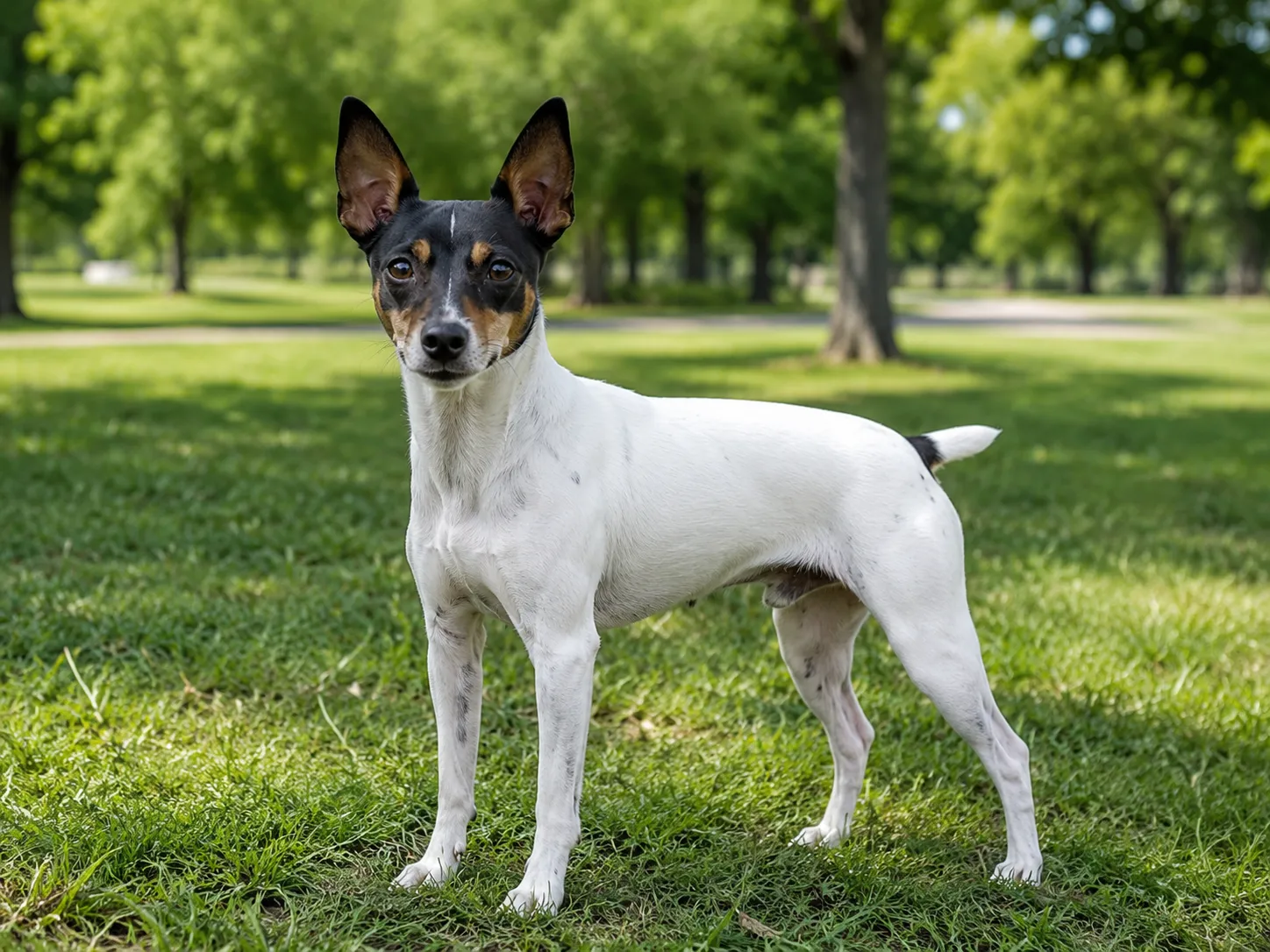 Miniature Fox TerrierSmall • Toy / Small Terrier
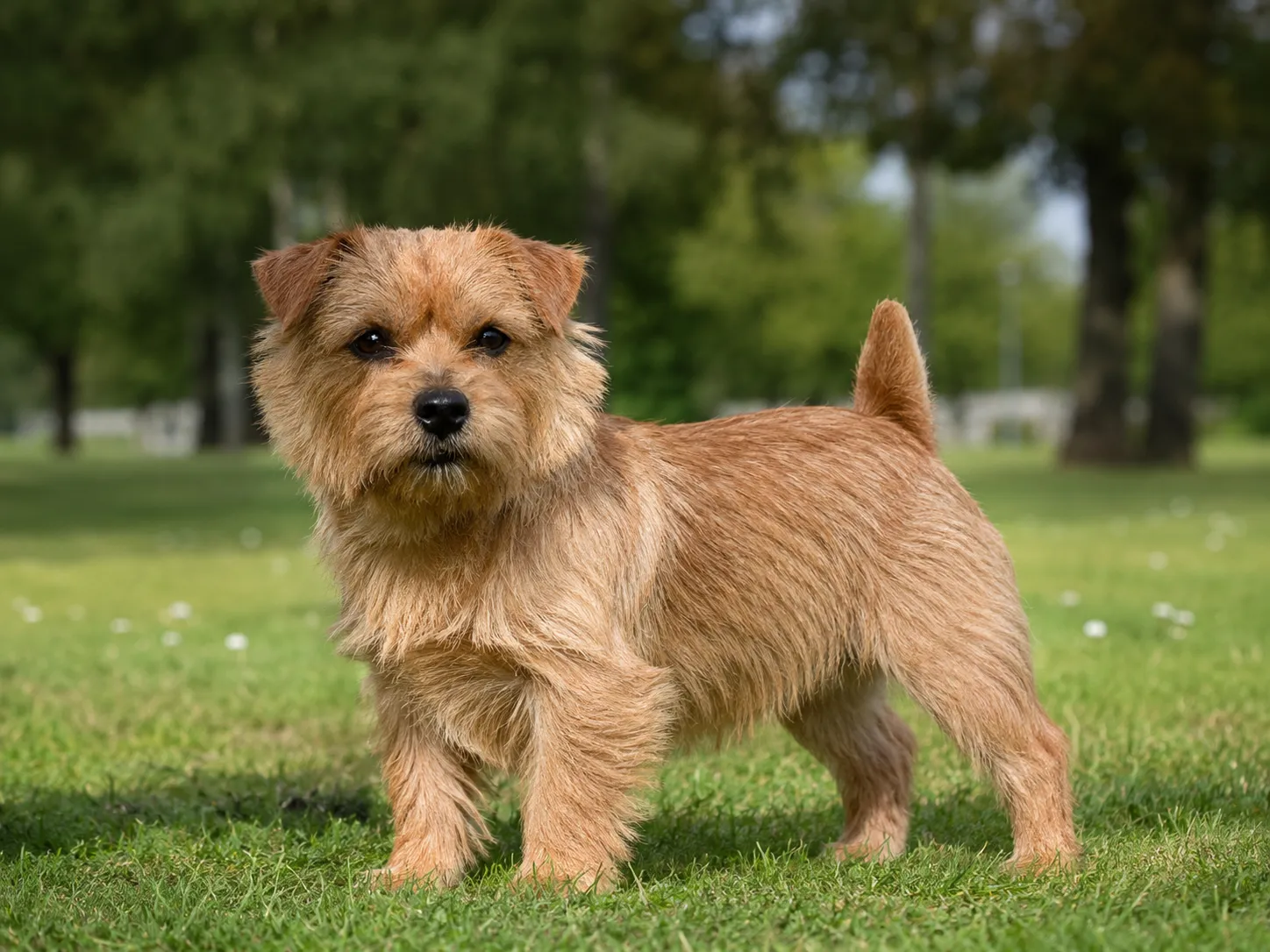 Norfolk TerrierSmall • Terrier
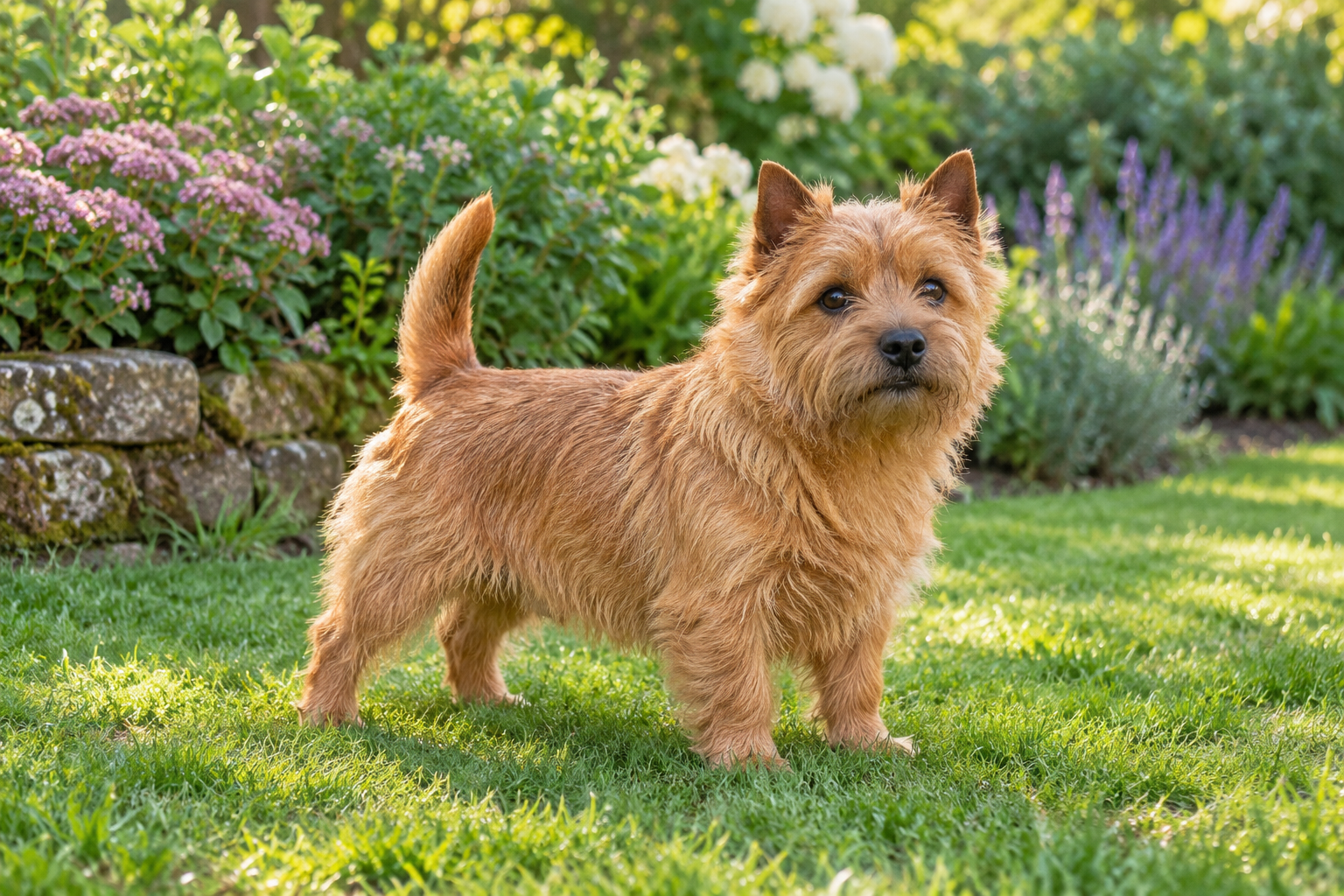 Norwich TerrierSmall • Terriers (Group 2)
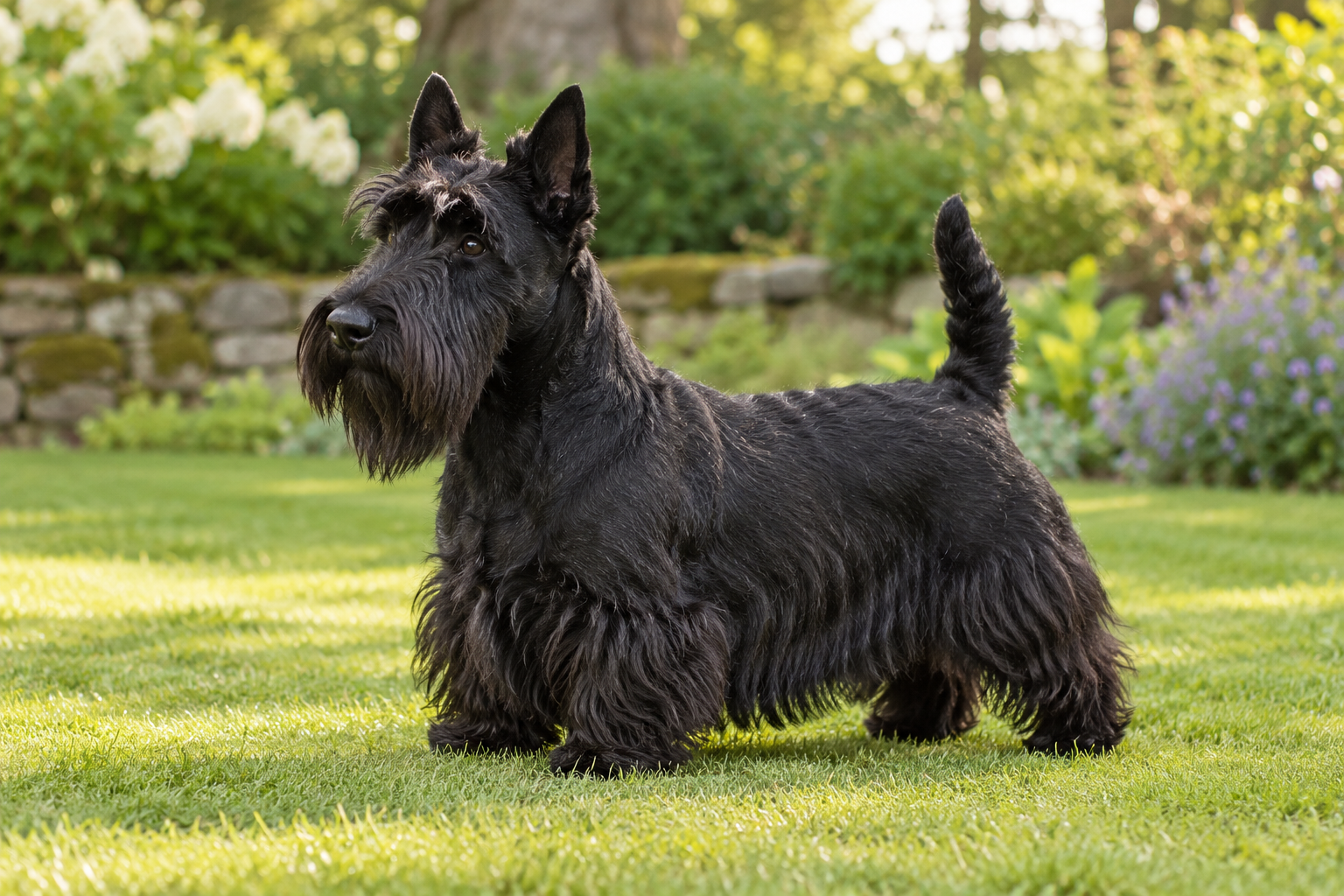 Scottish TerrierSmall • Terriers (Group 2)
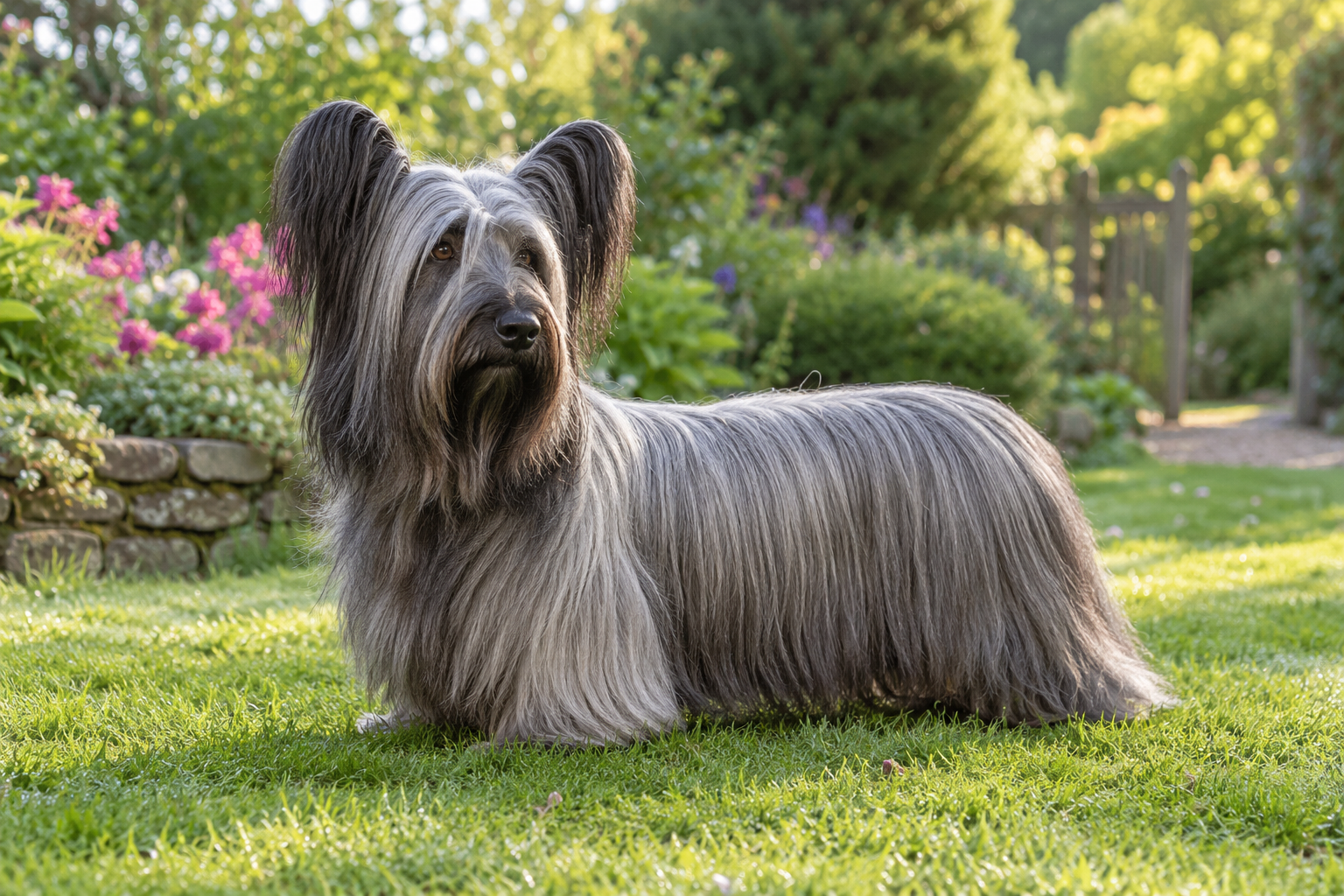 Skye TerrierMedium • Terriers (Group 2)
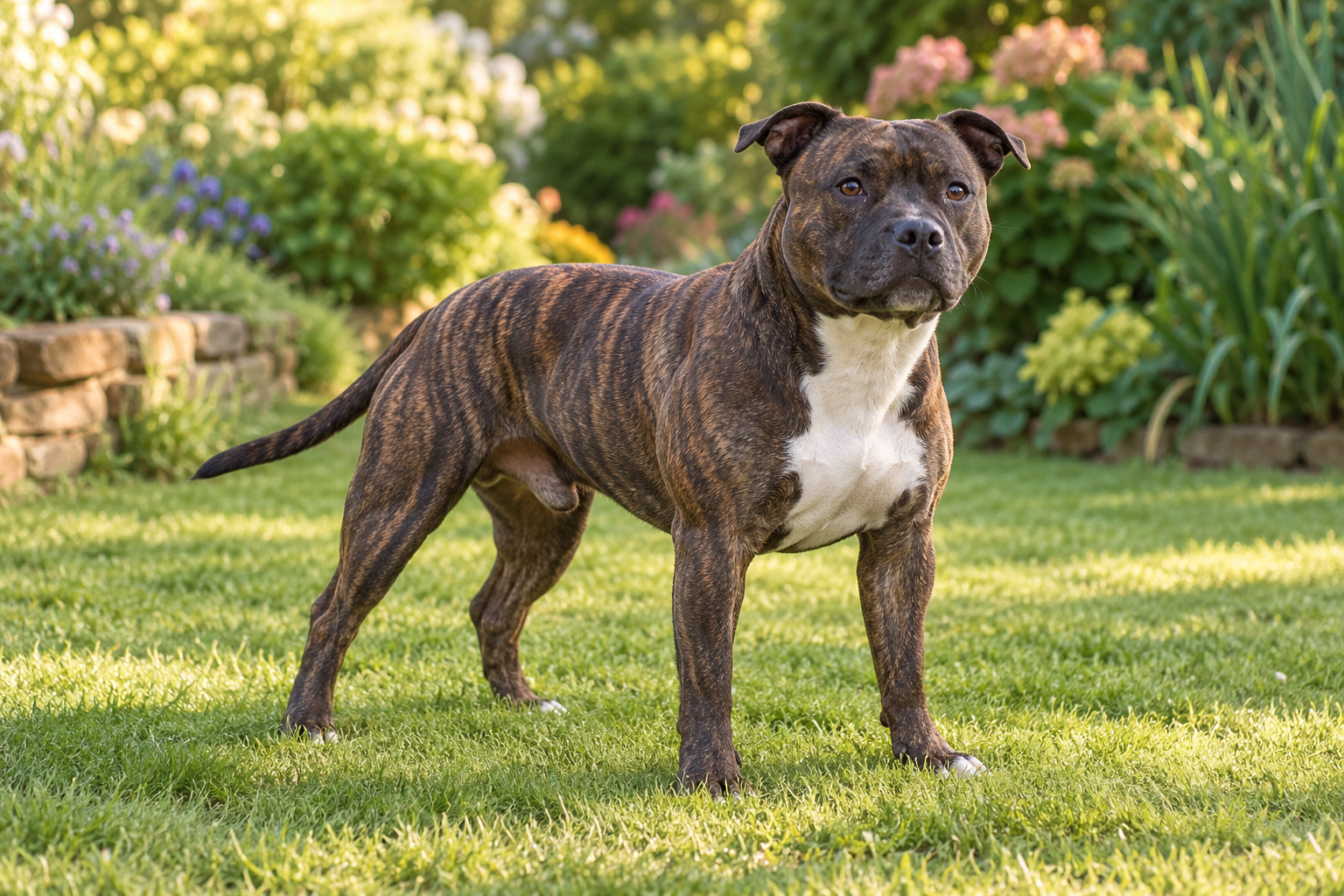 Staffordshire Bull TerrierMedium • Terrier (Group 2)