



English Setter
By James C. • Updated
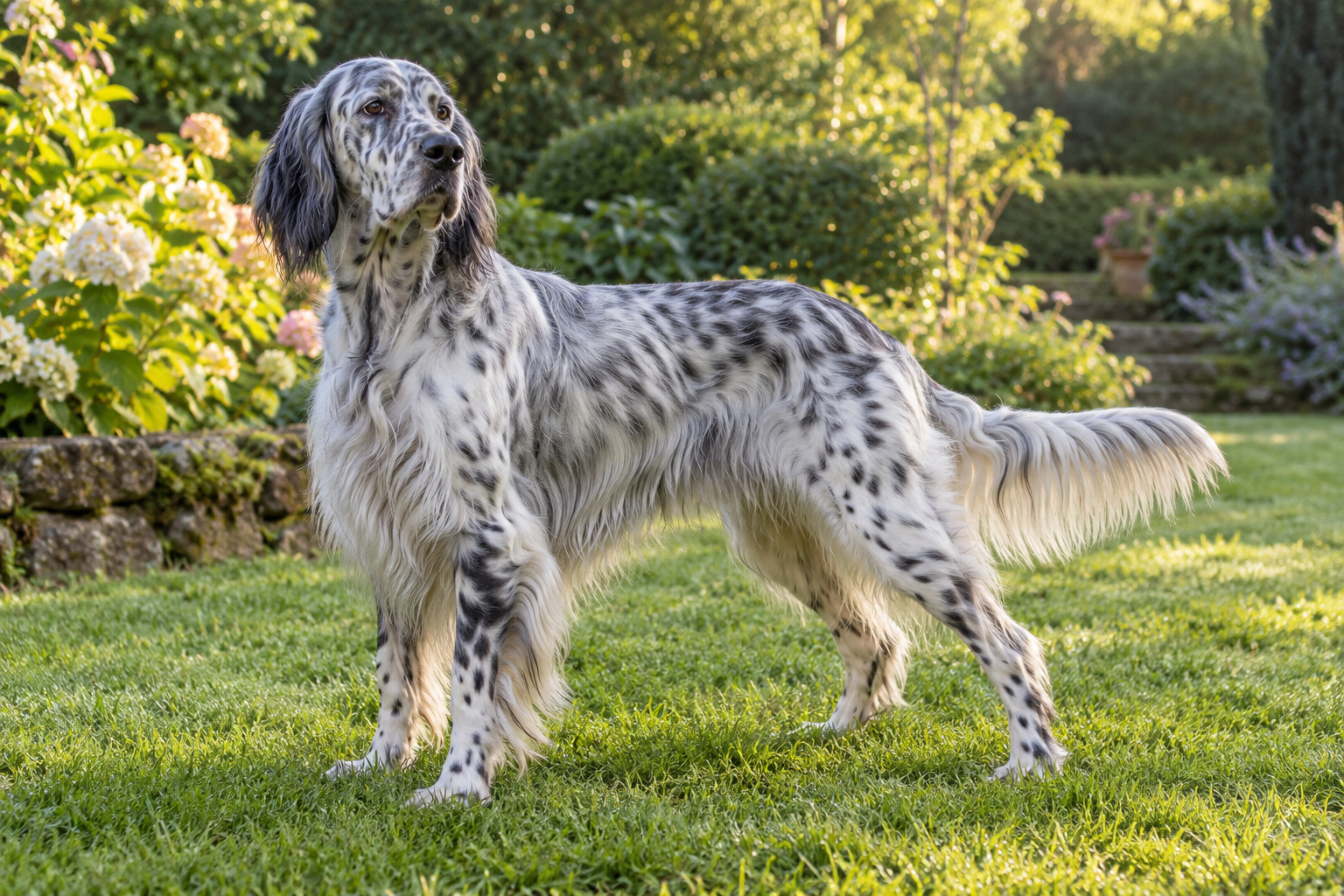
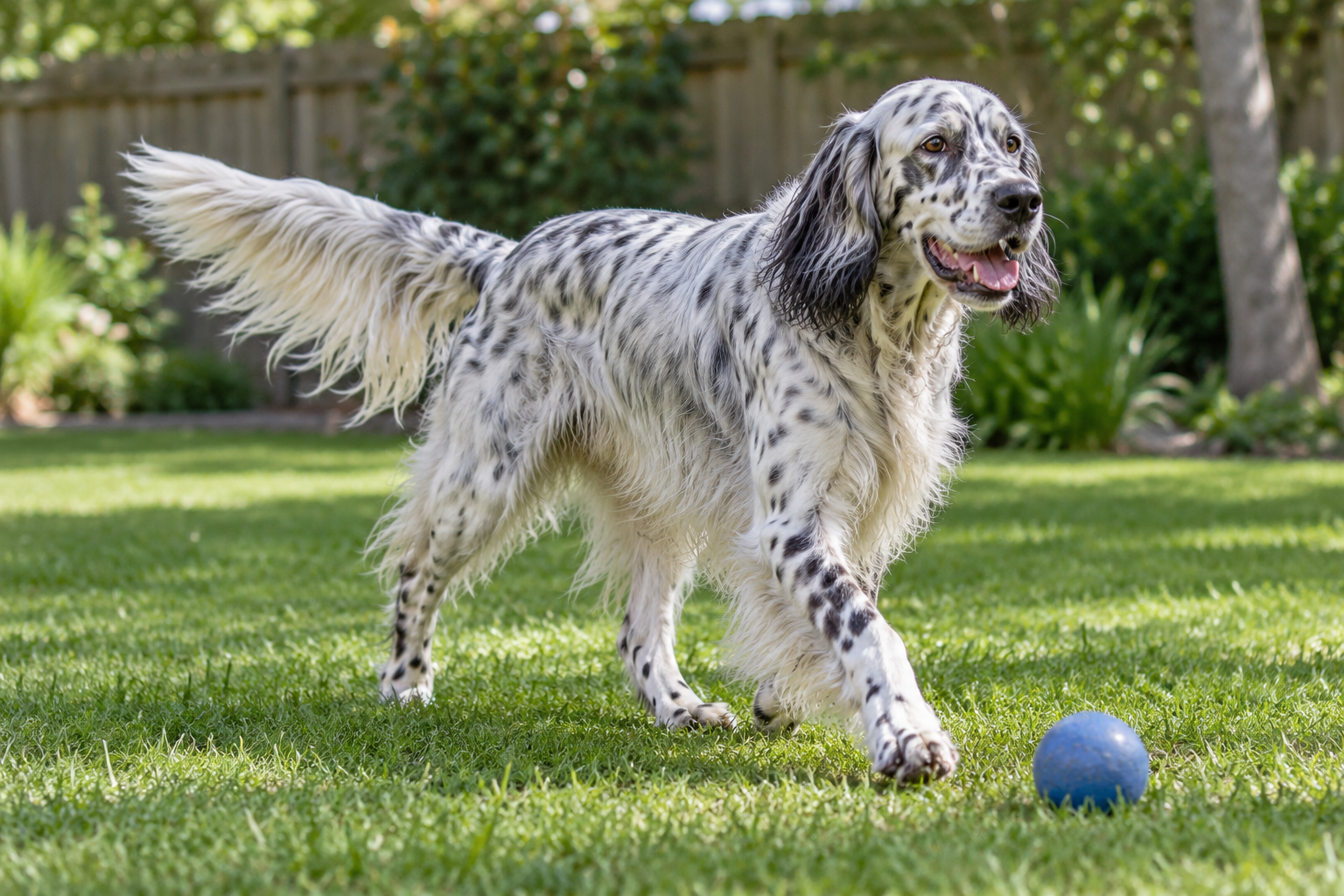
The English Setter is a gentle, affectionate British gundog developed to find game birds and "set", or crouch, to show the hunter where they lie. It is recognised by Dogs Australia in the Gundog group and is best known for its speckled belton coat in blue, orange, lemon, liver or tricolour. Dogs stand 65 to 69 cm and bitches 61 to 65 cm, with a lifespan of about 10 to 14 years. Friendly, slow to mature and often clownish, it needs plenty of exercise, company and regular coat care. Owners should be aware of hereditary deafness, hip and elbow dysplasia and bloat, and should ask breeders for BAER hearing results.
Breed Overview
Life Span
10 - 14 years
Average Price
AUD 2000 - AUD 3500
Weight
Male: 25 - 36 kg Female: 20 - 29 kg
Height
Male: 65 - 69 cm Female: 61 - 65 cm
Life Expectancy
Male/Female: 10 - 14 years
Breed Group
Gundogs (Group 3)
Nicknames
Laverack Setter, Llewellin Setter (field type), Belton Setter
Breed Information
The English Setter is a gentle, affectionate pointing gundog with a long, silky, speckled "belton" coat, bred to find game birds and freeze in a crouch to mark them for the hunter. Dogs Australia registers it in the Gundog group. At home it is one of the softest, friendliest gundogs, famous for its sweet nature with people and other animals.
Owners often describe English Setters as goofy, and that reputation is fair. They are slow to mature, often staying puppyish and playful until two or three years old, and many keep a clownish streak for life. That charm comes with a high exercise need, a strong bird drive and a coat that collects grass seeds in an Australian summer.
The breed is uncommon here. In October 2026, Dogz Online listed 13 English Setter breeders and two litters, so buyers should be ready to wait for a well-bred puppy.
Characteristics of the English Setter
The English Setter rates highly for friendliness, gentleness with children and affection, while exercise, recall and coat care are the areas that need the most commitment.
| Trait | Rating | Star Rating | Meaning |
|---|---|---|---|
| Size | Large | ★★★★ | 20 to 36 kg, tall and elegant rather than heavy. |
| Adaptability | Moderate | ★★★ | Suits houses with yards; struggles in apartments and when left alone. |
| Exercise Needs | High | ★★★★ | At least 90 minutes daily, including free running in a safe area. |
| Easy to Train | Moderate | ★★★ | Willing and soft, but easily distracted by scent and birds. |
| Amount of Shedding | Moderate | ★★★ | Steady shedding from the long, silky coat. |
| Grooming Needs | Moderate | ★★★ | Brushing several times a week plus regular trimming. |
| Good With Children | Very High | ★★★★★ | Gentle and tolerant, though boisterous when young. |
| Health | Good | ★★★★ | Generally healthy, with deafness and joint testing important. |
| Cost to Keep | Moderate | ★★★ | Food, insurance and trimming costs typical of a large dog. |
| Tolerates Being Alone | Low | ★★ | A social dog that dislikes kennel or backyard life. |
| Intelligence | Good | ★★★★ | Clever in the field, sometimes selectively deaf at home. |
History of the English Setter: From Setting Spaniel to Show Ring and Field
The English Setter descends from the "setting spaniels" used in England from at least the sixteenth century. These dogs found birds by scent and then crouched, or set, so that hunters could throw a net over the covey. When shotguns replaced nets, setters were refined to range widely, hold a steady point and work with the gun.
The modern breed owes most to two nineteenth century breeders. Edward Laverack spent around fifty years developing an elegant, heavily coated line, and the show-type English Setter is still sometimes called the Laverack Setter. In the 1870s R. Purcell Llewellin crossed Laverack dogs with field-bred lines to produce faster, lighter working setters, and field types are still known as Llewellins.
The split between show and field lines has remained ever since. Show setters are larger, more heavily feathered and calmer, while field setters are smaller, lighter coated and more driven. In the UK the breed has become scarce, with the Kennel Club listing the English Setter as a vulnerable native breed because annual registrations have fallen below 300.
Appearance of the English Setter: Elegant, Feathered, and Belton-Coated
Size and Build
The English Setter is a medium to large, elegant gundog with a long neck, deep chest and strong, well-angulated hindquarters. The Dogs Australia breed standard gives dogs 65 to 69 cm and bitches 61 to 65 cm. Weight is not set by the standard; the PDSA gives an average of 22 to 29 kg, with males of show lines often heavier.
Coat and Colours
The coat is long, silky and flat, with feathering on the ears, chest, legs and tail. The breed's colours are described as "belton", a flecked or speckled pattern on a white ground, named after the village of Belton in Northumberland. Recognised beltons are blue (black and white), orange, lemon and liver, plus tricolour (blue or liver belton with tan). Puppies are born almost entirely white, with the flecks and patches developing over the first weeks, which surprises many first-time buyers.
Show and Field Types
There are two main kinds of English Setter. Show or bench setters, the type most Australian breeders produce, are taller, heavier boned and more profusely coated. Field or Llewellin-type setters are smaller, lighter, shorter coated and more intense, with a higher-carried tail. Buyers searching for a "short hair" English Setter are usually describing field-type dogs.
Gender Differences
Males are taller, heavier and usually more heavily feathered, and they can be markedly stronger on the lead in adolescence. Females are finer and often mature a little sooner. Temperament differences are modest, and both sexes are typically affectionate.
Temperament of the English Setter: Gentle, Friendly, and Slow to Mature
Core Personality Traits
English Setters are typically sweet-natured, affectionate and friendly with everyone. Dogs Victoria describes the breed as intensely friendly and good with people and other animals. They are sensitive dogs that respond poorly to harsh handling.
Social Behaviour
Most English Setters greet visitors warmly and get on well with other dogs. They are poor guard dogs, though many will bark to announce arrivals. Their love of people means they want to be inside with the family rather than outside alone.
Working Instincts
The bird drive is strong, even in show-bred dogs. An English Setter may lock onto birds in a park, then range after them at speed and ignore recall. Off-lead running belongs in securely fenced areas or wide open spaces well away from roads, and a long line is useful while recall is being built.
Common Behavioural Challenges
The most common challenges are adolescent exuberance, pulling on the lead, counter-surfing and destructive behaviour when under-exercised or left alone. Because setters mature slowly, owners should expect a long puppyhood. Addressing common puppy behaviour problems early with structure and patience works far better than correction.
Intelligence and Trainability of the English Setter: Willing but Easily Distracted
Intelligence and Learning Ability
English Setters are intelligent and learn quickly when motivated, particularly in field work. At home they can seem selectively deaf, because their attention is easily captured by scents and movement. They are not as obedient-minded as a retriever, but they are willing.
Training Approach
Use calm, positive, reward-based training with short, varied sessions. Setters are soft dogs and can shut down if handled roughly. Food rewards, play and plenty of praise keep them engaged.
Early Socialisation
Introduce puppies to people, dogs, traffic, household noises and grooming early. Teaching a young setter to accept ear checks, feet trimming and brushing makes coat care far easier later. Puppy school offers structured socialisation and early impulse control.
Potential Training Challenges
Recall is the biggest challenge, especially around birds. Loose lead walking takes patience in a large, enthusiastic dog. Starting obedience training at the right age and keeping expectations realistic through adolescence makes the process far smoother.
English Setter Family Life: Living with Children, Pets, and Households
Living with Children
English Setters are generally excellent with children, being gentle, patient and affectionate. Young setters can be boisterous and may knock over toddlers, so supervision matters in the first couple of years. Older children often make ideal companions for an active setter.
Living with Other Pets
Setters usually live happily with other dogs and, when raised with them, with cats. Pet birds and poultry are a different matter given the breed's bird drive. Introductions should be calm and supervised.
Household Environment
A house with a large, securely fenced yard suits the breed best, though the dog should live indoors with the family. Apartments are rarely a good fit for such an active, large dog. Expect some hair on floors and furniture, and feathered legs that bring in mud and grass seeds.
Lifestyle Compatibility
The breed suits active families, walkers, runners and hunters who want an affectionate dog that joins in. It is less suited to households where the dog will be alone all day or exercised only on a lead around the block.
Health of the English Setter: Deafness, Joints, and Lifespan
Lifespan and Healthy Living
Most English Setters live around 10 to 14 years. Dogs Victoria gives 12 to 14 years and the PDSA's English Setter profile gives over 10 years. Lean body condition, regular exercise and preventative care help a setter reach the upper end.
Common Health Conditions
Owners should be aware of several conditions that can be associated with the breed. It is best to discuss any concerns with a veterinarian.
- Hereditary deafness. Deafness in one or both ears is a recognised inherited problem. Louisiana State University data on 751 tested English Setters found 12.4 per cent were deaf in one or both ears. BAER testing can identify affected puppies from about five to six weeks of age.
- Hip and elbow dysplasia. Abnormal joint development that can lead to arthritis, managed through parent scoring.
- Gastric dilatation volvulus (bloat). A sudden, life-threatening twisting of the stomach that deep-chested breeds may be prone to.
- Hypothyroidism. An underactive thyroid causing weight gain, lethargy and coat changes, usually manageable with medication.
- Skin allergies. Atopy and other skin problems are listed by the PDSA, alongside ectropion (outward-turning eyelids).
Genetic Health Testing
Responsible breeders BAER test every puppy, hip and elbow score breeding dogs and screen for thyroid disease. Ask for the litter's BAER results and the parents' hip and elbow scores in writing. A unilaterally deaf puppy can live a normal pet life, but it should not be bred from, and buyers should know its status before purchase.
Preventative Health Care
Keep vaccinations current and use year-round parasite prevention, including paralysis tick prevention in eastern Australia, where ticks hide easily in feathering and long ears. Check ears, feet and armpits for grass seeds after every summer walk. Annual health checks are the baseline, more often for older dogs.
Caring for the English Setter: Daily Care and Living Environment
Daily Care Routine
A typical day includes a long walk or run, free play in a safe area, a training or scent game, and a check of the ears, feet and coat for grass seeds and ticks. Feed twice daily rather than once given the bloat risk, and avoid vigorous exercise straight after meals.
Living Environment Requirements
Secure fencing at least 1.5 to 1.8 metres high suits a setter that may chase birds over the boundary. Provide shade, water and an indoor bed. Setters are social dogs that do poorly in kennels or alone in a backyard.
Climate Sensitivity
The English Setter copes reasonably with warm weather if managed sensibly, but its long coat and high drive can lead to overheating on hot days. Exercise in the early morning or evening in summer, provide shade and water, and learn the temperatures that are unsafe for dogs in Australia. Many owners keep the belly, feet and ear feathering trimmed in summer to reduce grass seed problems.
Caring for Senior English Setters
Older setters may develop arthritis, hearing loss or thyroid problems. Shorter, more frequent walks, a supportive bed and non-slip floors help. Most setters remain affectionate and playful well into old age.
Grooming of the English Setter: Feathering, Grass Seeds, and Ears
Coat Maintenance
Brush and comb the coat two to three times a week, paying attention to the feathering behind the ears, under the elbows and on the legs, where tangles form. A pin brush, slicker and metal comb cover most needs. The routine for long-haired dog grooming suits the breed well.
Grass Seeds and Summer Coat Care
Grass seeds are a genuine summer hazard for English Setters in Australia. Seeds catch in the feathering and can work into ears, between toes and even under the skin. Check the dog after every walk, keep the feet, ears and belly neatly trimmed through summer, and see a vet promptly if the dog shakes its head, licks a paw constantly or develops a swelling.
Ear, Nail, and Dental Care
Long, heavy ears trap moisture and debris, so check them weekly and clean them when needed using a gentle ear cleaning routine. Trim nails every three to four weeks and the hair between the pads. Brush teeth several times a week.
Bathing and Professional Grooming
Bathe every four to eight weeks, or after muddy walks, and dry the feathering thoroughly. Many owners book a professional tidy every couple of months to trim the throat, ears and feet. Show dogs are hand stripped and trimmed rather than clipped.
Exercise Needs of the English Setter: Long Walks and Safe Free Running
Daily Exercise Requirements
Plan on at least 90 minutes of exercise a day for an adult English Setter, including free running in a safe space. The PDSA suggests up to two hours a day. A setter that gets only short lead walks is likely to become restless and destructive.
Activities English Setters Enjoy
Long walks, running in fenced fields, field trials, scent work, retrieving, rally and agility all suit the breed. Many setters enjoy swimming. Field-bred dogs in particular thrive with a working outlet.
Exercise by Life Stage
Puppies need short, gentle play rather than long runs or repeated jumping while their joints develop. Build exercise gradually through the first eighteen months. Adolescents need the most exercise and structure. Seniors benefit from gentler, more frequent walks.
Importance of Mental Stimulation
Scent games, hide and seek with toys, food puzzles and training sessions satisfy the setter's working brain. In summer and in tick regions, mental work is a useful way to tire the dog safely when long bush walks are not practical.
Feeding the English Setter: Nutrition and Diet Needs
Nutritional Requirements
A complete and balanced diet for large, active breeds suits most English Setters, with higher energy food for dogs in regular field work. Good-quality protein and omega-3 fatty acids support skin and coat health. Some setters with skin allergies do better on a limited-ingredient diet chosen with veterinary advice.
Feeding by Life Stage
Feed puppies three to four meals a day until about four months, then two meals daily for life. A large-breed puppy feeding schedule supports steady growth rather than rapid weight gain. Seniors may need fewer calories and joint support.
Portion Control and Weight Management
Feathering can disguise weight changes, so feel for the ribs and waist regularly. Keep the dog lean to protect hips and elbows. Adjust portions to activity, since a working setter in season needs far more food than a pet in winter.
Foods to Avoid
Grapes, sultanas, chocolate, onion, garlic, macadamia nuts and anything containing xylitol are toxic to dogs. Avoid cooked bones and large single meals, and do not exercise hard straight after eating because of the bloat risk.
English Setter Price in Australia: Purchase Cost and Ongoing Expenses
Puppy Purchase Price
Expect to pay about $2,000 to $3,500 for a registered English Setter puppy in Australia. Every litter on Dogz Online's English Setter puppy listings in October 2026 was price on request, so the range is derived from overseas prices and local supply.
In the United States, GoodDog puts breeder prices at about USD 2,000 to USD 2,500 nationally, roughly AUD 3,000 to AUD 3,750. UK prices are lower, with a Pets4Homes average of about £608, roughly AUD 1,200. With only 13 Australian breeders and the cost of BAER testing and hip and elbow scoring, most registered puppies are likely to sit between those two markets.
Initial Setup Costs
RSPCA NSW cost guidance puts microchipping at $60 to $80, a puppy vaccination course at $280 to $420 and desexing at $350 to $650. Add council registration, a large crate, a bed, a long line for recall training, and grooming tools including a comb, slicker and thinning scissors.
Ongoing Monthly Costs
| Cost | Typical figure (AUD) | Source |
|---|---|---|
| Food | Upper end of $600 to $1,000 a year, given size and activity | RSPCA NSW |
| Flea and worm treatment | $200 to $250 a year, plus heartworm up to $250 | RSPCA NSW |
| Annual vet check and booster | From $140 a year | RSPCA NSW |
| Pet insurance | About $1,834 a year for a large dog | Canstar, 2026 |
| Professional grooming | Optional tidy every couple of months | Breed coat needs |
Canstar's 2026 premium data put average accident and illness cover for a large dog at about $1,834 a year. Grass seed removal and bloat surgery are two of the more common unexpected costs for setter owners, which is a good reason to insure early.
Long-Term Financial Commitment
Animal Medicines Australia's 2025 survey found dog-owning households spend about $2,520 a year. A large, active English Setter is likely to sit at or above that figure across a 10 to 14 year life, mainly because of food and insurance.
Buying Advice for an English Setter: Choosing a Healthy Puppy
Choosing a Responsible Breeder
Choose a breeder registered with their state body under Dogs Australia who BAER tests litters, hip and elbow scores parents and is open about whether their lines are show or field bred. With so few breeders, expect to wait and to travel. A good breeder will explain the exercise and recall realities honestly.
Health Checks Before Purchase
Meet the mother and, where possible, the father, and look for calm, friendly temperaments. Ask for BAER certificates for the litter, hip and elbow scores for both parents and vaccination, worming and microchip records. A healthy puppy is bright, responsive to sound and moves freely.
Questions to Ask the Breeder
- Has every puppy been BAER hearing tested, and can I see the results?
- What are the parents' hip and elbow scores?
- Are the parents show bred, field bred or a mix?
- Is there any history of thyroid disease, bloat or skin allergies in your lines?
- How do the parents behave around birds and on recall?
- Will the puppy be on the main or limited register?
- What support do you offer if the dog needs rehoming?
Contracts and aftercare belong on your list of questions to ask a dog breeder too.
Considering Adoption
Adult English Setters occasionally need new homes, often through breed clubs or gundog rescue groups. An adult lets you see energy level, recall and temperament directly, which is useful in a slow-maturing breed. Contact the English Setter club in your state for rehoming enquiries.
Is the English Setter Right for You? An Affectionate Gundog for Active Homes
Lifestyle Compatibility
The English Setter suits active families with a secure yard and time for long daily walks. It is a poor fit for apartments or homes where it will be alone all day.
Time and Care Commitment
Plan on at least 90 minutes of exercise daily, brushing several times a week and regular trimming. The commitment lasts 10 to 14 years.
Grooming and Health Awareness
Check ears and feet for grass seeds after every summer walk. Choose a BAER-tested litter from hip and elbow scored parents.
Ideal Owner Profile
The ideal owner is patient, active and affectionate, and comfortable with a dog that stays puppyish for years. Experience with gundogs is helpful but not essential.
Find English Setter Puppies for Sale
If the English Setter suits your household, you can browse puppies for sale on Pups4Sale and contact breeders early to join a waiting list.
Frequently Asked Questions
Related Breeds
Other sporting breeds on Pups4Sale.
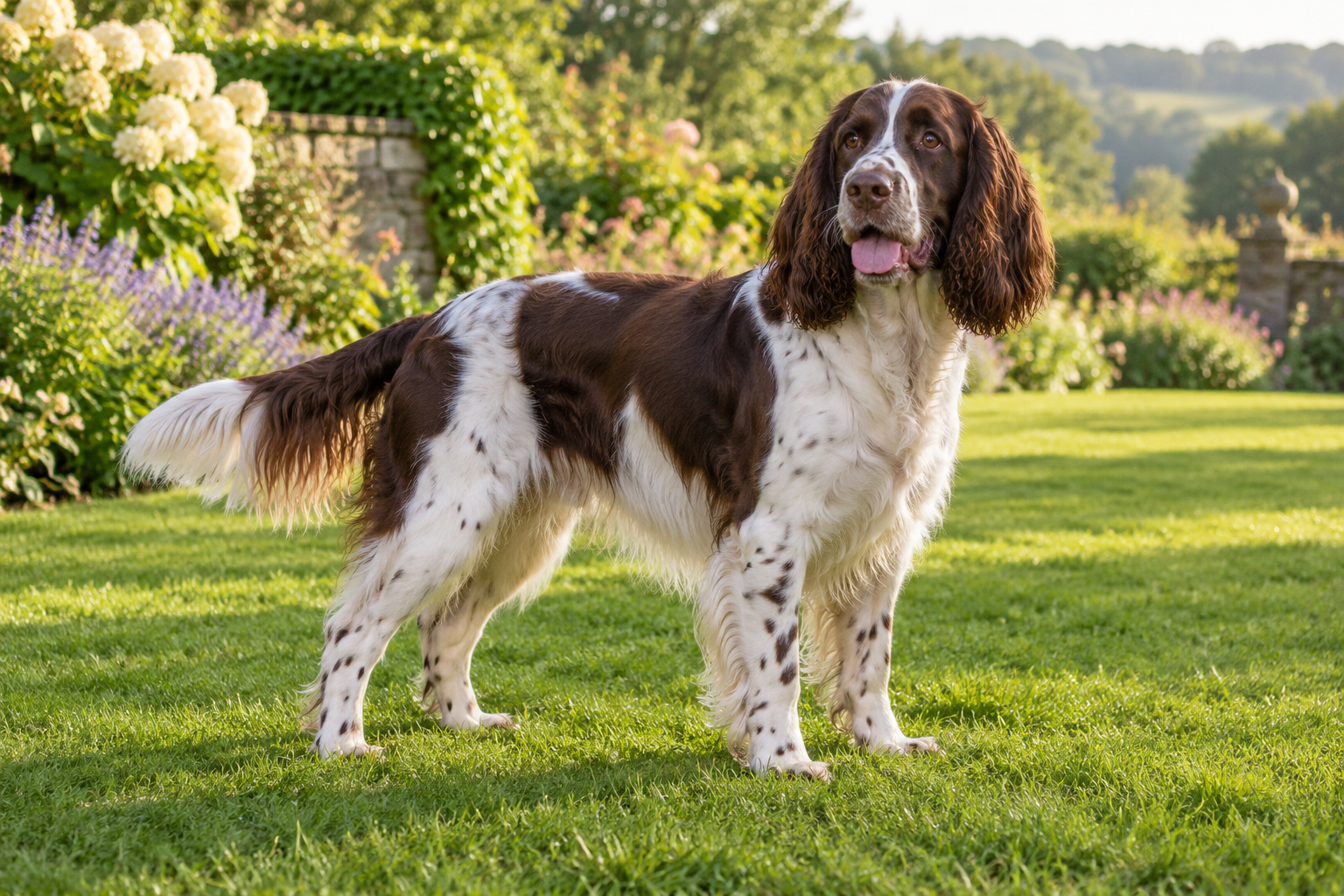 English Springer SpanielMedium • Gundogs (Group 3)
 Field SpanielMedium • Gundog / Sporting
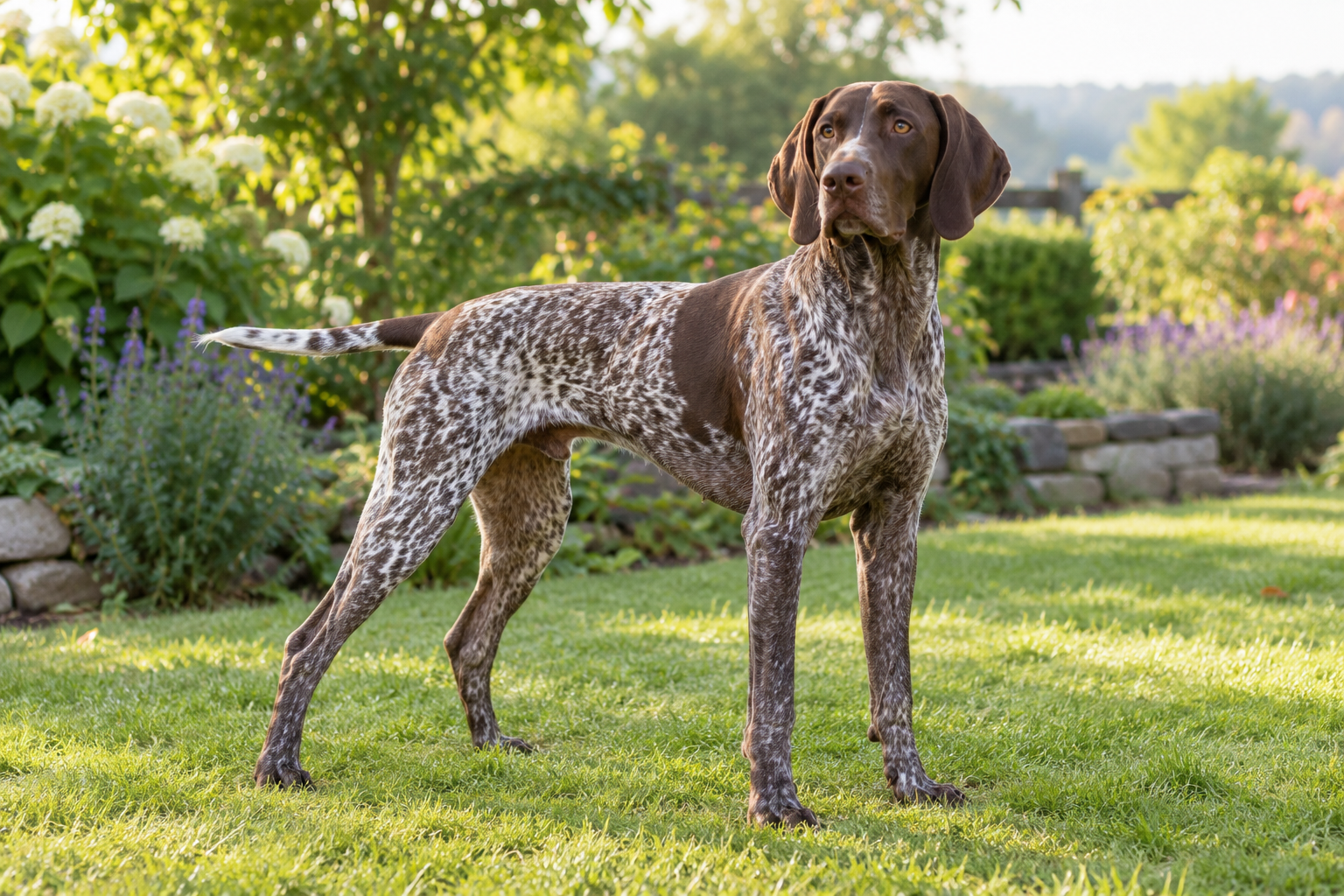 German Shorthaired PointerLarge • Gundogs (Group 3)
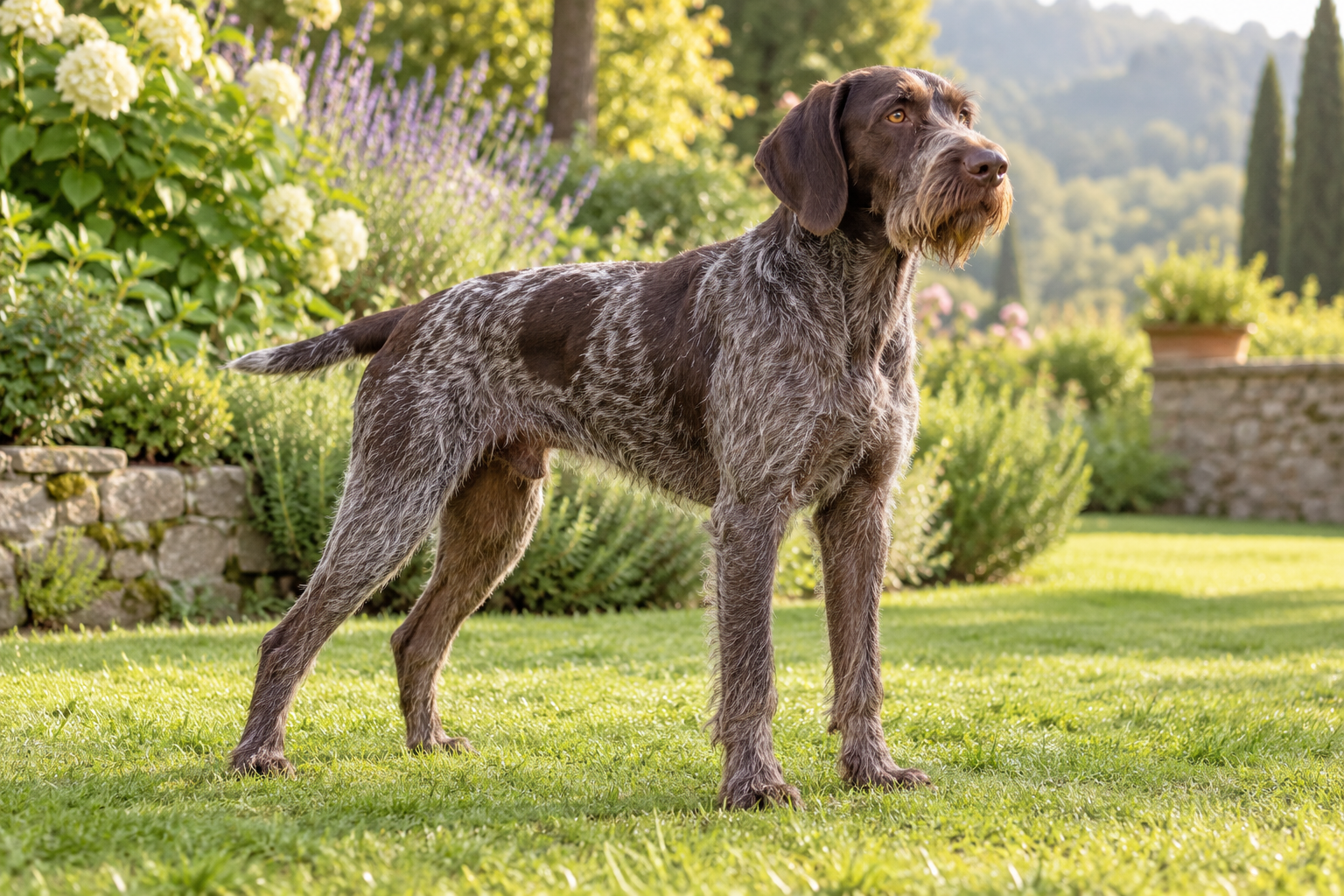 German Wirehaired PointerLarge • Gundogs (Group 3)
 Golden RetrieverLarge • Sporting / Gundog
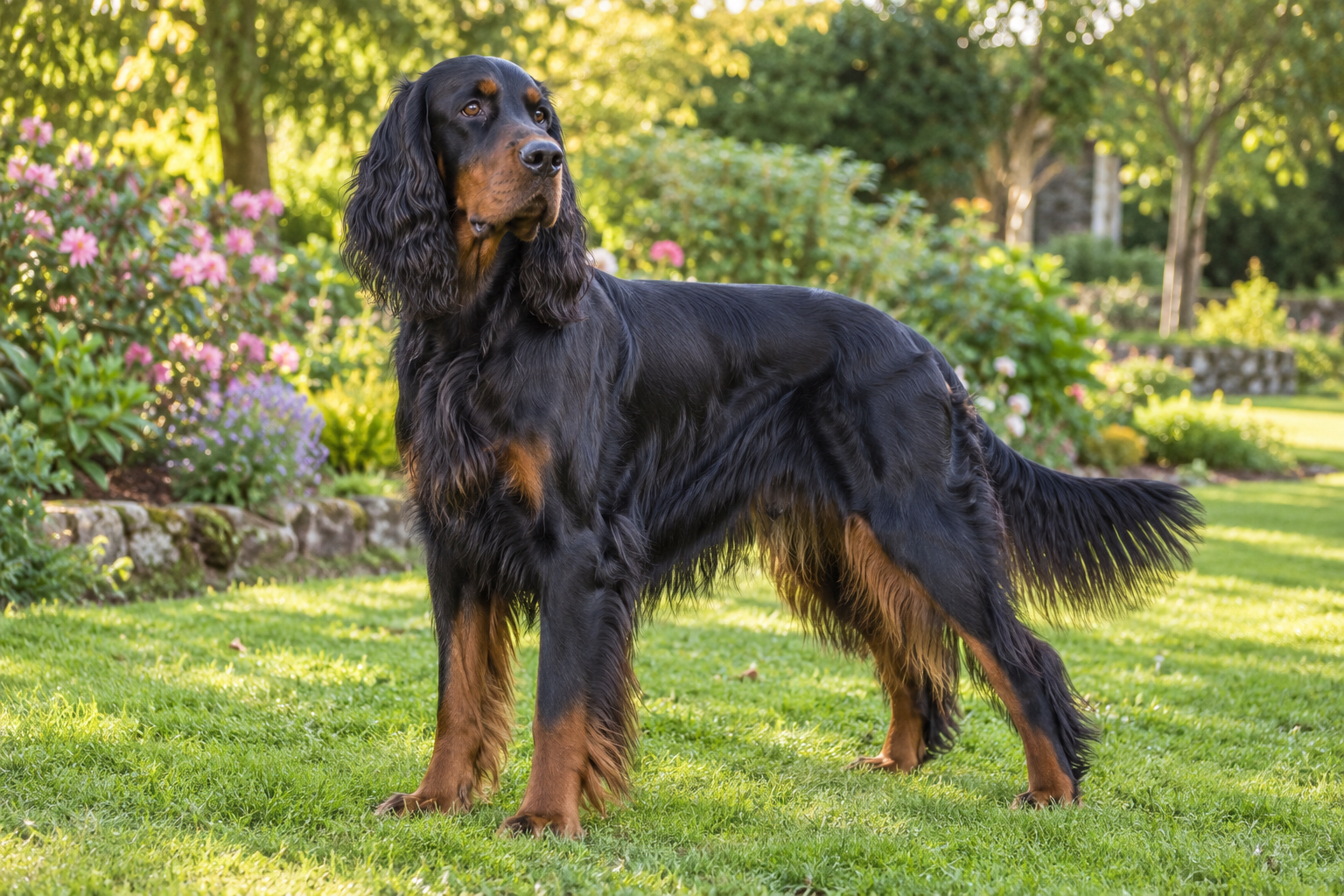 Gordon SetterLarge • Gundogs (Group 3)