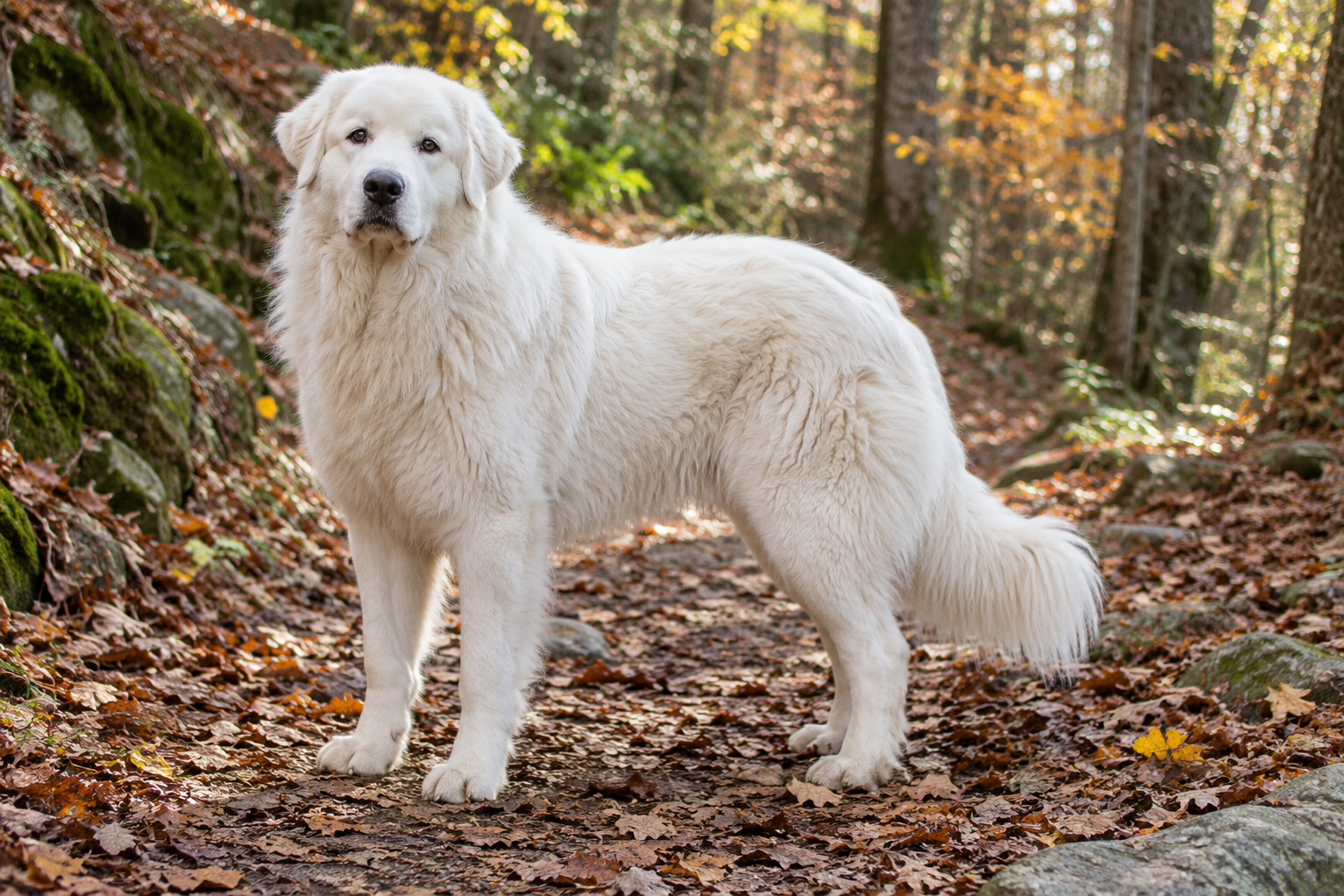
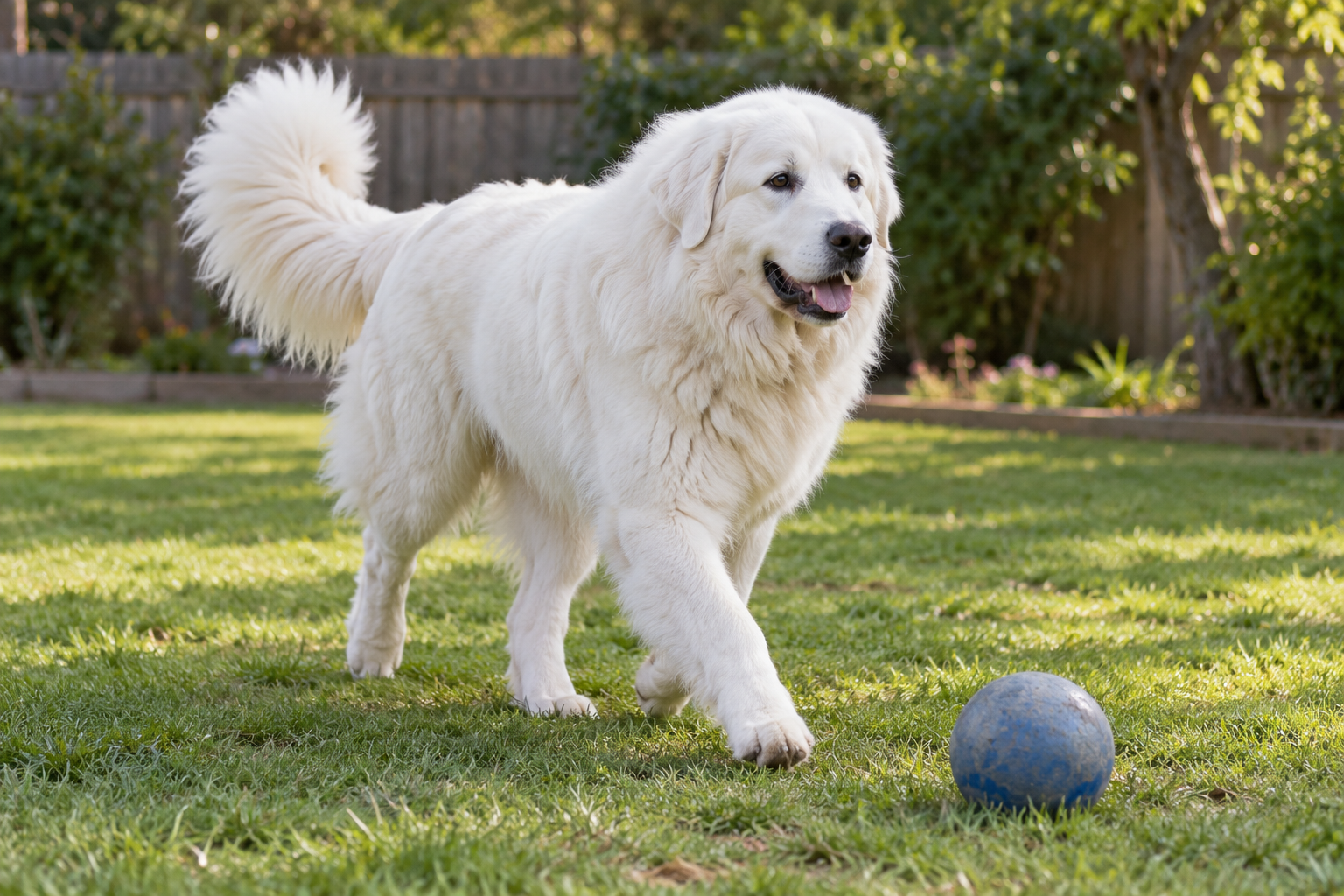
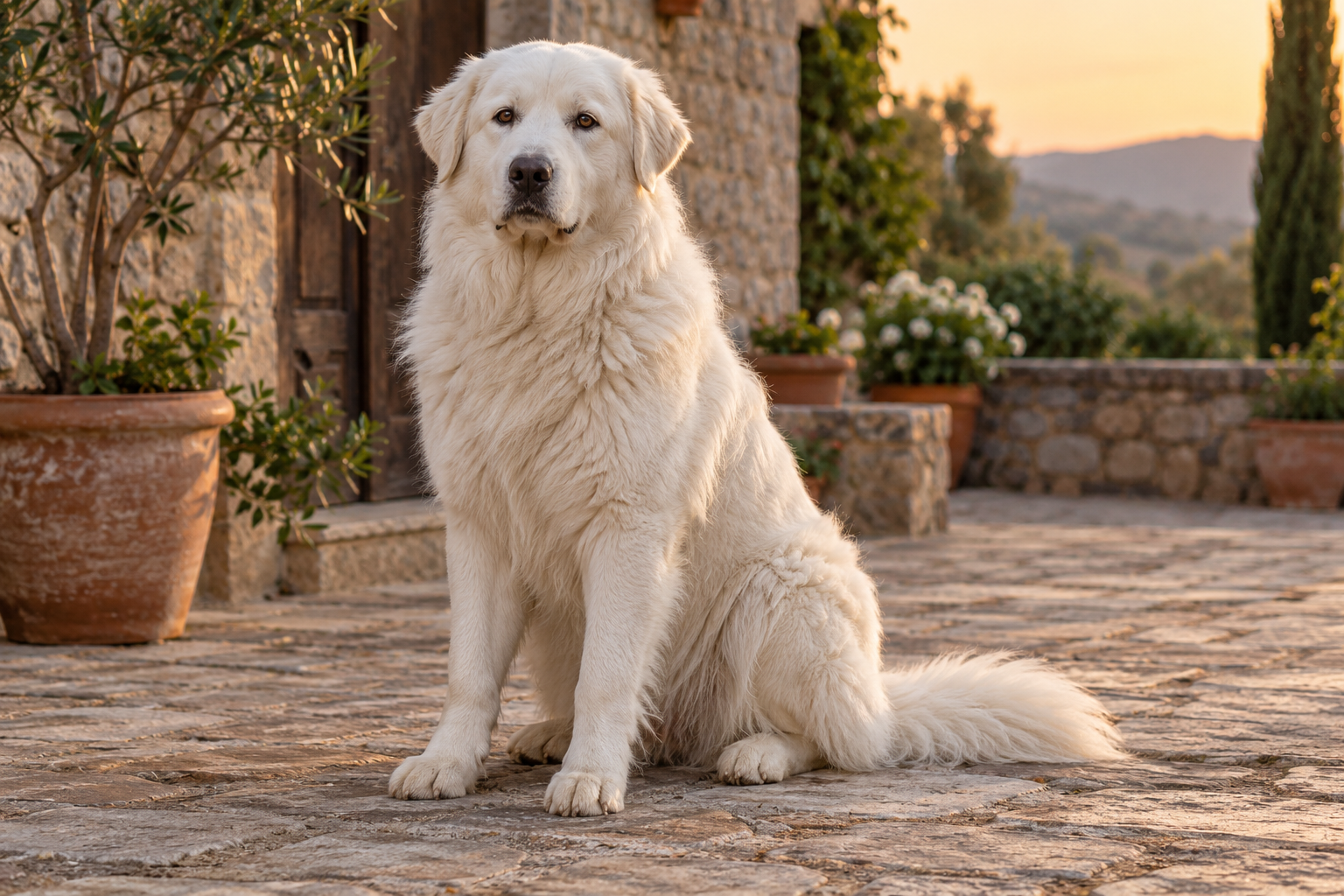
Maremma Sheepdog
By James C. • Updated
The Maremma Sheepdog is a large, white livestock guardian from central Italy, known in its homeland as the Maremmano-Abruzzese. It was bred to live with flocks and protect them from predators, not to herd them, and it remains a working guardian on many Australian farms. Under the Dogs Australia standard, dogs stand 65 to 73 cm and weigh 35 to 45 kg, while bitches stand 60 to 68 cm and weigh 30 to 40 kg. The breed is independent, protective, wary of strangers and inclined to bark at night, which makes it far better suited to rural properties than suburban backyards. Most live around 11 to 14 years.
Breed Overview
Life Span
11 - 14 years
Average Price
AUD 800 - AUD 3000
Weight
Male: 35 - 45 kg Female: 30 - 40 kg
Height
Male: 65 - 73 cm Female: 60 - 68 cm
Life Expectancy
Male/Female: 11 - 14 years
Breed Group
Working Dogs (Group 5)
Nicknames
Maremma, Maremmano-Abruzzese, Maremma Dog, Pastore Maremmano
Breed Information
The Maremma Sheepdog is a large, white Italian livestock guardian bred to live with flocks and protect them from predators, and it is a guardian, not a herding dog. Dogs Australia recognises it in the Working Dogs group as the Maremma Sheepdog, and in Italy it is known as the Maremmano-Abruzzese. On Australian farms it guards sheep, goats, alpacas and poultry against foxes and wild dogs, usually living out with the stock day and night.
That working role shapes everything about the breed. A Maremma thinks for itself, patrols its territory, barks to warn off threats after dark and is naturally suspicious of strangers. Those are exactly the qualities a farmer wants, and exactly the qualities that make the breed difficult in a suburban backyard.
Many people meet a Maremma as a fluffy white puppy and imagine a gentle family pet. Some do live happily as companions, but placements fail when the dog's guardian instincts meet small blocks, close neighbours and long days alone. The sections below cover both sides honestly, so you can decide which kind of home you can offer.
Characteristics of the Maremma Sheepdog
The Maremma rates very highly for protectiveness and independence and only moderately for exercise, while its barking and dislike of confinement are the traits that most often cause problems for pet owners.
| Trait | Rating | Star Rating | Meaning |
|---|---|---|---|
| Size | Large | ★★★★ | 30 to 45 kg and up to 73 cm, powerful and well boned. |
| Adaptability | Low | ★★ | Thrives on acreage, struggles on small suburban blocks. |
| Exercise Needs | Moderate | ★★★ | About 40 minutes daily, plus room to patrol a territory. |
| Easy to Train | Low | ★★ | Intelligent but independent, and not driven to obey. |
| Amount of Shedding | High | ★★★★ | Sheds steadily and drops its thick undercoat seasonally. |
| Grooming Needs | Moderate | ★★★ | Weekly brushing, more during the seasonal moult. |
| Good With Children | Moderate | ★★★ | Protective of its own family, but large and wary of visitors. |
| Health | Good | ★★★★ | Generally sound, with joints, bloat and skin to watch. |
| Cost to Keep | Moderate | ★★★ | Modest purchase price, but a large dog's food and vet bills. |
| Tolerates Being Alone | Moderate | ★★★ | Content alone with stock to guard, unhappy shut in a yard. |
| Intelligence | High | ★★★★ | Makes its own decisions, which is the point of the breed. |
History of the Maremma Sheepdog: Guardian of Italian Flocks
The Maremma descends from the guardian dogs of central Italy, where shepherds needed large, white dogs that could stay with the flocks and face down wolves. The Dogs Australia breed standard traces the breed to the shepherd dogs of the Abruzzo mountains and the sheepdogs of the Tuscan Maremma and Latium. White coats let shepherds tell their dogs from predators at a glance, even at night.
For centuries, flocks moved seasonally between summer pastures in the Abruzzo mountains and winter grazing on the Maremma plains. According to the standard, this movement of livestock from about 1860 encouraged natural crossing between the two regional types, which came to be treated as a single breed. In Italy the double name, Maremmano-Abruzzese, still reflects both homelands.
In Australia, the Maremma found a natural job. It is widely used on farms to protect sheep, goats, alpacas and poultry from foxes and wild dogs, and Dr Linda van Bommel's survey for the ANU Reporter on livestock guardian dogs found that 98 per cent of farmers who had used guardian dogs in the past decade would recommend them. The breed also became famous through conservation work: since 2006, Maremmas have guarded the little penguin colony on Middle Island near Warrnambool, a project that inspired the 2015 film Oddball, as the Warrnambool Standard's account of the real Oddball story describes.
Appearance of the Maremma Sheepdog: Large, White and Weatherproof
Size and Build
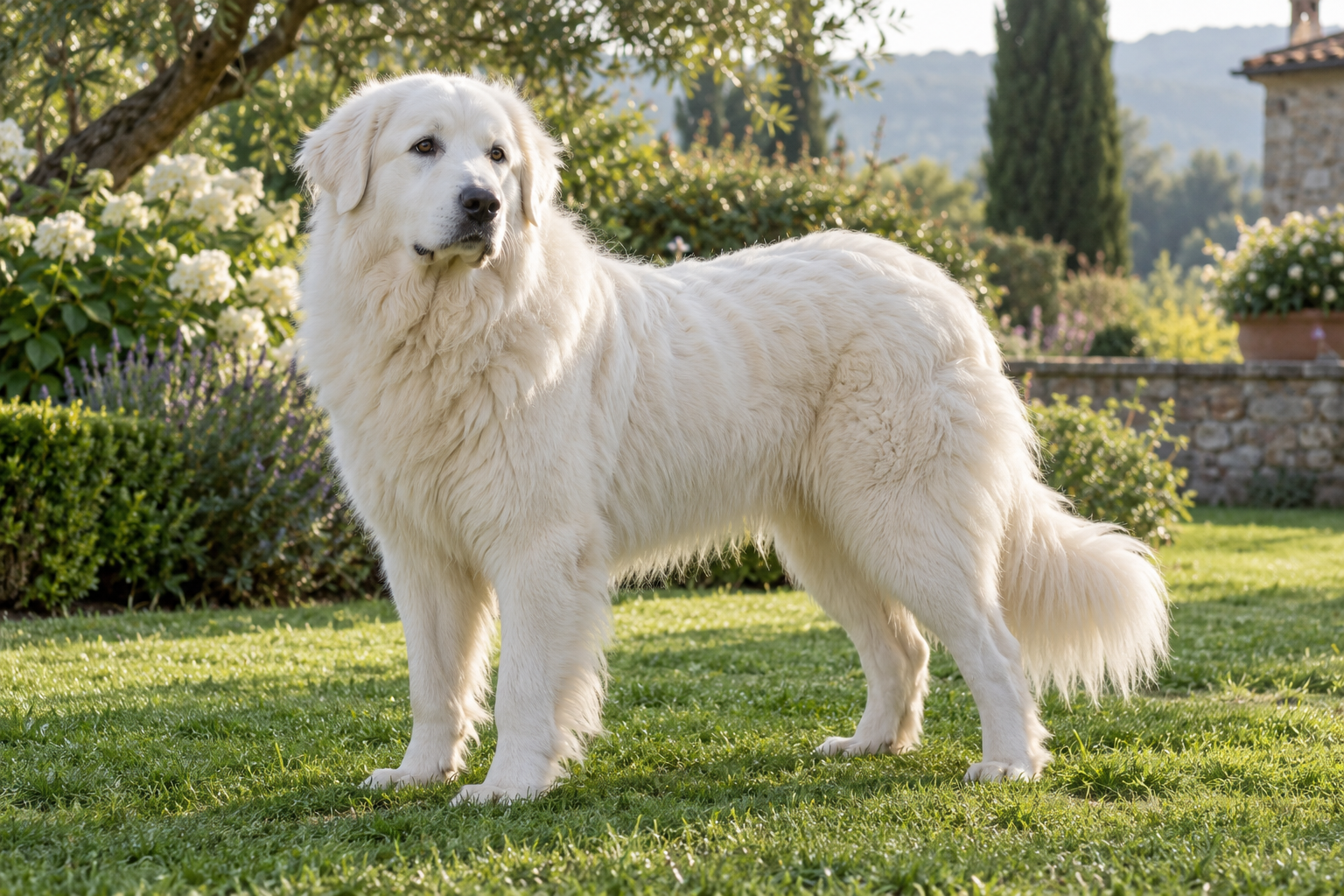
Under the breed standard, dogs stand 65 to 73 cm and weigh 35 to 45 kg, and bitches stand 60 to 68 cm and weigh 30 to 40 kg. The build is strong, rugged and slightly longer than tall, built for endurance and for standing its ground rather than for speed. A full grown Maremma is a substantial dog that takes up real space in a house or car.
Coat and Colours
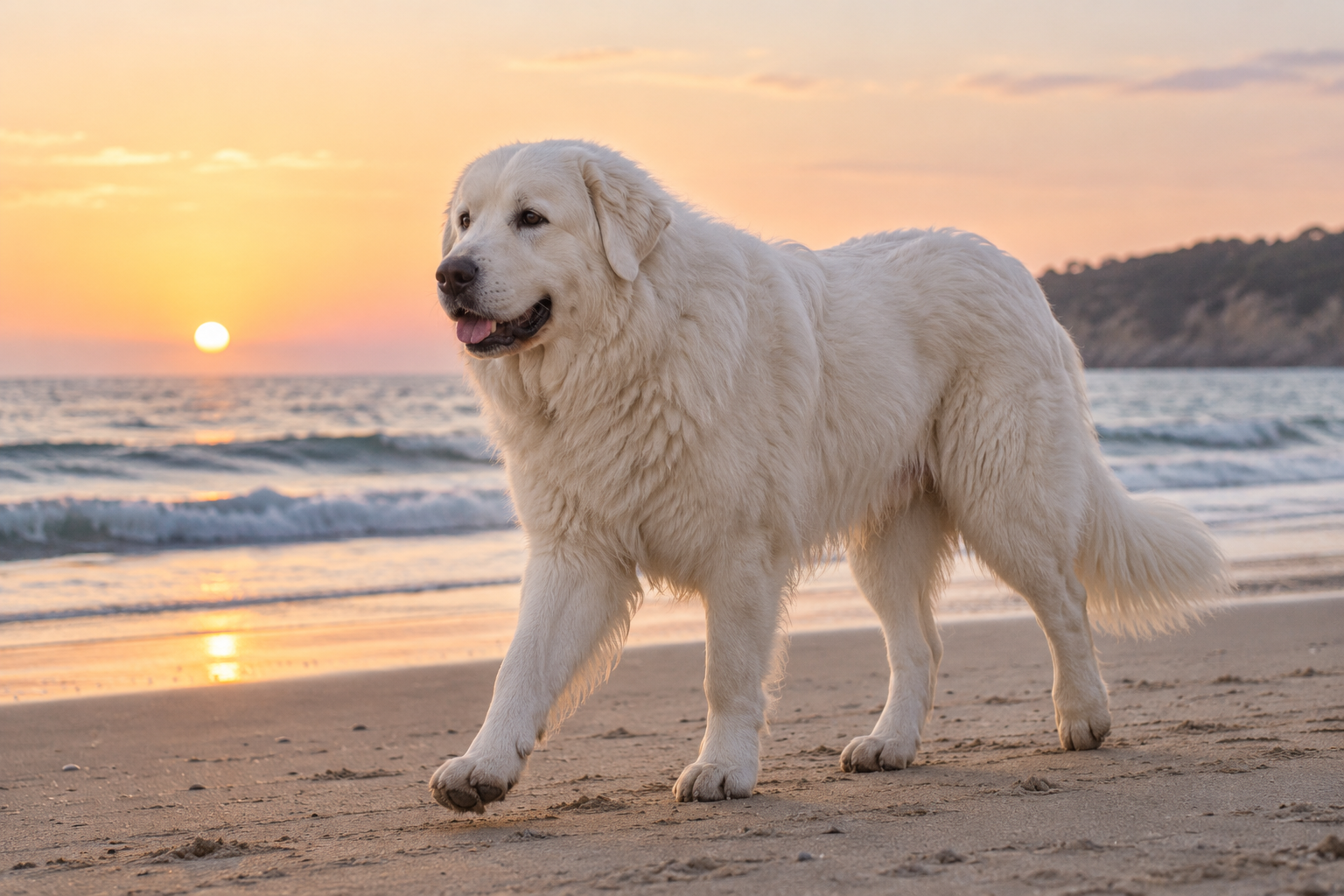
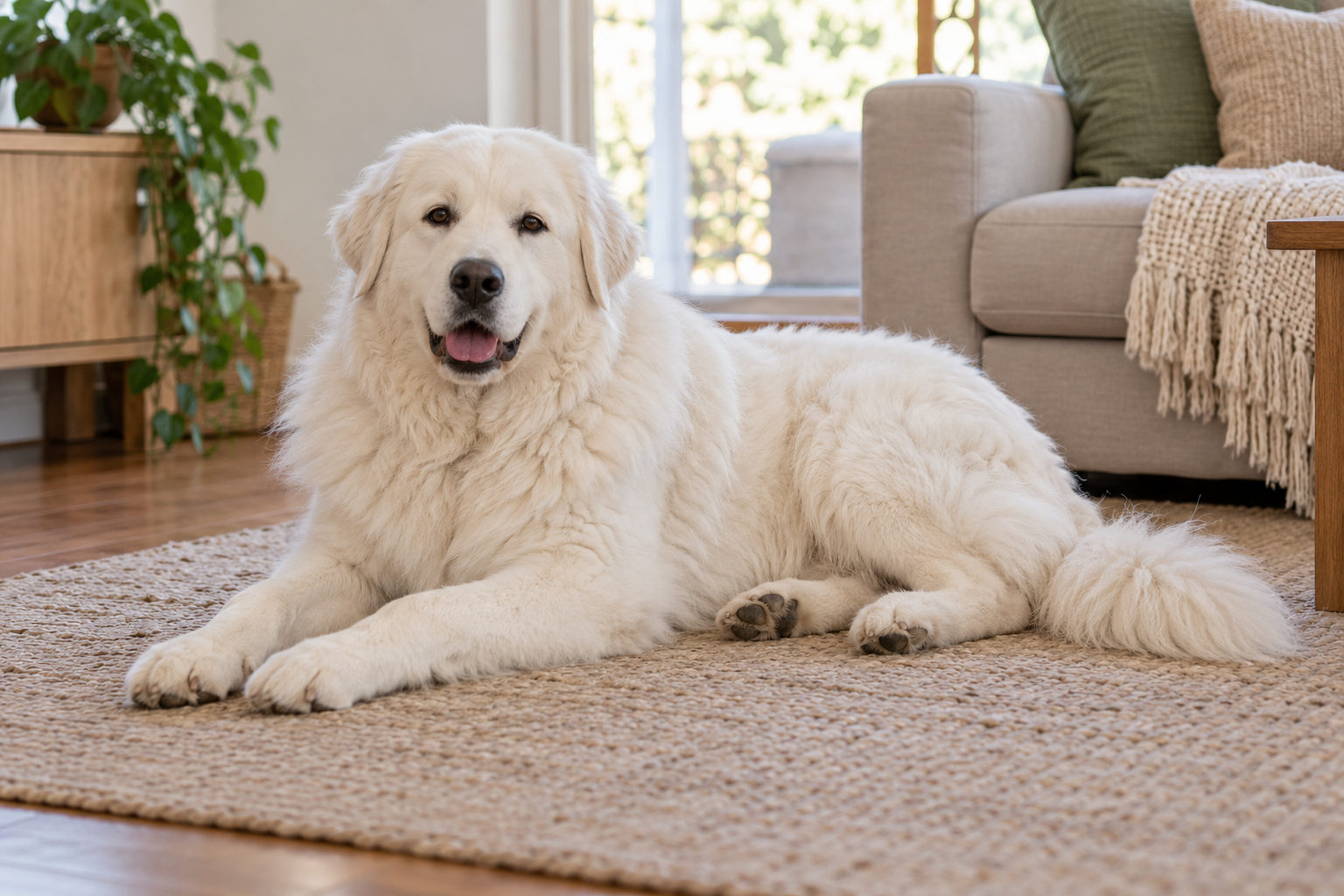
The coat is long, harsh and flat to the body, with a slight wave allowed and a thick collar around the neck. The undercoat is abundant in winter and much lighter in summer. The only accepted colour is solid white, with light ivory, pale orange or lemon shading tolerated in small amounts. Black shading or defined coloured patches are disqualifying under the standard.
Distinctive Features
The head is large and conical, often compared with a polar bear's, with a black nose, dark eyes and black eye rims. Good pigmentation on the nose, lips and eyelids matters practically in Australia, because it protects against sunburn and skin cancer. Ears are small, triangular and hang close to the head.
Gender Differences
Males are taller and heavier, with a bigger head and a more pronounced mane. Females are smaller and often described by owners as a little more biddable. Both sexes guard, and on farms working pairs are often a male and a female.
Temperament of the Maremma Sheepdog: Independent, Protective and Watchful
Core Personality Traits
The breed standard describes the Maremma as working with perception, courage and decision, a proud dog not inclined to submit yet devoted to its owner and household. Owners describe a calm, gentle dog with its family that becomes alert and imposing when it senses a threat. Dr van Bommel, quoted by the ANU Reporter, describes guardian dogs as "more like cats than dogs" because they are so independent.
Social Behaviour
Maremmas are loving and loyal with their own people but aloof and wary with strangers, as the Dogs NSW breed profile puts it. Visitors are usually watched rather than welcomed, and the dog may position itself between strangers and its family. Early, careful socialisation helps, but the breed will never be a dog that greets everyone at the gate.
Working Instincts
A Maremma's guarding instinct is strong, constant and not something training removes. The dog patrols its boundary, barks at noises in the night and confronts animals it sees as a threat, including dogs, foxes and sometimes neighbours' pets. On farms, pups raised with stock bond to them and protect them. In a suburban home, the "flock" becomes the family and the yard, and the patrol continues.
Common Behavioural Challenges
Night barking, roaming and escaping are the most common problems. A Maremma that thinks its territory extends beyond the fence will try to expand it, and the Dogs NSW profile records the breed becoming a nuisance barker in suburban areas. In Victoria, for example, councils can act on nuisance barking complaints under the Domestic Animals Act, which can lead to a notice to comply and, in the end, court action. Poorly raised working pups can also chase or play roughly with stock, which Dr van Bommel links to dogs that were not introduced to livestock gradually.
Intelligence and Trainability of the Maremma Sheepdog: Clever but Self-Directed
Intelligence and Learning Ability
Maremmas are highly intelligent, but their intelligence is aimed at making decisions on their own, often far from a person. They understand what you are asking; they simply weigh it against what they think matters. That is ideal in a paddock at 2 am and frustrating in an obedience class.
Training Approach
Calm, consistent, reward-based training works best, with short sessions focused on the essentials: coming when called, walking on a lead, accepting handling and leaving stock alone during play. The Dogs NSW profile says training, although not impossible, can be a challenge. Harsh methods damage trust with a dog this independent and do not improve compliance.
Early Socialisation
Working pups should be introduced to their stock gradually and supervised closely, ideally alongside an older guardian dog. Companion pups need wide, positive exposure to visitors, children, vets, grooming and traffic before about sixteen weeks, because a wary adult Maremma is hard to change. Plan visits to the vet and groomer as regular, pleasant routines.
Potential Training Challenges
Off-lead recall is unreliable in most Maremmas, especially once they are on patrol. Adolescence brings testing of boundaries and, in some dogs, rough play with stock or other pets. Barking is the hardest behaviour to shape, because it is the breed's main working tool, and the goal is management rather than silence.
Maremma Sheepdog Family Life: Living with Children, Pets, and Households
Living with Children
Maremmas raised with children are often gentle and protective with them, but they are large and powerful, and they may misread rough play or children's visiting friends as a threat. Always supervise children with the dog, teach children not to run or wrestle near it and manage visits from other children carefully.
Living with Other Pets
A Maremma raised with chickens, goats, cats or another family dog usually accepts and protects them, which is what the breed was made for. Unfamiliar dogs are a different matter, and many Maremmas are intolerant of strange dogs entering their territory. Introductions to new animals should be slow and supervised.
Household Environment
The Maremma is best suited to rural properties and hobby farms. The Dogs NSW profile describes the breed as problematic as a backyard pet and not happy if left home alone. Secure fencing of at least 1.8 metres, ideally with a dig guard, is essential, because a guardian that roams can end up on roads or in conflict with neighbours. Inside, a Maremma is often calm and quiet, but it needs space.
Lifestyle Compatibility
Ideal homes are farms with livestock to guard, lifestyle blocks with poultry and owners who can take the dog everywhere. Suburban homes with close neighbours, apartments and households that want an outgoing, sociable dog suit the breed poorly. If you live in town, ask yourself honestly whether night barking would be acceptable to you and to the people next door.
Health of the Maremma Sheepdog: Joints, Bloat, Skin and Lifespan
Lifespan and Healthy Living
Most Maremmas live around 11 to 14 years, which is good for a large breed. The Dogs NSW profile gives a usual life span of 12 to 14 years, while UK and retailer sources quote figures from 11 years. Keeping the dog lean, sheltered from extreme heat and checked regularly helps it reach the upper end.
Common Health Conditions
The Dogs NSW profile describes the Maremma as usually quite a sound breed with no real breed-specific problems, and breed-specific health data is limited. Owners should still be aware of conditions seen in large guardian breeds. It is best to discuss any concerns with a veterinarian.
- Hip and elbow dysplasia. Abnormal joint development that can lead to arthritis. The Kennel Club's Maremma Sheepdog health guidance recommends hip screening for breeding dogs.
- Gastric dilatation volvulus (bloat). A sudden, life-threatening twisting of the stomach seen in deep-chested large dogs. Signs include a swollen belly, retching without producing anything and restlessness, and it needs emergency veterinary care.
- Entropion and other eyelid disorders. Inward or outward rolling of the eyelids that can irritate the eye.
- Skin cancer. Dogs with poor nose pigmentation may develop skin cancer, according to the Dogs NSW profile, which matters under Australian sun.
Genetic Health Testing
Ask for hip and elbow scores for both parents and a current eye examination. There are no breed-specific DNA tests in routine use, so the parents' scores, their pigmentation and the health and longevity of relatives are the most useful information available. Farm litters are often sold without any screening, which is worth weighing against their lower price.
Preventative Health Care
Keep vaccinations current and use year-round flea, worm, heartworm and tick prevention, including paralysis tick cover on the east coast, where ticks are hard to find in a long white coat. Rural dogs face snake bite and 1080 baiting risks, so discuss local precautions with your vet. Feed two meals a day and avoid hard exercise around meals to reduce bloat risk, and ask your vet whether a preventive gastropexy at desexing makes sense.
Caring for the Maremma Sheepdog: Daily Care and Living Environment
Daily Care Routine
A working Maremma's day is spent with its stock, with a daily check of its body, feet and food and water. A companion Maremma needs a walk of about 40 minutes, time to patrol a secure yard and regular contact with its family. Brush the coat weekly and check for ticks, grass seeds and burrs.
Living Environment Requirements
Provide secure fencing of at least 1.8 metres, deep shade, shelter from rain and constant water. Working dogs need a sheltered spot within the paddock. Companion dogs should have access to the house, and a space to sleep where night barking will disturb as few people as possible.
Climate Sensitivity
The white double coat reflects sun and insulates against heat, which is why it should never be shaved; clipping removes that protection and exposes the skin to sunburn. A grooming routine for double-coated dogs that removes loose undercoat keeps air moving through the coat in summer. Watch for heat stress on very hot days, know which temperatures are unsafe for dogs, and protect pink noses from sunburn.
Caring for Senior Maremmas
Older Maremmas often keep guarding but tire more easily. Provide soft, raised bedding, non-slip flooring and shorter, gentler walks. Arthritis is common in older large dogs, so discuss pain relief and joint support with your vet, and consider a younger guardian to share the work on farms.
Grooming of the Maremma Sheepdog: Caring for a White Double Coat
Coat Maintenance
Brush the coat thoroughly once a week with a slicker brush and an undercoat rake, working down to the skin. During the seasonal moult, when the winter undercoat comes out, brush daily for a week or two. The harsh outer coat sheds dirt surprisingly well once dry.
Ear, Nail, and Dental Care
Check ears weekly for wax, grass seeds and redness. Trim nails every few weeks, including the dewclaws, which do not wear down. Brush teeth several times a week, or provide dental chews suitable for a large dog.
Bathing and Professional Grooming
Bathe only occasionally, since frequent bathing strips the coat's natural weather resistance. A professional groomer can help with a seasonal deshed, but the coat should be kept in its natural length, not clipped. Mats behind the ears and on the hindquarters should be teased out before they tighten.
Sun and Pigment Care
Check the nose, lips and eyelids for sunburn or sores, especially on dogs with patchy pigment. Use a pet-safe sunscreen on pink areas if your vet recommends it, and raise any non-healing sore promptly.
Exercise Needs of the Maremma Sheepdog: Patrol, Not Marathons
Daily Exercise Requirements
Maremmas are not high-energy athletes. The Dogs NSW profile suggests about 40 minutes a day, and working dogs get most of their activity patrolling their paddocks. What they need most is space and a sense of purpose, rather than long runs.
Activities Maremmas Enjoy
Steady walks, exploring new places on lead, patrolling a large secure area and spending time with their animals all suit the breed. Fetch and fast games rarely interest a Maremma for long. Short scent games and simple training can keep a companion dog's mind busy.
Exercise by Life Stage
Puppies need gentle play and short walks, since a fast-growing large breed is vulnerable to joint damage from forced running and jumping. Build up gradually until about eighteen months. Adults are steady rather than sporty. Seniors need shorter, slower walks on soft ground.
Importance of Mental Stimulation
For a Maremma, mental stimulation comes from having a job and a territory. A companion dog without stock benefits from varied walks, chews, food puzzles and calm training. Without that outlet, boredom tends to show up as barking, digging or escape attempts.
Feeding the Maremma Sheepdog: Nutrition and Diet Needs
Nutritional Requirements
A complete, balanced diet formulated for large breeds suits most Maremmas. Working guardians outdoors in winter may need more energy, while companion dogs often need less than the packet suggests. Keep the diet consistent and avoid frequent sudden changes.
Feeding by Life Stage
Feed a large-breed puppy food so growth is steady rather than rapid, and follow a large-breed puppy feeding schedule with three to four meals a day at first. Move to two meals a day by six months and continue twice-daily feeding for life. Transition to adult food at around twelve to eighteen months, as advised by your vet.
Portion Control and Weight Management
The thick coat hides weight gain, so feel for the ribs rather than looking. You should feel them easily under a thin layer of fat, and there should be a waist from above. Extra weight adds strain to hips and elbows in a breed already at risk of joint problems.
Special Dietary Considerations
Feed two meals rather than one, avoid hard exercise for an hour either side of meals and do not let the dog gulp large amounts of water after eating, all of which help reduce bloat risk. On farms, do not let guardians eat raw offal or carcasses, which can carry hydatid tapeworm. Never feed grapes, chocolate, onions, macadamias or cooked bones.
Maremma Sheepdog Price in Australia: Purchase Cost and Ongoing Expenses
Puppy Purchase Price
Expect to pay about $800 to $3,000 for a Maremma puppy in Australia, depending on whether it is farm-bred or registered. In the week of 18 October 2026, purebred litters on Gumtree's Maremma listings in Victoria, New South Wales, Queensland and Tasmania asked $500 to $1,700, most commonly $800 to $1,000. One registered Tasmanian litter on the limited register asked $1,000, and a registered South Australian breeder with a litter born in June 2026 asked $2,000 to $3,000.
No Maremma litters were listed on Dogz Online's Maremma puppy page at the time, although 11 breeders were listed, so registered puppies may involve a wait. Farm litters are often sold without registration, health screening or hip scores, which is the main reason they cost less.
A black or coloured "Maremma" puppy is not a purebred Maremma. The breed standard accepts solid white only, and black shading is disqualifying, so a black or patched puppy has another breed in its background, commonly Border Collie or Kelpie on Australian farms.
Initial Setup Costs
RSPCA NSW puts first-year setup costs for a dog at about $60 to $80 for microchipping, $280 to $420 for vaccinations, $350 to $650 for desexing, $40 to $100 for a collar, lead or harness, $100 to $200 for a bed and about $170 for puppy school. For a Maremma, fencing is usually the largest setup cost, followed by a large crate, a heavy-duty bed and grooming tools for the undercoat.
Ongoing Monthly Costs
| Cost | Typical figure (AUD) | Source |
|---|---|---|
| Food | Above the $91 monthly dog average, given a 30 to 45 kg body weight | Animal Medicines Australia, Pets in Australia 2025 |
| Flea and worming | $200 to $250 per year, more for a large dog | RSPCA NSW |
| Heartworm prevention | Up to $250 per year | RSPCA NSW |
| Pet insurance | Around $1,834 per year for a large dog, accident and illness | Canstar, 2026 |
| Annual vet check and booster | From $140 per year | RSPCA NSW |
| Professional grooming | Optional seasonal deshed | n/a |
Canstar's 2026 average for large dog accident and illness cover is around $1,834 a year. Bloat surgery and joint treatment are expensive in a dog this size, so insuring while the puppy is young is worth considering, and working dogs should be checked against any farm-use exclusions.
Long-Term Financial Commitment
Animal Medicines Australia's Pets in Australia 2025 survey puts average spending by dog-owning households at about $2,520 a year, and a Maremma usually sits above that because of its size. Working out the lifetime cost of owning a large dog before buying gives a more honest picture than the puppy price, especially when a low farm price is tempting.
Buying Advice for a Maremma Sheepdog: Choosing a Healthy Puppy
Choosing a Responsible Breeder
Decide first whether you want a working guardian or a companion, and choose a breeder whose dogs live that life. Working-line pups raised with stock suit farms; pups raised in a home with visitors and children suit companion homes better. A registered breeder should screen parents, register the litter and ask how you plan to keep the dog.
Health Checks Before Purchase
Meet the mother, and the father if possible, and watch how they react to you. Look for a confident puppy with clear eyes, clean ears, black pigment on the nose and eye rims and sound movement. Ask for hip and elbow scores and written vaccination, worming and microchip records, and check the microchip matches the paperwork.
Questions to Ask the Breeder
- Are both parents registered, and what are their hip and elbow scores?
- Have the parents had an eye examination?
- Were the puppies raised with livestock, in the house, or both?
- How do the parents behave with visitors and children?
- Has there been any bloat or early cancer in the line?
- Is the puppy solid white with full black pigment?
- What is your breeder identification number, and which state issued it?
- Will you take the dog back if it does not suit our property?
Considering Adoption
Adult Maremmas are regularly surrendered, often by suburban owners who were not prepared for night barking and roaming, or by farmers whose circumstances changed. An adult guardian from a breed rescue or rehoming listing can be an excellent choice for a rural home, because its behaviour with stock, children and other dogs is already known. Ask why the dog is being rehomed and how it lived before.
Is the Maremma Sheepdog Right for You? A Guardian That Needs a Job
Lifestyle Compatibility
The Maremma suits farms, hobby blocks and rural homes with animals to guard.
It suits suburban backyards, close neighbours and apartment living poorly.
Time and Care Commitment
Daily exercise is moderate, but fencing, socialisation and weekly coat care take real commitment.
That commitment runs for 11 to 14 years.
Grooming and Health Awareness
Expect weekly brushing, heavy seasonal shedding and no clipping.
Learn the signs of bloat, ask for hip and elbow scores and protect pink skin from the sun.
Ideal Owner Profile
The ideal owner is experienced, patient and comfortable with an independent dog.
They have land, secure fencing and neighbours who will not mind barking after dark.
Find Maremma Sheepdog Puppies for Sale
If the breed suits your property, you can browse puppies for sale on Pups4Sale and contact breeders directly.
Ask whether the pups were raised with stock or in a home before you choose.
Frequently Asked Questions
Related Breeds
Other working breeds on Pups4Sale.
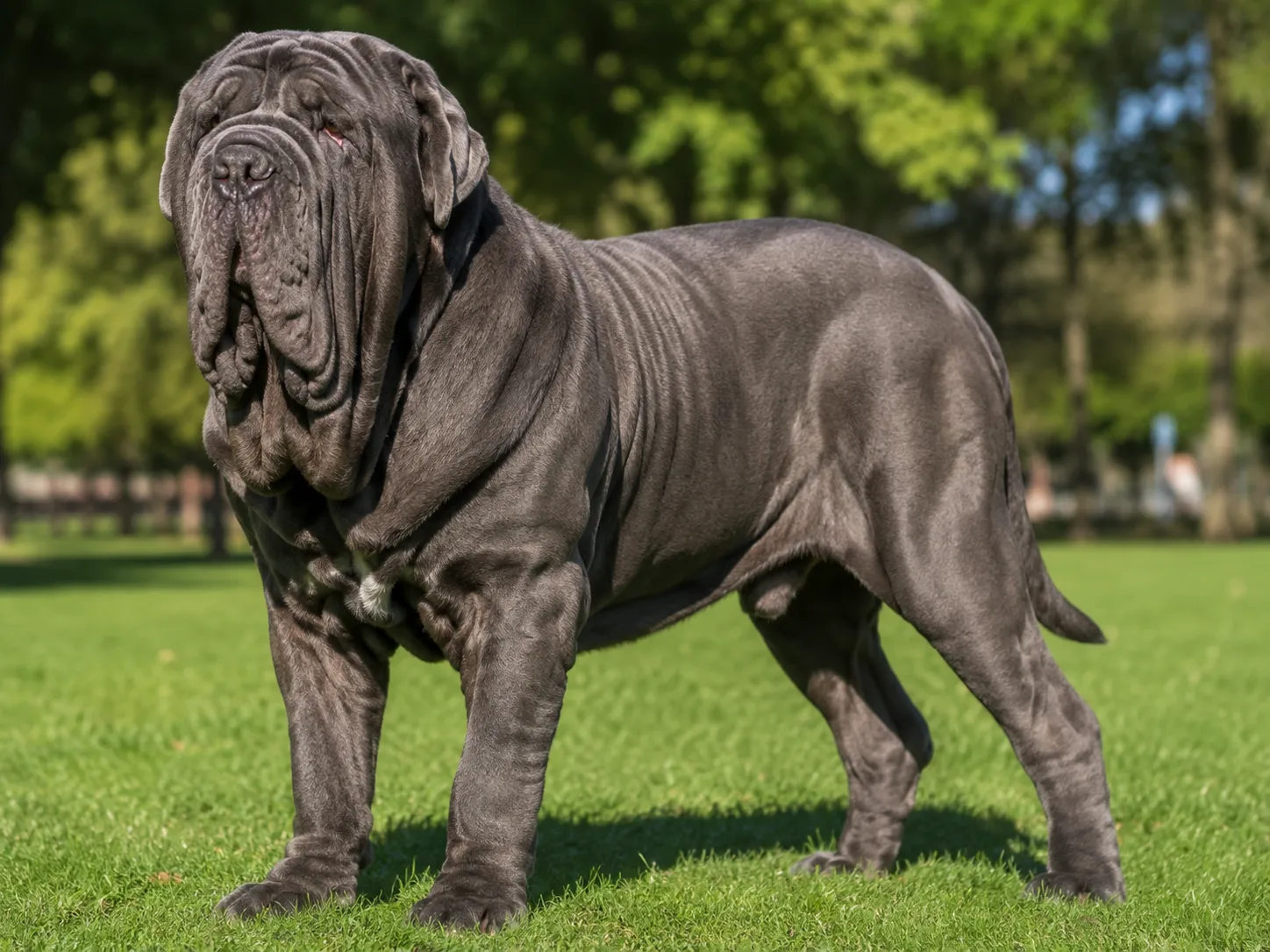 Neapolitan MastiffGiant • Working (Mastiff type guardian)
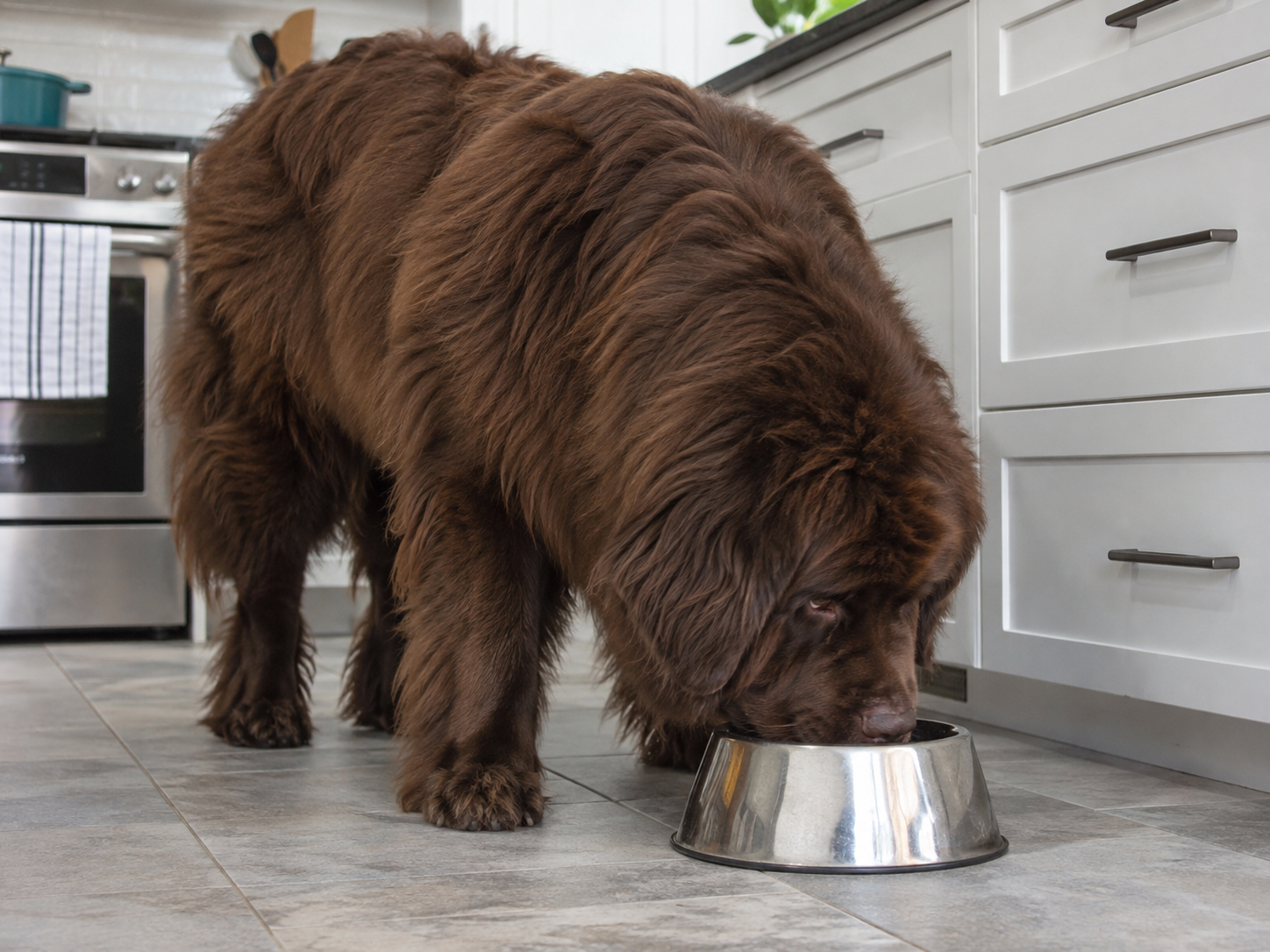 NewfoundlandGiant • Working Dogs
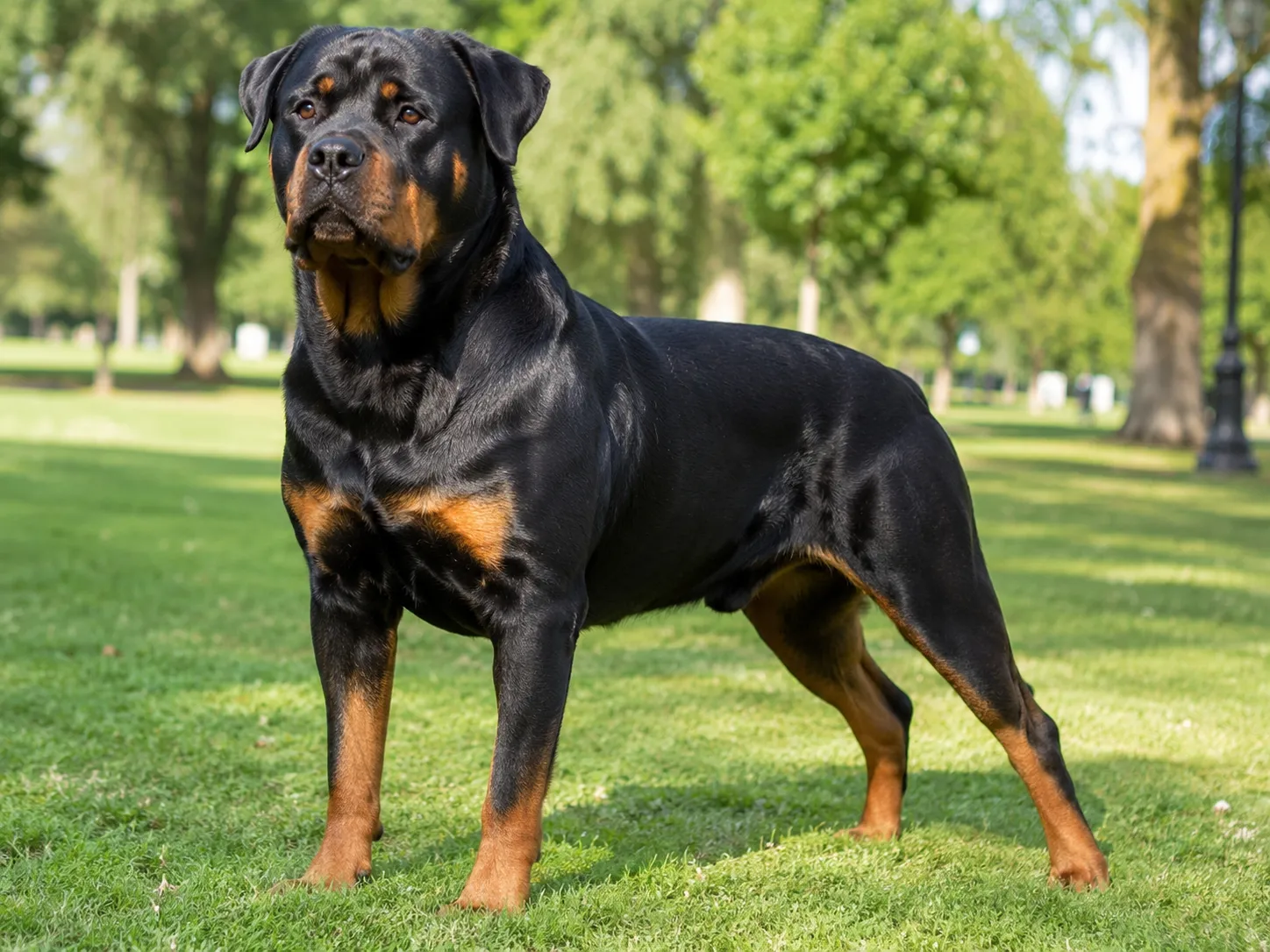 RottweilerLarge • Working / Guardian
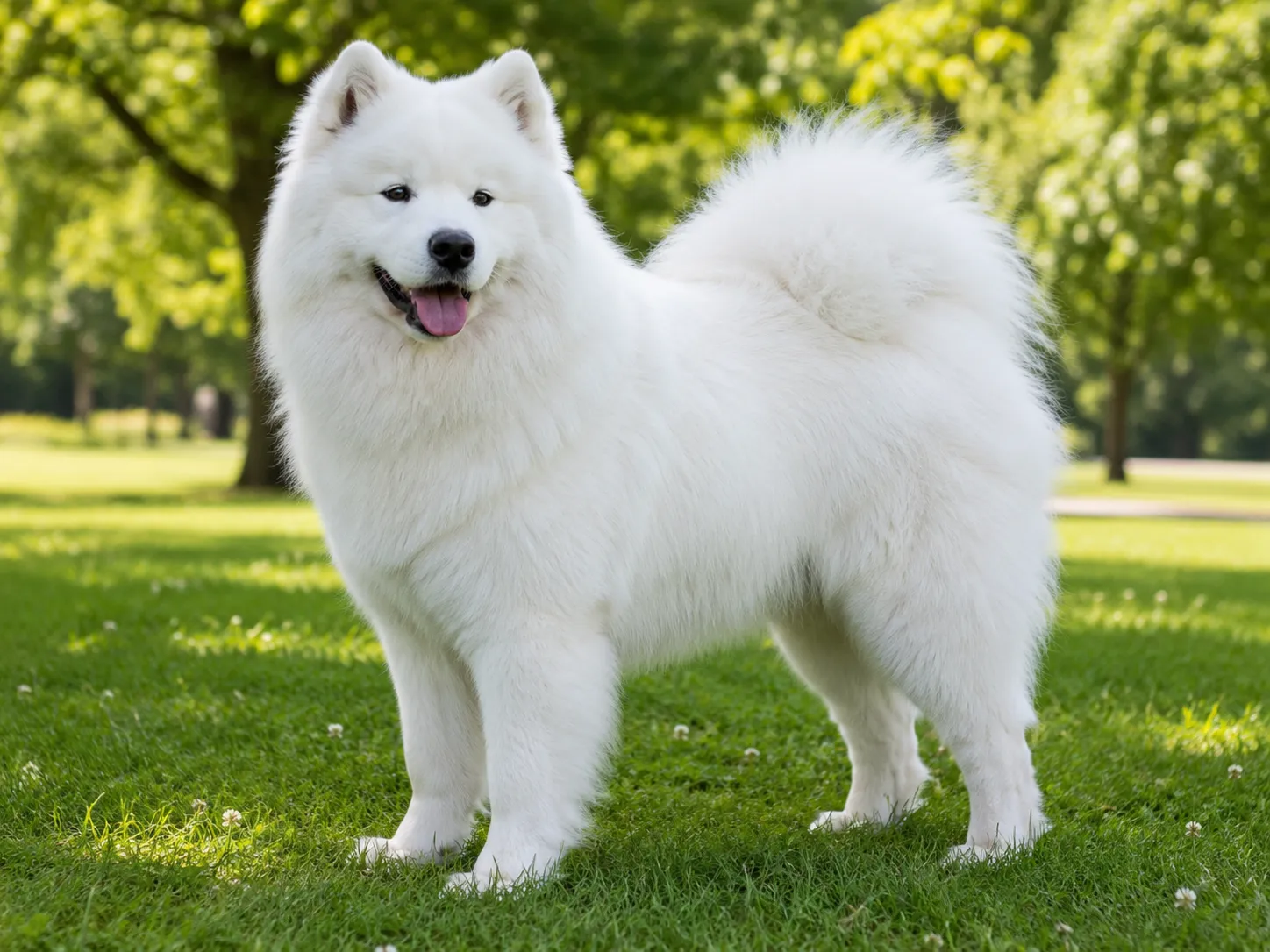 SamoyedLarge • Working Group
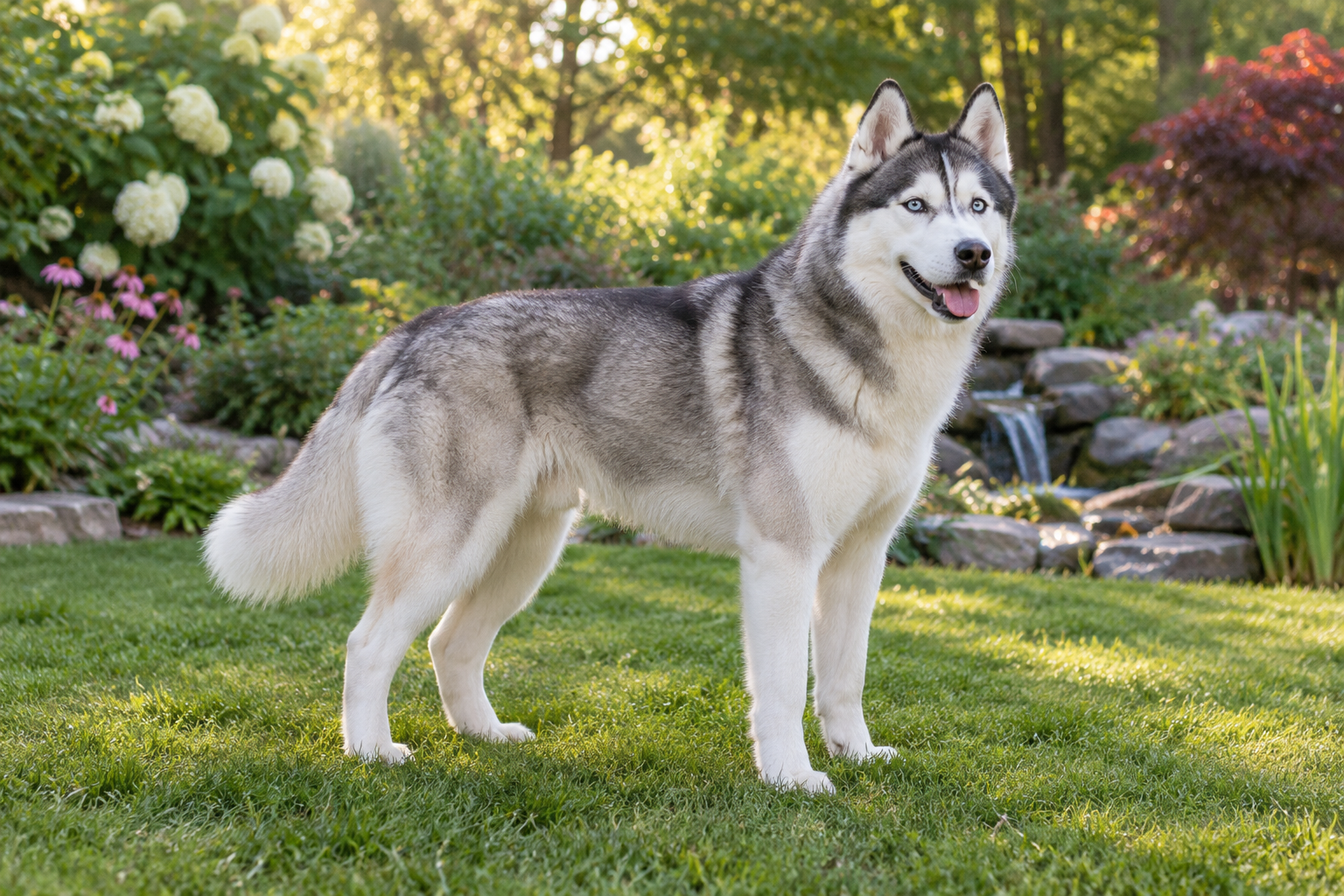 Siberian HuskyMedium • Utility (Group 6)
 Tibetan MastiffGiant • Utility (Group 6)