Siberian Husky
By James C. • Updated
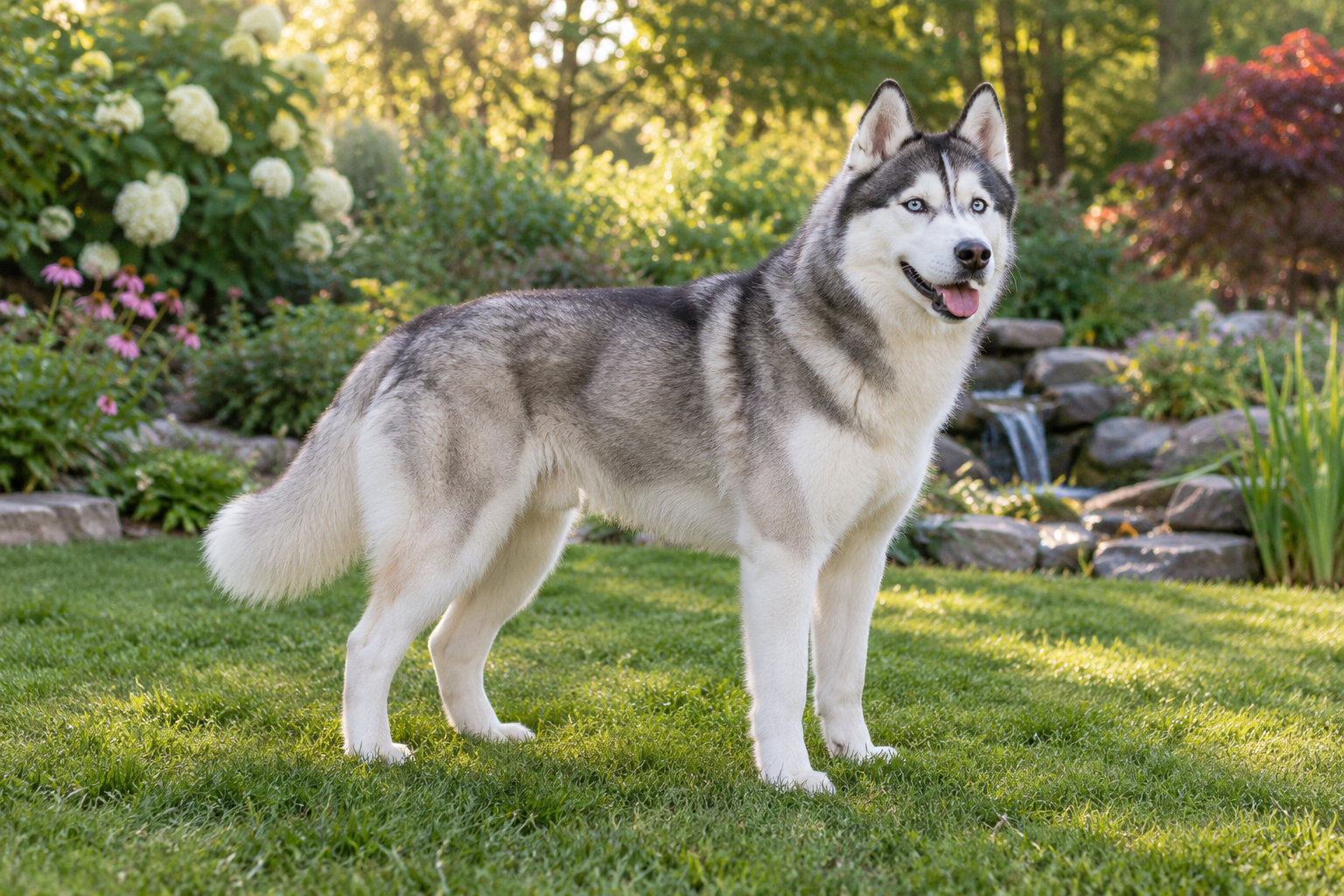
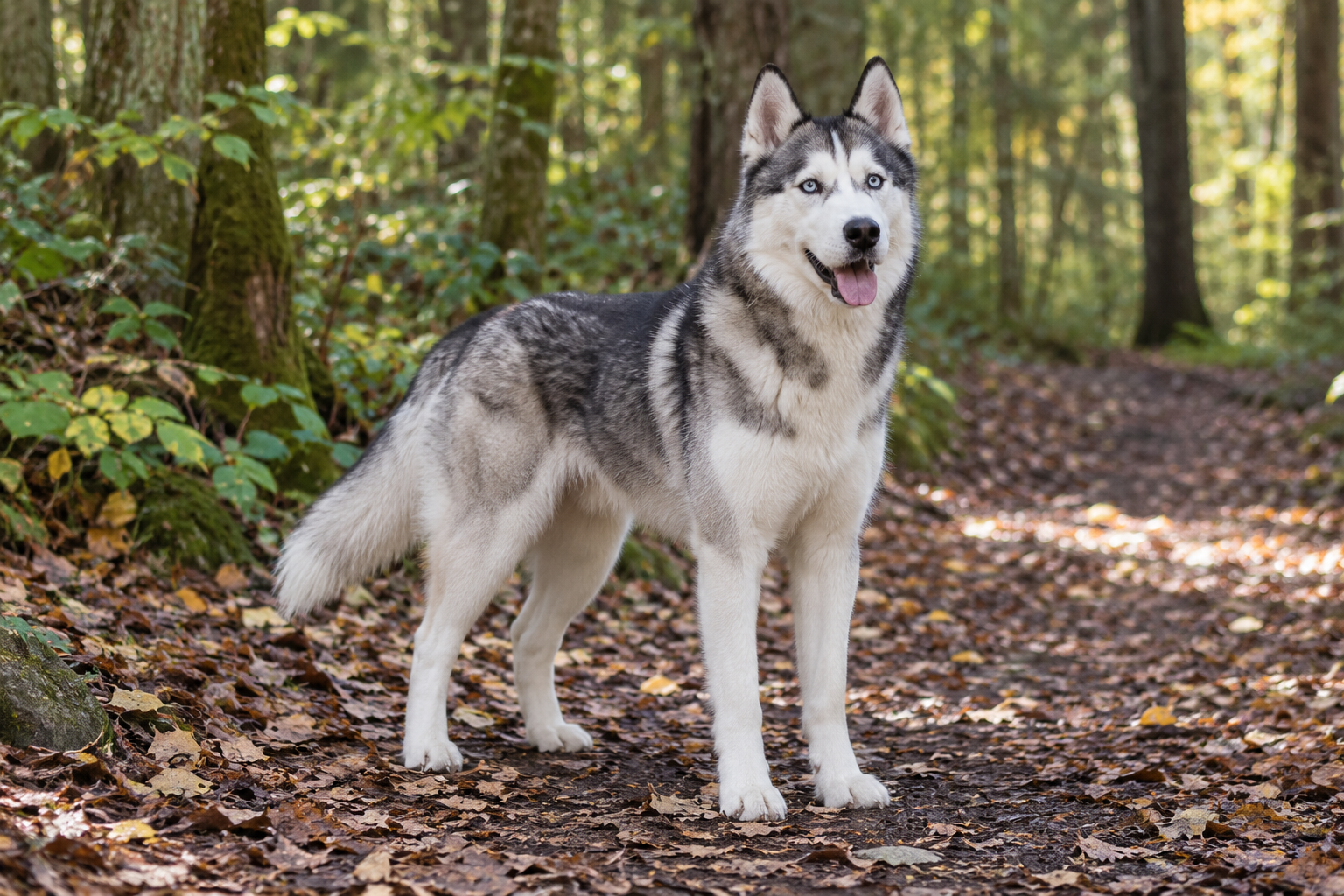
The Siberian Husky is a medium-sized sled dog developed by the Chukchi people of north-east Siberia for long-distance hauling in extreme cold. It is friendly, sociable and famously independent, with a thick double coat, a striking mask and eyes that may be blue, brown or one of each. Males stand 53.5 to 60 cm and females 51 to 56 cm under the Dogs Australia standard, with a lifespan of roughly 11 to 14 years. It needs a great deal of exercise, very secure fencing and an owner who understands that it was bred to run, not to guard or retrieve. In Australia it is recognised by Dogs Australia in Group 6, Utility.
Breed Overview
Life Span
11 - 14 years
Average Price
AUD 1800 - AUD 4000
Weight
Male: 20 - 27 kg Female: 16 - 23 kg
Height
Male: 53.5 - 60 cm Female: 51 - 56 cm
Life Expectancy
Male/Female: 11 - 14 years
Breed Group
Utility (Group 6)
Nicknames
Husky, Sibe
Breed Information
The Siberian Husky is a medium-sized sled dog bred to pull light loads over long distances, and it remains one of the most recognisable and most misunderstood breeds in Australia. Its wolf-like face, pale eyes and friendly manner draw people in. Its drive to run, its independence and its talent for escaping are what decide whether a household actually copes.
If you have wondered whether a Husky and a Siberian Husky are different dogs, the answer is that the Siberian Husky is the recognised breed. "Husky" is the everyday short name, and the Alaskan Husky is a working sled type bred purely for performance, with no breed standard or registry. When an Australian breeder advertises Husky puppies with papers, they mean Siberian Huskies.
The breed is recognised by Dogs Australia in Group 6, Utility, and there is genuine breeder supply here. On 17 October 2026, Dogz Online listed 55 Siberian Husky breeders and nine current litters. That makes it far easier to find a well-bred puppy than many breeds of similar popularity, provided you know what to ask.
Characteristics of the Siberian Husky
The Siberian Husky rates very highly for exercise needs, shedding and friendliness, and low for trainability and tolerance of being alone, which is the combination that catches out unprepared owners.
| Trait | Rating | Star Rating | Meaning |
|---|---|---|---|
| Size | Medium | ★★★ | 16 to 27 kg, lighter and more agile than most people expect. |
| Adaptability | Low | ★★ | Struggles with heat, confinement and long hours alone. |
| Exercise Needs | Very High | ★★★★★ | At least two hours daily, ideally including running. |
| Easy to Train | Low | ★★ | Intelligent but independent, and recall is rarely reliable. |
| Amount of Shedding | Very High | ★★★★★ | Constant light shedding plus heavy seasonal coat blows. |
| Grooming Needs | Moderate | ★★★ | Weekly brushing, daily during a coat blow. |
| Good With Children | Very Good | ★★★★ | Gentle and playful, though boisterous as a young dog. |
| Health | Good | ★★★★ | Generally hardy, with inherited eye conditions to screen for. |
| Cost to Keep | Moderate | ★★★ | Moderate food bill, with fencing and cooling as the big extras. |
| Tolerates Being Alone | Very Low | ★ | A pack dog that howls, digs and escapes when isolated. |
| Intelligence | Good | ★★★★ | Clever problem solver, motivated by its own goals. |
History of the Siberian Husky: From Chukchi Sled Dog to Family Companion
The Siberian Husky was developed by the Chukchi people of north-east Siberia, who relied on teams of light, fast, enduring dogs to haul sleds across huge distances in extreme cold. The priority was efficiency rather than size or strength. A dog that could keep moving all day on modest food, sleep outside in a snowstorm and work happily in a team was worth more than a powerful one, and that brief explains much of the breed's character today.
Siberian sled dogs were brought to Alaska in the early twentieth century, where they quickly proved themselves in long-distance sled races against larger local dogs. The breed's lasting fame came from the 1925 serum run to Nome, when relay teams of sled dogs carried diphtheria antitoxin across Alaska to an isolated town during an outbreak. Huskies ran several of the key legs, and the story made them household names.
Formal recognition followed in North America, and the breed spread worldwide as both a working sled dog and a companion. In Australia, Siberian Huskies are shown, raced in dryland sled sports and kept overwhelmingly as family pets. The working instincts have not faded with the change of role.
Appearance of the Siberian Husky: Agile, Double-Coated and Striking
Size and Build
The Dogs Australia breed standard sets males at 53.5 to 60 cm and 20 to 27 kg, and females at 51 to 56 cm and 16 to 23 kg, with dogs over the height limit disqualified from the show ring. The build is moderate and compact, slightly longer than tall, with a level back and well-muscled hindquarters. Everything about the frame points to speed and endurance rather than raw power. A Husky that looks heavy or bulky has usually drifted away from the breed's purpose.
Coat and Colours
The coat is a medium-length double coat: a soft, dense undercoat beneath straight guard hairs. The standard allows every colour from black to pure white, and grey and white, red and white, black and white and agouti are all common. Facial masks and head markings vary widely and are part of the breed's appeal. The standard permits only light tidying of the feet and whiskers, which reflects how central the natural coat is to the dog's function.
Distinctive Features
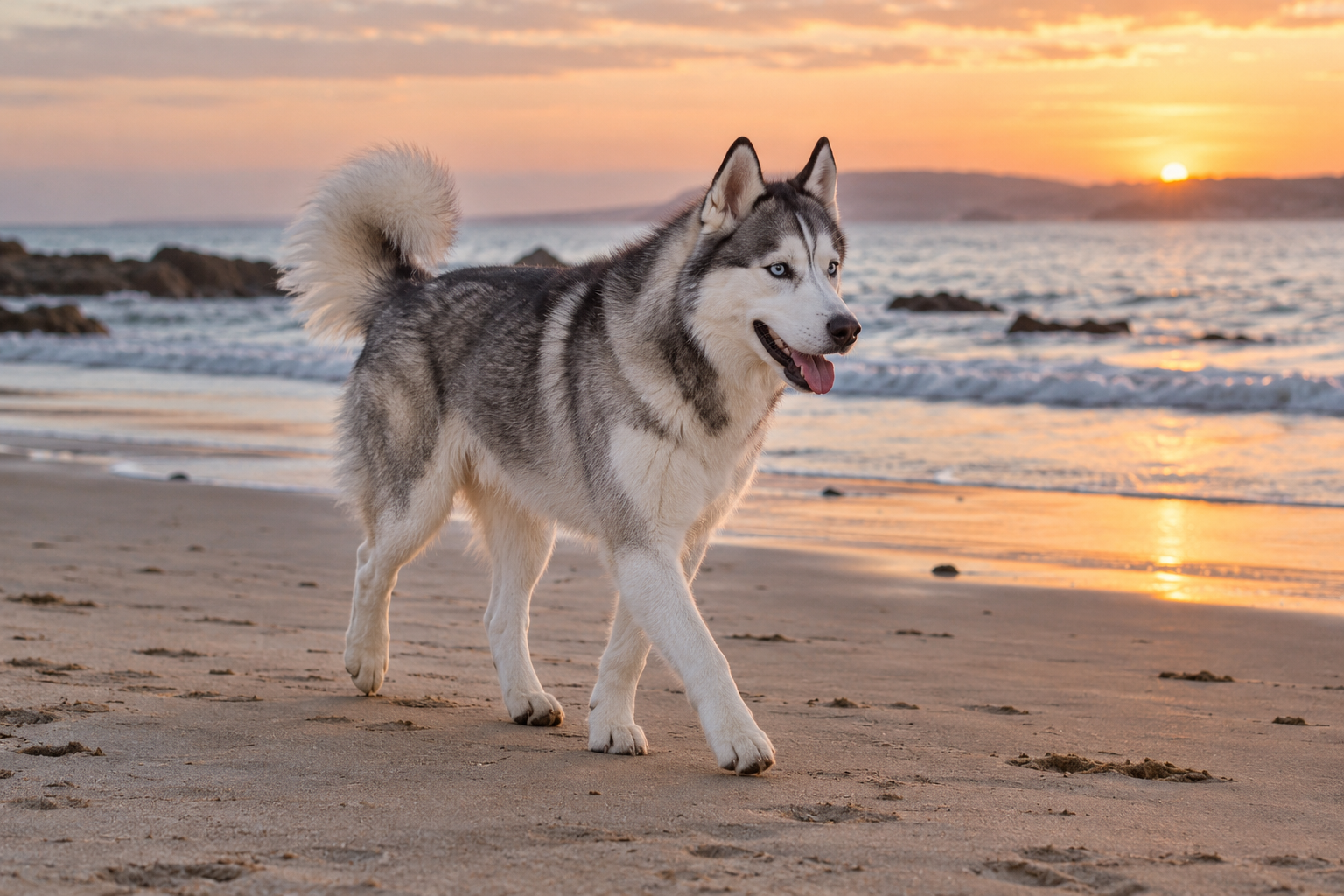
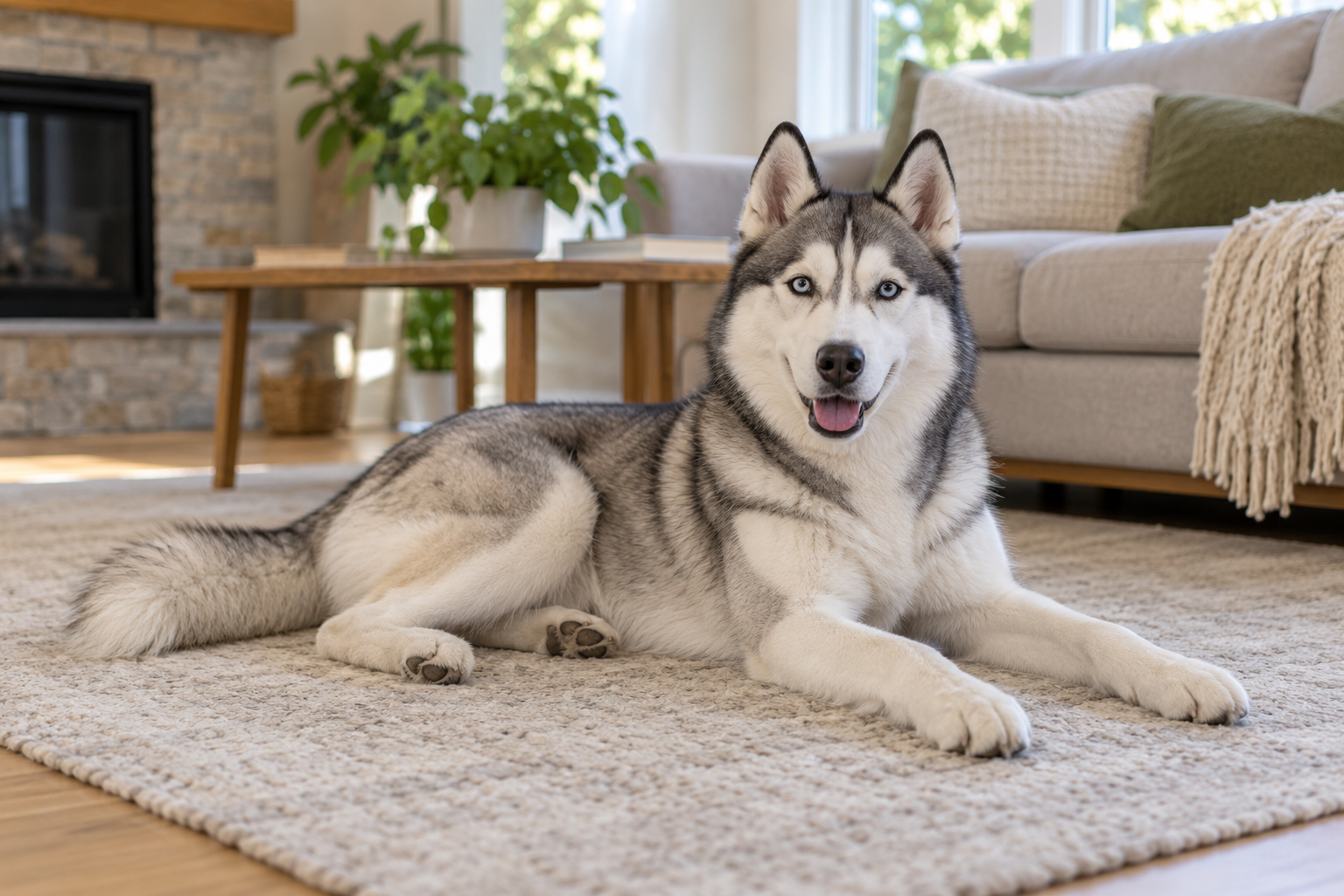
The eyes are almond-shaped and may be brown, blue, one of each, or parti-coloured, and all are correct. Ears are triangular and erect, and the well-furred tail is carried in a sickle curve when the dog is alert.
Gender Differences
Males are taller, heavier and broader through the head and chest, and the size difference is large enough that the standard sets separate ranges for each sex. Females are lighter and finer boned. Temperament differences are modest, though some owners find males more pushy through adolescence. The individual dog matters more than sex when choosing a family companion.
Temperament of the Siberian Husky: Friendly, Independent and Driven
Core Personality Traits
Huskies are typically friendly, outgoing and gentle, with a playful streak that lasts well into adulthood. They are not one-person dogs and tend to greet visitors with enthusiasm rather than suspicion. They are also strongly independent. A team sled dog was bred to make its own decisions about terrain and pace, and modern Huskies apply the same judgement to whether a command is worth following.
Social Behaviour
This is a sociable pack dog that generally enjoys the company of other dogs and people. It is a poor guard dog, since most Huskies are delighted to meet a stranger. Huskies are also vocal, though they tend to howl, "talk" and yodel rather than bark, and a bored or lonely Husky can be loud enough to strain relations with neighbours.
Working Instincts
The urge to run is the defining fact of Husky ownership. Given an open gate, many Huskies will simply leave and keep going, not out of unhappiness but because running is what they were bred for. Prey drive is also strong, and cats, chickens, rabbits and wildlife are at real risk. Off-lead exercise belongs in securely fenced areas only, and that rule rarely relaxes with age.
Common Behavioural Challenges
The most common problems are escaping, digging, howling and destructive chewing, and nearly all of them come from too little exercise and too much time alone. Huskies dig to cool down, to escape and for entertainment, so a dedicated digging area can save a garden. Breeders and rescues commonly describe the Husky as a breed given up after the puppy stage, once the scale of its needs becomes clear.
Intelligence and Trainability of the Siberian Husky: Clever but Self-Directed
Intelligence and Learning Ability
Huskies are quick learners and capable problem solvers, which shows up most clearly in their ability to open latches, climb fences and find weak points in a yard. They learn routines fast. What they lack is the strong desire to please that makes breeds such as the Border Collie or Labrador easy to train, so a Husky will often understand a command perfectly well and still decide not to follow it.
Training Approach
Reward-based training with high-value food and short, varied sessions works best. Repetitive drilling bores Huskies quickly. Focus early on loose-lead walking, a solid "wait" at doors and gates, and handling for grooming, since these are the skills that matter most in daily life.
Early Socialisation
Broad early exposure to people, children, other dogs, traffic and household noise produces a confident, easy adult. Careful, supervised exposure to cats and small animals in the home from puppyhood helps, though it does not remove prey drive. Puppy school is valuable for a Husky because it builds attention around distractions, which is the breed's weakest area.
Potential Training Challenges
Off-lead recall is the permanent limitation. Most experienced Husky owners and breeders advise never trusting a Husky off lead in an unfenced area, however well trained it seems at home. Adolescence, roughly six to eighteen months, brings a surge in testing and escaping. Huskies also pull strongly on lead, which is unsurprising in a sled dog, so a well-fitted harness and consistent loose-lead work are worth investing in early.
Siberian Husky Family Life: Living with Children, Pets, and Households
Living with Children
Huskies are generally gentle, tolerant and playful with children, and their lack of guarding instinct makes them relaxed around visiting friends. Young Huskies are bouncy and strong, so supervise toddlers and teach children calm greetings. Children also need to learn to shut gates and doors every time, because one slip is all a Husky needs.
Living with Other Pets
Most Huskies enjoy living with another dog, and many owners find a second dog eases boredom. Cats and small pets are a different matter. A Husky raised with a particular cat may accept it, but the same dog may chase a neighbour's cat, and poultry, rabbits and guinea pigs are at genuine risk in a household with a Husky.
Household Environment
Fencing is the single most important requirement. Plan for solid fencing of at least 1.8 metres with no footholds, a dig barrier along the base such as buried mesh or a concrete footing, and self-closing gates with latches the dog cannot reach or lift. Inside, Huskies are clean and fairly calm once exercised. A Husky that gets out may be picked up by council rangers and impounded, which brings fees and, for repeat incidents, stricter conditions.
Lifestyle Compatibility
The breed suits runners, cyclists, hikers and people interested in dryland sled sports such as canicross and bikejoring. It suits households where someone is home for much of the day or where a second dog provides company. For owners who work, gradual training and practical ways to ease separation anxiety make the hours apart far easier for a pack-minded dog.
Health of the Siberian Husky: Eyes, Hips, Skin and Lifespan
Lifespan and Healthy Living
Australian sources generally quote 11 to 15 years. A large UK study of companion dog longevity gives the most robust single figure, a median of 11.9 years across more than 4,400 Siberian Huskies. Keeping the dog lean, fit and protected from heat stress are the most practical ways an owner can support a long life.
Common Health Conditions
The Siberian Husky is a generally hardy breed, but owners should be aware of several conditions that can be associated with it. It is best to discuss any concerns with a veterinarian.
- Inherited eye disease. The Siberian Husky Club of America identifies juvenile cataracts, corneal dystrophy and progressive retinal atrophy as the inherited eye defects of concern in the breed. Glaucoma has also been reported.
- Hip dysplasia. Less common than in many larger breeds, but listed among the breed's concerns by the PDSA.
- Zinc-responsive dermatosis. A familial skin condition, described in the Merck Veterinary Manual as seen in Siberian Huskies and Alaskan Malamutes, causing crusting around the eyes, lips and ears.
- Epilepsy. Included among the breed's health concerns by the UK veterinary charity PDSA.
- Heat stress. Not an inherited condition, but the most realistic everyday risk for a double-coated northern breed in an Australian summer.
Genetic Health Testing
Ask for current eye examination results for both parents from a veterinary ophthalmologist, ideally repeated annually since some eye conditions develop with age. Ask for hip scores, and elbow scores where available. Several Australian breeders listed on Dogz Online state that their breeding dogs are eye tested, hip and elbow scored and DNA tested, which shows that this level of screening is normal and reasonable to expect. A breeder who cannot show eye results for both parents is not meeting the standard set by the breed's own clubs.
Preventative Health Care
Keep vaccinations current and use year-round parasite prevention, including paralysis tick cover on the east coast. The thick coat makes ticks hard to find, so daily checks of the head, neck, ears and between the toes are essential in tick areas. The University of Sydney lists early signs of tick paralysis such as a change in bark, vomiting and wobbly hind legs. Annual vet checks, an eye check as part of each visit and prompt attention to any skin crusting round out routine care.
Caring for the Siberian Husky: Daily Care and Living Environment
Daily Care Routine
A workable day for an adult Husky is a long run or walk in the cool of early morning, a second session in the evening, and some training or scent work in between. Feed twice daily, keep fresh water available at all times and check gate latches regularly.
Living Environment Requirements
Beyond secure fencing, a Husky needs shade, ventilation and access to a cool indoor space. Many owners provide a shallow paddling pool, a shaded digging pit and cooling mats. Huskies are happier and quieter when they live inside with the family rather than being left alone in a yard, where boredom quickly turns into howling and escape attempts.
Climate Sensitivity
Australian heat is the breed's biggest practical challenge. The double coat insulates against heat as well as cold and protects the skin from sunburn, so it should never be shaved. Shaving exposes pale skin to the sun and can damage regrowth, while regular brushing to remove dead undercoat is what actually helps a Husky stay cooler.
In summer, exercise only at dawn and after dark, and skip vigorous exercise on hot, humid days entirely. Provide air conditioning or a cool tiled room on hot days, along with shade and water outdoors. Know the warning signs: the RSPCA lists heavy panting, drooling, red or pale gums, vomiting and weakness among the signs of heatstroke, which is an emergency needing a vet immediately. Checking the temperatures at which exercise becomes unsafe before every summer walk is a sensible habit.
Huskies live comfortably in Tasmania, Victoria, the ACT and cooler parts of New South Wales, South Australia and Western Australia. They can live in subtropical and tropical regions only with consistent air conditioning, strict exercise timing and an owner prepared to manage heat every single day. For much of northern Australia, an honest assessment is that another breed would be a kinder choice.
Caring for Senior Siberian Huskies
Many Huskies stay active well into their senior years. From around eight onwards, watch for stiffness, changes in vision, weight gain and reduced heat tolerance, and keep exercise regular but gentler, with soft bedding and annual eye checks.
Grooming of the Siberian Husky: Managing the Double Coat
Coat Maintenance
Brush thoroughly once or twice a week with an undercoat rake and a slicker brush, working down to the skin rather than skimming the surface. The coat is surprisingly clean and has little odour. The work comes in volume rather than complexity, and the routine for grooming a double-coated dog applies directly to Huskies.
Managing Coat Blows
Once or twice a year, Huskies shed their entire undercoat over two to four weeks, releasing remarkable amounts of fur. During a blow, brush daily, use a high-velocity dryer after bathing if you have access to one, and expect fur on everything. Understanding the difference between shedding and blowing coat helps owners plan for these weeks rather than being caught out.
Ear, Nail, and Dental Care
Check ears weekly and clean only when needed. Trim nails every three to four weeks, or less often for dogs that run on hard surfaces. Brush teeth several times a week, since dental disease is common in dogs generally and easy to prevent.
Bathing and Professional Grooming
Bathe only every few months or when genuinely dirty, and dry the coat thoroughly to the skin, since damp undercoat can lead to skin irritation in humid weather. A professional groomer with a high-velocity dryer can remove a huge amount of dead coat during a blow. Ask for a de-shed service, never a shave.
Exercise Needs of the Siberian Husky: A Sled Dog That Needs to Run
Daily Exercise Requirements
Plan on at least two hours of exercise every day for an adult Husky. The PDSA recommends a minimum of two hours, ideally split across the day. That should include genuine running, not only walking. In summer, exercise at dawn or late evening and test the ground with the back of your hand, and in paralysis tick areas check the dense undercoat thoroughly after every walk in bush or long grass.
Activities Siberian Huskies Enjoy
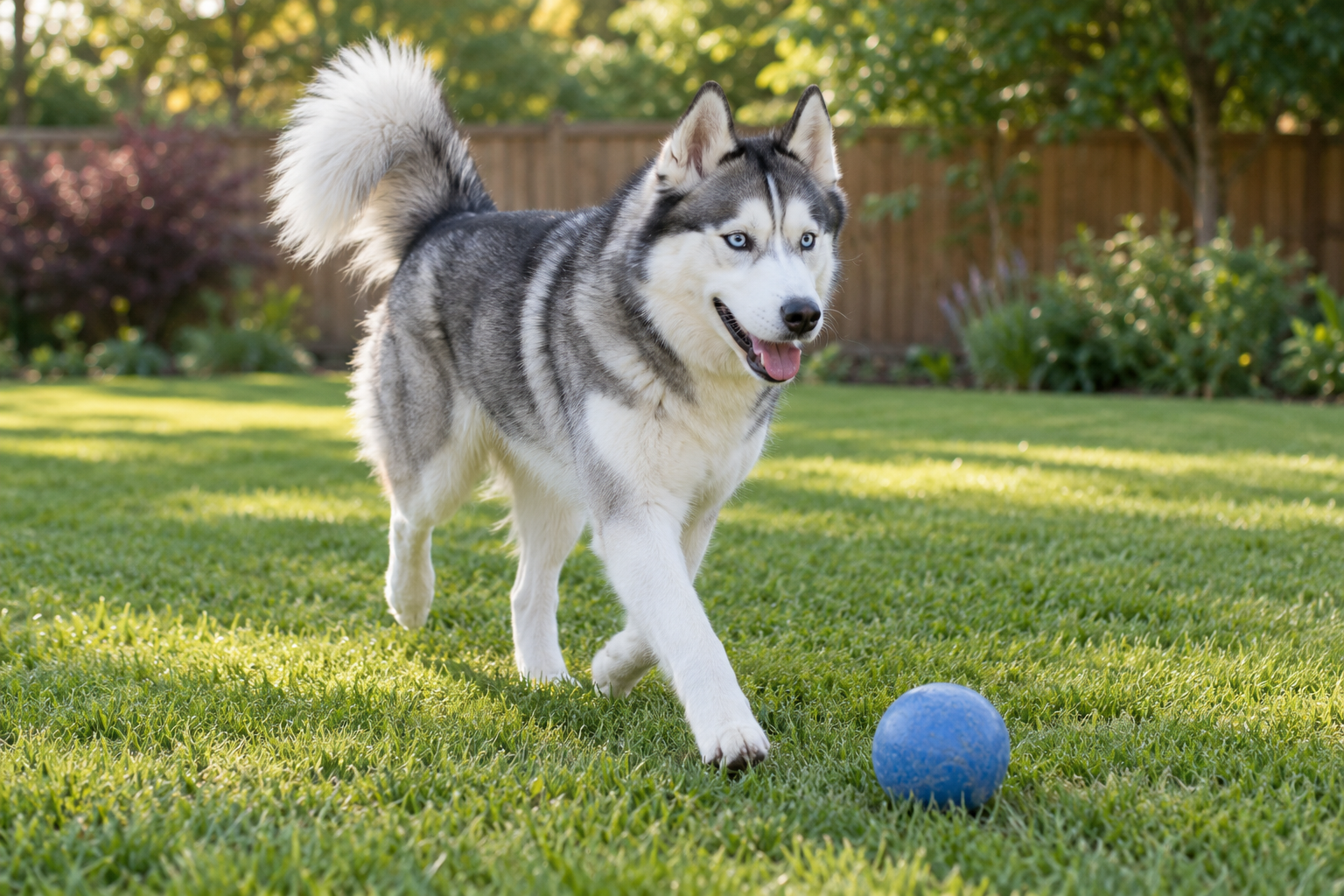
Canicross, bikejoring, scootering and dryland sled sports are the most satisfying outlets because they use the breed's natural pulling drive in a controlled way. Long hikes on lead, running with a fit owner, flirt pole games and off-lead play in a securely fenced dog park all suit the breed. Many Huskies enjoy digging and paddling, which double as cooling activities in summer.
Exercise by Life Stage
Puppies need short, frequent play sessions rather than long runs, and structured running or pulling should wait until growth is complete, around twelve to eighteen months. Adolescents need the most exercise and the most supervision. Healthy adults are genuine endurance athletes. Seniors still enjoy daily walks but need lower impact and more care in the heat.
Importance of Mental Stimulation
A Husky that is physically tired but mentally bored still finds trouble. Puzzle feeders, scatter feeding, scent games, short training sessions and frozen treats keep the mind busy, and they are especially valuable on hot days when physical exercise must be limited.
Feeding the Siberian Husky: Nutrition and Diet Needs
Nutritional Requirements
Huskies are famously efficient eaters, a legacy of sled dogs that worked hard on modest rations. Many need less food than owners expect for their size and activity. A complete diet for medium, active dogs suits most, with energy intake adjusted to workload and season.
Feeding by Life Stage
Feed puppies three to four times a day until around four months, then three meals until six months, and twice daily for life after that. Use a good quality puppy food formulated for medium breeds. Senior Huskies may need fewer calories and a diet that supports joints.
Portion Control and Weight Management
You should be able to feel the ribs easily under the coat, and the dog should have a visible waist when viewed from above. The thick coat hides weight gain, so feel rather than look. Extra weight reduces heat tolerance, which matters more for a Husky in Australia than for most breeds.
Special Dietary Considerations
Because zinc-responsive dermatosis can occur in the breed, persistent crusting around the face or footpads should be checked by a veterinarian rather than treated with supplements at home. Avoid the standard toxic foods, including grapes, sultanas, chocolate, onion, garlic, macadamias and xylitol, and avoid cooked bones.
Siberian Husky Price in Australia: Purchase Cost and Ongoing Expenses
Puppy Purchase Price
Expect to pay roughly $1,800 to $4,000 for a registered Siberian Husky puppy in Australia. On 17 October 2026, Dogz Online listed nine Siberian Husky litters, one of them in New Zealand. Only one stated a price: a registered NSW breeder advertising pedigreed puppies at $1,800 on the Dogz Online puppy listings. Every other listing gave price on request.
The Dogz Online Husky cost guide puts a typical puppy at $2,000 to $4,000, older dogs at $1,200 to $3,000, and rescue adoption at $400 to $900. Prices vary with bloodline, show potential and whether the puppy is sold on the limited or main register.
Be wary of "mini Husky", "Pomsky" and "Husky cross" puppies sold at a premium. There is no recognised miniature Siberian Husky, and these dogs carry no breed standard and no reliable health screening, whatever price is attached.
Initial Setup Costs
RSPCA NSW puts first-year setup costs for a dog at about $60 to $80 for microchipping, $280 to $420 for puppy vaccinations, $350 to $650 for desexing, $40 to $100 for a collar, lead or harness, $100 to $200 for a bed and about $170 for puppy school. For a Husky, budget seriously for fencing upgrades, a dig barrier and secure gate latches, which are often the largest one-off cost. Air conditioning or cooling equipment may also be needed in warmer regions.
Ongoing Monthly Costs
| Cost | Typical figure (AUD) | Source |
|---|---|---|
| Food | Around the $91 monthly dog average, as Huskies eat modestly for their size | Animal Medicines Australia, Pets in Australia 2025 |
| Parasite prevention including ticks | Around the $122 annual average, more in tick areas | Animal Medicines Australia, Pets in Australia 2025 |
| Pet insurance | Up to around $1,461 per year, the large dog average for accident and illness | Canstar, prepared March 2026 |
| Annual vet check and booster | From $140 per year | RSPCA NSW |
| Professional de-shedding | $40 to $200 per visit if used | RSPCA NSW |
Animal Medicines Australia reports that dog-owning households spend about $2,520 a year on average, and a Husky sits close to that figure. Canstar's guide to pet insurance premiums shows costs rising with age, so taking out cover while the dog is young is usually cheaper over its lifetime.
Long-Term Financial Commitment
Across an 11 to 14 year lifespan, the Husky is a moderate-cost breed. The costs that most often push the total higher are escape-related, such as impound fees, roaming injuries and fence repairs, along with eye treatment and summer cooling.
Buying Advice for a Siberian Husky: Choosing a Healthy Puppy
Choosing a Responsible Breeder
Look for a breeder registered with their state canine control body who health tests their breeding dogs and talks openly about the breed's challenges. Expect to be asked about your fencing, your hours at home and your experience, and be cautious of anyone who asks nothing at all.
Health Checks Before Purchase
Ask to see eye examination results for both parents and hip scores where available. Meet the mother, and the father if possible, and assess their temperament. Look for clear, bright eyes with no cloudiness, a clean coat and skin with no crusting around the face, and confident, sound movement. Confirm vaccination, worming and microchip details in writing.
Questions to Ask the Breeder
- Can I see current eye examination results for both parents?
- Have the parents been hip scored, and what were the results?
- What is your breeder identification or registration number?
- Is the puppy on the limited or main register, and what does that mean for me?
- How have the puppies been socialised with children, other dogs and household noise?
- Do you breed from show, sledding or companion lines?
- Will you take the dog back at any age if I cannot keep it?
- What fencing and containment do you recommend for this breed?
Working through the broader warning signs of an online puppy scam is worthwhile too, since Huskies are a popular breed for fake listings that ask for a deposit before you have seen the puppy.
Considering Adoption
Adult Huskies regularly come up for rehoming, often as adolescents whose owners underestimated the breed's needs. Breed-specific rescue groups and general shelters assess temperament, cat compatibility and escape tendencies before rehoming, which gives you information a puppy cannot. The Dogz Online guide puts adoption fees at about $400 to $900, usually including desexing, vaccination and microchipping.
Is the Siberian Husky Right for You? An Honest Look at Heat, Time and Escape
Lifestyle Compatibility
The Siberian Husky suits active owners who run, cycle or hike and who live in a cooler climate or can provide reliable cooling.
It suits households with very secure fencing and someone home for much of the day.
Time and Care Commitment
Expect at least two hours of exercise a day, heavy shedding twice a year and daily heat management in summer.
That commitment runs for 11 to 14 years, through every season.
Grooming and Health Awareness
Brush weekly, and daily during a coat blow, but never shave the coat.
Ask for eye results on both parents, check for ticks daily in tick areas and learn the signs of heatstroke.
Ideal Owner Profile
The ideal Husky owner is active, patient and realistic about recall, with secure fencing and a cool home.
People who want an obedient off-lead companion or a dog that is happy alone all day will find the breed frustrating.
Find Siberian Husky Puppies for Sale
If the breed fits your household, you can browse puppies for sale on Pups4Sale and compare registered breeders.
Ask every seller for eye results on both parents before you commit.
Frequently Asked Questions
Related Breeds
Other working breeds on Pups4Sale.
 Tibetan MastiffGiant • Utility (Group 6)
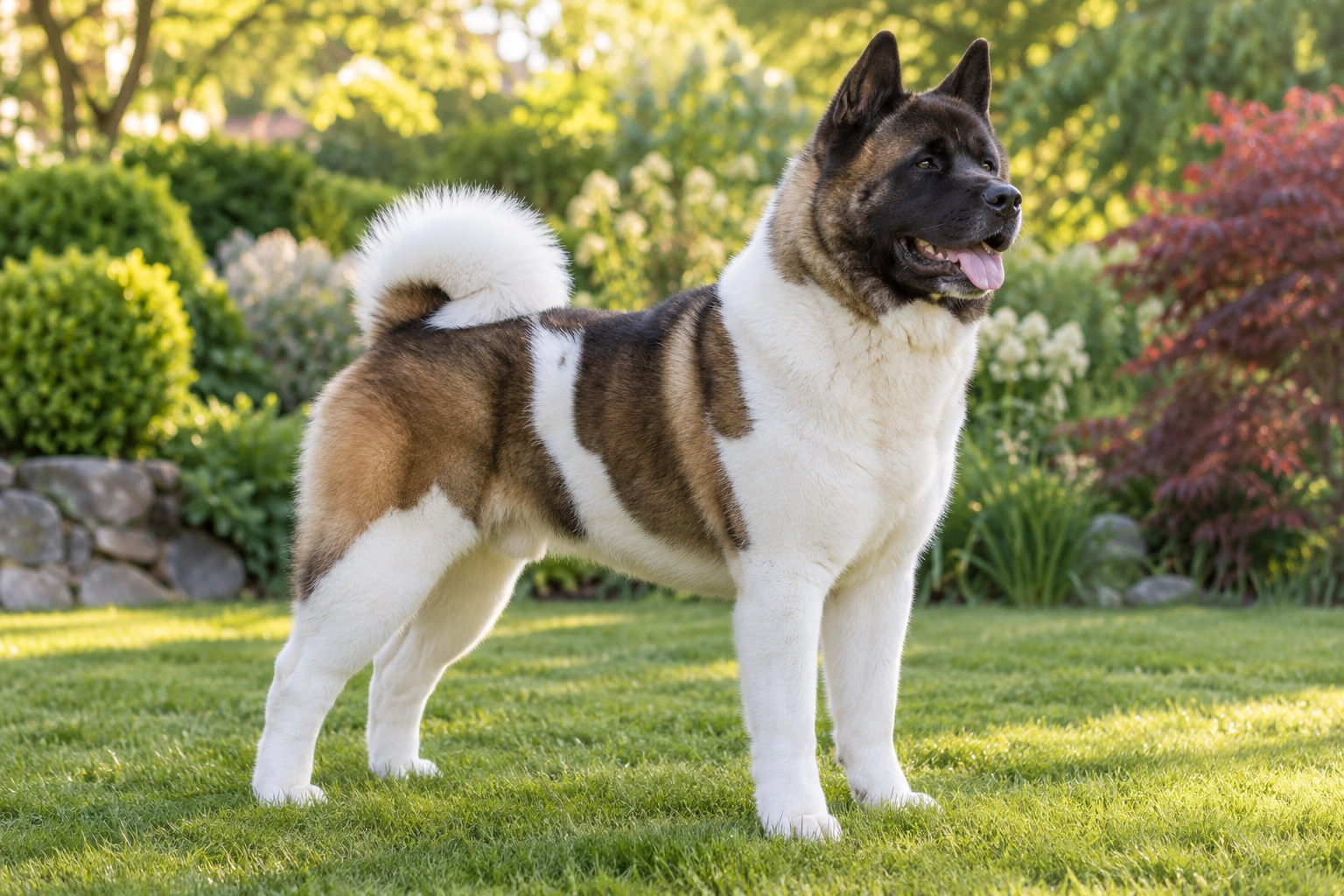 AkitaLarge • Utility (Group 6)
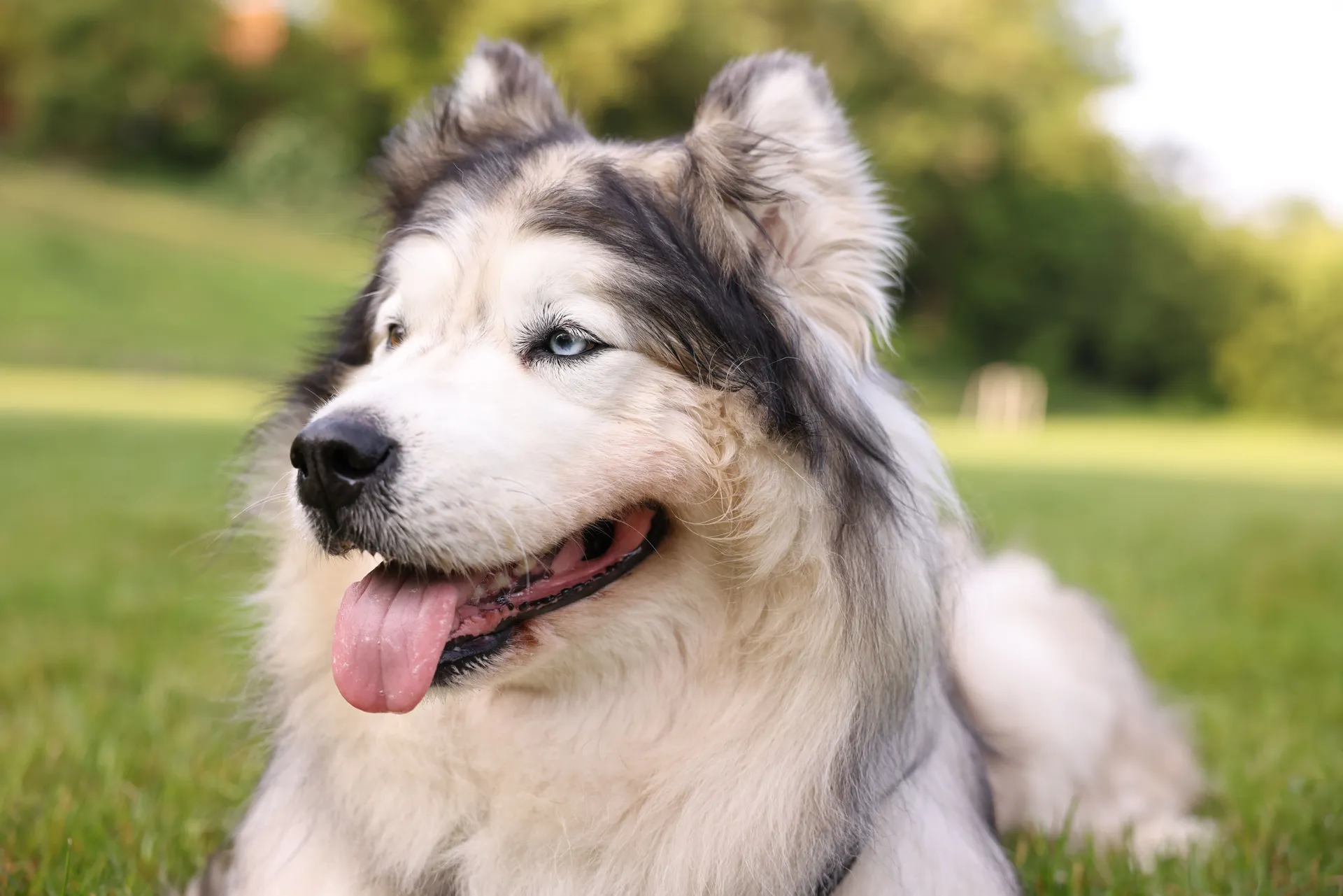 Alaskan MalamuteLarge • Working
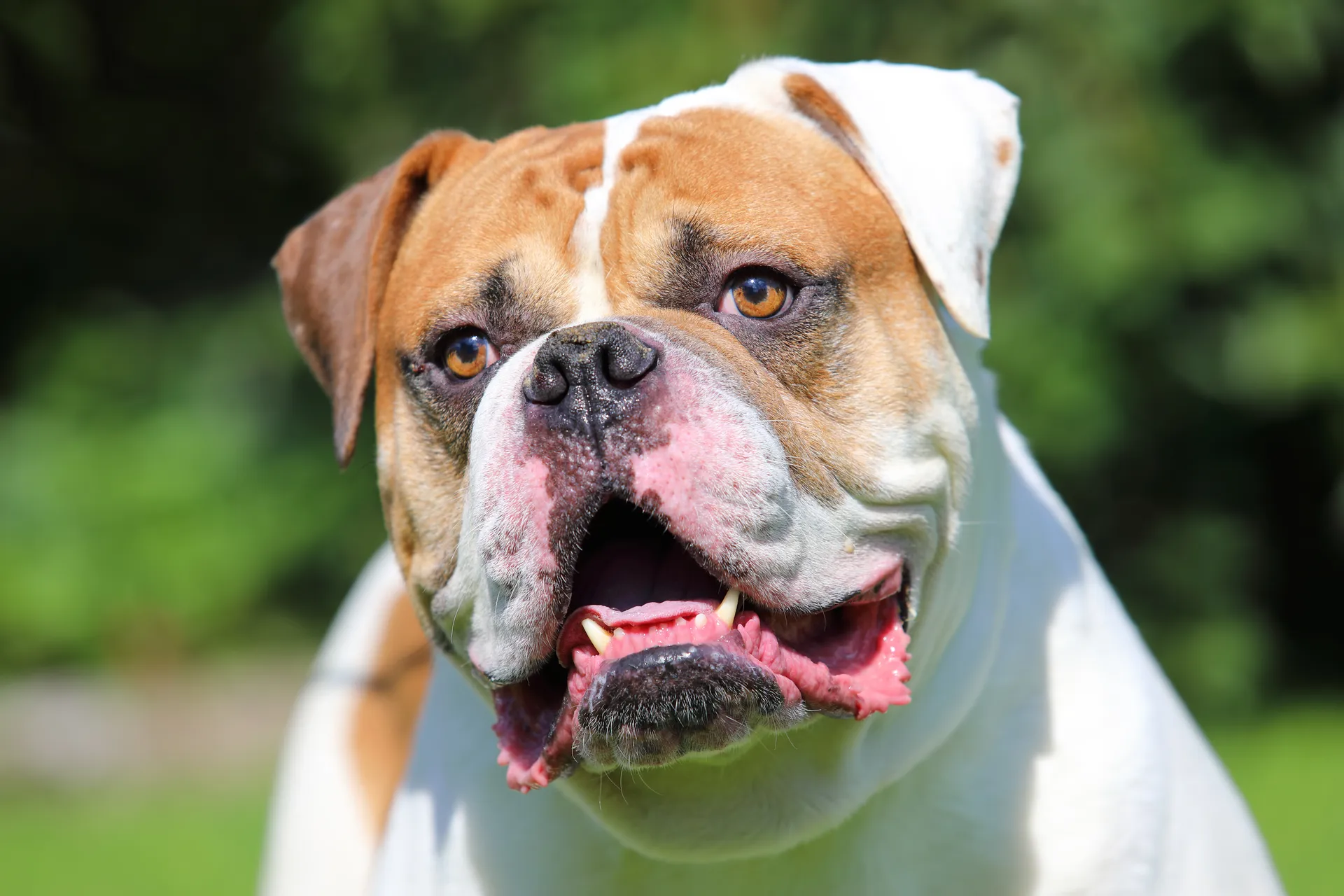 American BulldogLarge • Working
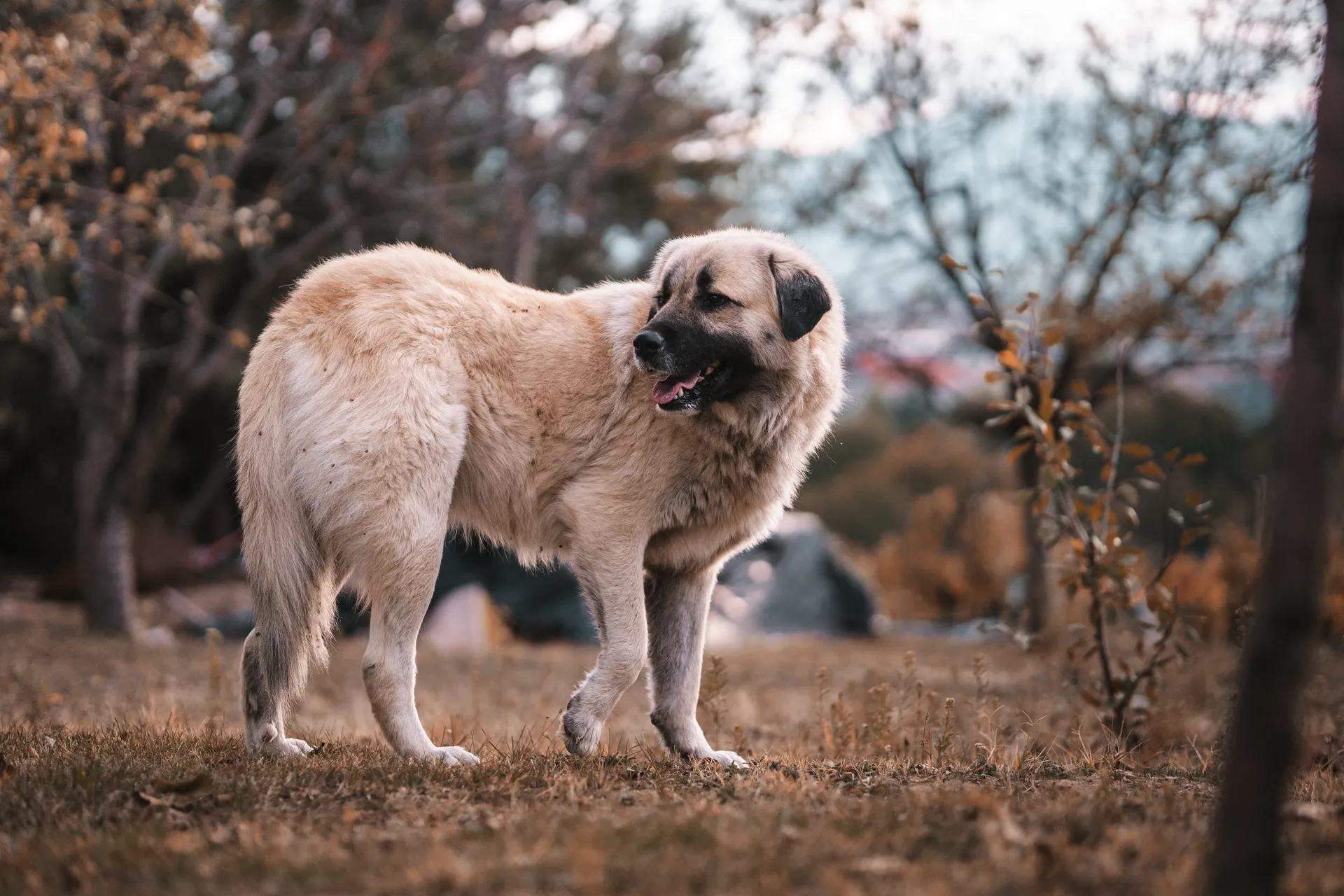 Anatolian Shepherd DogLarge • Working
- Australian ShepherdMedium • Working Dogs