Lagotto Romagnolo
By James C. • Updated
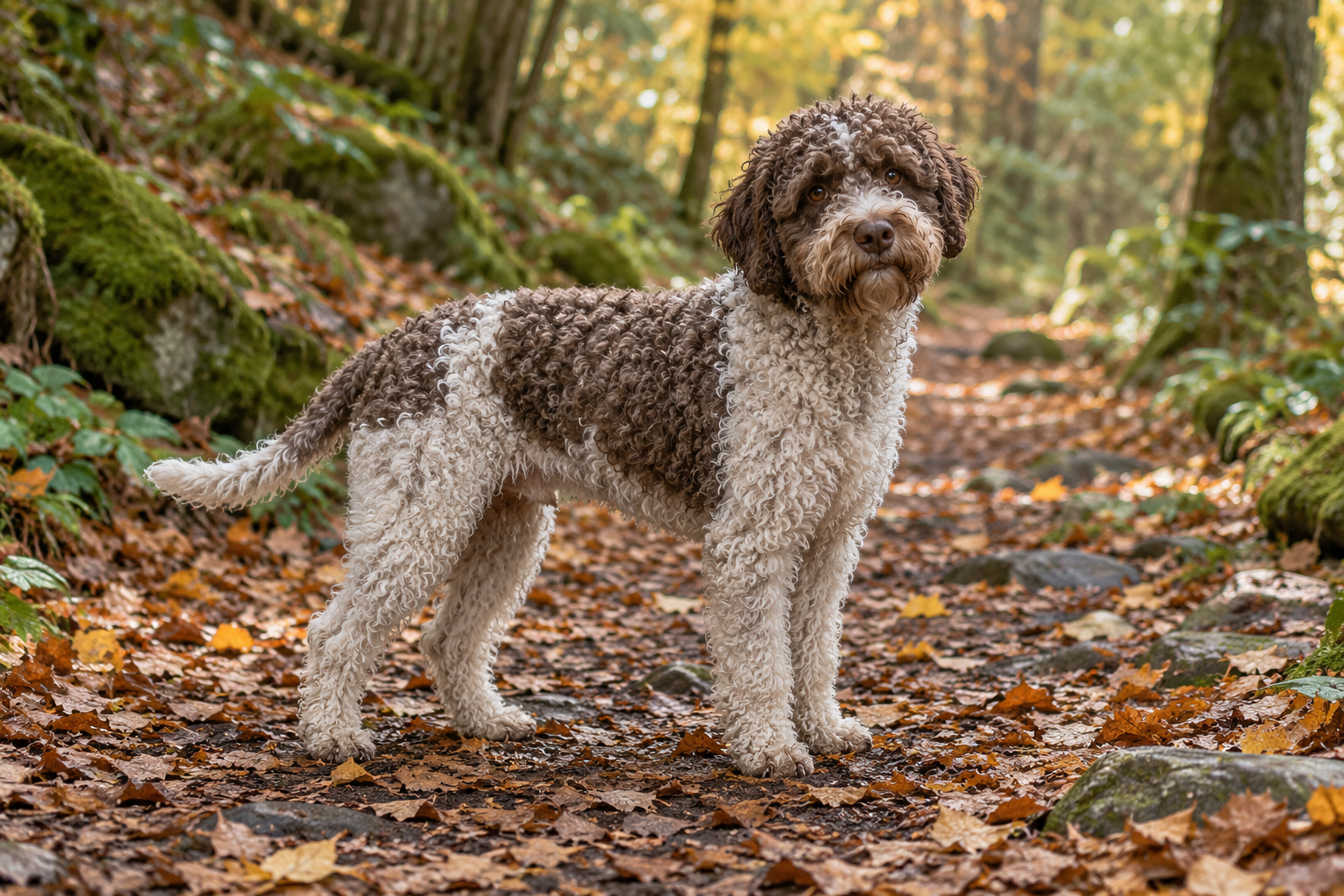
The Lagotto Romagnolo is an Italian water dog that became the world's specialist truffle hunter after the marshes of Romagna were drained. It is affectionate, keen and easy to train, with an outstanding nose and a strong urge to dig. Its dense, woolly, curly coat sheds very little but must be combed regularly and fully clipped at least once a year. Under the Dogs Australia standard, males stand 43 to 48 cm and weigh 13 to 16 kg, and females stand 41 to 46 cm and weigh 11 to 14 kg. It is a long-lived breed, with published lifespans ranging from 12 to 17 years.
Breed Overview
Life Span
12 - 17 years
Average Price
AUD 3500 - AUD 4500
Weight
Male: 13 - 16 kg Female: 11 - 14 kg
Height
Male: 43 - 48 cm Female: 41 - 46 cm
Life Expectancy
Male/Female: 12 - 17 years
Breed Group
Gundogs (Group 3)
Nicknames
Lagotto, Italian Truffle Dog, Italian Water Dog
Breed Information
The Lagotto Romagnolo is an Italian water dog turned truffle hunter, recognised by Dogs Australia in the Gundog group, with a dense curly coat and an exceptional nose. It is affectionate, keen and easy to train, and it makes a lively, devoted family companion for owners who give it a job to do.
Is the Lagotto Romagnolo a poodle? No. It belongs to the same broad family of curly-coated water dogs, and the coats look similar, but it is a separate and very old Italian breed. The breed standard actually penalises poodle-style grooming, and the Lagotto's working background, size and temperament are its own.
Many Australian buyers come to the Lagotto as a registered, low-shedding alternative to the Cavoodle or Groodle, with a predictable size and coat. Supply is solid but premium: Dogz Online listed 33 Lagotto breeders and 10 litters on 18 October 2026, and well-bred puppies usually cost $3,500 to $4,500.
Characteristics of the Lagotto Romagnolo
The Lagotto Romagnolo rates very highly for intelligence, trainability and low shedding, and lower for grooming ease and tolerance of boredom, so it suits active owners who enjoy training and coat care.
| Trait | Rating | Star Rating | Meaning |
|---|---|---|---|
| Size | Medium | ★★★ | 11 to 16 kg, compact and sturdy. |
| Adaptability | Good | ★★★★ | Suits houses and townhouses if exercised and occupied. |
| Exercise Needs | Moderate to High | ★★★★ | One to two hours daily, with plenty of sniffing. |
| Easy to Train | Very Good | ★★★★★ | Keen, food motivated and quick to learn. |
| Amount of Shedding | Very Low | ★ | Little loose hair, but the coat traps dead hair and mats. |
| Grooming Needs | Moderate to High | ★★★★ | Combing twice a week, ear care and regular clips. |
| Good With Children | Good | ★★★★ | Affectionate and playful, with supervision. |
| Health | Good | ★★★★ | Long-lived, with DNA tests available for key conditions. |
| Cost to Keep | Moderate | ★★★ | Modest food bills, plus professional clipping. |
| Tolerates Being Alone | Moderate | ★★★ | Copes with short periods, but bored Lagottos dig and bark. |
| Intelligence | Very High | ★★★★★ | A problem solver with one of the best noses in dogdom. |
History of the Lagotto Romagnolo: From Marsh Retriever to Truffle Hunter
The Lagotto Romagnolo is an ancient breed from the lowlands of Comacchio and the marshes around Ravenna in north-eastern Italy. Its name is usually translated as the lake dog from Romagna. For centuries it worked as a water retriever for duck hunters, swimming in cold marsh water protected by its dense, waterproof curls.
As the marshes were drained for farmland, the breed's original job disappeared. Its keen nose and steady temperament found a new use in the hills of Romagna, where it was developed into a specialist truffle dog. The Dogs Australia breed standard records this shift and lists truffle detection as the breed's utilisation, noting that it was selected so that the scent of game does not distract it from work.
The breed gained international recognition in the late twentieth century, and the standard became effective in Australia from 2000. Lagottos now work on truffle farms in Australia as well as Europe; one Dogz Online breeder near Canberra runs a truffle farm and introduces puppies to truffle scent. Most Australian Lagottos, though, live as active family companions.
Appearance of the Lagotto Romagnolo: Compact, Curly and Rustic
Size and Build
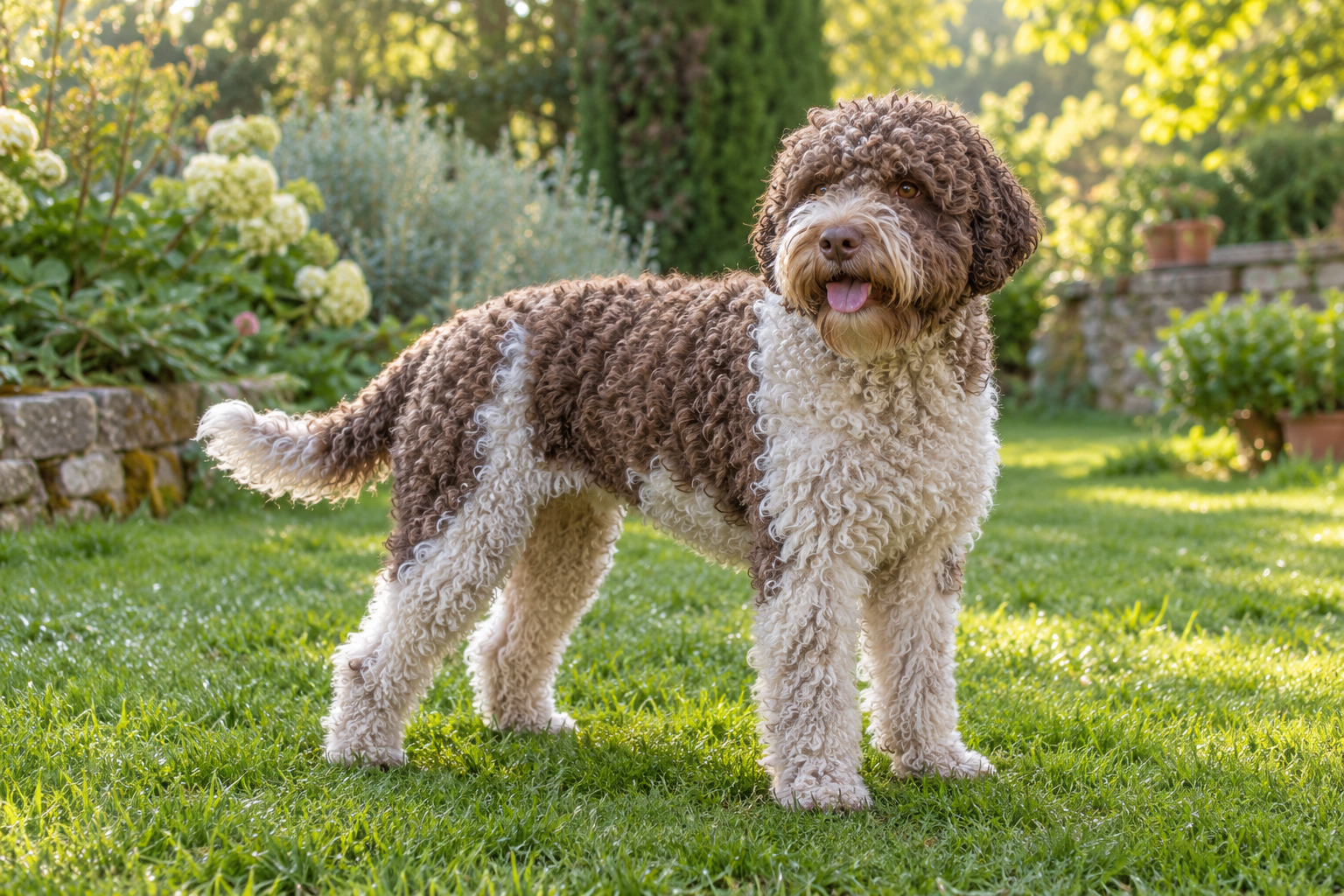
How big does a full-grown Lagotto Romagnolo get? The standard sets males at 43 to 48 cm and 13 to 16 kg, and females at 41 to 46 cm and 11 to 14 kg. That makes it a small to medium, compact, well-muscled dog, roughly square in outline. Adults are noticeably sturdier than a Miniature Poodle and smaller than a Standard Poodle.
Coat and Colours
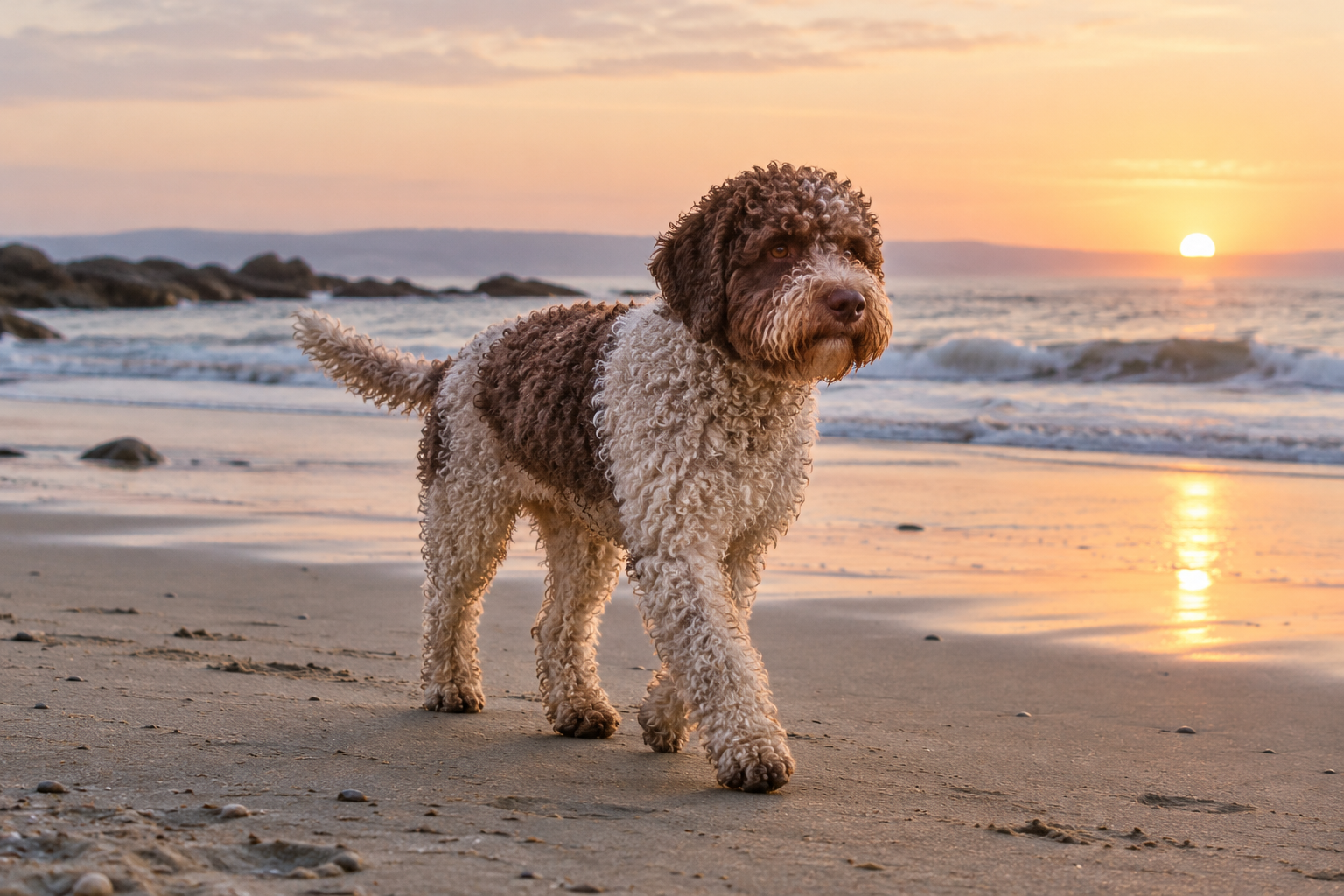
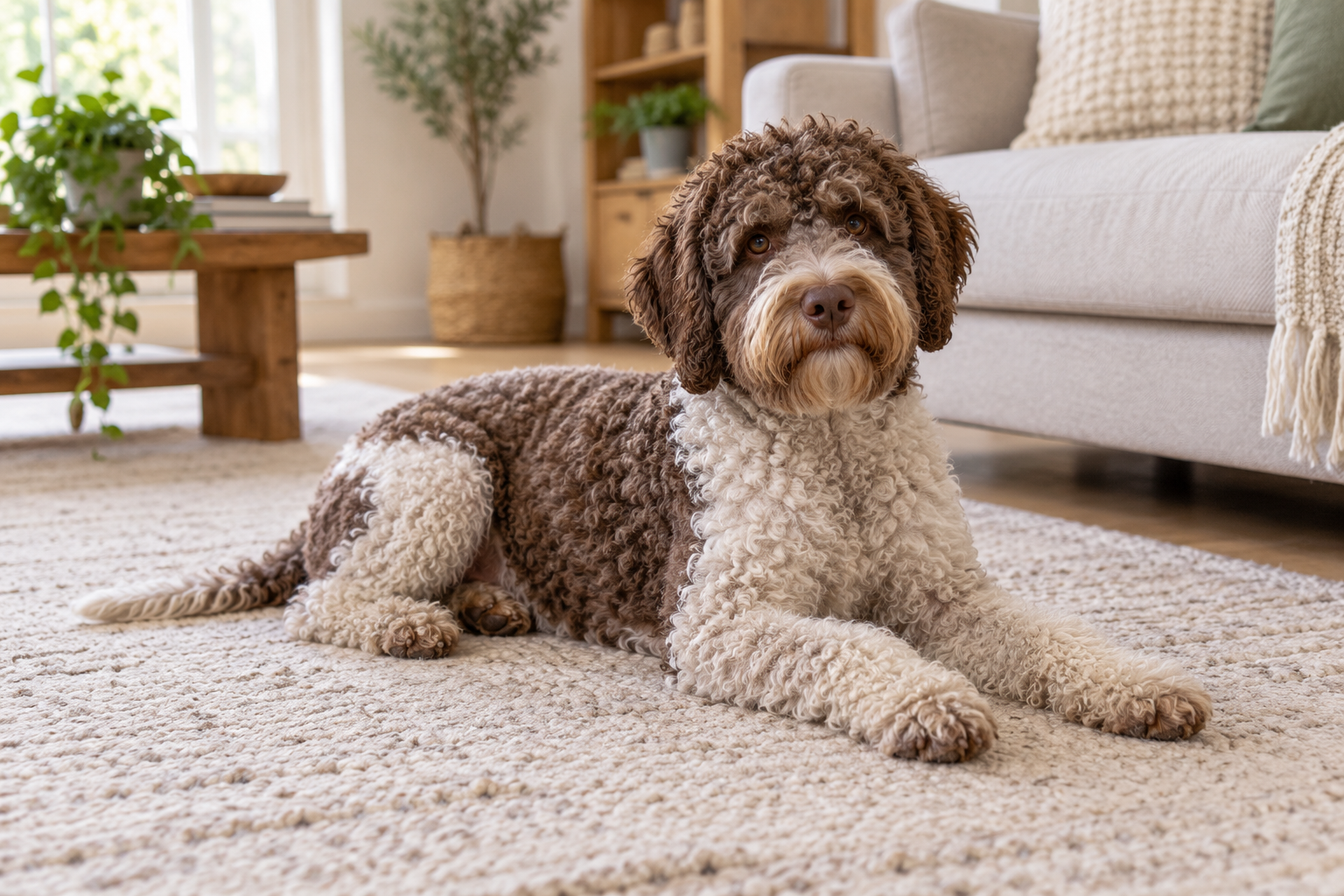
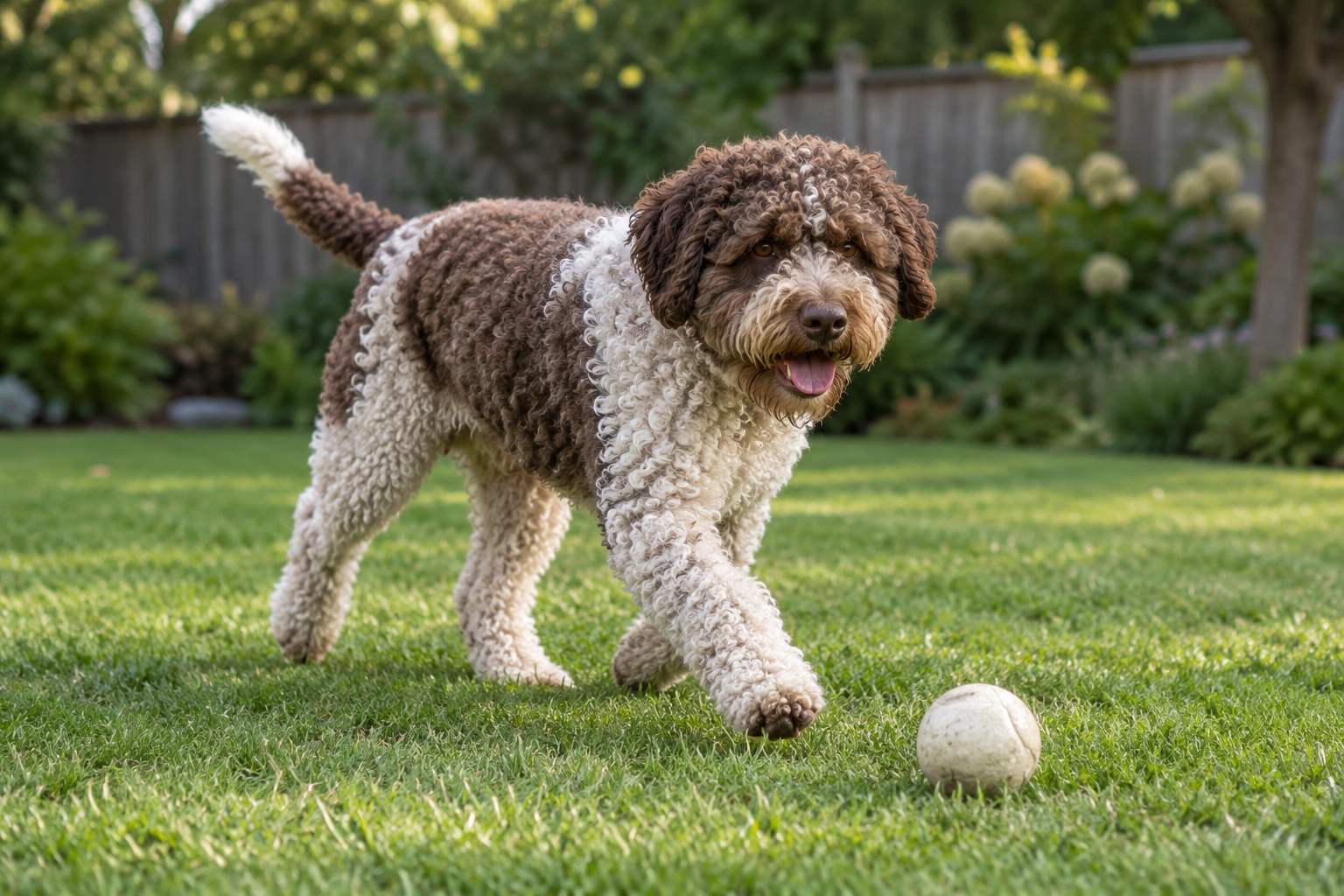
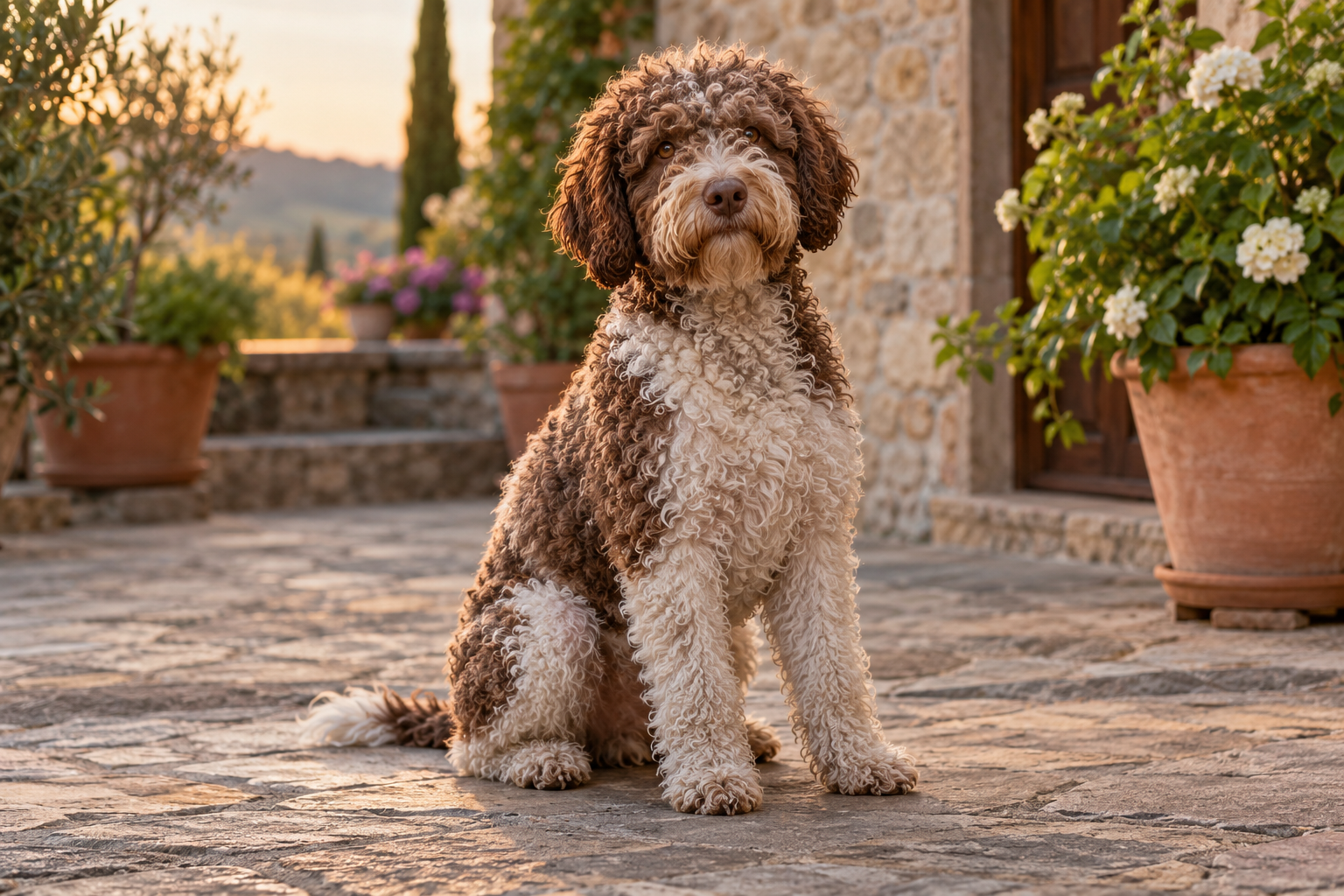
The coat is dense, woolly and tightly curled, with a visible undercoat, and both layers are waterproof. The standard says it must never form thin cords. Accepted colours include solid off-white, white with brown or orange patches, brown or orange roan, and solid brown or orange, with or without white. Black coat or black pigment is a disqualifying fault, so black puppies are not purebred to the standard.
Distinctive Features
The Lagotto's rustic, natural look is part of the breed. The standard calls for an unpretentious clip that follows the dog's outline, no more than 4 cm thick, and it penalises poodle or bichon-style sculpting. The head carries a beard and eyebrows, the eyes are large and expressive, and the ears are medium-sized and triangular.
Gender Differences
Males are taller and heavier, and the standard gives separate height and weight ranges for each sex. Females are a little finer and often slightly quicker to mature. Both sexes make affectionate companions and capable scent dogs.
Temperament of the Lagotto Romagnolo: Affectionate, Keen and Curious
Core Personality Traits
The breed standard describes the Lagotto as tractable, undemanding, keen and affectionate. Most are cheerful, curious and devoted to their families, and Dogs Victoria describes them as intelligent, eager to please and easy to train. They are thinkers and problem solvers, which is delightful in a well-occupied dog and challenging in a bored one.
Social Behaviour
Lagottos are usually friendly with family and familiar people, and many are a little wary or slow to warm up with strangers. The Purina breed profile describes them as alert watchdogs that will announce visitors without being yappy. Most get on well with other dogs when socialised early.
Working Instincts
The Lagotto's nose drives its behaviour. It was bred to search for and dig up truffles, so expect a dog that sniffs constantly, investigates everything and digs with enthusiasm. Prey drive is generally moderate, since the breed was selected to ignore game scent while working, but individuals vary.
Common Behavioural Challenges
Digging is the classic Lagotto problem, followed by barking at noises and visitors, counter-surfing and inventive mischief when bored. A designated digging pit, daily scent games and enough exercise solve most of it. Without an outlet, a Lagotto will happily excavate your garden beds.
Intelligence and Trainability of the Lagotto Romagnolo: Bright and Biddable
Intelligence and Learning Ability
Lagottos are highly intelligent and learn quickly, particularly when food or scent is involved. They excel at nosework, tracking, obedience and agility. Their intelligence means they also learn bad habits fast, so consistency from the start matters.
Training Approach
Reward-based training works best, and Purina notes the breed responds only to positive reinforcement. Short, varied sessions and scent-based games keep a Lagotto engaged. Start toilet training, recall and calm greetings early, and add nosework or truffle-style scent games as a regular outlet.
Early Socialisation
Introduce puppies calmly to children, visitors, other dogs, vehicles, groomers and vet clinics. Because some Lagottos are reserved with strangers, broad positive exposure in the first months helps them become confident adults. Handling of paws, ears and coat from day one makes grooming far easier.
Potential Training Challenges
Adolescence, from around six months to two years, brings selective hearing, digging and testing of boundaries. A Lagotto on a scent can ignore recall, so use a long line in unfenced areas until recall is reliable. Barking at visitors needs early, calm management.
Lagotto Romagnolo Family Life: Living with Children, Pets, and Households
Living with Children
Is a Lagotto a good family dog? For active families, yes. Lagottos are affectionate and playful and usually do well with children, and Dogs Victoria describes the breed as well suited to families with supervision. Teach children to respect the dog's space, and supervise young children, since a bouncy adolescent can knock them over.
Living with Other Pets
Most Lagottos live happily with other dogs, and many accept cats they are raised with. Their prey drive is usually lower than that of pointing or terrier breeds. As with any dog, supervise early interactions with small pets such as rabbits and guinea pigs.
Household Environment
The breed suits houses and townhouses with a secure yard, though it can adapt to smaller homes with enough exercise. Expect digging, so protect garden beds or provide a sandpit. Lagottos should live indoors with their families and have a quiet place to rest.
Lifestyle Compatibility
The Lagotto suits active families, people who enjoy dog sports or scent work, and owners looking for a low-shedding registered breed. It suits households that want a low-effort coat or a dog that is happy to be left alone all day poorly. Regular grooming and daily activity are non-negotiable.
Health of the Lagotto Romagnolo: Epilepsy, Joints, Ears and Lifespan
Lifespan and Healthy Living
The Lagotto is a long-lived breed. Dogs Victoria's breed profile gives an average of 12 to 14 years, Dogs New Zealand gives 12 to 15 years, and Purina gives 15 to 17 years. A lean body, regular exercise and good ear and coat care support a long life.
Common Health Conditions
The Lagotto is generally healthy, but owners should be aware of several conditions that can be associated with the breed. It is best to discuss any concerns with a veterinarian.
- Benign familial juvenile epilepsy. Seizures in young puppies that usually resolve as they grow. University of Helsinki researchers identified the responsible gene and reported that about one in three Lagottos carried the mutation at the time, which led to a DNA test for breeders.
- Lagotto storage disease. An inherited neurological condition that can cause loss of coordination and behavioural changes, for which a DNA test is available.
- Hip and elbow dysplasia. Developmental joint conditions that can lead to lameness and arthritis. Dogs Victoria names hip dysplasia among the conditions that can occur.
- Cerebellar abiotrophy. A rare inherited brain condition that affects coordination, reported in the breed in veterinary literature.
- Ear infections. Hairy ear canals trap moisture and wax, especially after swimming.
Genetic Health Testing
Ask for DNA results for benign familial juvenile epilepsy and Lagotto storage disease, plus hip and elbow scores, for both parents. In the United States, the breed club's recommended health tests also include an eye examination and a patella check, which is a useful benchmark. Australian breeders on Dogz Online commonly describe their dogs as fully health tested, so ask to see the actual certificates.
Preventative Health Care
Keep vaccinations current and use year-round parasite prevention, including paralysis tick cover on the east coast. The dense curly coat hides ticks and grass seeds, so check by touch over the whole body after every outing. Clean and dry the ears after swimming, and see a vet promptly for head shaking or ear odour.
Caring for the Lagotto Romagnolo: Daily Care and Living Environment
Daily Care Routine
A good day includes a long walk with plenty of sniffing, a scent game or training session, a quick check of the coat, ears and paws, and time with the family. Feed twice daily. Give the dog a sanctioned digging spot or a snuffle mat to channel its natural instincts.
Living Environment Requirements
Lagottos need a secure yard with fencing they cannot dig under, indoor living and a comfortable bed. Protect garden beds or accept some excavation. A crate introduced positively gives a puppy a safe place to rest.
Climate Sensitivity
The dense, waterproof coat suits cool, wet conditions better than hot ones. In Australian summers, keep the coat shorter, walk early and late, and provide shade, water and a cool indoor space. Check safe temperatures for dogs in Australia before outings, and let the dog swim where safe, since most Lagottos love water.
Caring for Senior Lagottos
Many Lagottos stay active into their teens. From around ten, watch for stiffness, weight change, hearing or vision changes and slower recovery after exercise. Keep walks regular but gentler, and continue scent games, which suit older dogs well.
Grooming of the Lagotto Romagnolo: Combing, Clipping and Coat Health
Coat Maintenance
The coat keeps growing and traps dead hair rather than shedding it, so it mats without care. Dogs Victoria recommends combing with a wide-toothed comb about twice a week for a pet-length coat. Combing right down to the skin is the key step in a grooming routine for curly-coated dogs that prevents felting.
Clipping and the Breed Standard
The standard requires a full clip at least once a year, because the coat felts if left unclipped, and Dogs Victoria suggests doing it before summer. Most pet owners clip every two to three months to keep the coat short and practical. The correct look is natural and rustic, no more than 4 cm thick, not a sculpted poodle trim.
Low Shedding and Allergies
The Lagotto sheds very little, which is why many people with allergies consider it. However, allergens come from skin, saliva and dander, not only hair, and a Dutch study found no evidence that any dog breed is truly hypoallergenic. Allergy sufferers should spend time with Lagottos before committing.
Ear, Nail, and Dental Care
Remove excess hair from the ear canals and clean the ears regularly; a guide to cleaning a dog's ears safely shows how. Trim nails every three to four weeks and keep hair between the pads short. Brush teeth several times a week.
Bathing and Professional Grooming
Bathe every few weeks or when dirty, and dry the coat thoroughly to prevent mats. Most owners use a professional groomer for clipping every two to three months, and it is worth choosing one who understands the breed's natural clip.
Exercise Needs of the Lagotto Romagnolo: Nose Work and Daily Activity
Daily Exercise Requirements
Plan on one to two hours of activity a day for an adult Lagotto. Purina recommends at least two hours, split into walks plus play and training, while many companion Lagottos do well on a little less if they also get mental work. A tired Lagotto is a calmer, quieter dog.
Activities Lagottos Enjoy
Scent work, truffle-style search games, tracking, swimming, retrieving, agility and obedience all suit the breed. Dogs Victoria notes the breed competes well in tracking, scent work and agility. Off-lead play in safe, fenced areas lets a Lagotto explore with its nose.
Exercise by Life Stage
Puppies need short play sessions and gentle exploration, with no forced running while growing. Increase exercise gradually through the first year. Adolescents need the most outlets and structure. Seniors benefit from slower sniffing walks and scent games.
Importance of Mental Stimulation
For a Lagotto, sniffing is as tiring as running. Hide treats around the yard, use puzzle feeders and snuffle mats, or join a nosework class. On hot days, switch to indoor scent games, and after outdoor time on the east coast, check the coat thoroughly for paralysis ticks.
Feeding the Lagotto Romagnolo: Nutrition and Diet Needs
Nutritional Requirements
A complete, balanced diet for small to medium active dogs suits most Lagottos. Adjust energy to activity, since working and sporting dogs need more than relaxed companions. Fresh water should always be available.
Feeding by Life Stage
Feed puppies three or four meals a day until around four months, then three meals to six months, and two meals a day as adults. Aim for steady growth with a quality puppy food for small to medium breeds.
Portion Control and Weight Management
The curly coat hides weight gain, so check the ribs and waist by touch. Lagottos are food motivated, and training treats add up quickly. Weigh the dog regularly and reduce meals on heavy training days.
Foods to Avoid
Avoid grapes, sultanas, chocolate, onion, garlic, macadamias, xylitol and cooked bones. A dog that digs and scavenges may find things in the garden, so keep fertilisers, snail bait and compost secure.
Lagotto Romagnolo Price in Australia: Purchase Cost and Ongoing Expenses
Puppy Purchase Price
Expect to pay about $3,500 to $4,500 for a registered Lagotto Romagnolo puppy in Australia. On 18 October 2026, Dogz Online's Lagotto puppy listings showed 10 litters from 33 breeders. Two stated a price: $4,000 for a Queensland litter and $4,500 for a South Australian litter from show-winning, health-tested parents. The rest listed price on request.
Are Lagotto dogs expensive? Compared with many breeds, yes. In the UK, Pets4Homes asking prices for Lagotto puppies range from about £1,500 to £2,450, roughly AUD 3,000 to 4,900, which supports the Australian range. Health testing, show and imported bloodlines, and waiting lists all keep prices high.
Initial Setup Costs
RSPCA NSW puts first-year setup costs for a dog at about $60 to $80 for microchipping, $280 to $420 for vaccinations, $350 to $650 for desexing, $40 to $100 for a collar, lead or harness, $100 to $200 for a bed and about $170 for puppy school. For a Lagotto, add a wide-toothed comb, slicker brush, ear cleaner and a sandpit or digging area.
Ongoing Monthly Costs
| Cost | Typical figure (AUD) | Source |
|---|---|---|
| Food | Around or below the $91 monthly dog average | Animal Medicines Australia, Pets in Australia 2025 |
| Parasite prevention including ticks | Around the $122 annual average | Animal Medicines Australia, Pets in Australia 2025 |
| Professional clipping | Every 2 to 3 months, priced by individual groomers | n/a |
| Annual vet check and booster | From $140 per year | RSPCA NSW |
| Pet insurance | Varies by age and cover, rising with age | Canstar, prepared March 2026 |
Animal Medicines Australia reports that dog-owning households spend about $2,520 a year on average, and a Lagotto usually sits close to that, with grooming the main extra. Canstar's pet insurance cost figures show premiums rising as dogs age, which matters for a breed that can live well into its teens.
Long-Term Financial Commitment
With a lifespan of 12 to 17 years, the Lagotto is a long commitment. The costs most likely to raise the total are regular professional grooming, ear infection treatment, orthopaedic care for dysplasia and senior health care in later life.
Buying Advice for a Lagotto Romagnolo: Choosing a Healthy Puppy
Choosing a Responsible Breeder
Choose a breeder registered with their state member body of Dogs Australia who DNA tests and hip and elbow scores breeding dogs, raises puppies in the home and asks about your lifestyle. Working through questions to ask a dog breeder helps you compare breeders fairly. Be wary of Lagotto crosses marketed as purebred, and of black puppies, which do not meet the standard.
Health Checks Before Purchase
Ask to see DNA certificates for benign familial juvenile epilepsy and Lagotto storage disease, and hip and elbow scores for both parents. Meet the mother, and the father if possible. A healthy puppy is bright and curious, moves soundly, has clean ears and clear eyes, and shows no signs of seizures or wobbliness.
Questions to Ask the Breeder
- Are both parents DNA tested for benign familial juvenile epilepsy and Lagotto storage disease?
- What are the hip and elbow scores of both parents?
- Have the parents had eye examinations or patella checks?
- Is the puppy on the limited or main register, and what is your breeder identification number?
- How have the puppies been socialised and introduced to grooming?
- Are the parents working, show or companion dogs, and how much drive do they have?
- How long is your waiting list?
- Will you take the dog back at any age if needed?
Considering Adoption
Purebred Lagottos are rarely in rescue, but they do occasionally need rehoming, often because owners underestimated grooming or digging. Breed clubs and breeders sometimes rehome retired adults. An adult dog lets you assess coat, temperament and energy directly.
Is the Lagotto Romagnolo Right for You? Activity, Grooming and a Busy Nose
Lifestyle Compatibility
The Lagotto suits active families and owners who enjoy training, scent games and the outdoors.
It is a poor fit for people who want a low-maintenance coat or a dog left alone all day.
Time and Care Commitment
Expect one to two hours of activity daily, plus combing twice a week and regular clips.
That commitment can run for 12 to 17 years.
Grooming and Health Awareness
Grooming is ongoing, and the coat must be clipped at least once a year.
Ask for DNA and hip and elbow results, and check ears and coat for ticks and grass seeds.
Ideal Owner Profile
The ideal owner is active, patient and happy to give a clever dog a job.
If you cannot tolerate digging or barking at visitors, consider another breed.
Find Lagotto Romagnolo Puppies for Sale
If the breed fits your lifestyle, you can browse puppies for sale on Pups4Sale and compare registered breeders.
Ask every breeder for DNA and joint results before paying a deposit.
Frequently Asked Questions
Related Breeds
Other sporting breeds on Pups4Sale.
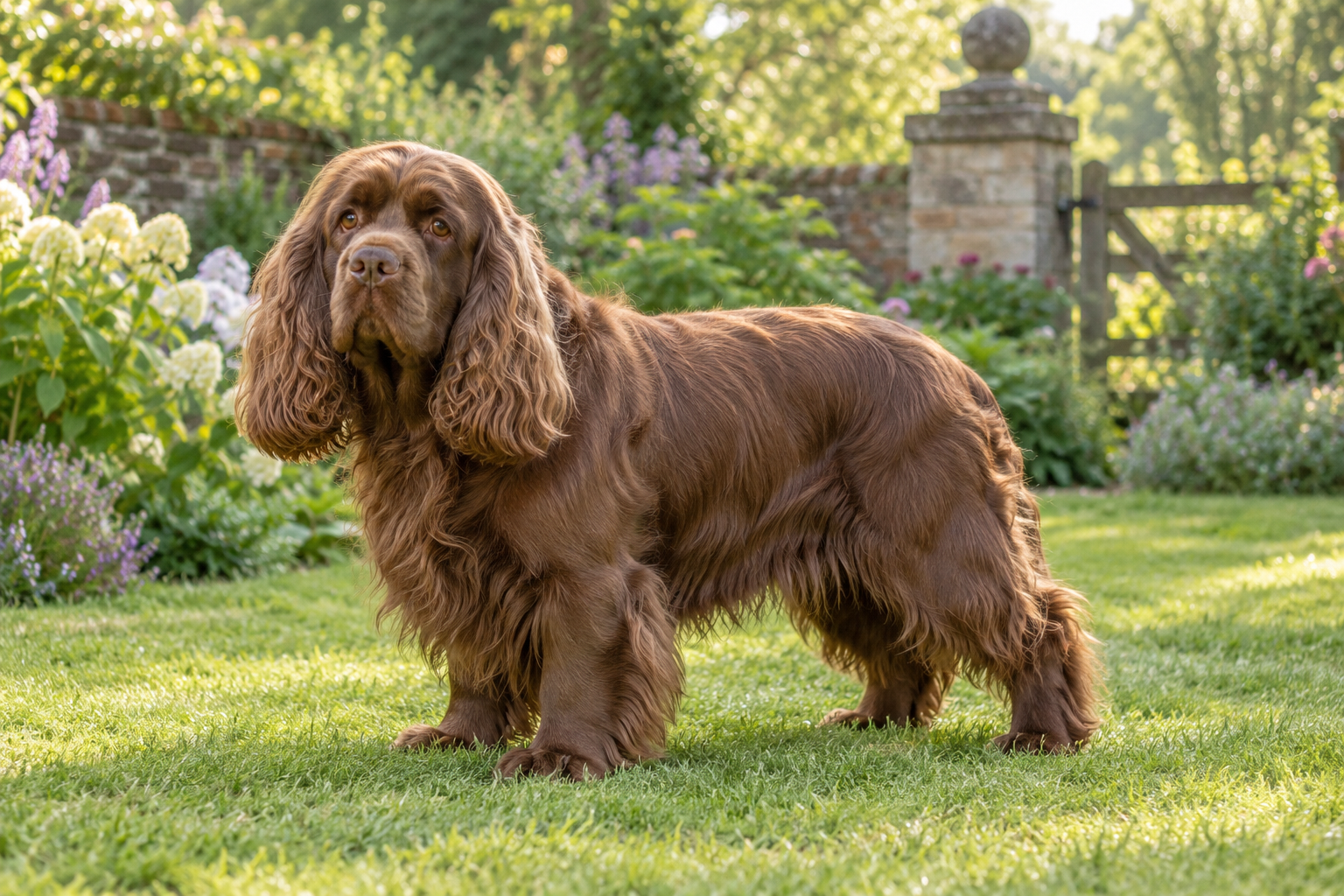 Sussex SpanielMedium • Gundogs (Group 3)
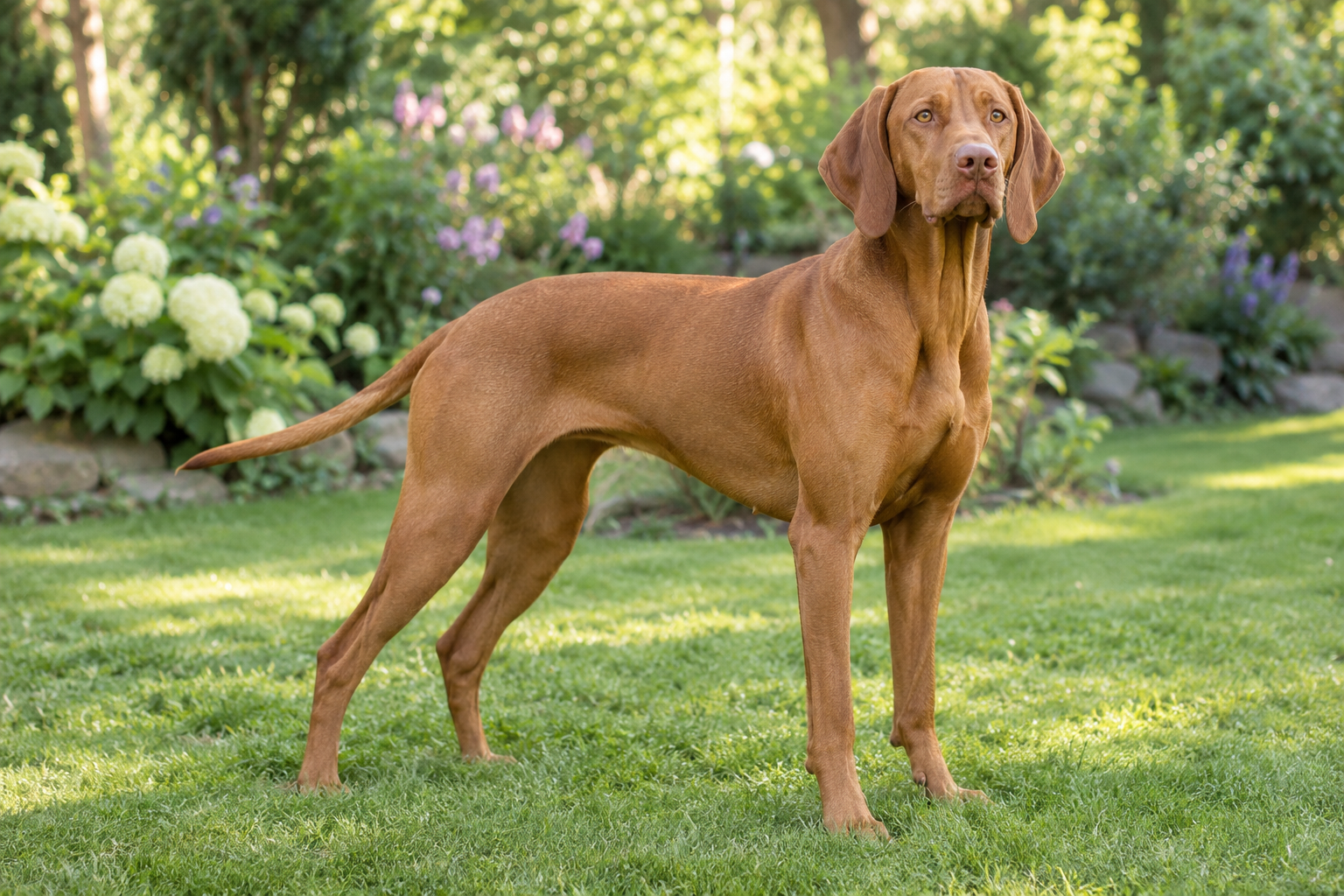 VizslaMedium • Gundogs (Group 3)
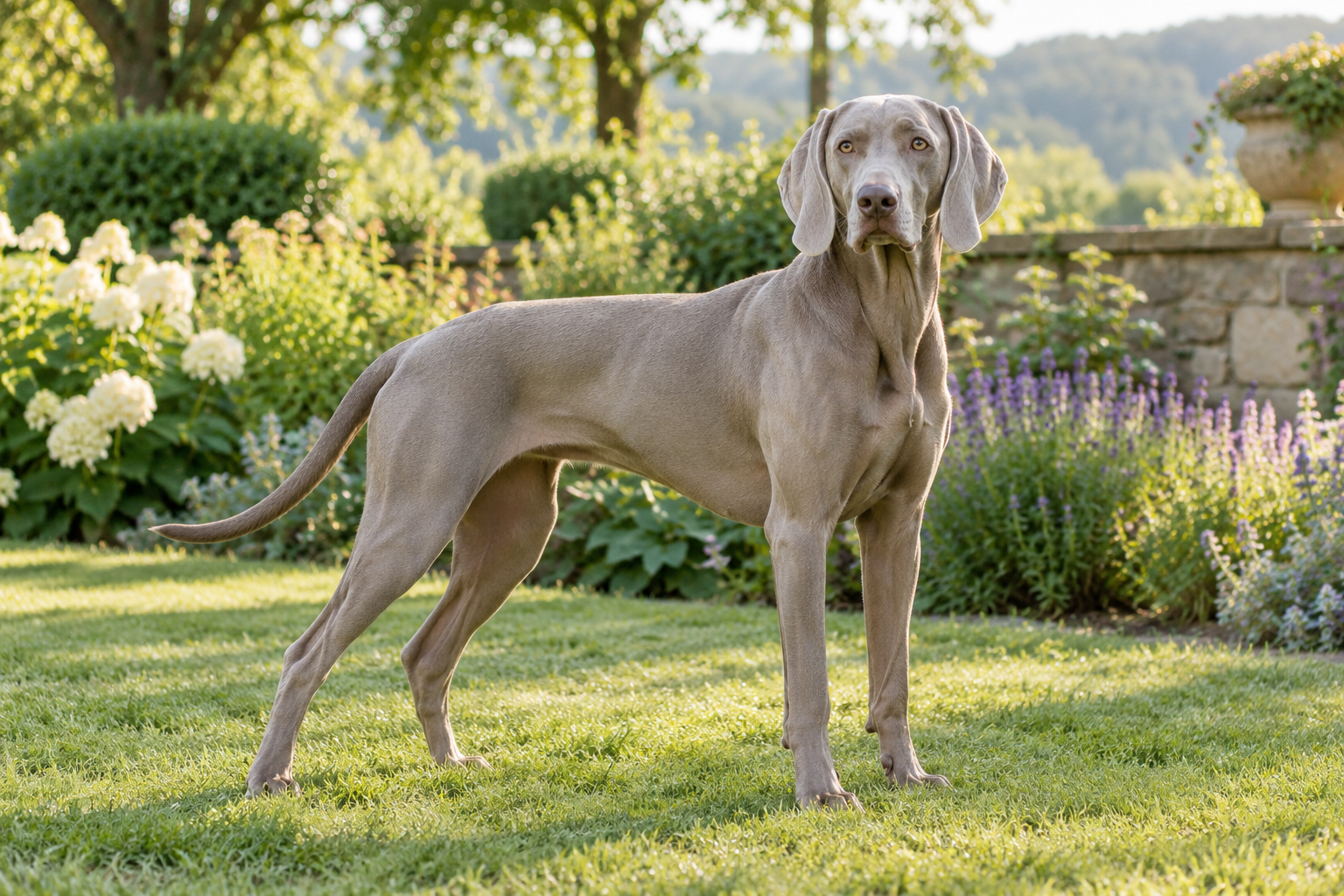 WeimaranerLarge • Gundogs (Group 3)
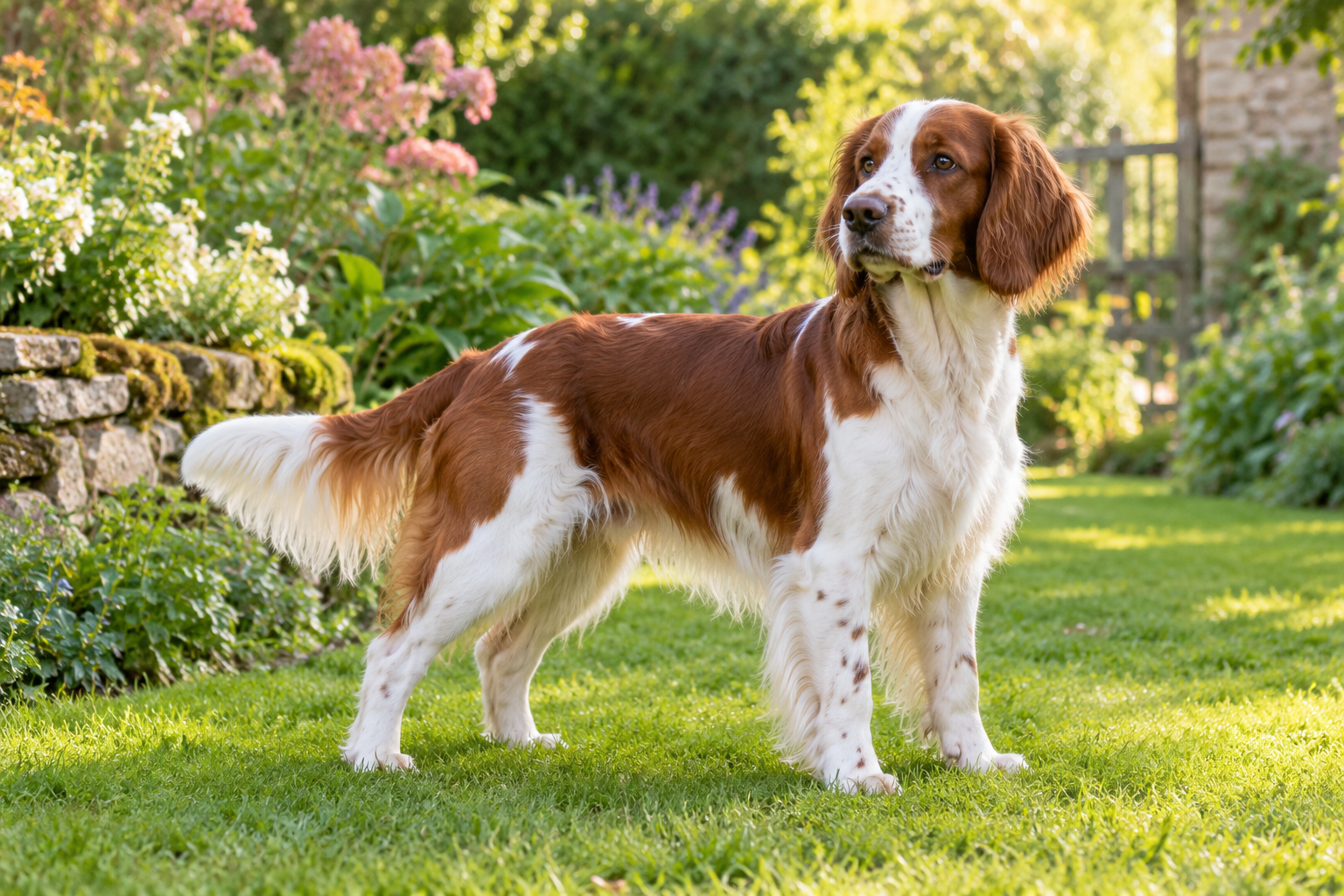 Welsh Springer SpanielMedium • Gundogs (Group 3)
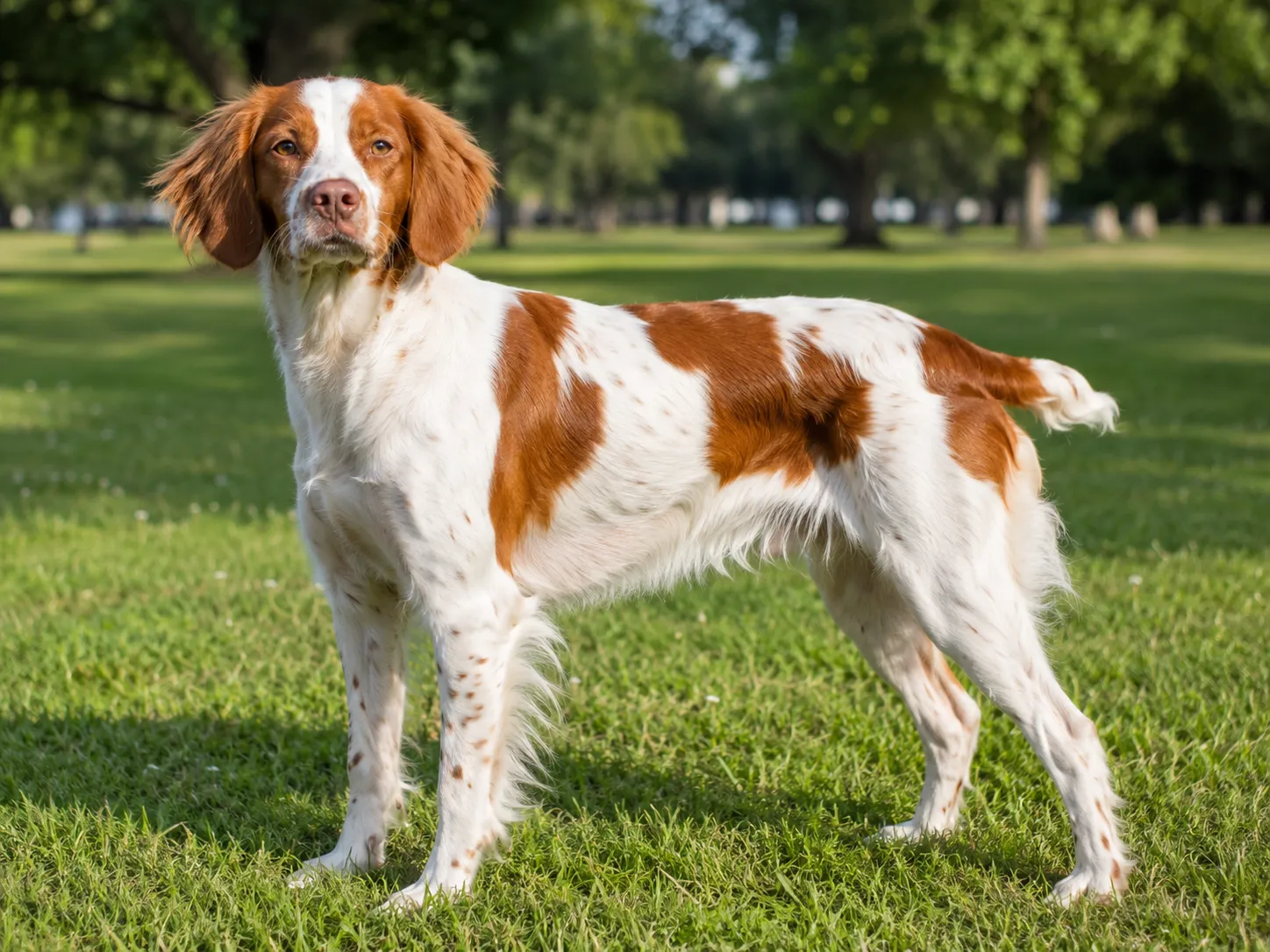 BrittanyMedium • Gundog (Hunt, Point, Retrieve)
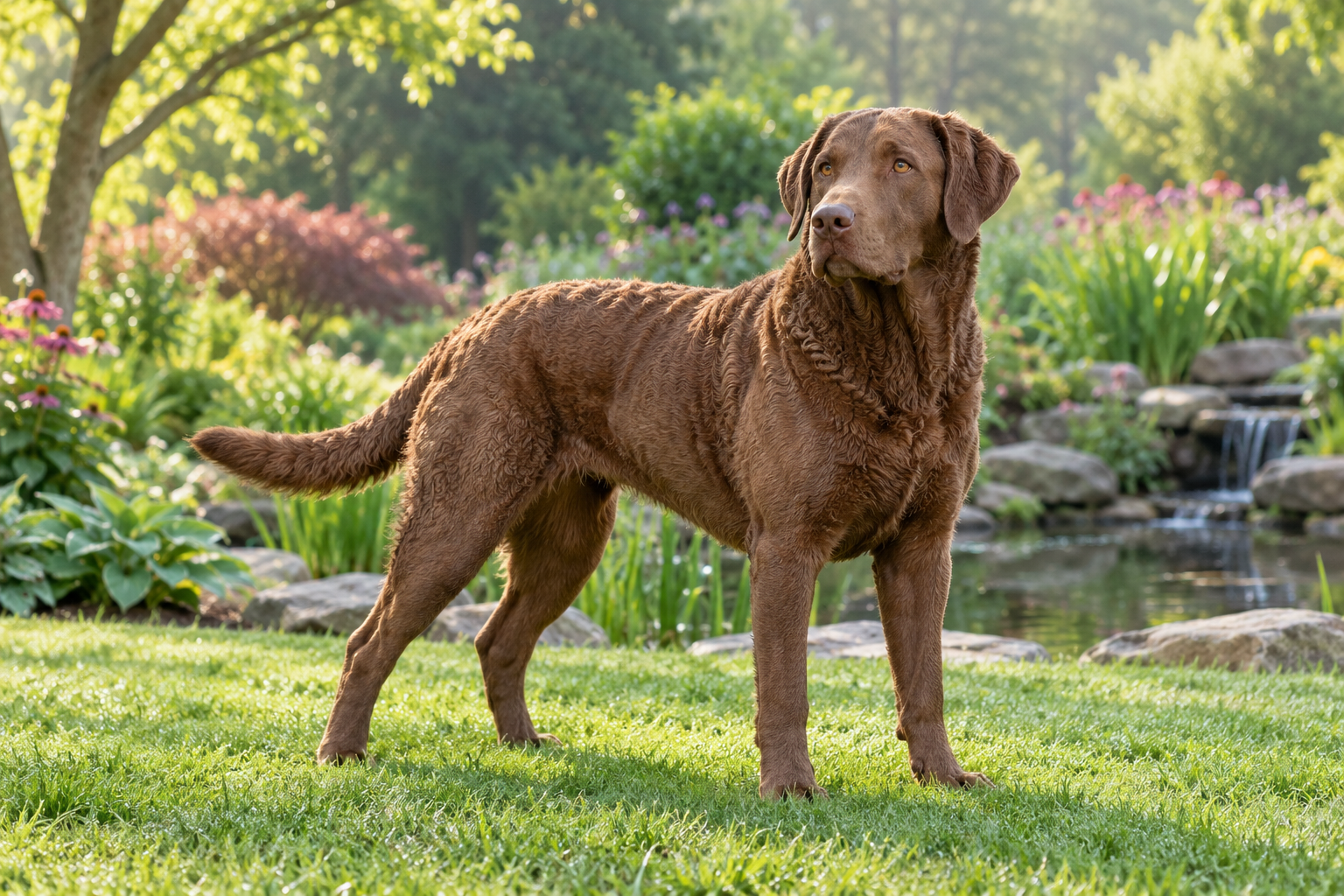 Chesapeake Bay RetrieverLarge • Gundog (Group 3)