Keeshond
By James C. • Updated
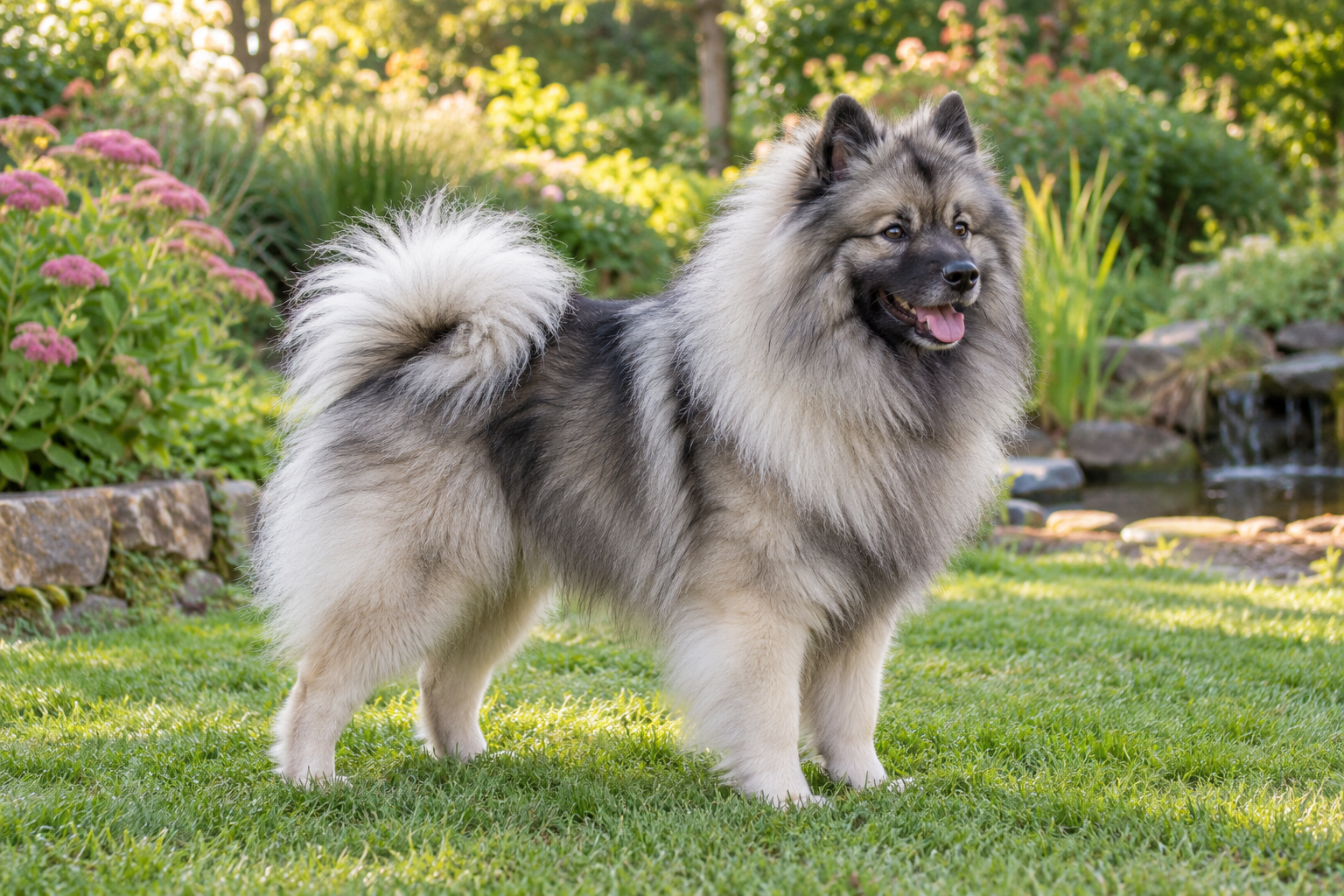
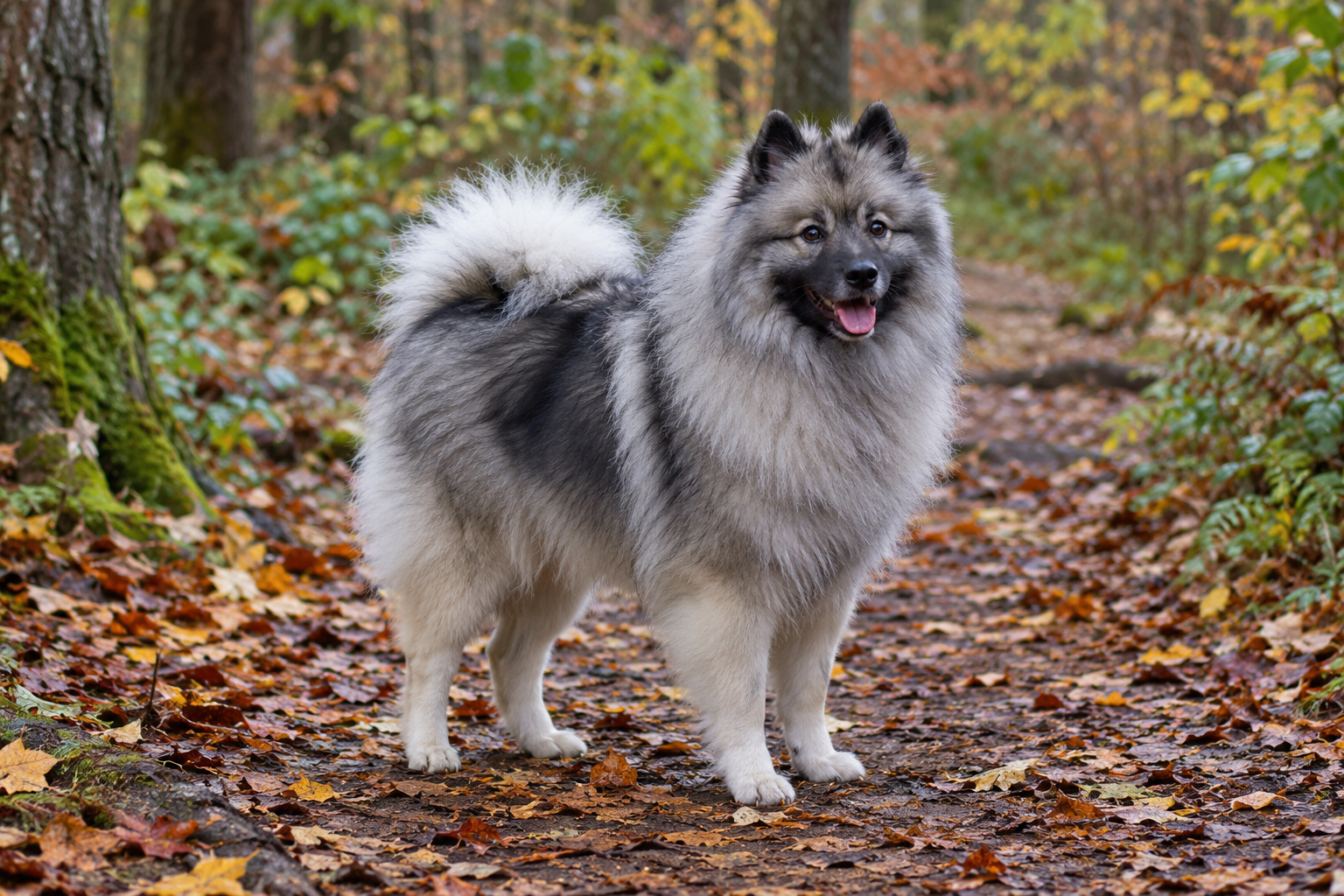
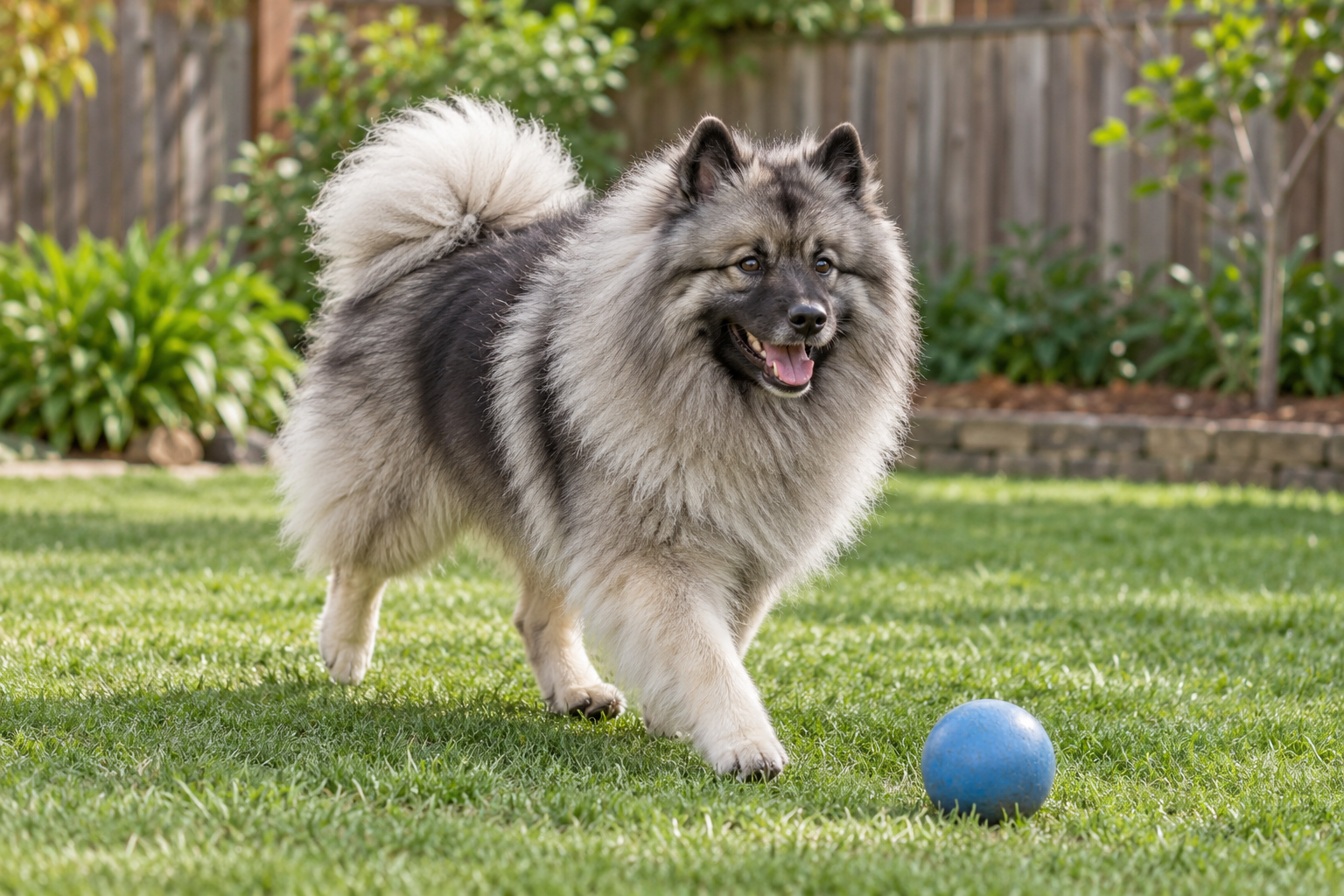
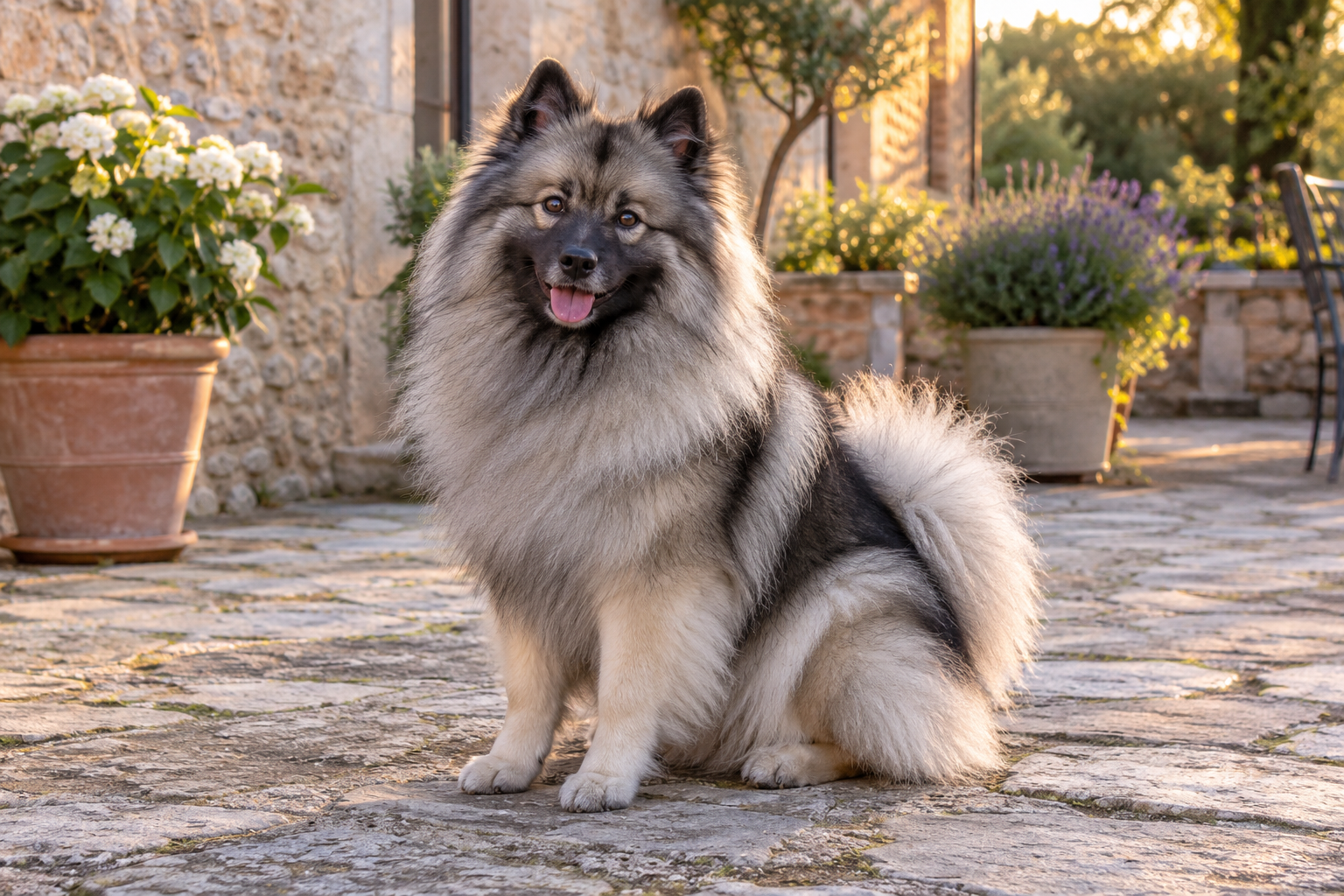
The Keeshond is a medium-sized Dutch spitz, bred as a watchdog on canal barges and farms and named after the eighteenth century Patriot leader Cornelis "Kees" de Gyselaer. It is affectionate, people-focused and alert, with a plush wolf-grey double coat, a curled tail and distinctive "spectacle" markings around the eyes. Dogs stand about 46 cm and bitches about 43 cm, most weigh 14 to 20 kg, and many live 12 years or more. It is a good family dog but vocal, dislikes being left alone and needs real care in Australian heat. Owners should be aware of primary hyperparathyroidism, an inherited condition with DNA testing available.
Breed Overview
Life Span
12 - 16 years
Average Price
AUD 2500 - AUD 4000
Weight
Male: 14 - 20 kg Female: 14 - 20 kg
Height
Male: 43 - 48 cm Female: 41 - 46 cm
Life Expectancy
Male/Female: 12 - 16 years
Breed Group
Non Sporting (Group 7)
Nicknames
Kees, Dutch Barge Dog, Wolfspitz, Smiling Dutchman
Breed Information
The Keeshond is a medium-sized Dutch spitz with a plush wolf-grey coat and "spectacle" eye markings, bred as a companion and watchdog on canal barges and farms. Despite the occasional search for "Keeshond hound", it is a spitz, not a hound, and Dogs Australia registers it in the Non Sporting group. It belongs to the same broad German and Dutch spitz family as the Pomeranian, but at 14 to 20 kg it is a sturdy, medium dog.
Keeshonds are affectionate, outgoing and closely bonded to their families, which makes them excellent companions for the right home. They are also vocal, dislike being left alone and carry a heavy double coat that makes Australian summers a real challenge. Those three facts, more than anything else, decide whether a Keeshond will thrive with you.
The breed is uncommon in Australia. In October 2026, Dogz Online listed 13 Keeshond breeders and two litters, so most buyers should expect to join a waiting list.
Characteristics of the Keeshond
The Keeshond rates highly for affection, friendliness with children and trainability, while heat tolerance, grooming and time alone are the areas that need the most planning.
| Trait | Rating | Star Rating | Meaning |
|---|---|---|---|
| Size | Medium | ★★★ | About 14 to 20 kg, with a coat that makes it look larger. |
| Adaptability | Moderate | ★★★ | Suits houses and some apartments, but struggles in heat and humidity. |
| Exercise Needs | Moderate | ★★★ | About an hour of walks and play, kept to cool times of day. |
| Easy to Train | High | ★★★★ | Bright and eager, responding best to gentle, reward-based methods. |
| Amount of Shedding | High | ★★★★ | Steady shedding plus heavy seasonal coat blows. |
| Grooming Needs | High | ★★★★ | Brushing two to three times a week, daily during a blow. |
| Good With Children | Very High | ★★★★★ | Playful, patient and affectionate with family children. |
| Health | Good | ★★★★ | Generally healthy, with a few inherited conditions to test for. |
| Cost to Keep | Moderate | ★★★ | Grooming and cooling add to moderate food and insurance costs. |
| Tolerates Being Alone | Low | ★★ | A people dog that may bark or fret when left for long periods. |
| Intelligence | High | ★★★★ | Quick learner and an alert, observant watchdog. |
History of the Keeshond: The Dutch Barge Dog and Patriot Symbol
The Keeshond descends from the northern spitz dogs that spread across Germany and the Low Countries centuries ago. In the Netherlands these medium-sized spitz became popular as watchdogs on the canal barges and farms of the seventeenth and eighteenth centuries, where a dog that barked at strangers but did not wander or hunt was ideal.
The breed takes its name from Cornelis "Kees" de Gyselaer, a leader of the Dutch Patriot faction in the 1780s, whose dog became a symbol of the movement. When the Patriots lost to the House of Orange, the dog became politically unfashionable and numbers declined. The barge and farm dogs survived, however, among ordinary working families.
Interest revived in the twentieth century. In the 1920s the Baroness van Hardenbroek began tracking down and breeding surviving dogs in the Netherlands, while breeders in England took up the "Dutch Barge Dog" and the breed was standardised as the Keeshond. It reached Australia later in the twentieth century, where it remains a small but well-loved breed.
Appearance of the Keeshond: Wolf-Grey, Plush, and Spectacled
Size and Build
The Keeshond is a compact, short-backed, sturdy dog. The breed standard hosted by Dogs NSW gives an ideal height of 46 cm for dogs and 43 cm for bitches. Weight is not set by the standard, but most adults weigh around 14 to 20 kg.
Coat and Colours
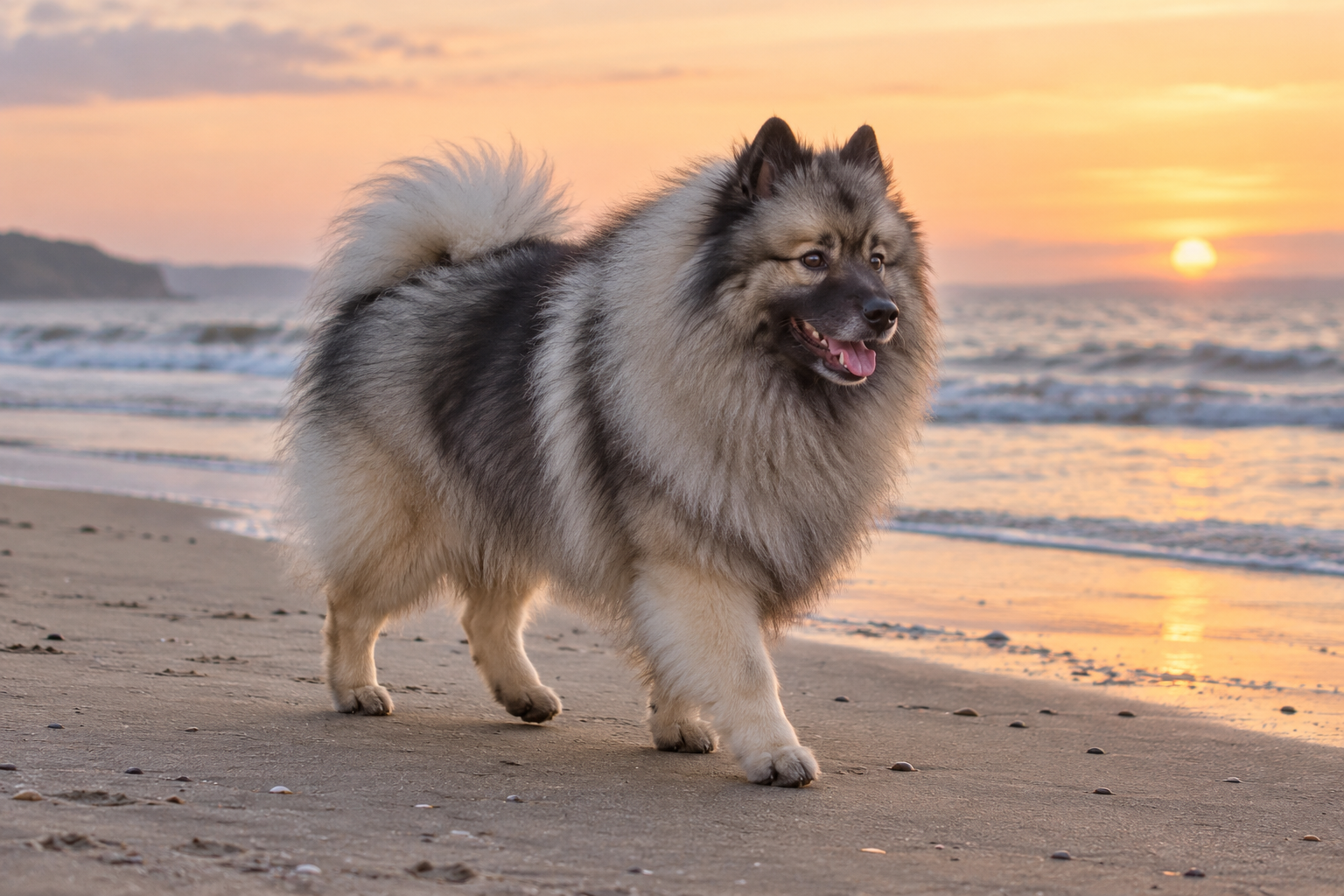
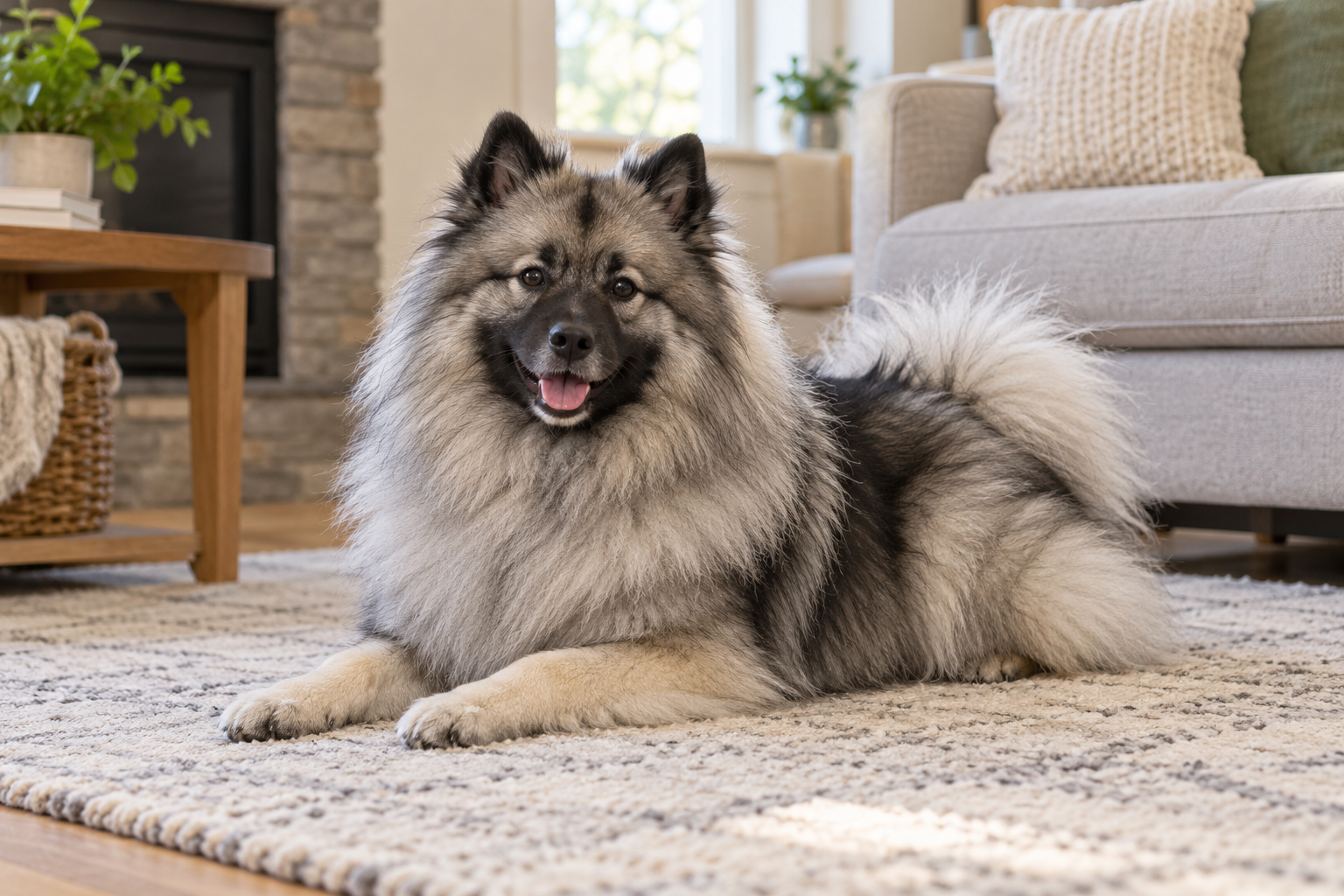
The coat is long, harsh and stands off the body, over a thick, soft, pale undercoat, with a heavy ruff around the neck and a plumed tail curled tightly over the back. The breed has one recognised colour pattern: a mixture of grey, black and cream, often described as wolf grey. Searches for "brown", "red" or other Keeshond colours are common, but those colours are outside the standard, and buyers should be cautious of any breeder marketing unusual colours as rare.
Distinctive Features
The defining feature is the "spectacles", a delicate dark line running from the outer corner of each eye towards the ear, combined with markings that form short eyebrows. Together they give the Keeshond its alert, smiling expression. The small, pointed ears are carried erect, and the gait is clean and brisk.
Gender Differences
Males are slightly taller, often heavier and usually carry a fuller mane and ruff. Females are a little finer and, if entire, may blow coat twice a year rather than once. Temperament differences are small.
Temperament of the Keeshond: Affectionate, Alert, and Vocal
Core Personality Traits
Keeshonds are typically cheerful, affectionate and outgoing. They were bred to be companions as much as watchdogs, and they genuinely want to be part of family life. Owners often describe them as sensitive to the mood of the household and quick to offer comfort.
Social Behaviour
Most Keeshonds are friendly with visitors once they have announced them, and they usually get on well with other dogs. They are not aggressive guard dogs, but they are reliable alarm barkers. Early socialisation helps them settle quickly after the initial alert.
Bonding and Attachment
The breed bonds closely with its family and likes to be in the same room as its people. That makes the Keeshond a rewarding companion for those who are home often. It is not a breed to leave alone in the backyard for long workdays, and isolation is the most common source of problems.
Common Behavioural Challenges
Barking is the issue owners raise most often. The Keeshond was kept specifically to raise the alarm, and many bark at noises, visitors and passing dogs. Separation distress is the second challenge, and spotting the early signs of separation anxiety lets owners respond before habits form.
Intelligence and Trainability of the Keeshond: Bright, Willing, and Sensitive
Intelligence and Learning Ability
Keeshonds are intelligent and pick up routines and cues quickly. They tend to be more willing than many spitz breeds, and many do well in obedience, rally and trick training. Their alertness makes them quick to notice changes in their environment.
Training Approach
Gentle, reward-based training suits the breed best. Keeshonds are sensitive and can shut down with harsh handling, so keep sessions short, positive and varied. Food rewards and play both work well.
Early Socialisation
Introduce puppies to visitors, household noises, other dogs and grooming from an early age. Teaching a puppy to accept brushing, ear checks and nail trims calmly is particularly valuable in a breed with this much coat.
Potential Training Challenges
The main challenge is managing barking. Reward quiet behaviour, teach a "thank you, that's enough" cue after the first alert, and avoid accidentally rewarding barking with attention. Training sessions in summer should be indoors or in the cool of the day.
Keeshond Family Life: Living with Children, Pets, and Households
Living with Children
The Keeshond is widely regarded as an excellent family dog. Most are playful, patient and gentle with children, and their medium size makes them sturdy without being overpowering. As with any breed, supervise young children and teach them to respect the dog's space.
Living with Other Pets
Keeshonds usually live well with other dogs and, when raised with them, with cats. Their prey drive is low compared with many breeds. Introductions should still be calm and gradual.
Household Environment
A house with a securely fenced yard and climate-controlled indoor space suits the breed. The Keeshond should live indoors with its family, not outside. Apartment living is possible with enough exercise, but barking may be a problem with close neighbours.
Lifestyle Compatibility
The breed suits families, retirees and couples who are home often, enjoy walks and are happy to brush a dog several times a week. It is less suited to people in hot, humid regions without air conditioning, or to homes where the dog will be alone all day.
Health of the Keeshond: Hyperparathyroidism, Joints, and Lifespan
Lifespan and Healthy Living
Keeshonds are generally long-lived for their size. Dogs Victoria gives a lifespan of 12 to 16 years, while other references give 12 to 14, so many dogs reach their early to mid teens with good care. Keeping a Keeshond lean, cool and up to date with preventative care supports a long life.
Common Health Conditions
Owners should be aware of several conditions that can be associated with the breed. It is best to discuss any concerns with a veterinarian.
- Primary hyperparathyroidism (PHPT). An inherited condition in which an overactive parathyroid gland raises blood calcium, which can lead to bladder stones, increased thirst and kidney problems, usually in middle-aged or older dogs. In 2025 the UK Kennel Club approved an official DNA testing scheme for PHPT in the Keeshond.
- Hip dysplasia. Abnormal development of the hip joint, which can lead to arthritis.
- Patellar luxation. Kneecaps that slip out of place, listed by the PDSA's Keeshond breed profile alongside hip dysplasia and epilepsy.
- Epilepsy. A brain disorder that can cause seizures, usually managed long term with medication.
- Hypothyroidism. An underactive thyroid that can cause weight gain, lethargy and coat changes, and is usually manageable with daily medication.
- Skin and coat problems. Hot spots can develop under a dense coat that is not brushed out, especially in humid weather.
Genetic Health Testing
Responsible breeders DNA test breeding dogs for PHPT, hip score parents and assess patellas. In Australia, some breeders describe puppies as "PHPT negative by descent", meaning both parents tested clear. Ask to see results rather than relying on verbal assurances. There are two different PHPT tests in use, including the Cornell University PHPT genetic test, so ask which one was used.
Preventative Health Care
Keep vaccinations and parasite prevention current, including paralysis tick prevention on the east coast, where a thick coat makes ticks hard to find. Annual health checks become twice-yearly as the dog ages, and routine blood tests in middle age can help detect raised calcium early. Dental care matters for every breed.
Caring for the Keeshond: Daily Care and Living Environment
Daily Care Routine
A typical day includes one or two walks at cool times, play and training, a quick brush of the areas that tangle, and plenty of time with the family. Check the coat and skin for ticks and grass seeds after walks. Keep fresh water available at all times.
Living Environment Requirements
The Keeshond needs indoor living, a secure yard and a cool place to rest. Tiled or timber floors give it somewhere cool to lie in summer. Solid fencing that blocks the street view can reduce alarm barking.
Climate Sensitivity
Heat is the most important consideration for a Keeshond in Australia. The breed developed in a cool, damp climate, and a coat full of dense undercoat traps heat. In Queensland, the Northern Territory, northern Western Australia or a Western Sydney summer, a Keeshond needs air conditioning or very good ventilation indoors, exercise only in the early morning or evening, and constant access to shade and water.
Do not shave a Keeshond. The double coat insulates against heat as well as cold and protects the skin from sunburn, and shaving can damage regrowth. Regular brushing to remove dead undercoat is far more effective. Know the signs of heat stress and the temperatures that are unsafe for dogs in Australia, and remember that dogs can suffer heatstroke even indoors on a hot, still day.
Caring for Senior Keeshonds
Older Keeshonds may develop stiff joints, dental problems or changes linked to thyroid or parathyroid function. Shorter walks, supportive bedding and regular blood tests help. Brushing little and often is easier on an older dog than long sessions.
Grooming of the Keeshond: Managing a Dense Double Coat
Coat Maintenance
Dogs Victoria advises brushing at least two to three times a week. Line brushing, working through the coat in sections down to the skin with a slicker brush and a metal comb, prevents mats forming behind the ears, under the legs and in the trousers. Expect to spend about 30 to 60 minutes a week on the coat outside of a blow.
The Seasonal Coat Blow
Keeshonds shed their undercoat heavily, usually once a year in males and twice a year in entire females. During a blow the volume of hair is striking, and daily brushing with an undercoat rake keeps it under control. Knowing the difference between ordinary shedding and blowing coat helps first-time owners plan for it.
Ear, Nail, and Dental Care
Check ears weekly and keep the hair around the feet neatly trimmed. Trim nails every three to four weeks. Brush teeth several times a week.
Bathing and Professional Grooming
Bathe every six to eight weeks and dry the coat thoroughly to the skin, ideally with a high-velocity dryer, to prevent hot spots. Many owners book a professional deshedding groom during each blow. A practical double-coated grooming routine keeps the job manageable between appointments.
Exercise Needs of the Keeshond: Moderate Activity, Cool Conditions
Daily Exercise Requirements
Most adult Keeshonds need about 45 to 60 minutes of exercise a day, split into walks and play. They are lively and playful but not endurance athletes, and they adapt well to a quieter routine on very hot days.
Activities Keeshonds Enjoy
Walks, fetch, trick training, obedience, rally and agility all suit the breed. Many enjoy nosework, which is a good low-impact outlet in warm weather. They prefer activities shared with their owner.
Exercise Limitations
In summer, walk only at dawn or dusk and test pavement temperature with your hand. Avoid long runs in heat or humidity. In eastern Australia, check the dense coat carefully for paralysis ticks after any walk through long grass or bush.
Importance of Mental Stimulation
Puzzle feeders, scent games and short training sessions help keep a Keeshond content, especially on days when heat limits walks. Mental work also reduces boredom barking.
Feeding the Keeshond: Nutrition and Diet Needs
Nutritional Requirements
A complete and balanced commercial diet for medium breeds suits most Keeshonds. Good-quality protein and omega-3 fatty acids support skin and coat health. Feed to body condition rather than to the label.
Feeding by Life Stage
Feed puppies three to four meals a day until around four months, then two meals daily. Seniors may need fewer calories and food that supports joints. Discuss any diet change with your vet, particularly for a dog with raised calcium.
Portion Control and Weight Management
The Keeshond's coat hides weight gain well, and the breed is prone to becoming overweight. Feel for the ribs and waist regularly, weigh monthly and adjust portions. Extra weight reduces heat tolerance and loads the joints.
Foods to Avoid
Grapes, sultanas, chocolate, onion, garlic, macadamia nuts and anything containing xylitol are toxic to dogs. Avoid cooked bones and fatty scraps. Do not add calcium supplements without veterinary advice.
Keeshond Price in Australia: Purchase Cost and Ongoing Expenses
Puppy Purchase Price
Expect to pay about $2,500 to $4,000 for a registered Keeshond puppy in Australia, and expect a waiting list. Every litter on Dogz Online's Keeshond puppy listings in October 2026 was price on request, so the range is derived. The older $800 to $1,800 figure seen on some Australian pages is unsourced and well below current overseas prices.
In the United States, GoodDog puts breeder prices at about USD 2,200 to USD 2,500 nationally, roughly AUD 3,300 to AUD 3,750. With only 13 breeders listed in Australia, local prices are unlikely to sit below that, and puppies from fully health-tested parents may reach the top of the range.
Initial Setup Costs
RSPCA NSW cost guidance puts microchipping at $60 to $80, a puppy vaccination course at $280 to $420 and desexing at $350 to $650. For a Keeshond, add grooming tools (slicker brush, comb and undercoat rake), a cooling mat and, in hot regions, the cost of keeping a room cool in summer.
Ongoing Monthly Costs
| Cost | Typical figure (AUD) | Source |
|---|---|---|
| Food | About $600 to $1,000 a year | RSPCA NSW |
| Flea and worm treatment | $200 to $250 a year, plus heartworm up to $250 | RSPCA NSW |
| Annual vet check and booster | From $140 a year | RSPCA NSW |
| Pet insurance | About $1,693 a year for a medium dog | Canstar, 2026 |
| Professional grooming | One or two deshedding grooms a year for many owners | Breed coat needs |
Canstar's 2026 premium data put average accident and illness cover for a medium dog at about $1,693 a year. Comparing how dog insurance policies differ before the puppy arrives helps avoid exclusions later.
Long-Term Financial Commitment
Animal Medicines Australia's 2025 survey found dog-owning households spend about $2,520 a year. A Keeshond is likely to sit around that figure, with grooming and summer cooling adding to the total across a life that can reach the mid teens.
Buying Advice for a Keeshond: Choosing a Healthy Puppy
Choosing a Responsible Breeder
Choose a breeder registered with their state body under Dogs Australia who DNA tests for PHPT, hip scores parents and is open about temperament and barking. With so few breeders, it is normal to wait several months. A good breeder will explain the coat and heat commitment honestly.
Health Checks Before Purchase
Meet the mother and, where possible, the father. Ask for PHPT results for both parents, hip scores and patella checks, and vaccination, worming and microchip records. A healthy puppy has clear eyes, a clean coat and a confident, friendly manner.
Questions to Ask the Breeder
- What are the PHPT DNA results for both parents, and which test was used?
- What are the parents' hip scores, and have their patellas been checked?
- Is there any history of epilepsy or hypothyroidism in your lines?
- How vocal are the parents at home?
- How do you advise owners to manage the coat in summer?
- Will the puppy be on the main or limited register?
- Is your colour the standard wolf grey, and do you breed any other colours?
Contracts and aftercare belong on your list of questions to ask a dog breeder too.
Considering Adoption
Adult Keeshonds occasionally need new homes through breed clubs and rescue groups. An adult lets you see temperament, barking level and coat directly, which is useful in a breed where those factors decide suitability. Contact the Keeshond club in your state for rehoming enquiries.
Is the Keeshond Right for You? A Devoted Companion for Cool, Close Households
Lifestyle Compatibility
The Keeshond suits families and couples who are home often and want an affectionate, sociable dog. It struggles in hot regions without air conditioning.
Time and Care Commitment
Plan on about an hour of activity a day and brushing two to three times a week, more during a blow. The commitment can run past 15 years.
Grooming and Health Awareness
Never shave the coat, keep the dog cool in summer and choose a PHPT-tested litter. Watch weight closely under that coat.
Ideal Owner Profile
The ideal owner is home often, tolerant of some barking and happy to groom. Patience while waiting for a well-bred puppy pays off.
Find Keeshond Puppies for Sale
If the Keeshond suits your household, you can browse puppies for sale on Pups4Sale and register your interest with breeders early.
Frequently Asked Questions
Related Breeds
Other companion breeds on Pups4Sale.
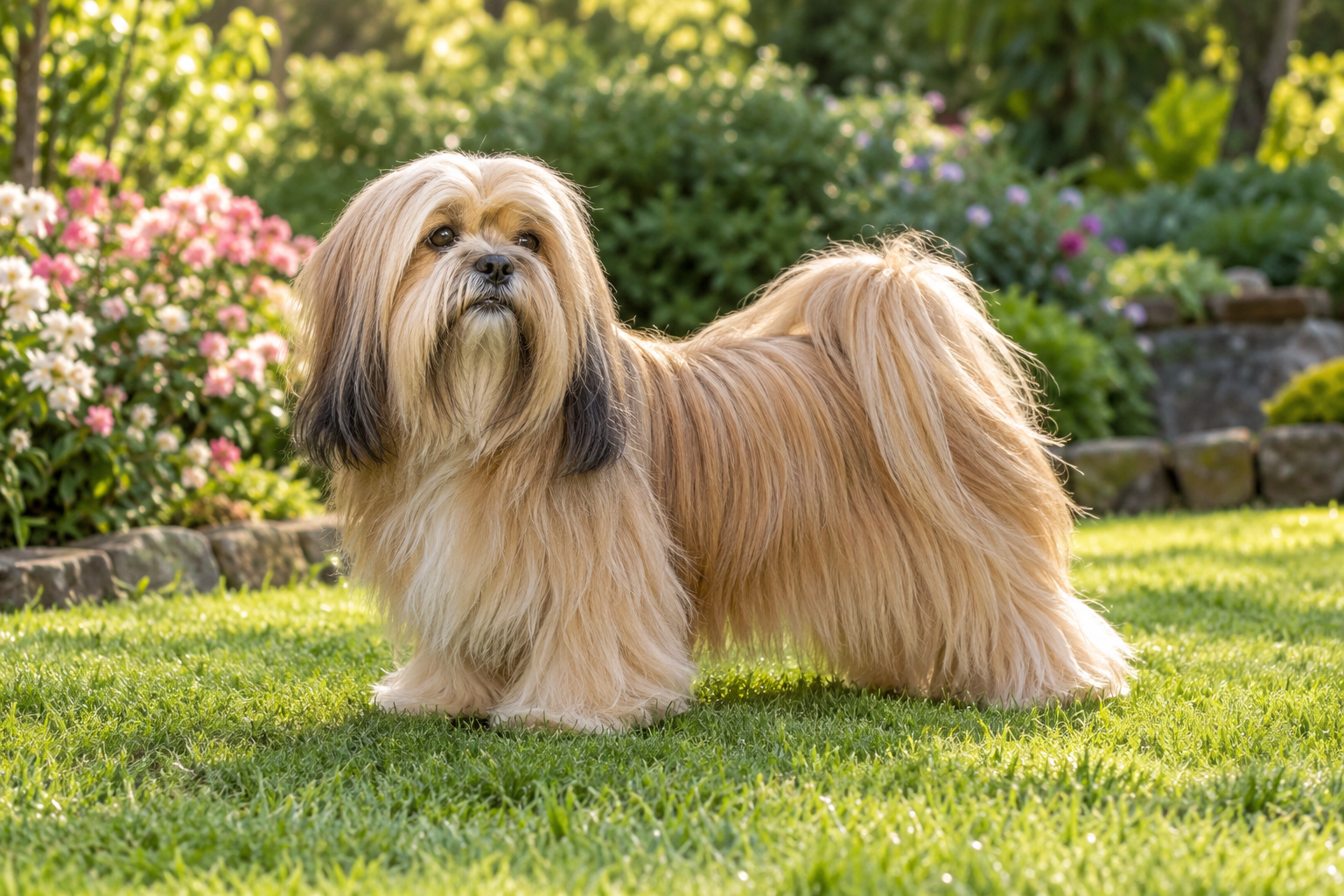 Lhasa ApsoSmall • Non Sporting (Group 7)
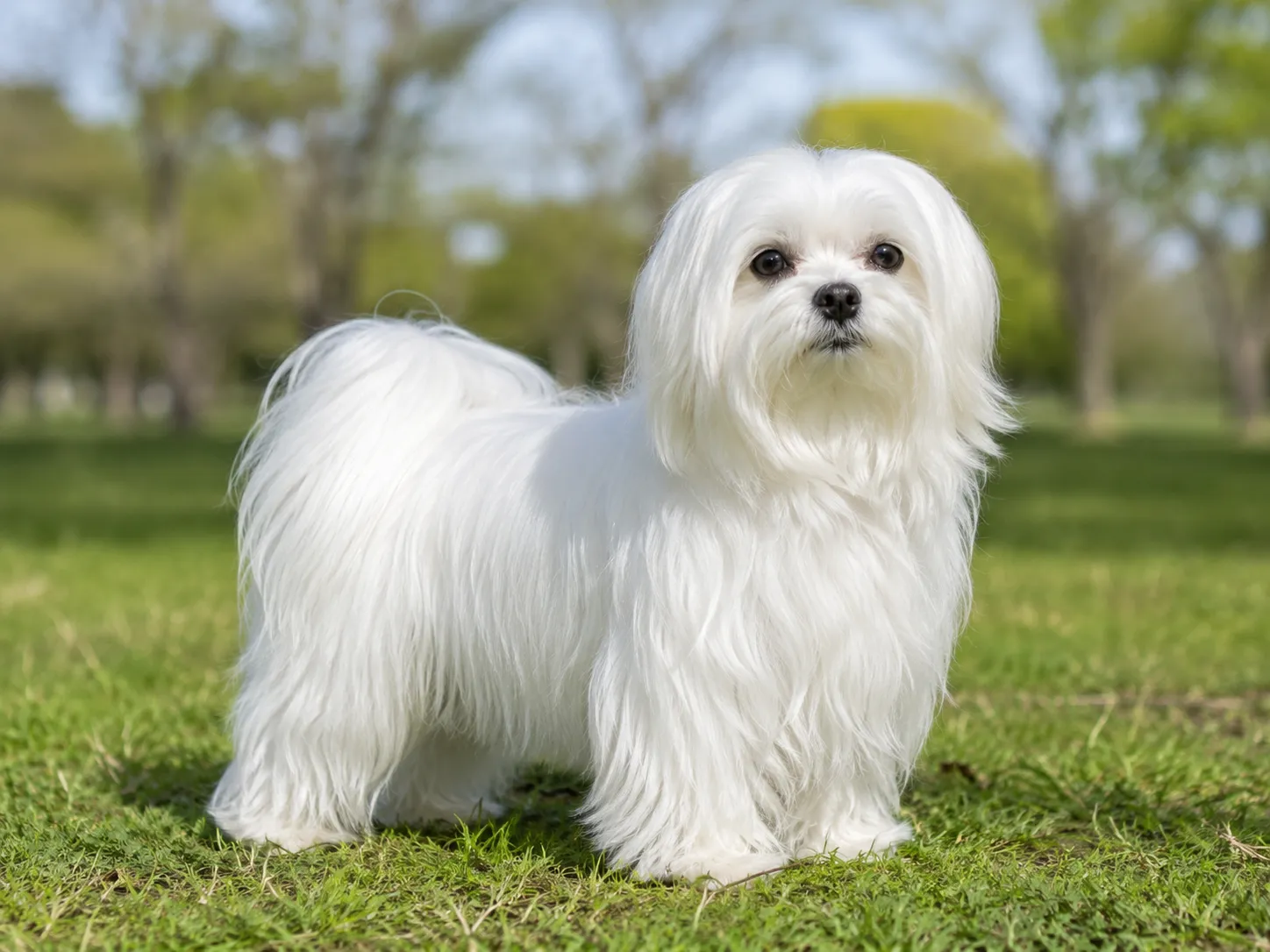 MalteseSmall • Toy
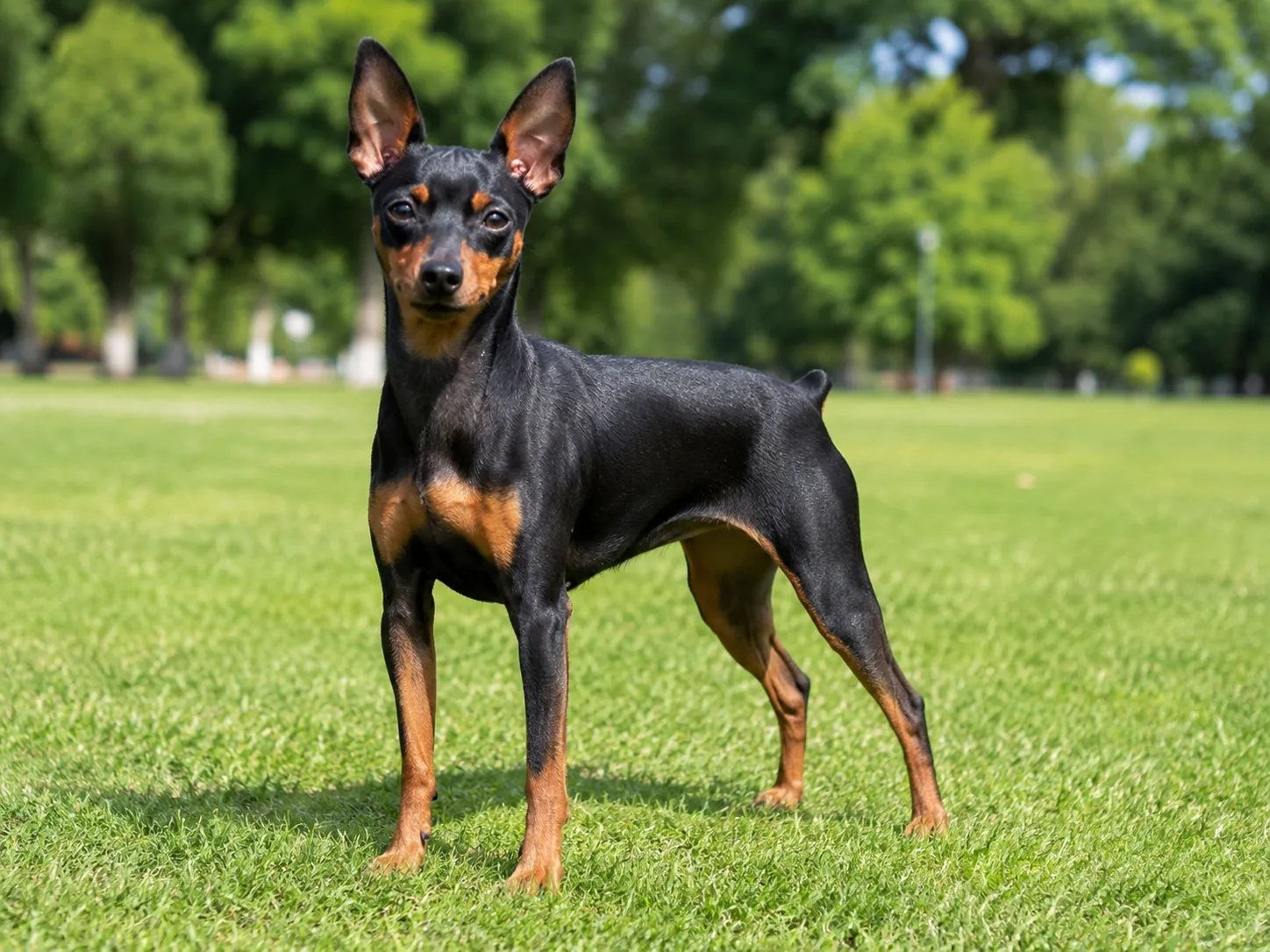 Miniature PinscherSmall • Toy
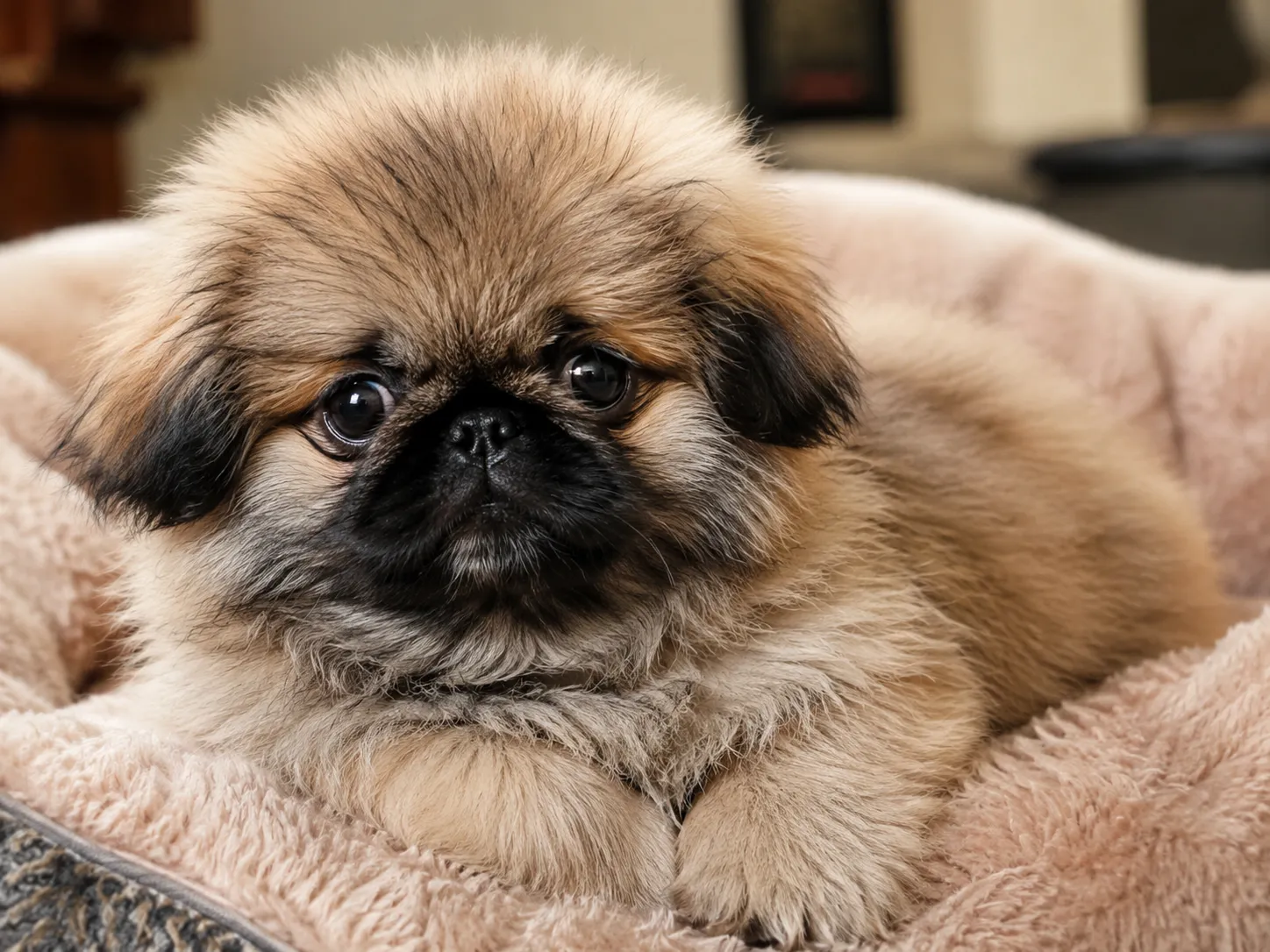 PekingeseSmall • Toy
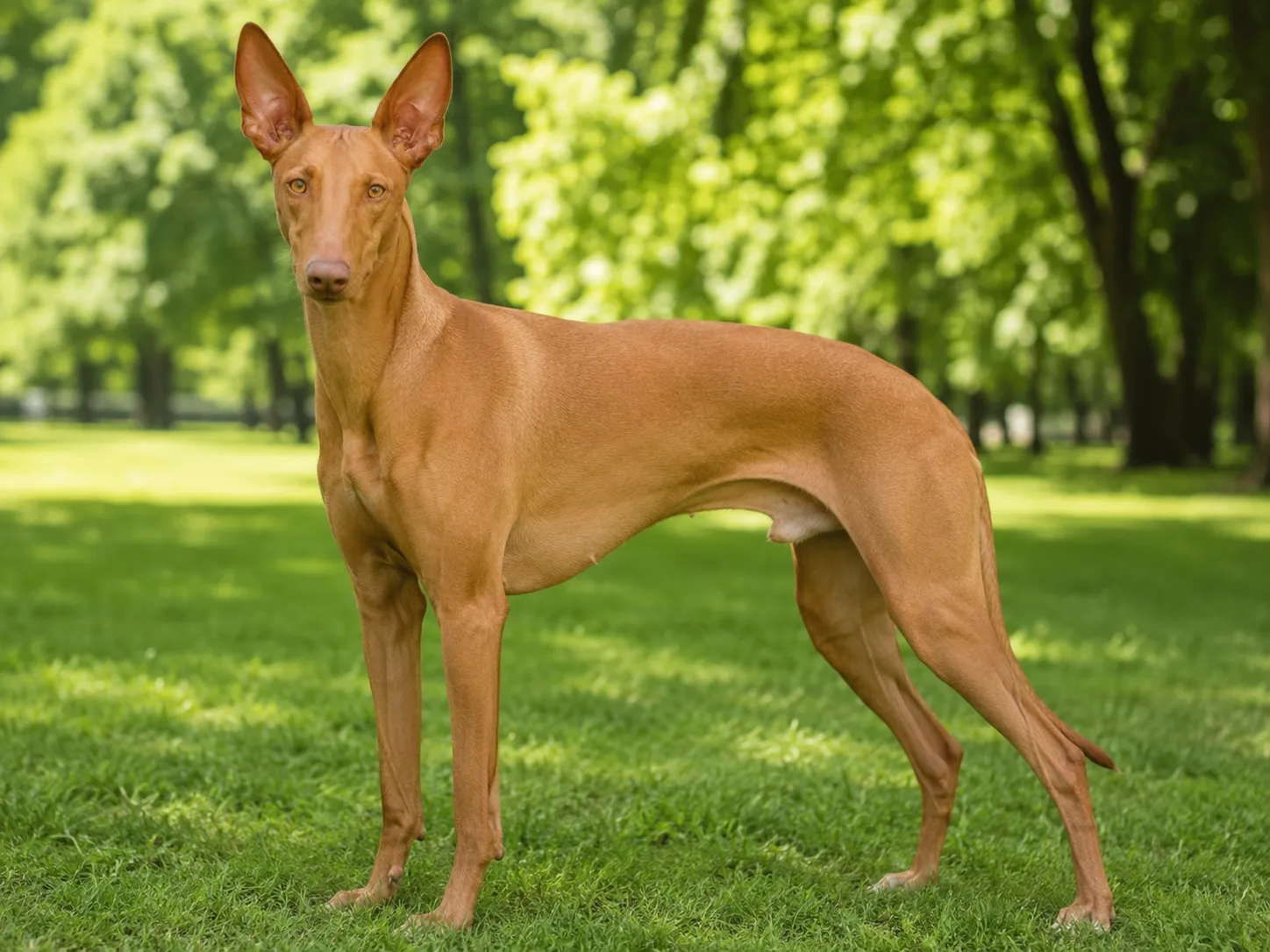 Pharaoh HoundMedium • Hound (Sighthound type)
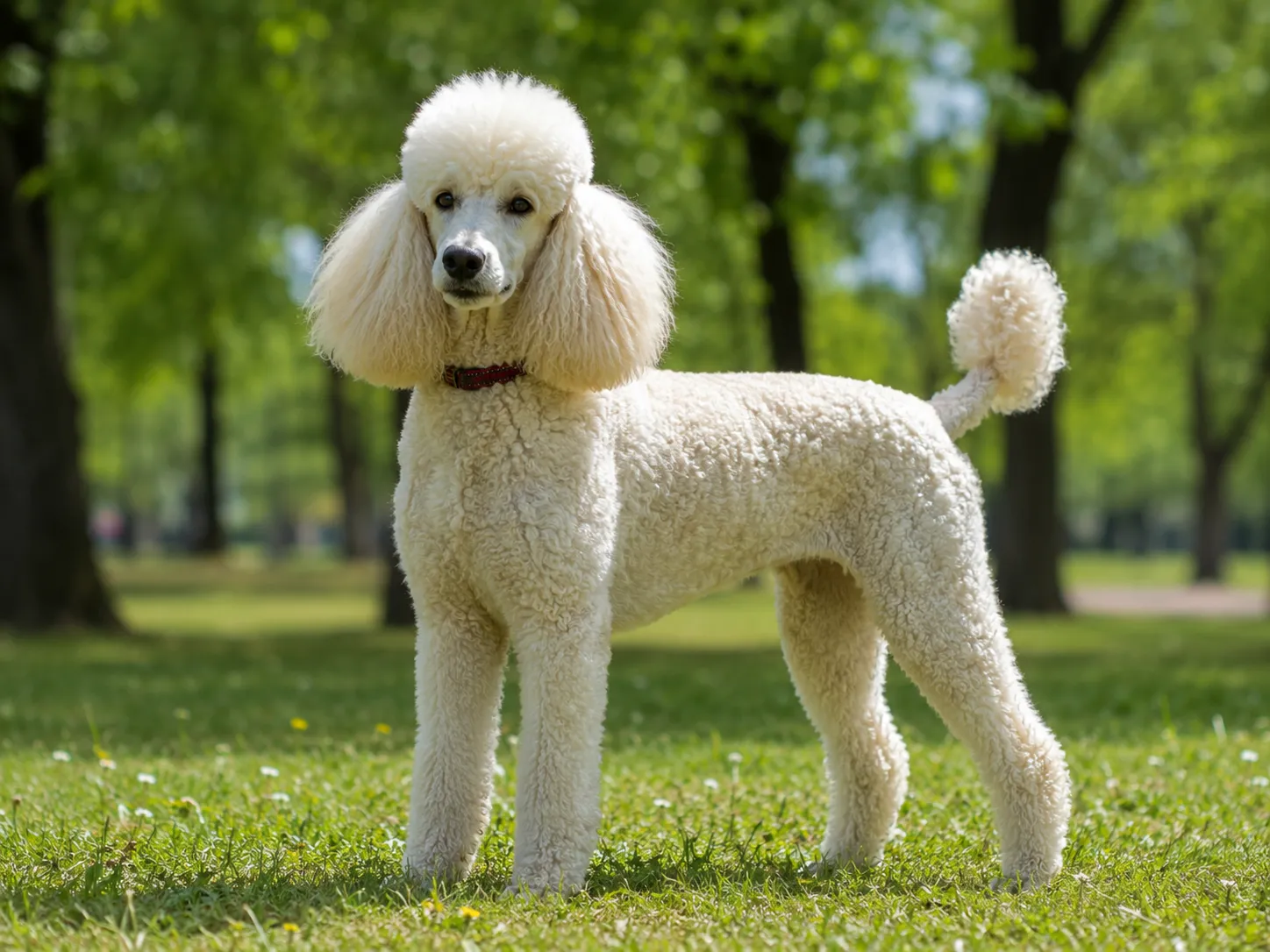 PoodleMedium • Non-Sporting Group (Utility Group in Australia)