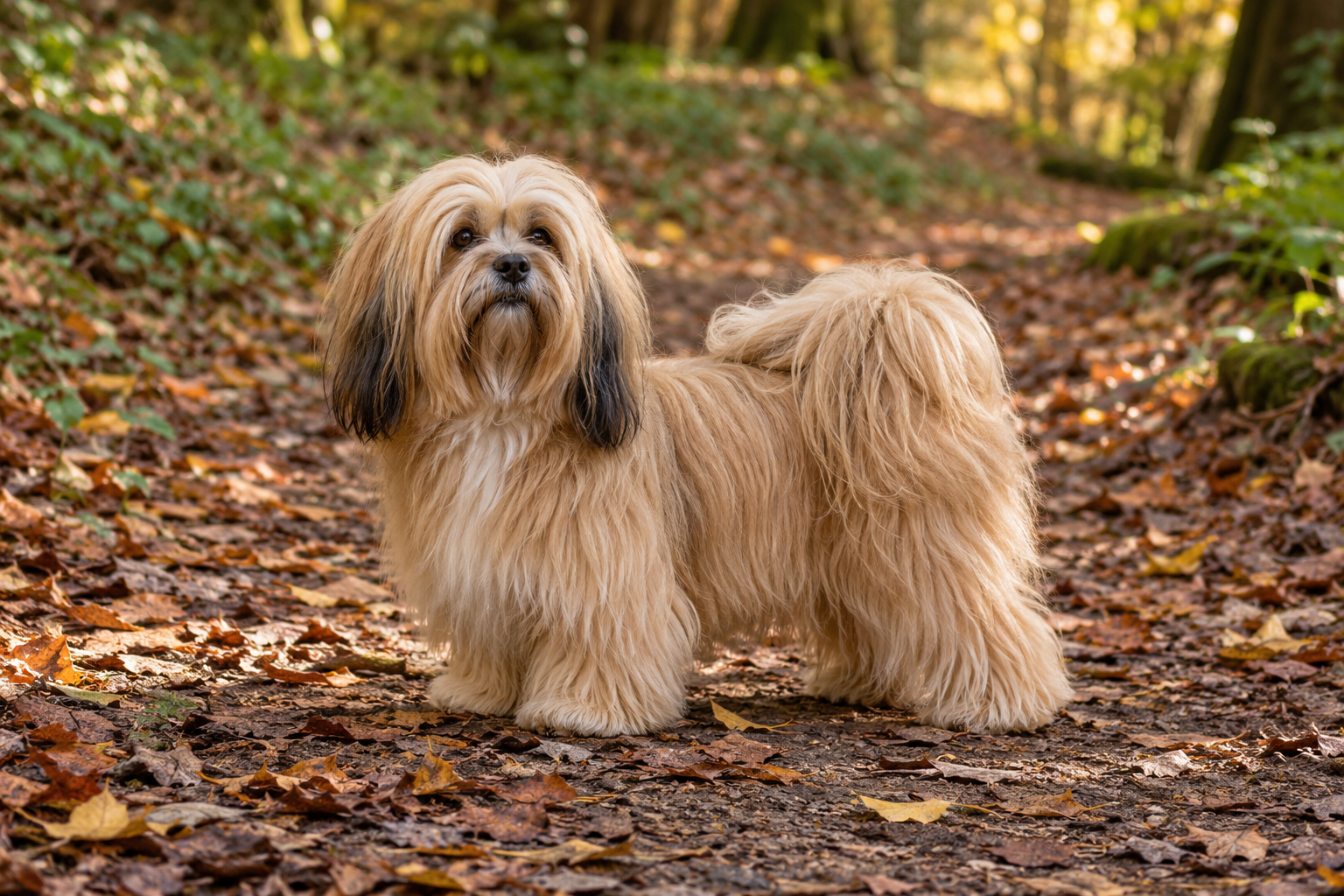
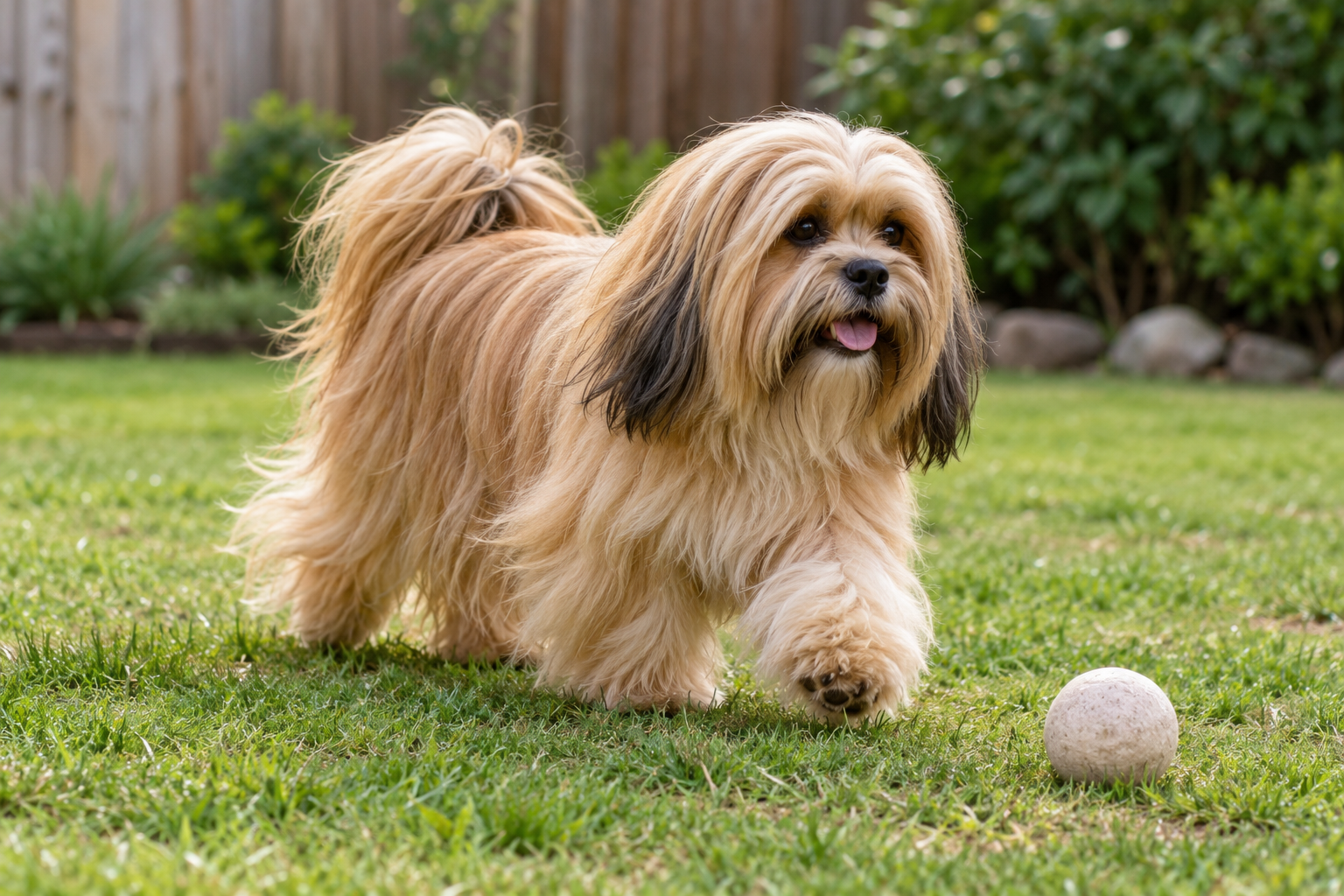
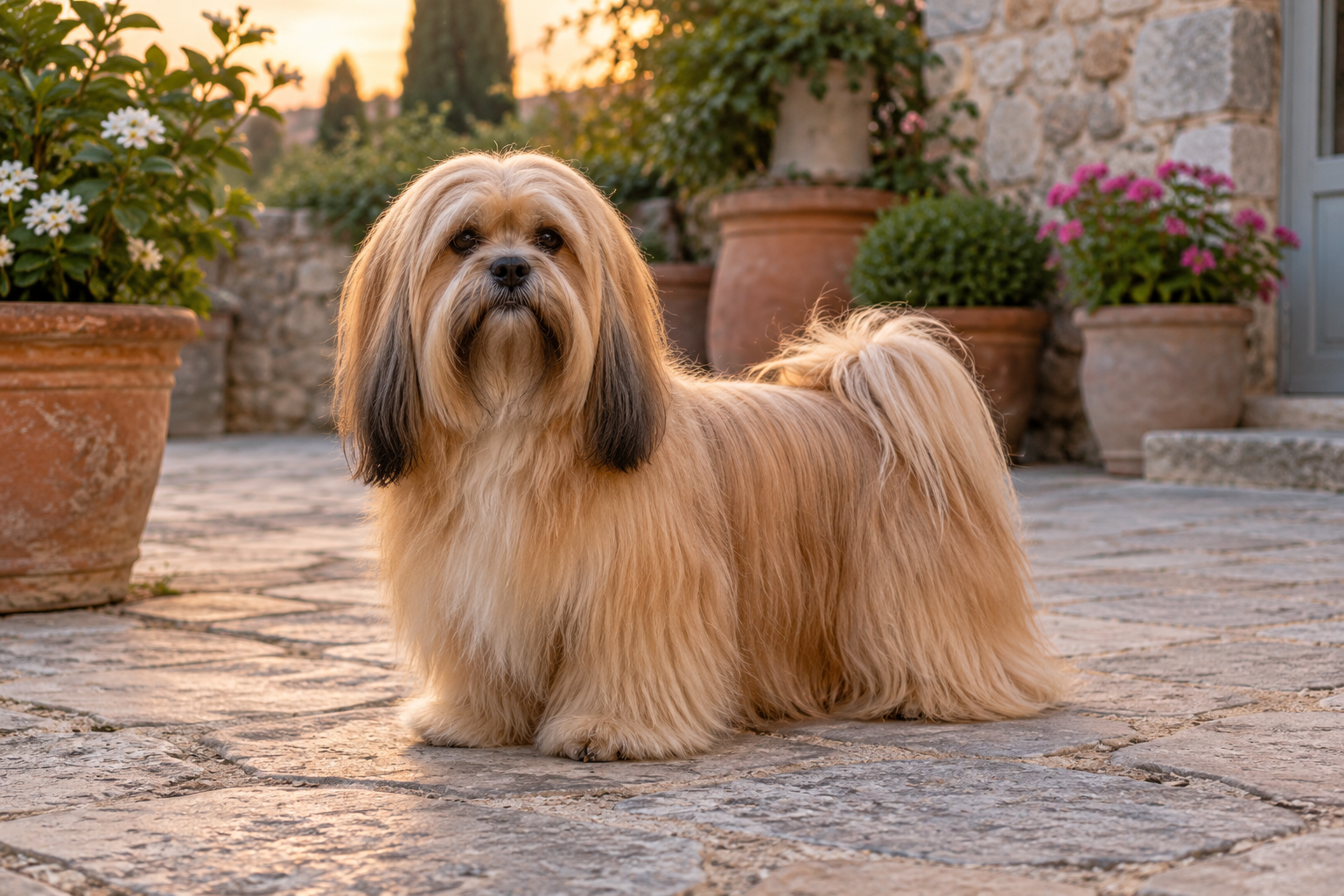
Lhasa Apso
By James C. • Updated
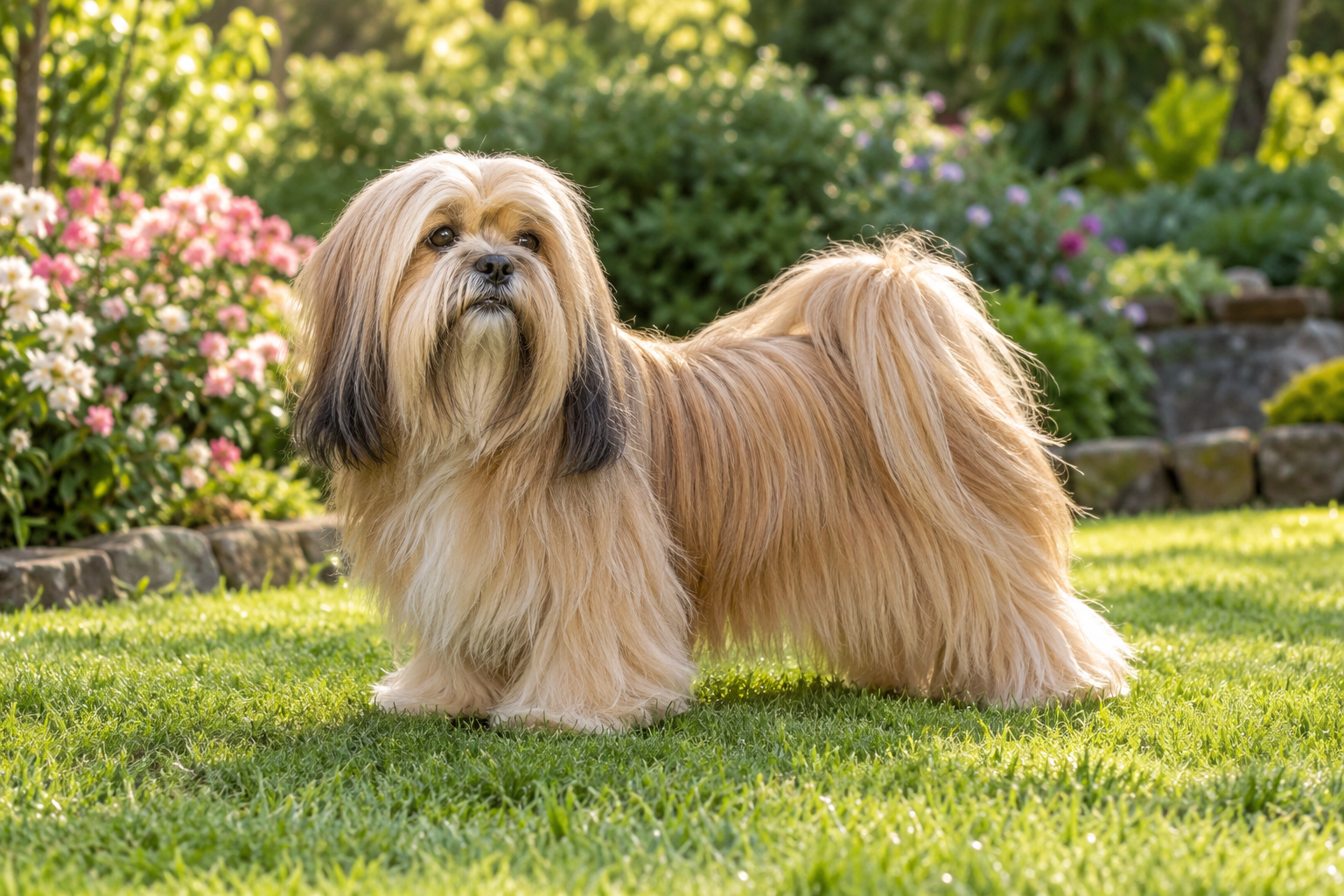
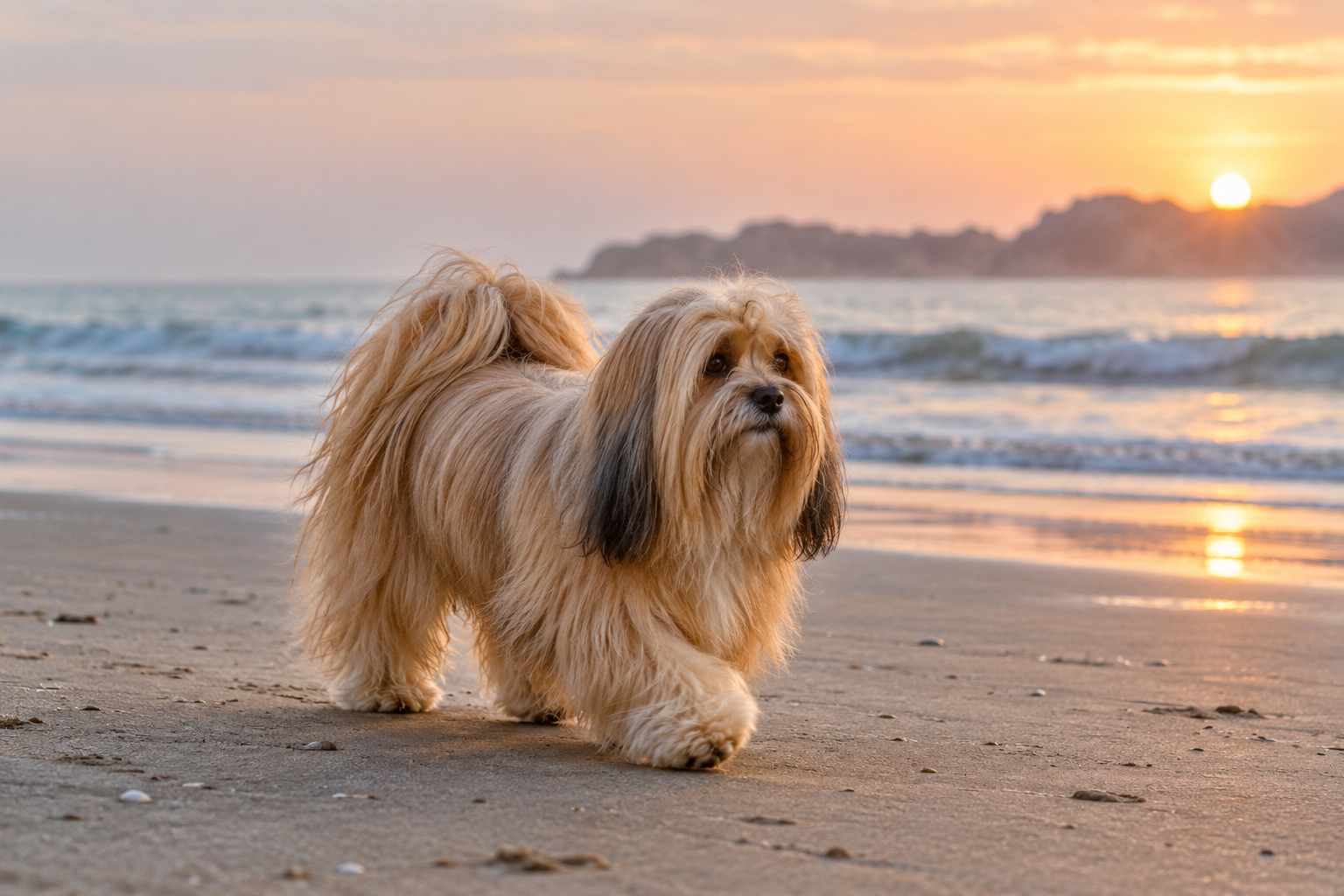
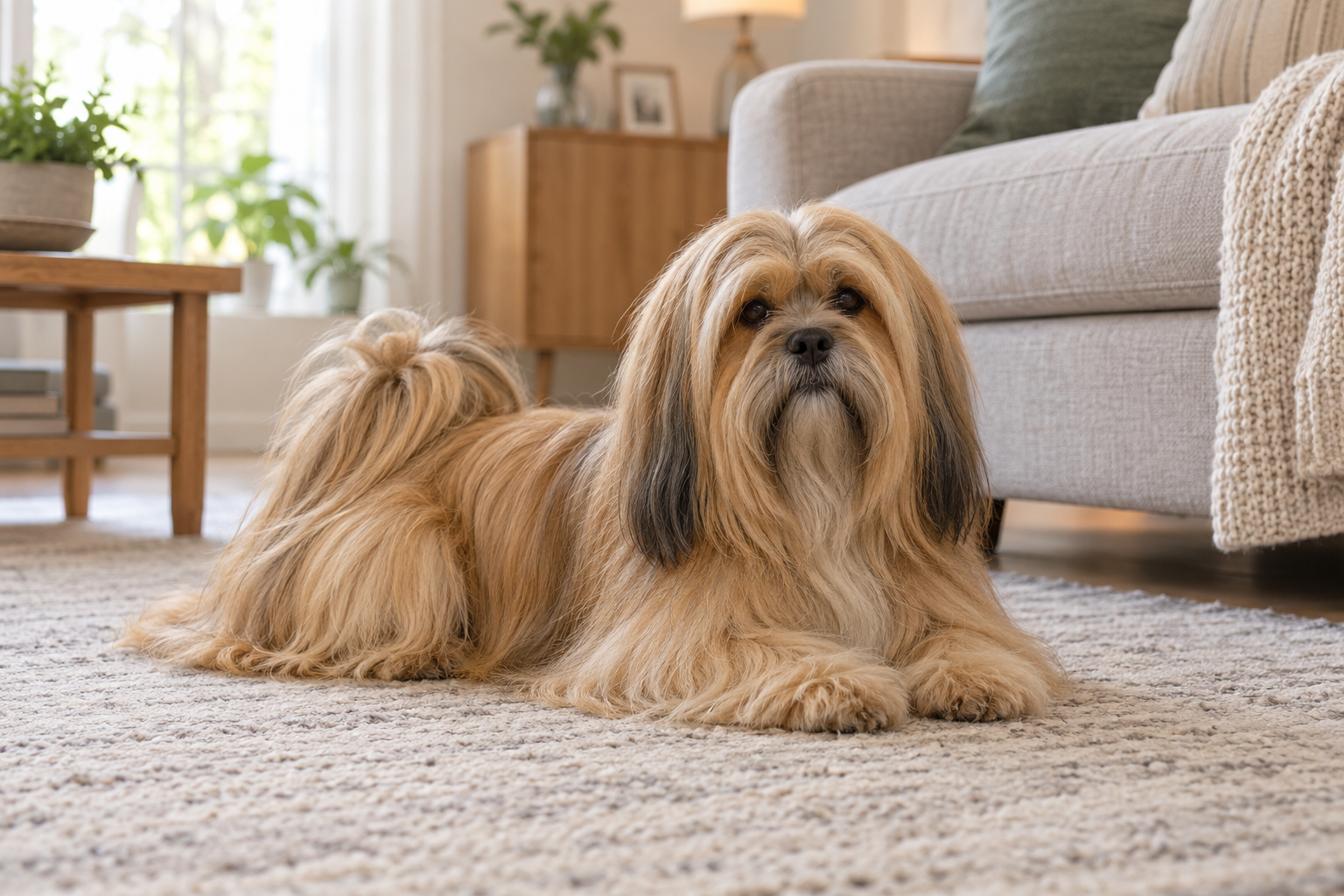
The Lhasa Apso is a small, long-coated companion and watchdog from Tibet, where it guarded monasteries and homes from the inside. It is confident, loyal and playful with its family, but naturally wary of strangers and quick to bark at anything unusual. The Dogs Australia standard gives an ideal height of 25 cm for dogs, with bitches slightly smaller, and most adults weigh about 5 to 8 kg. The heavy, straight coat needs regular brushing, and most pet owners keep it in a shorter puppy clip. It is a long-lived breed, commonly reaching 12 to 15 years.
Breed Overview
Life Span
12 - 15 years
Average Price
AUD 2000 - AUD 3000
Weight
Male: 5 - 8 kg Female: 5 - 8 kg
Height
Male: 25 - 28 cm Female: 23 - 26 cm
Life Expectancy
Male/Female: 12 - 15 years
Breed Group
Non Sporting (Group 7)
Nicknames
Lhasa, Apso, Tibetan Lion Dog
Breed Information
The Lhasa Apso is a small, long-coated companion and watchdog from Tibet, recognised by Dogs Australia in the Non Sporting group. It was bred to live indoors and sound the alarm at anything unusual, and it still does exactly that. With its family it is confident, affectionate and often clownish, while with strangers it is watchful and reserved.
Buyers often weigh it against the Shih Tzu. The two look alike and share Tibetan roots, but the Lhasa is a little taller and leaner, has a longer muzzle and a harder coat, and is more independent and wary of strangers. The Shih Tzu is generally the more outgoing, people-pleasing of the two, while the Lhasa is the more self-assured watchdog.
Lhasa Apso crosses, particularly with the Poodle, Maltese and Shih Tzu, are common in Australian classifieds. A cross can vary widely in coat, size and temperament, so buyers should ask the same health questions of both parents. Purebred supply is modest: Dogz Online listed 22 Lhasa Apso breeders and four litters on 18 October 2026.
Characteristics of the Lhasa Apso
The Lhasa Apso rates highly for loyalty, adaptability to small homes and longevity, and low for friendliness with strangers and ease of grooming, so it suits devoted owners who enjoy coat care.
| Trait | Rating | Star Rating | Meaning |
|---|---|---|---|
| Size | Small | ★★ | About 5 to 8 kg and around 25 cm tall. |
| Adaptability | High | ★★★★ | Suits apartments and townhouses, if barking is managed. |
| Exercise Needs | Low to Moderate | ★★ | Daily walks and play, not a running companion. |
| Easy to Train | Moderate | ★★★ | Intelligent but independent and sometimes stubborn. |
| Amount of Shedding | Low | ★★ | Sheds little, but loose undercoat tangles into mats. |
| Grooming Needs | High | ★★★★★ | Brushing every other day in full coat, or regular clips. |
| Good With Children | Moderate | ★★★ | Best with respectful, older children. |
| Health | Good | ★★★★ | Long-lived, with eye, kidney and skin conditions to watch for. |
| Cost to Keep | Moderate | ★★★ | Small food bills, offset by professional grooming. |
| Tolerates Being Alone | Moderate | ★★★ | More independent than many toy breeds, with support. |
| Intelligence | Good | ★★★★ | Perceptive, alert and quick to notice change. |
History of the Lhasa Apso: Tibet's Indoor Sentinel
The Lhasa Apso comes from Tibet and takes its name from the holy city of Lhasa. It was kept in monasteries and noble households as an indoor sentinel, with its sharp hearing and readiness to bark warning of anyone approaching, while larger mastiff-type dogs guarded outside. Claims that the breed dates back thousands of years are popular, but the Dogs NSW breed profile points out that such claims are hard to verify, since written Tibetan records only begin around 639 AD.
The breed was regarded as a bringer of good fortune and was traditionally given as a gift rather than sold, often by the Dalai Lama. That made breeding stock hard to obtain outside Tibet, and early dogs reached the West mainly as gifts to diplomats and travellers in the early twentieth century. Breeders in Britain and the United States then established the breed and its standards.
In Australia, the first Lhasa Apso was imported by Joan Beard in 1961, according to Dogs NSW. The breed has since become a well-established companion dog, and it is also widely used in crossbreeding with Poodles, Maltese and Shih Tzus.
Appearance of the Lhasa Apso: Small, Sturdy and Long-Coated
Size and Build
The Dogs Australia breed standard gives an ideal height of 25 cm at the shoulder for dogs, with bitches slightly smaller, and sets no weight. Most adults weigh about 5 to 8 kg. The body is solid and well balanced, slightly longer than tall, with a level back and a tail carried well over the back.
Coat and Colours
The standard calls for a long, heavy, straight and hard top coat, not woolly or silky, over a dense undercoat. Accepted colours are golden, sandy, honey, dark grizzle, slate, smoke, parti-colour, black, white or brown, so black and white Lhasas are entirely correct. The coat falls over the eyes and forms a beard and moustache, and in full coat it can reach the ground.
Distinctive Features
The Lhasa has a moderate muzzle, longer than a Shih Tzu's and nothing like the flat face of a Pug, with a slightly undershot or level bite. Dark, medium-sized eyes peer out from heavy head furnishings, and the tail curls up and over the back. The overall impression is a small but sturdy, dignified dog.
Gender Differences
Dogs are typically a little taller and heavier than bitches, and the standard notes bitches are slightly smaller. Males can be bolder and more territorial, while females are sometimes described as more independent. In practice, individual personality varies more than sex.
Temperament of the Lhasa Apso: Confident, Loyal and Watchful
Core Personality Traits
The breed standard describes the Lhasa as gay and assertive, but chary of strangers, which is a good summary. Lhasas are typically confident, loyal and playful with their families, often staying mischievous well into old age. Dogs NSW describes them as calm, intelligent, independent and dignified, if sometimes a little stubborn.
Social Behaviour
With strangers, Lhasas are usually reserved and watchful rather than friendly. They take time to accept new people, and many prefer not to be handled by visitors. Early socialisation helps a Lhasa stay calm and polite rather than suspicious or snappy.
Bonding and Attachment
Lhasas bond closely with their household and like to be near their people, though they are more independent than many small companion breeds. Dogs NSW notes the breed copes with time alone given support. Many enjoy lying where they can see the whole room, a habit that reflects their sentinel past.
Common Behavioural Challenges
Barking is the most common complaint. A Lhasa was bred to sound the alarm, so it will bark at doorbells, footsteps, passing dogs and noises in a unit block. Other challenges include resource guarding of food or toys, stubbornness in training and grumpiness when handled roughly. Teaching a quiet cue and limiting window watching help in apartments and strata homes.
Intelligence and Trainability of the Lhasa Apso: Clever but Independent
Intelligence and Learning Ability
Lhasas are perceptive dogs that learn routines quickly and notice every change in their environment. They are not naturally eager to please, and they decide for themselves whether a request is worth following. That independence can be mistaken for low intelligence, but it is really a strong-minded personality.
Training Approach
Use reward-based training with small food rewards, short sessions and plenty of variety. Harsh corrections usually backfire with this breed. Start toilet training, handling and grooming practice from the first day, since a Lhasa that accepts brushing and nail trims as a puppy is far easier to care for as an adult.
Early Socialisation
Introduce puppies calmly to visitors, children, other dogs, vet clinics, groomers and household noises. Gentle, regular handling of the paws, mouth and ears prepares the dog for a lifetime of grooming. The aim is a confident adult that notices strangers without overreacting.
Potential Training Challenges
Stubbornness, barking and toilet training are the usual hurdles. Small breeds can take longer to toilet train reliably, so consistency and a predictable routine matter. Resource guarding should be addressed early with calm trading games rather than confrontation.
Lhasa Apso Family Life: Living with Children, Pets, and Households
Living with Children
Lhasas can live happily with children, but they are best suited to older, calmer children who understand how to handle a small dog respectfully. A Lhasa that is grabbed, chased or woken suddenly may snap, so supervise all interactions with young children and give the dog a quiet retreat.
Living with Other Pets
Most Lhasas live well with other dogs and cats they grow up with, though some are bossy and may guard toys or food from other pets. Introduce new animals gradually and feed pets separately. Their prey drive is low compared with terriers and gundogs.
Household Environment
The breed adapts well to apartments, townhouses and houses, provided barking is managed and the dog gets daily walks. A secure yard is useful but not essential. Indoor living with the family is essential, and a cool spot in summer is important given the long coat.
Lifestyle Compatibility
The Lhasa suits adults, retirees and families with older children who want a small, alert companion and enjoy grooming. It suits households with toddlers, frequent unfamiliar visitors or no time for coat care poorly. For strata living, a plan for alarm barking is part of responsible ownership.
Health of the Lhasa Apso: Eyes, Kidneys, Skin and Lifespan
Lifespan and Healthy Living
The Lhasa Apso is one of the longer-lived breeds. Dogs NSW gives an average lifespan of about 15 years, and a 2024 UK longevity study reported a median of about 14 years for the breed. Good dental care, a lean body and regular eye checks support a long, comfortable life.
Common Health Conditions
Dogs NSW describes the Lhasa as a breed with few health issues, but owners should be aware of several conditions that can be associated with it. It is best to discuss any concerns with a veterinarian.
- Dry eye (keratoconjunctivitis sicca). Reduced tear production that causes sore, sticky eyes. A UK VetCompass study found Lhasa Apsos among the breeds at highest risk of dry eye, and recommended tear testing at annual checks for predisposed breeds.
- Cherry eye. Prolapse of the gland of the third eyelid, seen as a red swelling in the corner of the eye, usually corrected surgically.
- Progressive retinal atrophy. An inherited condition causing gradual vision loss. Dogs NSW notes breeders have tested for PRA for several years.
- Renal dysplasia. Abnormal kidney development that can lead to kidney failure in young dogs, and is reported to have a hereditary predisposition in Lhasa Apsos and Shih Tzus.
- Skin allergies. Itching, licking and ear problems are common, and a matted coat can hide skin irritation.
- Dental disease. Small mouths with crowded teeth build tartar quickly, and early signs of dental disease such as bad breath and red gums are worth acting on.
- Patellar luxation. A kneecap that slips out of place, common in small breeds and seen as skipping or holding up a back leg.
Genetic Health Testing
Ask whether both parents have been tested or eye-examined for progressive retinal atrophy, and whether there is any history of kidney disease, dry eye or cherry eye in the line. Ask for a vet check of the parents' knees. For crosses, ask the same questions of the Lhasa parent and the relevant tests for the other breed, since crossing does not remove inherited risks.
Preventative Health Care
Keep vaccinations current and use year-round parasite prevention, including paralysis tick cover on the east coast. Ticks are easy to miss in a long coat, so check by touch daily during tick season. Ask your vet for a tear test at annual visits, brush teeth regularly, and see a vet promptly for red, cloudy or sticky eyes.
Caring for the Lhasa Apso: Daily Care and Living Environment
Daily Care Routine
A good day includes one or two walks, some indoor play, a quick brush or comb, a face and eye wipe and plenty of time near the family. Short training sessions and food puzzles keep the mind busy. Check the coat for grass seeds and burrs after outdoor time.
Living Environment Requirements
Lhasas live happily in small homes but need indoor living, a comfortable bed and a quiet place to retreat. Non-slip flooring and limited jumping from furniture protect the knees and back. A secure yard or balcony barrier is sensible for a curious small dog.
Climate Sensitivity
The heavy coat and moderate muzzle mean Lhasas can feel the heat in Australian summers. Walk early and late, provide air conditioning or a cool indoor spot, and offer water at all times. Check safe temperatures for dogs in Australia before outings. A shorter puppy clip helps in summer, but do not shave to the skin, since the coat also protects against sunburn.
Caring for Senior Lhasa Apsos
From around ten, watch for changes in vision, thirst, appetite, weight and mobility, which can signal eye, kidney or joint problems. Twice-yearly vet checks with blood and urine tests are sensible. Keep walks gentle, maintain dental care and provide soft bedding and ramps where needed.
Grooming of the Lhasa Apso: Full Coat or Puppy Clip
Coat Maintenance
Grooming is the defining ownership commitment with this breed. A Lhasa in full coat needs thorough brushing down to the skin about every other day, and Dogs NSW notes that bathing and grooming a full coat takes about two hours. A grooming routine for long-haired dogs sets out the brushing and line-combing method.
Puppy Clip and Short Hair
Most pet owners keep their Lhasa in a shorter puppy clip, which is what people usually mean by a short-haired Lhasa Apso. A clip every six to eight weeks reduces daily brushing to a few minutes and makes summer far more comfortable. The coat still needs regular combing between clips to prevent mats behind the ears, under the legs and on the belly.
Ear, Nail, and Dental Care
Check ears weekly and remove excess hair and debris gently. Trim nails every three to four weeks and keep the hair between the paw pads short. Brush teeth several times a week, ideally daily, given the breed's tendency to dental disease.
Eye Care and Tear Staining
Wipe around the eyes daily and keep hair trimmed or tied back so it does not irritate the eyes. Many owners use a topknot to keep the face clear. Persistent staining can be reduced with simple steps to prevent tear stains, but sudden changes in tearing should be checked by a vet.
Bathing and Professional Grooming
Bathe every two to four weeks in full coat, or as needed in a clip, and dry thoroughly to prevent mats and skin problems. Most owners use a professional groomer every six to eight weeks, which is the main ongoing cost of the breed.
Exercise Needs of the Lhasa Apso: Moderate Activity, Busy Mind
Daily Exercise Requirements
Plan on about 30 to 45 minutes of activity a day for an adult Lhasa, split between walks and play. Lhasas are sturdy little dogs that enjoy a walk, but they are not built for long runs. Exercise keeps them lean, reduces barking and helps protect the joints.
Activities Lhasa Apsos Enjoy
Neighbourhood walks, sniffing outings, indoor play, short games of fetch, trick training and food puzzles all suit the breed. Some Lhasas enjoy beginner agility or rally. Many simply love patrolling the garden and keeping an eye on the street.
Exercise by Life Stage
Puppies need short play sessions and gentle socialisation walks. Adults are happy with steady daily walks and play. Seniors benefit from shorter, slower walks, and some enjoy a pet stroller for longer outings.
Importance of Mental Stimulation
A Lhasa with nothing to do will find its own job, usually barking. Training games, scent games, puzzle feeders and chews provide a healthy outlet. On hot days, swap walks for indoor games, and check the coat for ticks after outdoor time on the east coast.
Feeding the Lhasa Apso: Nutrition and Diet Needs
Nutritional Requirements
A complete, balanced small-breed diet suits most Lhasas. Kibble size should suit a small mouth, and dental chews approved by your vet can help with tartar. Fresh water should always be available.
Feeding by Life Stage
Feed puppies three or four small meals a day until around four months, then three meals to six months, and two meals a day as adults. Small puppies can become hypoglycaemic if they miss meals, so keep feeding regular.
Portion Control and Weight Management
The long coat hides weight gain, so check by feeling for the ribs and waist. Small dogs gain weight quickly from treats and table scraps. Keep treats to a small share of daily food and weigh the dog regularly.
Special Dietary Considerations
Avoid grapes, sultanas, chocolate, onion, garlic, macadamias, xylitol and cooked bones. Dogs with allergies may benefit from a diet trial under veterinary guidance, and dogs with kidney disease need a vet-prescribed diet.
Lhasa Apso Price in Australia: Purchase Cost and Ongoing Expenses
Puppy Purchase Price
Expect to pay about $2,000 to $3,000 for a registered Lhasa Apso puppy in Australia. On 18 October 2026, all four litters on Dogz Online's Lhasa Apso puppy listings listed price on request. The most recent stated Australian price found was $2,000 for a Dogs West registered puppy from a Western Australian breeder.
In the UK, current Pets4Homes asking prices for Lhasa Apso puppies cluster around £900 to £1,250, roughly AUD 1,800 to 2,500. With only 22 breeders listed nationally on Dogz Online, Australian prices for well-bred, health-checked puppies tend to sit at or above that level. Crossbred Lhasa puppies vary widely in price and quality.
Initial Setup Costs
RSPCA NSW puts first-year setup costs for a dog at about $60 to $80 for microchipping, $280 to $420 for vaccinations, $350 to $650 for desexing, $40 to $100 for a collar, lead or harness, $100 to $200 for a bed and about $170 for puppy school. For a Lhasa, add a pin brush, slicker brush, metal comb, nail clippers and possibly a pet dryer.
Ongoing Monthly Costs
| Cost | Typical figure (AUD) | Source |
|---|---|---|
| Food | Below the $91 monthly dog average for a small dog | Animal Medicines Australia, Pets in Australia 2025 |
| Parasite prevention including ticks | Around or below the $122 annual average | Animal Medicines Australia, Pets in Australia 2025 |
| Professional grooming | Every 6 to 8 weeks for a puppy clip, priced by individual groomers | n/a |
| Annual vet check and booster | From $140 per year | RSPCA NSW |
| Pet insurance | Varies by age and cover, rising with age | Canstar, prepared March 2026 |
Animal Medicines Australia reports that dog-owning households spend about $2,520 a year on average. A Lhasa is cheap to feed, but regular professional grooming lifts its running costs, and Canstar's pet insurance cost figures show premiums rising as dogs age, which matters for a long-lived breed.
Long-Term Financial Commitment
With a typical lifespan of 12 to 15 years, the Lhasa is a long commitment. The costs most likely to raise the total are dental cleans under anaesthetic, lifelong eye medication for dry eye, cherry eye surgery and, in some dogs, kidney disease management.
Buying Advice for a Lhasa Apso: Choosing a Healthy Puppy
Choosing a Responsible Breeder
Choose a breeder registered with their state member body of Dogs Australia who health checks breeding dogs, raises puppies in the home and starts grooming and handling early. Dogs NSW advises contacting the breed club or your state body first, since they can point to available puppies and shows where you can meet the breed.
Health Checks Before Purchase
Ask about PRA testing or eye examinations, kidney history and knee checks for both parents. Meet the mother, and the father if possible, and notice how they react to visitors. A healthy puppy has clear, bright eyes with no redness or discharge, clean ears, a clean coat and sound movement.
Questions to Ask the Breeder
- Have both parents been tested or eye-examined for progressive retinal atrophy?
- Is there any history of kidney disease, dry eye or cherry eye in the line?
- Have the parents' knees been checked by a vet?
- How long have dogs in your lines typically lived?
- Is the puppy on the limited or main register, and what is your breeder identification number?
- How have the puppies been socialised and introduced to brushing and handling?
- For a cross, which breeds are the parents, and what health checks has each had?
- Will you take the dog back at any age if needed?
Considering Adoption
Adult Lhasas and Lhasa crosses do come up for rehoming, sometimes because owners underestimated the grooming or barking. Adopting an adult lets you see temperament with strangers and children directly. Older Lhasas often settle well with retirees and quieter households.
Is the Lhasa Apso Right for You? Loyalty, Grooming and Alert Barking
Lifestyle Compatibility
The Lhasa suits adults, retirees and families with older children in houses or apartments.
It is a poor fit for homes with toddlers or owners who want a dog that loves every visitor.
Time and Care Commitment
Expect daily walks, regular brushing and professional grooming every six to eight weeks.
That commitment runs for 12 to 15 years.
Grooming and Health Awareness
Grooming is the biggest ongoing task, whether you keep a full coat or a puppy clip.
Watch the eyes closely, keep teeth clean and ask breeders about PRA and kidney history.
Ideal Owner Profile
The ideal owner is patient, consistent and enjoys grooming a dog.
You should value a confident watchdog rather than a dog that greets everyone.
Find Lhasa Apso Puppies for Sale
If the breed suits your home, you can browse puppies for sale on Pups4Sale and compare registered breeders.
Ask every breeder about eye and kidney health before paying a deposit.
Frequently Asked Questions
Related Breeds
Other companion breeds on Pups4Sale.
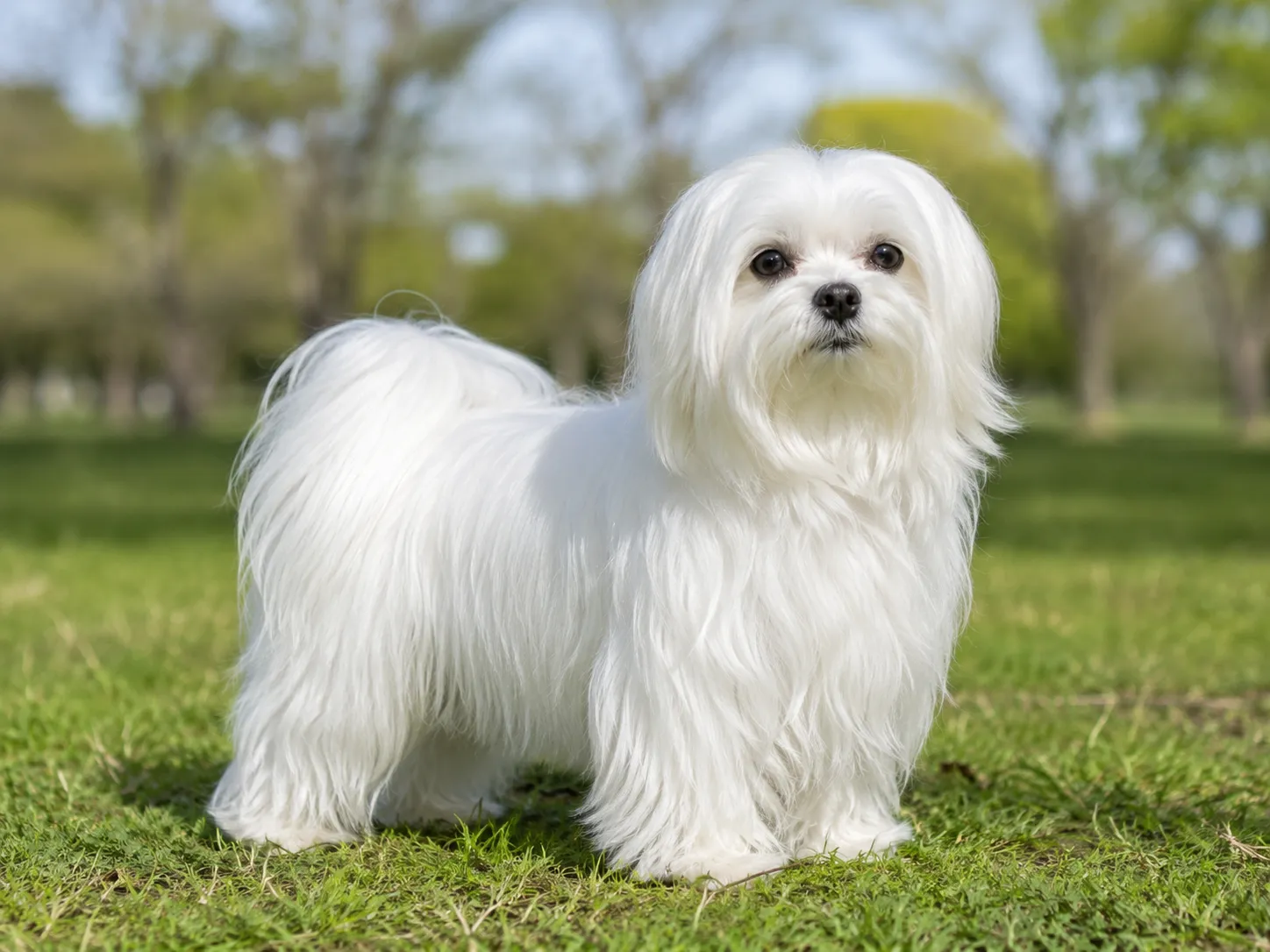 MalteseSmall • Toy
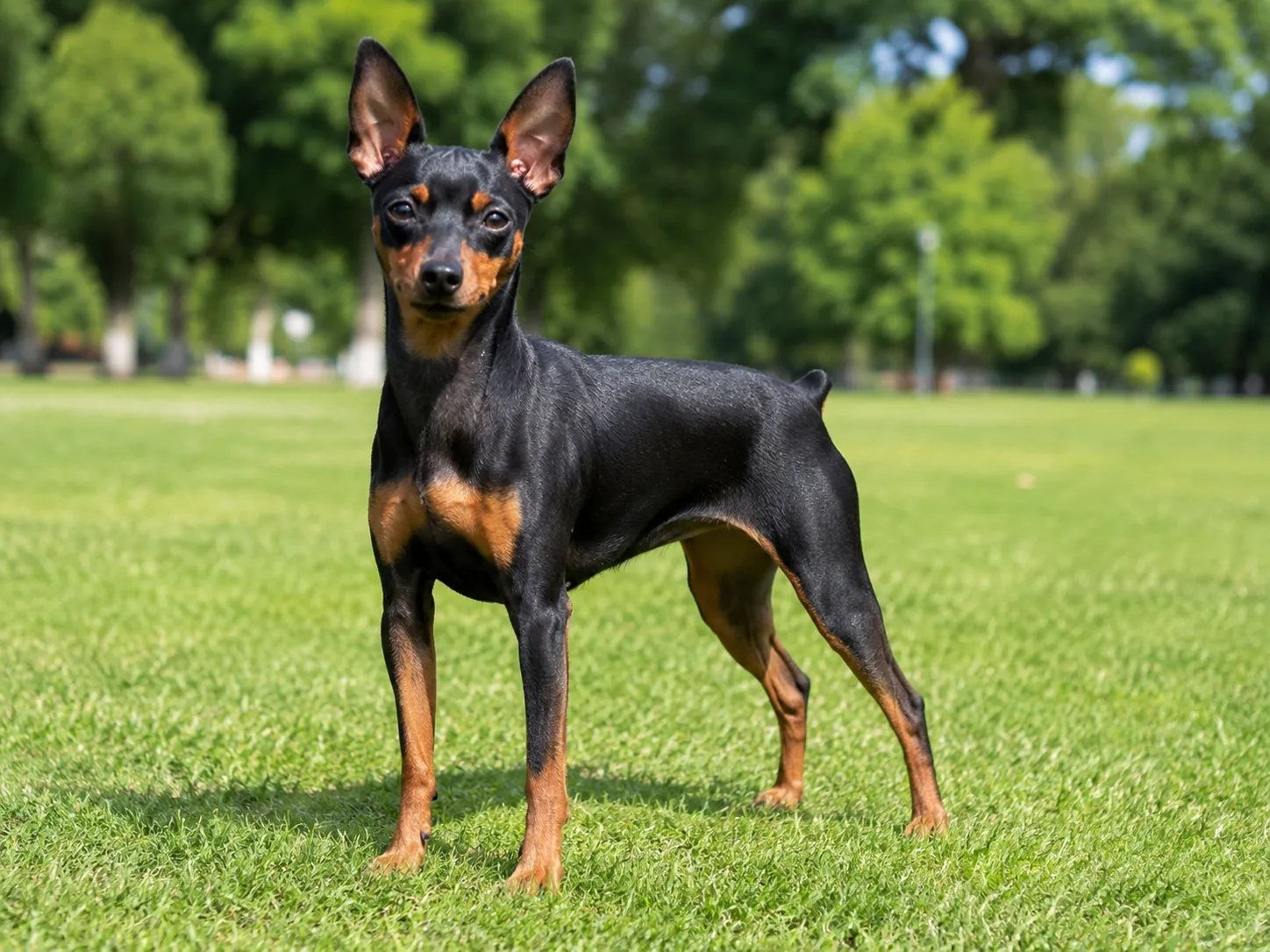 Miniature PinscherSmall • Toy
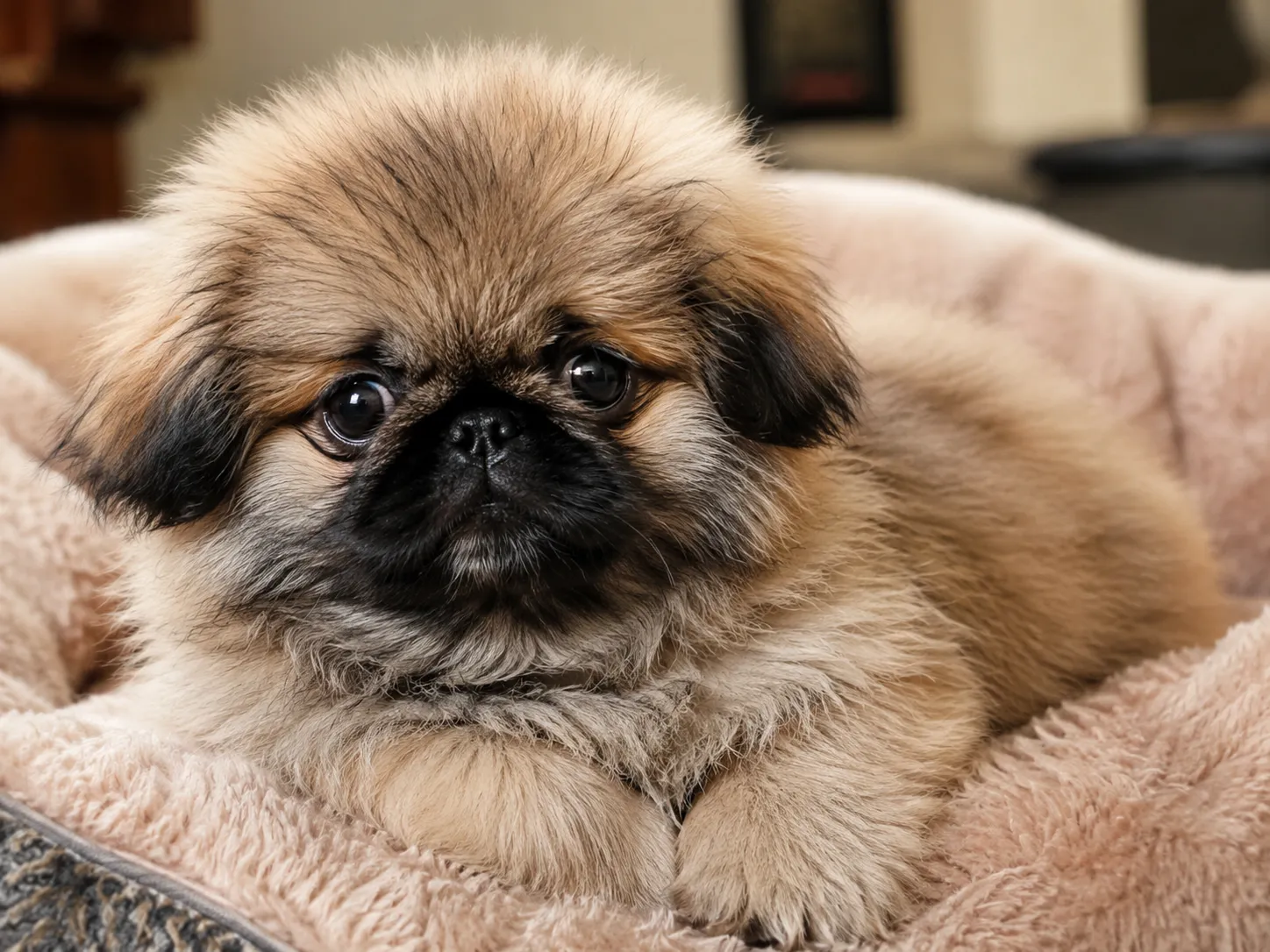 PekingeseSmall • Toy
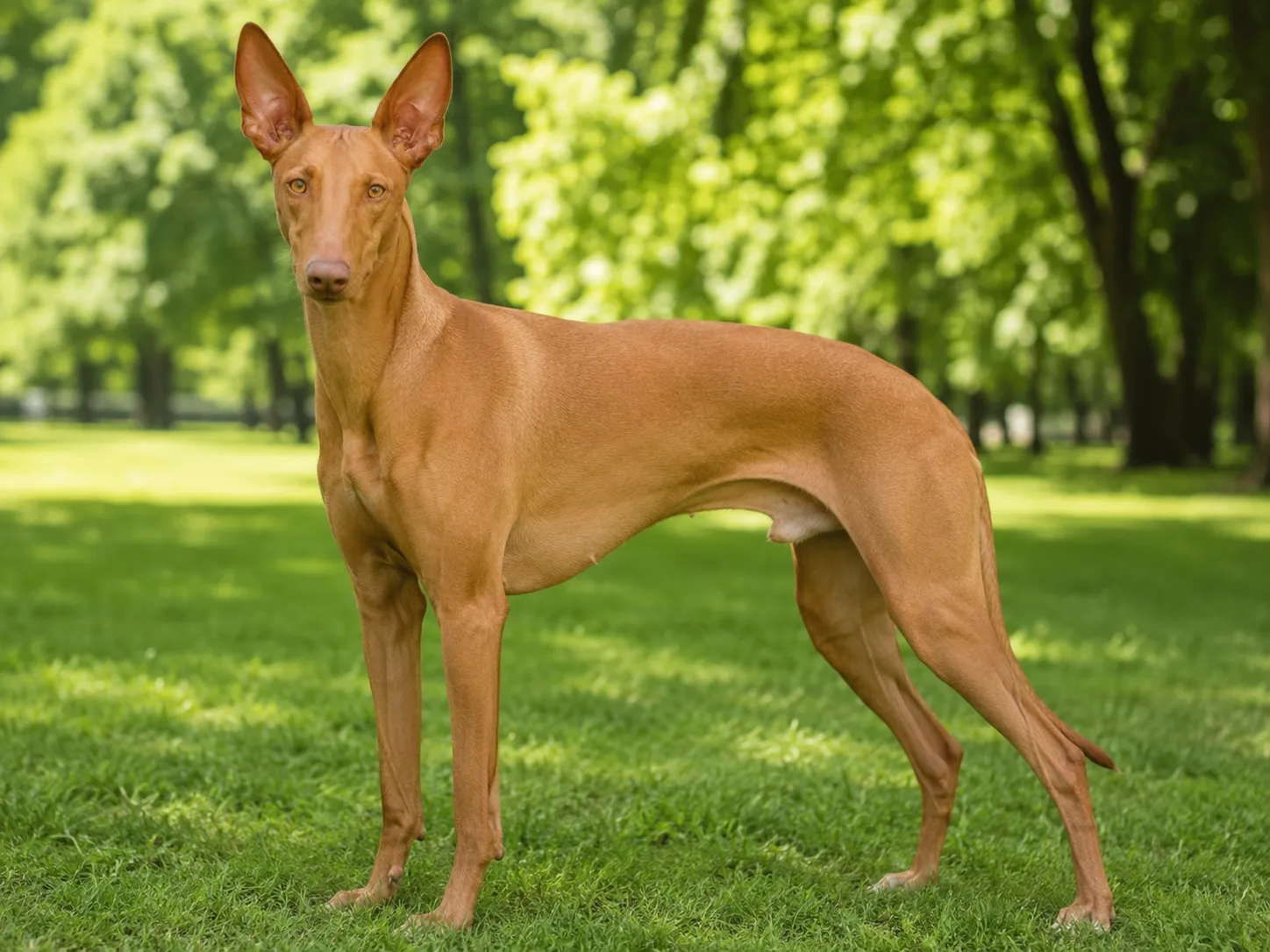 Pharaoh HoundMedium • Hound (Sighthound type)
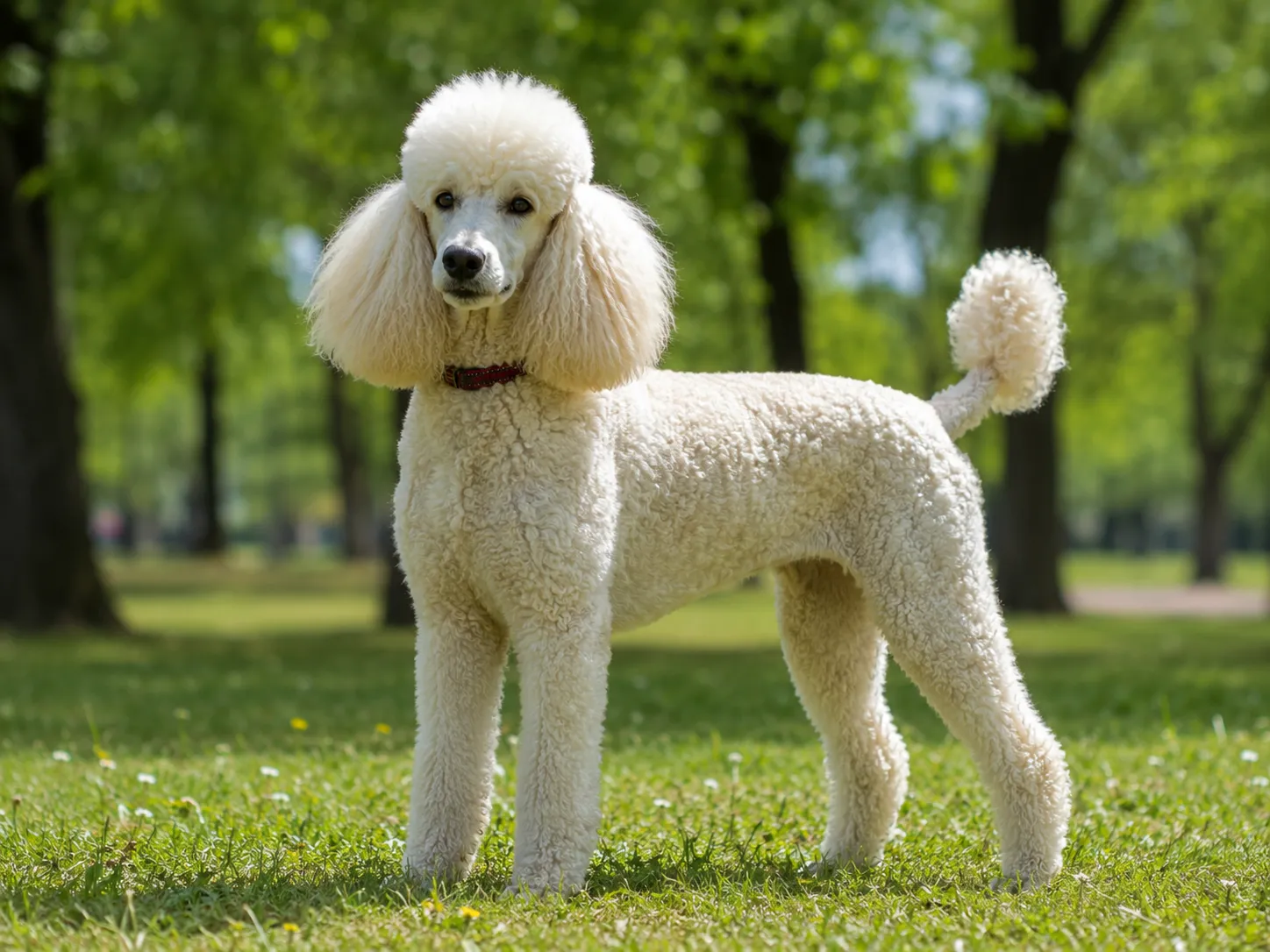 PoodleMedium • Non-Sporting Group (Utility Group in Australia)
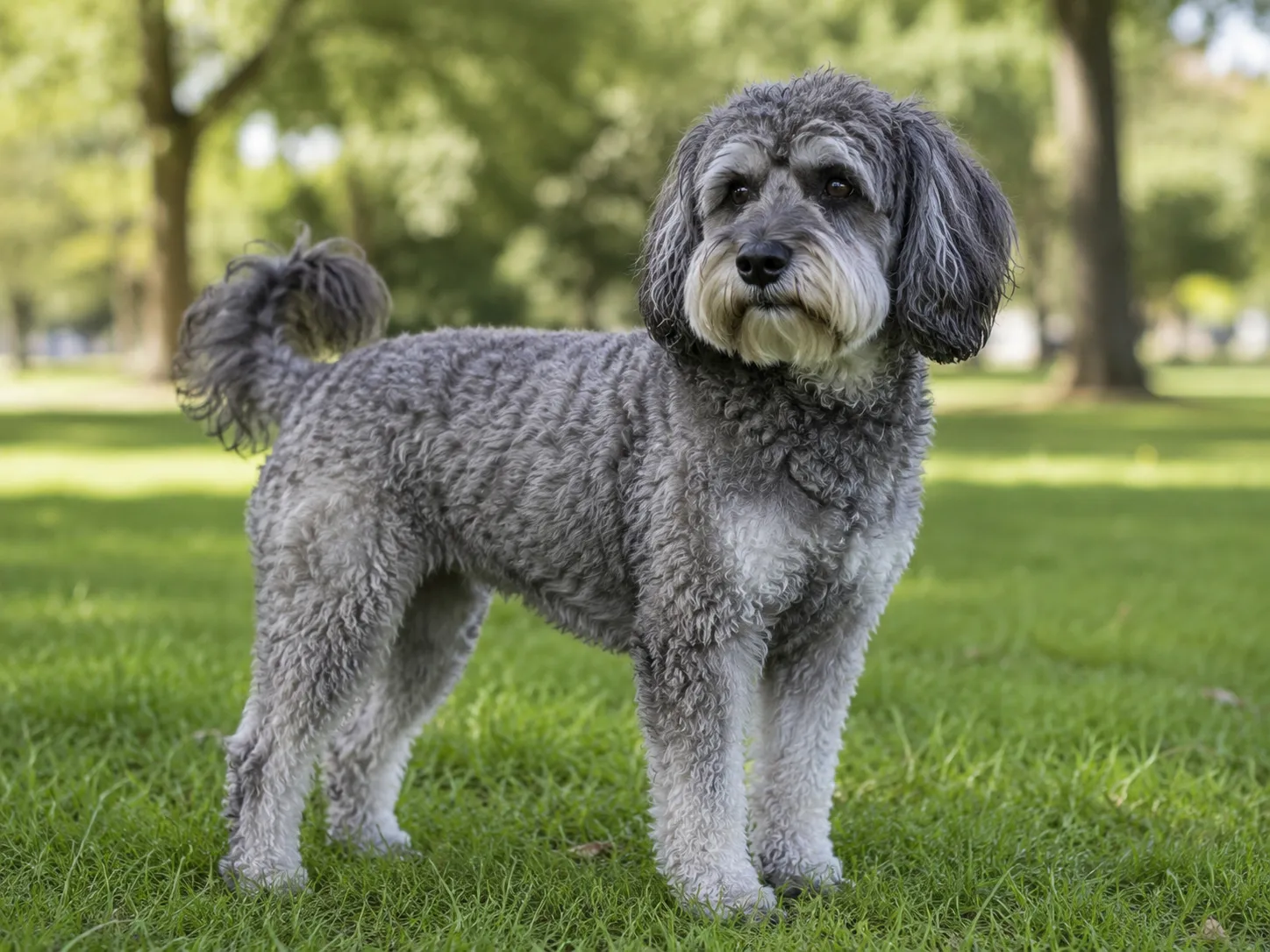 SchnoodleLarge • Companion (Poodle x Schnauzer cross)