German Pinscher
By James C. • Updated
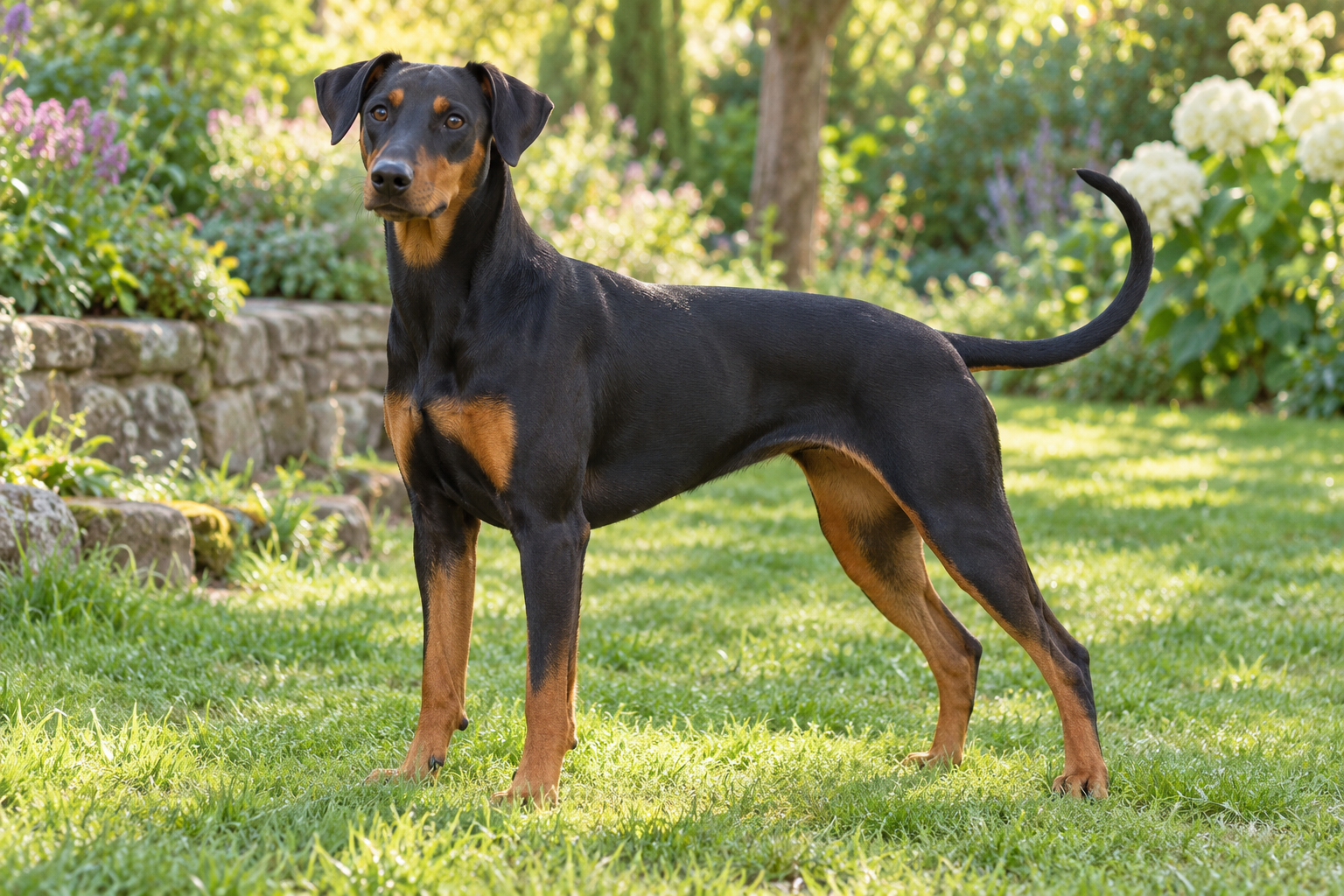
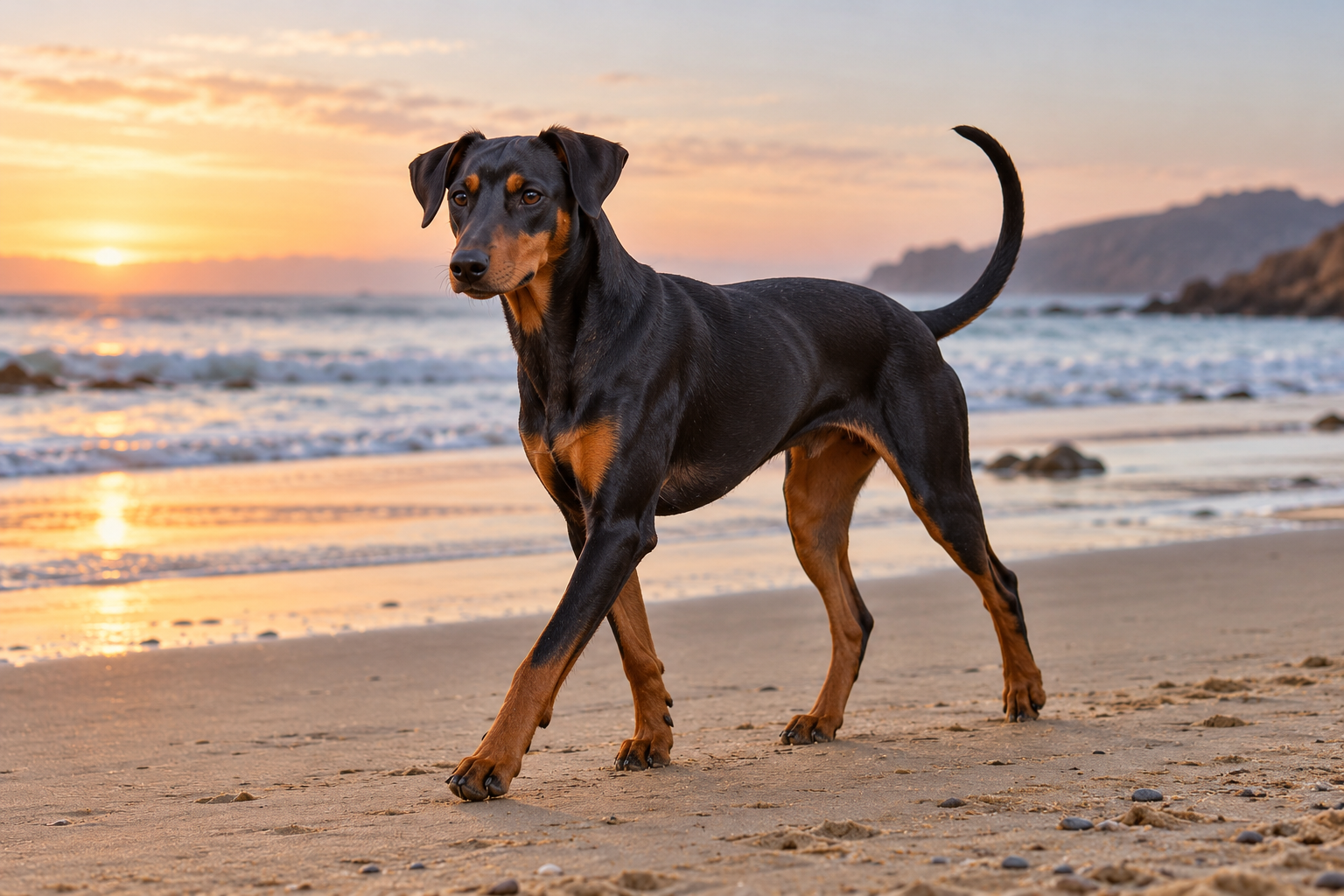
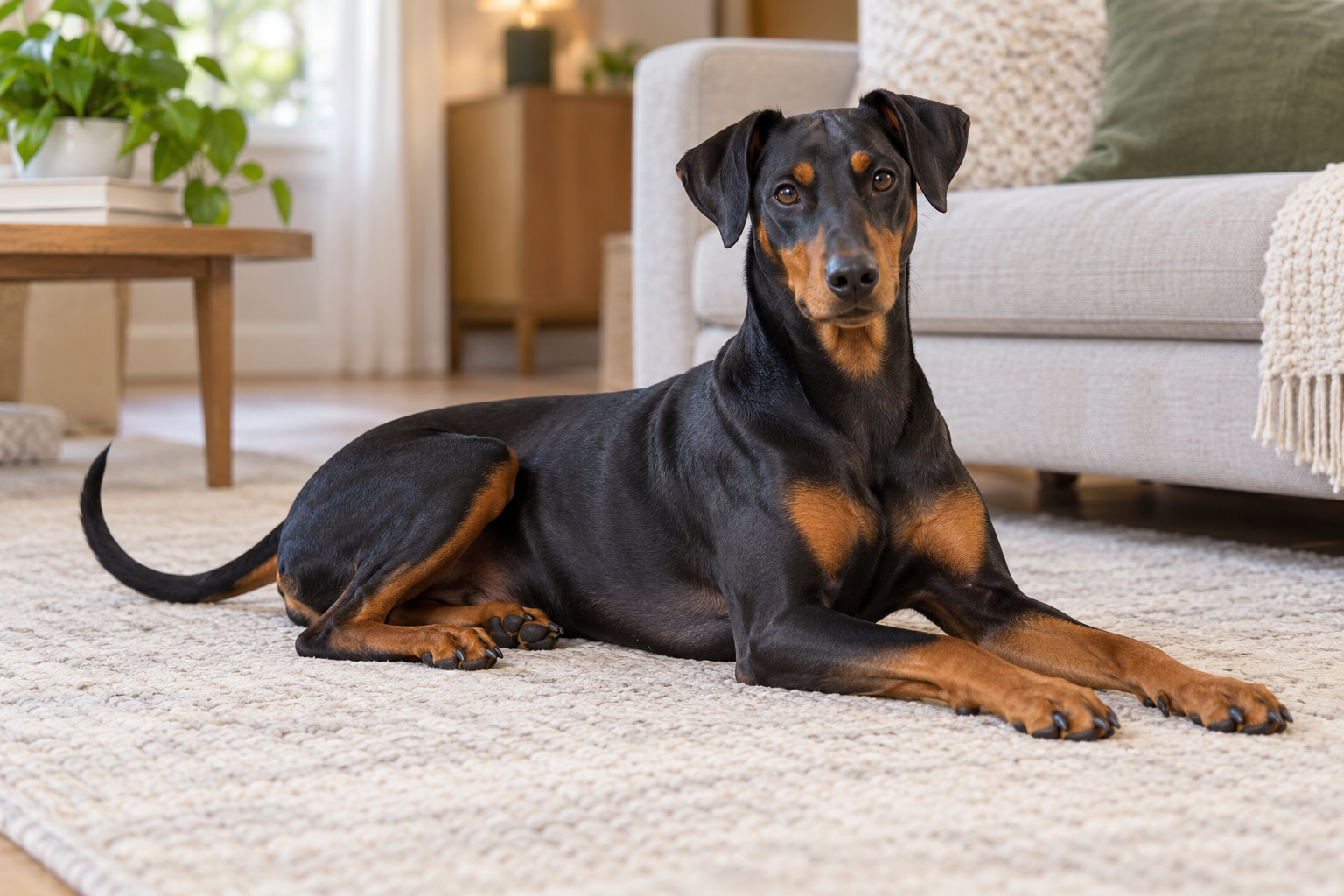
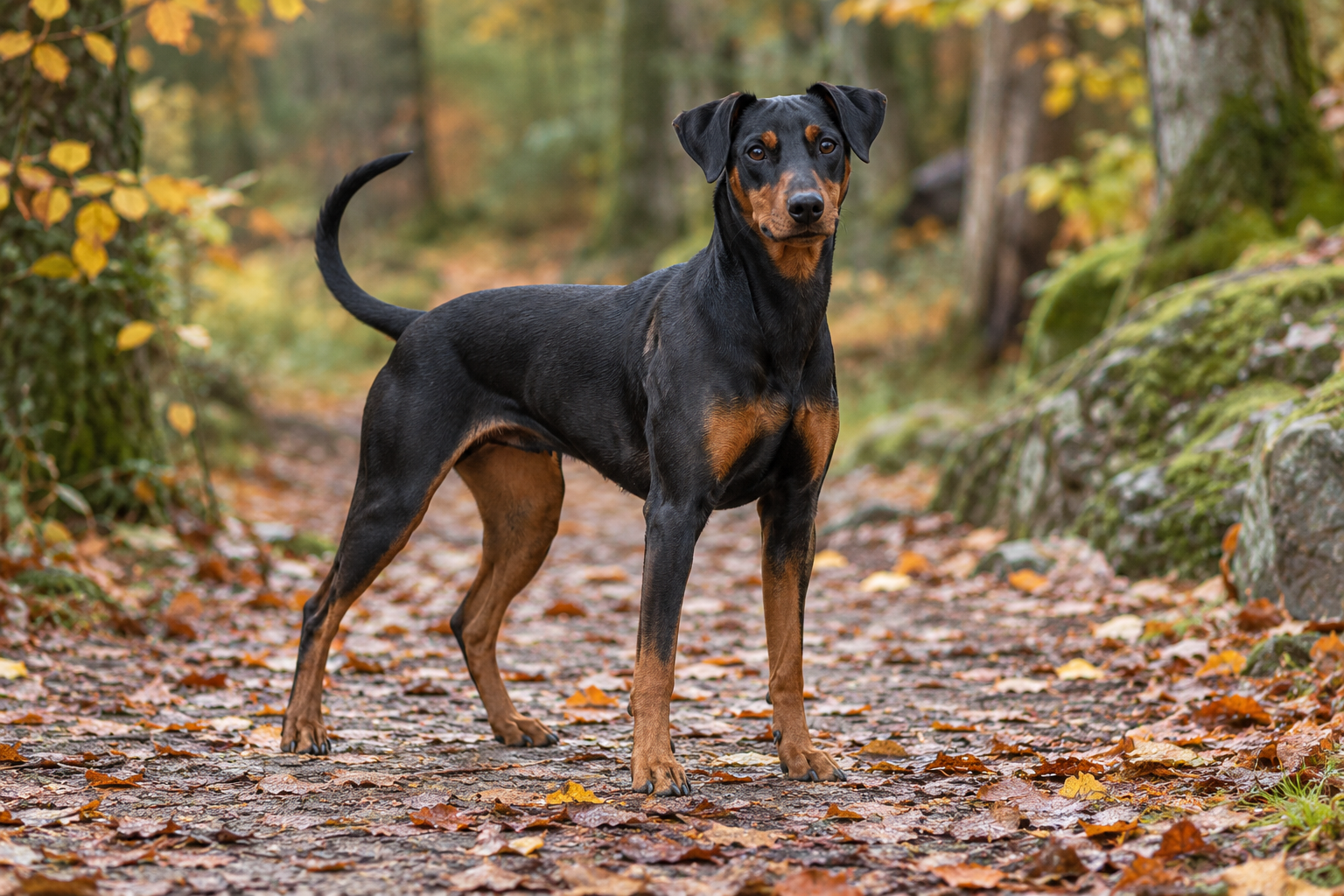
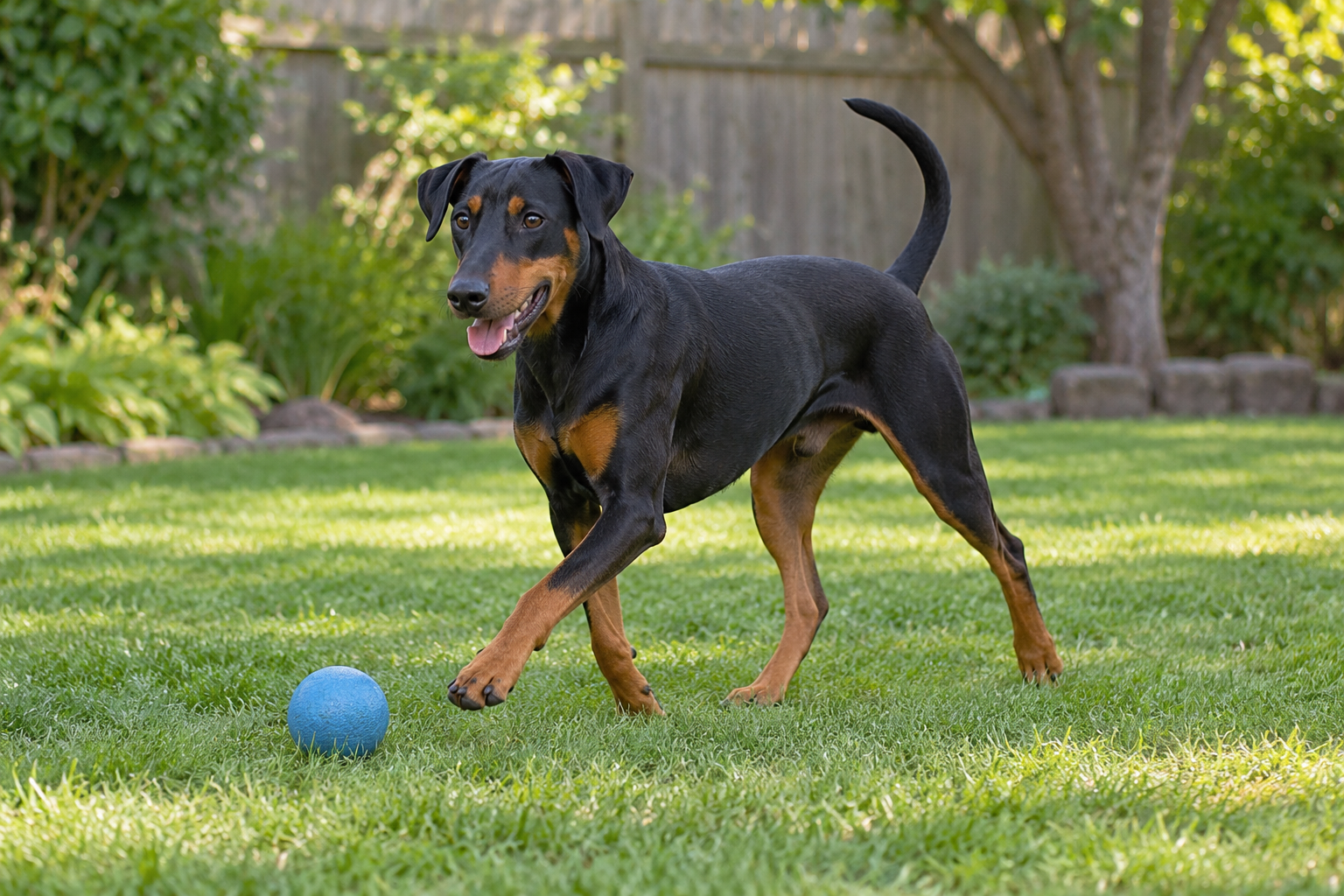
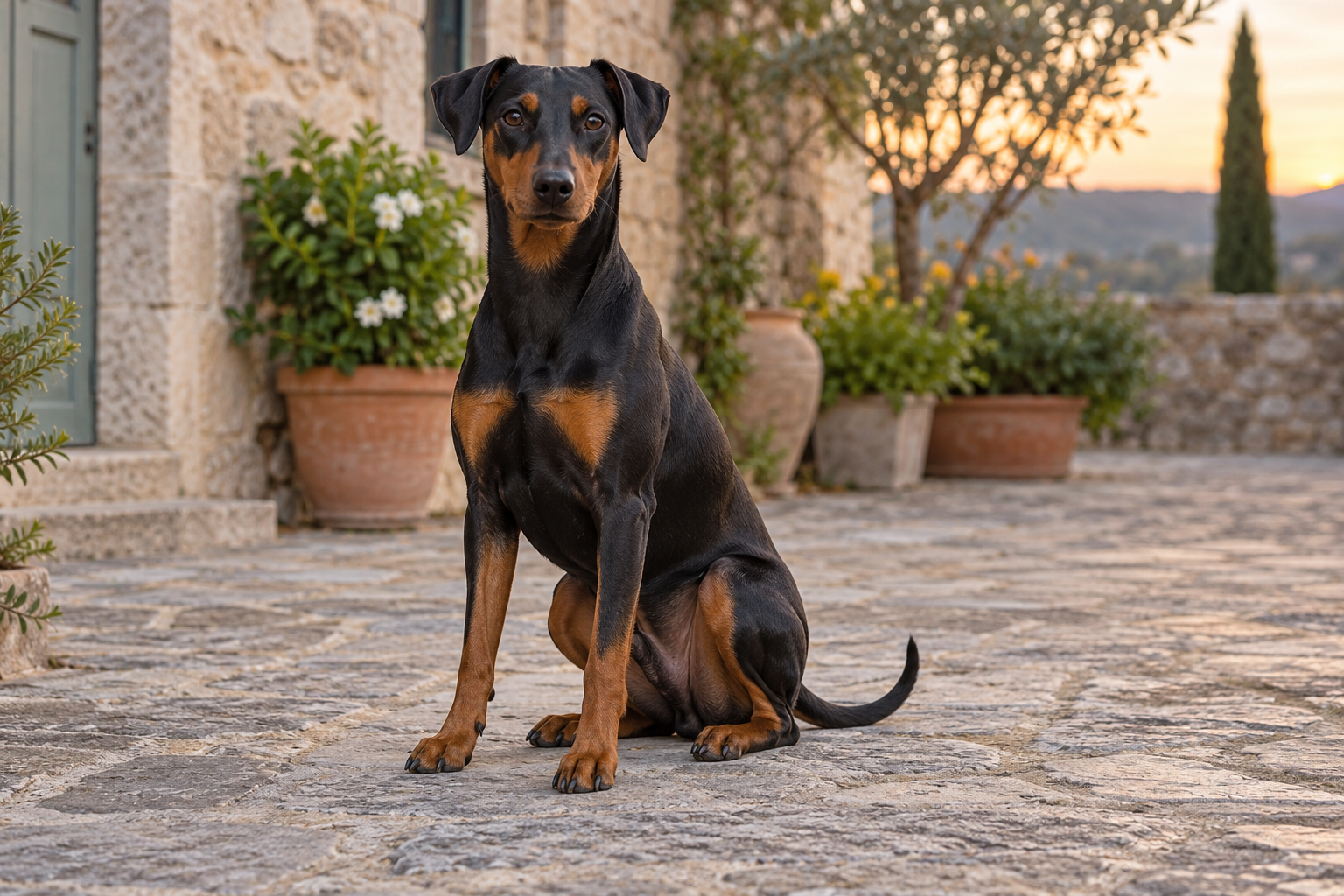
The German Pinscher is a medium-sized, smooth-coated German farm dog, originally kept to kill vermin and guard stables and coaches. It is the older breed behind both the Doberman and the Miniature Pinscher, not a small Doberman or a large Min Pin. Alert, lively and self-confident, it is affectionate with its family, watchful with strangers and strongly prey driven. Most stand 43 to 48 cm and weigh 14 to 20 kg, with a lifespan of 12 to 14 years. It is rare in Australia, with only a handful of registered breeders, so buyers should plan for a waiting list.
Breed Overview
Life Span
12 - 14 years
Average Price
AUD 3500 - AUD 4500
Weight
Male: 14 - 20 kg Female: 14 - 20 kg
Height
Male: 43 - 48 cm Female: 43 - 48 cm
Life Expectancy
Male/Female: 12 - 14 years
Breed Group
Utility (Group 6)
Nicknames
Pinscher, Standard Pinscher, Deutscher Pinscher
Breed Information
The German Pinscher is a medium-sized, smooth-coated German working breed, and it is neither a small Doberman nor a large Miniature Pinscher. It is the older breed of the three, and both the Doberman and the Min Pin are generally thought to descend from it. It stands 43 to 48 cm tall and weighs around 14 to 20 kg, sitting neatly between its two better-known relatives.
The breed is recognised by Dogs Australia in the Utility group, but it is rare. On 18 October 2026, Dogz Online listed eight German Pinscher breeders, including at least one in New Zealand, and just two litters. Buyers should expect to contact breeders directly, join a waiting list and possibly arrange interstate transport.
In temperament, the German Pinscher is alert, lively, self-confident and affectionate with its people. It also has a strong prey drive and a watchful, guarding streak, which suits experienced, active owners better than first-timers.
Characteristics of the German Pinscher
The German Pinscher rates highly for intelligence, energy and easy grooming, and lower for tolerance of small pets and suitability for inexperienced owners.
| Trait | Rating | Star Rating | Meaning |
|---|---|---|---|
| Size | Medium | ★★★ | 43 to 48 cm and 14 to 20 kg, compact and muscular. |
| Adaptability | Moderate | ★★★ | Copes with suburban life if well exercised; feels the cold. |
| Exercise Needs | High | ★★★★ | At least an hour a day plus mental work. |
| Easy to Train | Moderate | ★★★ | Quick to learn but independent and quick to test limits. |
| Amount of Shedding | Low | ★★ | Short single coat with light shedding. |
| Grooming Needs | Low | ★ | A weekly brush is enough. |
| Good With Children | Moderate | ★★★ | Playful and loyal, best with older, respectful children. |
| Health | Good | ★★★★ | Generally robust, with hip, eye, vWD and heart screening advised. |
| Cost to Keep | Moderate | ★★★ | Medium food bill and minimal grooming costs. |
| Tolerates Being Alone | Low | ★★ | An energetic, people-focused dog that gets bored quickly. |
| Intelligence | High | ★★★★★ | Clever, observant and a natural problem solver. |
History of the German Pinscher: The Farm Ratter Behind the Doberman and Min Pin
The German Pinscher developed on German farms and in stables, where it hunted rats and other vermin and kept watch over coaches and property. According to Dogs NSW, the breed's documented roots go back to 1836. Smooth and wire-coated pinschers were once born in the same litters, before the wire-coated dogs were developed separately as Schnauzers.
The breed came close to disappearing in the twentieth century. Dogs NSW records that no litters were registered in Germany between 1950 and 1958, and breeder Werner Jung is credited with gathering the remaining dogs from 1958 to rebuild it. The AKC breed history describes the same near extinction after the Second World War and the slow rebuilding from a handful of dogs.
The German Pinscher's place in the family tree explains much of today's confusion. The Doberman, developed in the late nineteenth century, is believed to include German Pinscher ancestry, and the Miniature Pinscher was bred down from smaller pinscher stock in Germany. That makes the German Pinscher the parent breed rather than a scaled version of either.
Appearance of the German Pinscher: Sleek, Muscular and Medium-Sized
Size and Build
The Australian standard sets a height of 43 to 48 cm at the withers for both sexes, and the FCI standard gives a weight of 14 to 20 kg. The body is square, muscular and elegant, built for agility and endurance. It is a genuinely medium-sized dog, as the comparison below shows.
| Breed | Typical height | Build and role |
|---|---|---|
| Miniature Pinscher | About 25 to 30 cm | Toy-sized, fearless companion and ratter |
| German Pinscher | 43 to 48 cm | Medium, muscular farm ratter and watchdog |
| Doberman | About 63 to 72 cm | Large, powerful guard and working dog |
Coat and Colours
The coat is short, dense, smooth and glossy. The standard allows solid colours from fawn (Isabella) to stag red in various shades, and black or blue with reddish or tan markings. There is no undercoat, which affects how the breed copes with cold weather.
Distinctive Features
German Pinschers in Australia have natural ears and tails. Many overseas photos show cropped ears and docked tails, but cosmetic tail docking has been banned nationally since 2004 and ear cropping is illegal in every Australian state and territory. Australian dogs therefore have folded, V-shaped ears and a full natural tail, and imported dogs with cropped ears cannot be shown here.
Gender Differences
The standard gives the same height range for both sexes. Males are often a little more substantial and muscular, while females can be slightly finer. Individual temperament varies more than any difference by sex.
Temperament of the German Pinscher: Alert, Lively and Self-Confident
Core Personality Traits
The breed standard describes the German Pinscher as high spirited and self-possessed, and Dogs NSW adds that it is alert, good-natured, playful, loyal, watchful and fearless. Most are affectionate and fun-loving with their family. They are also confident and determined, which is part of their charm and part of their challenge.
Social Behaviour
German Pinschers are usually reserved or watchful with strangers and make good alert dogs. With good socialisation they accept visitors calmly. Some can be bossy with other dogs, particularly of the same sex, so early, positive dog interactions are important.
Working Instincts
The prey drive is high, and the instinct to chase and catch small animals is strong. This is a breed developed to kill vermin, and cats, rabbits, guinea pigs and poultry are all at risk. Dogs NSW notes that high prey drive is common, which is why early socialisation matters so much.
Common Behavioural Challenges
The most common problems are chasing, digging, testing boundaries and becoming destructive when bored. An under-exercised German Pinscher will find its own entertainment. Consistent rules, daily exercise and training give this clever dog an outlet.
Intelligence and Trainability of the German Pinscher: Clever, Quick and Independent
Intelligence and Learning Ability
German Pinschers are highly intelligent and learn new tasks quickly. Breeders active in the breed in Australia describe dogs succeeding in scent detection, tracking, lure coursing and agility. That intelligence also means they learn bad habits just as fast.
Training Approach
Use reward-based training with short, varied sessions, and start early. Knowing when to start obedience training helps you set expectations from the first weeks at home. Be consistent and calm, since this breed will test inconsistent rules.
Early Socialisation
Expose puppies to many people, dogs, places and sounds before adolescence. Good socialisation reduces wariness of strangers and helps manage the guarding streak. Puppy classes and controlled dog meetings are valuable.
Potential Training Challenges
Recall can fail when prey appears, so off-lead time is best in secure areas. Adolescents often push boundaries. Owners who enjoy training and dog sports tend to get the best from the breed.
German Pinscher Family Life: Living with Children, Pets, and Households
Living with Children
German Pinschers can be playful, loyal family dogs with older children who understand how to treat a dog. They can be too boisterous for toddlers. Supervise all interactions and teach children not to tease or chase the dog.
Living with Other Pets
Homes with cats, rabbits, rodents or poultry need real caution. Some German Pinschers raised with a cat accept it indoors, but the chase instinct remains. With other dogs, early socialisation and careful introductions help, and many live well with a dog of the opposite sex.
Household Environment
The breed adapts to suburban homes if well exercised. Secure fencing matters, since German Pinschers can be escape artists and diggers. A short single coat means the dog should live indoors with the family.
Lifestyle Compatibility
German Pinschers suit active people who run, hike or train in dog sports. They suit experienced owners who enjoy a confident, clever dog. They are a poor fit for sedentary homes or households with small pets.
Health of the German Pinscher: Hips, Eyes, Blood and Heart
Lifespan and Healthy Living
Dogs NSW gives a life expectancy of 12 to 14 years. That is a good lifespan for a medium-sized dog. Keeping your German Pinscher lean, active and mentally engaged supports long-term health.
Common Health Conditions
Owners should be aware of several conditions that can be associated with the breed. It is best to discuss any concerns with a veterinarian.
- Hip and elbow dysplasia. Abnormal joint development that can cause pain and arthritis.
- Hereditary cataracts. Clouding of the lens that can affect vision.
- Von Willebrand's disease. An inherited bleeding disorder that can cause excessive bleeding after injury or surgery.
- Thyroid disorders. An underactive thyroid can affect weight, coat and energy.
- Cardiac disease. Dogs NSW reports that heart disease is rising in the breed and advises removing affected dogs from breeding.
Genetic Health Testing
Dogs NSW says breeders should test for hereditary cataracts, hip dysplasia, elbow dysplasia, von Willebrand's disease and thyroid disorder, and screen for heart disease. Ask to see results for both parents before committing.
Preventative Health Care
Schedule annual vet checks, keep vaccinations current and use year-round flea, tick and worm prevention, including paralysis tick control on the east coast. Tell your vet about the breed's vWD risk before any surgery, including desexing. Watch for weight gain or lethargy, which can signal thyroid problems.
Caring for the German Pinscher: Daily Care and Living Environment
Daily Care Routine
A typical day includes a brisk walk or run, a play or training session and a puzzle feeder or scent game. Feed two meals. A quick weekly brush and nail check cover grooming.
Living Environment Requirements
Provide secure fencing, a comfortable bed indoors and plenty of toys. German Pinschers like to be part of household activity. Crate training can help with settling and travel.
Climate Sensitivity
The short single coat offers little insulation. In southern winters, a coat helps on cold walks, and the dog should sleep indoors. In summer, walk in the cooler parts of the day, provide shade and water, and watch for the warning signs of heatstroke in an energetic dog that will keep going.
Caring for Senior German Pinschers
Older German Pinschers often stay active well into their senior years. Keep exercise regular but gentler, maintain a lean weight, and schedule six-monthly checks to monitor eyes, heart and joints.
Grooming of the German Pinscher: Simple Care for a Short Coat
Coat Maintenance
A weekly brush with a rubber mitt or soft bristle brush removes loose hair and keeps the coat glossy. A simple grooming routine for short-haired dogs is all the breed needs.
Ear, Nail, and Dental Care
Check natural folded ears weekly for wax or redness. Trim nails every three to four weeks and brush teeth several times a week.
Bathing and Professional Grooming
Bathe only when dirty, as the coat stays clean easily. Professional grooming is not needed.
Exercise Needs of the German Pinscher: Energy That Needs an Outlet
Daily Exercise Requirements
Plan for at least an hour of activity a day. Dogs NSW lists around 40 minutes as a minimum, but also notes the breed is very energetic and often needs much more. A tired German Pinscher is a well-behaved one.
Activities German Pinschers Enjoy
Running, hiking, agility, tracking, scent detection and lure coursing all suit the breed. Fetch and tug games are good for burning energy at home.
Exercise by Life Stage
Puppies need short play sessions and should avoid repetitive jumping and long runs until they finish growing. Adults can handle running and dog sports. Seniors need shorter, gentler walks. After walks in bushland or long grass on the east coast, check the whole dog for ticks.
Importance of Mental Stimulation
Mental work is as important as physical exercise. Training, puzzle toys and scent games help prevent boredom-driven digging and chewing.
Feeding the German Pinscher: Nutrition and Diet Needs
Nutritional Requirements
Feed a complete and balanced diet suited to an active medium-sized dog. Working or sport dogs may need more energy on busy days.
Feeding by Life Stage
Puppies need three to four meals a day, moving to two meals as adults. Seniors may need fewer calories as activity drops.
Portion Control and Weight Management
Keep the dog lean, with ribs easily felt and a visible waist. Extra weight adds strain to hips and elbows. Weigh food and count training treats.
Foods to Avoid
Avoid grapes, sultanas, chocolate, onion, garlic, macadamias, cooked bones and anything containing xylitol.
German Pinscher Price in Australia: Purchase Cost and Ongoing Expenses
Puppy Purchase Price
Expect to pay around $3,500 to $4,500 for a registered German Pinscher puppy in Australia. On 18 October 2026, the Dogz Online German Pinscher puppy listings showed two litters, in West Wyalong, NSW, and an upcoming New England litter listed from Tasmania, both with price on request. Earlier Australian breeder listings asked $3,500 to $4,000 and $4,000 to $4,500.
Overseas prices sit in a similar range. Canadian breeders typically ask CAD 2,200 to 4,800, with show-quality puppies at the top end. Because so few litters are born here, a German Pinscher advertised well below this range or with no breeder details deserves careful checks, including how to spot a puppy scam online.
Initial Setup Costs
RSPCA NSW puts first-year setup costs for a dog at about $60 to $80 for microchipping, $280 to $420 for vaccinations, $350 to $650 for desexing, $40 to $100 for a collar, lead or harness, $100 to $200 for a bed and about $170 for puppy school. Add a crate, a winter coat and durable toys for a busy, clever dog.
Ongoing Monthly Costs
| Cost | Typical figure (AUD) | Source |
|---|---|---|
| Food | Around the $91 monthly dog average for a 14 to 20 kg active dog | Animal Medicines Australia, Pets in Australia 2025 |
| Flea, tick and worming treatment | $200 to $250 per year | RSPCA NSW |
| Annual vaccination and vet check | From $140 per year | RSPCA NSW |
| Professional grooming | Not required | n/a |
Animal Medicines Australia reports that dog-owning households spend about $2,520 a year on average. With no grooming costs and a moderate food bill, a German Pinscher is likely to sit close to that average. Compare Canstar's pet insurance premium figures early, since hip, eye and heart conditions can be costly.
Long-Term Financial Commitment
Over a 12 to 14 year life, the main costs are food, insurance, routine vet care and any treatment for joint, eye or heart problems. Dog sports and training classes can add to the budget, but they are money well spent for this breed.
Buying Advice for a German Pinscher: Choosing a Healthy Puppy
Choosing a Responsible Breeder
Look for a breeder registered with their state Dogs Australia body who health tests and raises puppies in the home. With so few breeders, plan ahead and be prepared to wait. Good breeders will ask about your experience, fencing and other pets.
Health Checks Before Purchase
Ask for hip and elbow scores, current eye certificates, vWD status and thyroid and heart results for both parents. Meet the mother and watch the puppies' temperament. Request vaccination, worming and microchip records.
Questions to Ask the Breeder
- Can I see hip and elbow scores for both parents?
- Do both parents have current eye certificates for hereditary cataracts?
- What is the vWD status of both parents?
- Have the parents been screened for thyroid and heart disease?
- How do you socialise puppies, given the breed's guarding streak?
- How do the parents behave with cats and other dogs?
- Will you take the dog back if my circumstances change?
Considering Adoption
Adult German Pinschers rarely appear in rescue, but breeders sometimes rehome retired show dogs or young adults. An adult lets you see its energy and temperament first, and some Doberman and pinscher rescue groups may know of dogs needing homes.
Is the German Pinscher Right for You? A Clever, Active Dog for Experienced Owners
Lifestyle Compatibility
The German Pinscher suits active, experienced owners. It fits suburban homes with secure yards. It is a poor fit for homes with small pets.
Time and Care Commitment
Expect at least an hour of exercise daily plus training. Grooming takes minutes a week. The commitment runs for 12 to 14 years.
Grooming and Health Awareness
Grooming is easy. Choose a breeder who tests hips, eyes, vWD and heart. Keep your dog lean and insured.
Ideal Owner Profile
The ideal owner enjoys training and dog sports. They are calm, consistent and confident. They want a lively companion, not a couch dog.
Find German Pinscher Puppies for Sale
If the breed suits your life, you can browse puppies for sale on Pups4Sale and contact breeders directly. Expect a waiting list, and ask for health results before paying a deposit.
Frequently Asked Questions
Related Breeds
Other working breeds on Pups4Sale.
 Great DaneGiant • Working
 Jack RussellSmall • Terrier
 Labrador RetrieverLarge • Gundog / Sporting Group
 Maremma SheepdogLarge • Working Dogs (Group 5)
 Neapolitan MastiffGiant • Working (Mastiff type guardian)
 NewfoundlandGiant • Working Dogs