
Chinese Crested Dog
By James C. • Updated
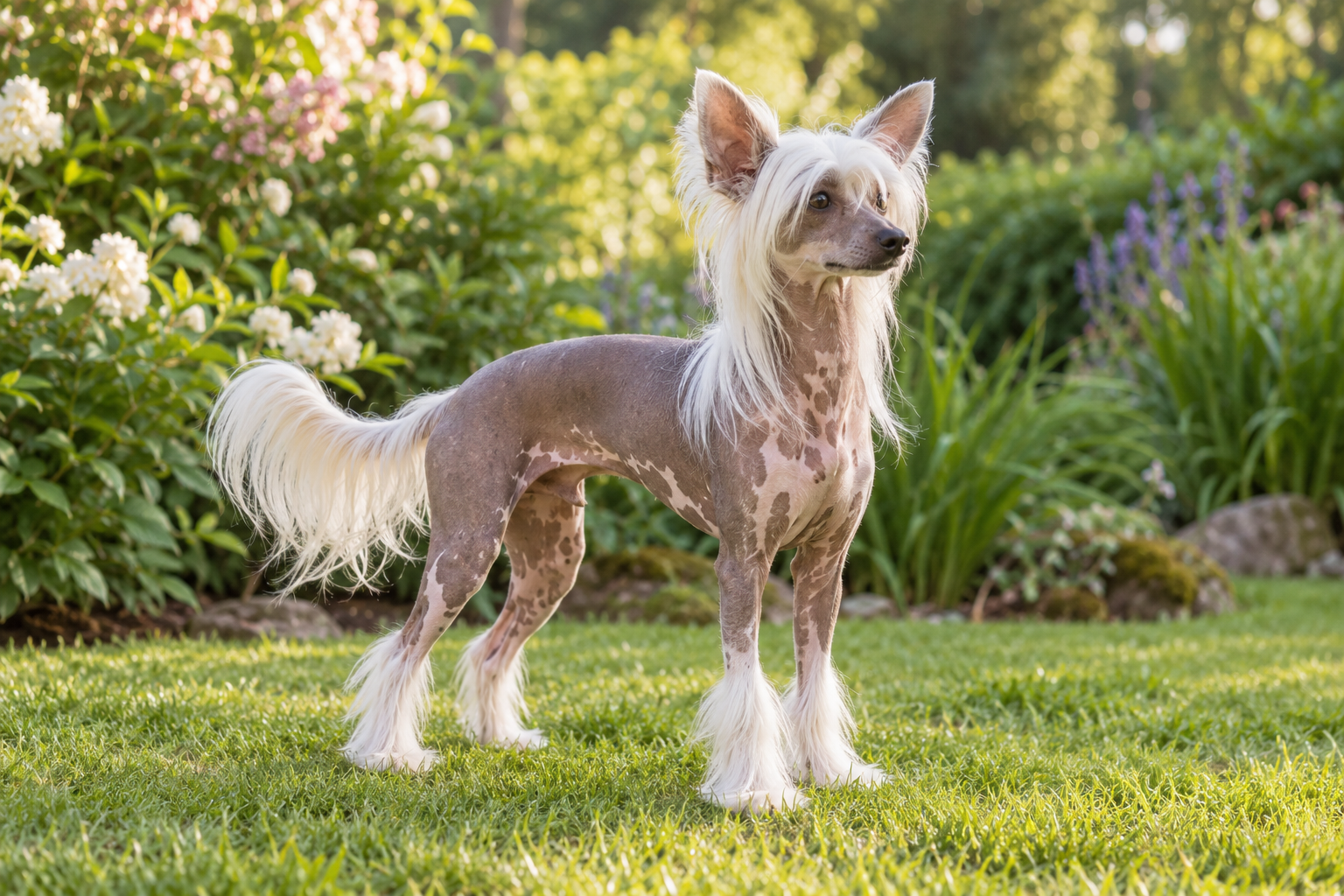
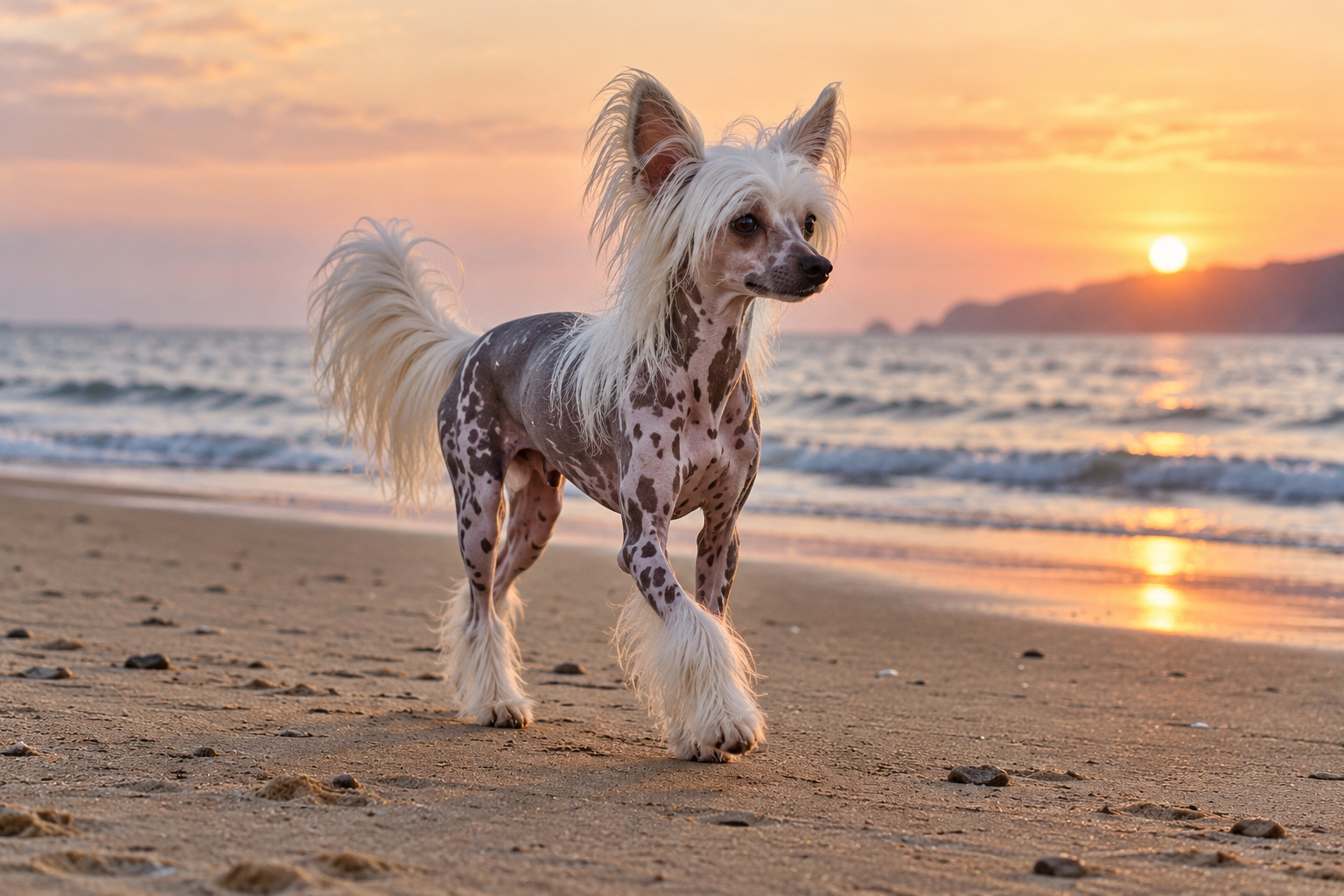
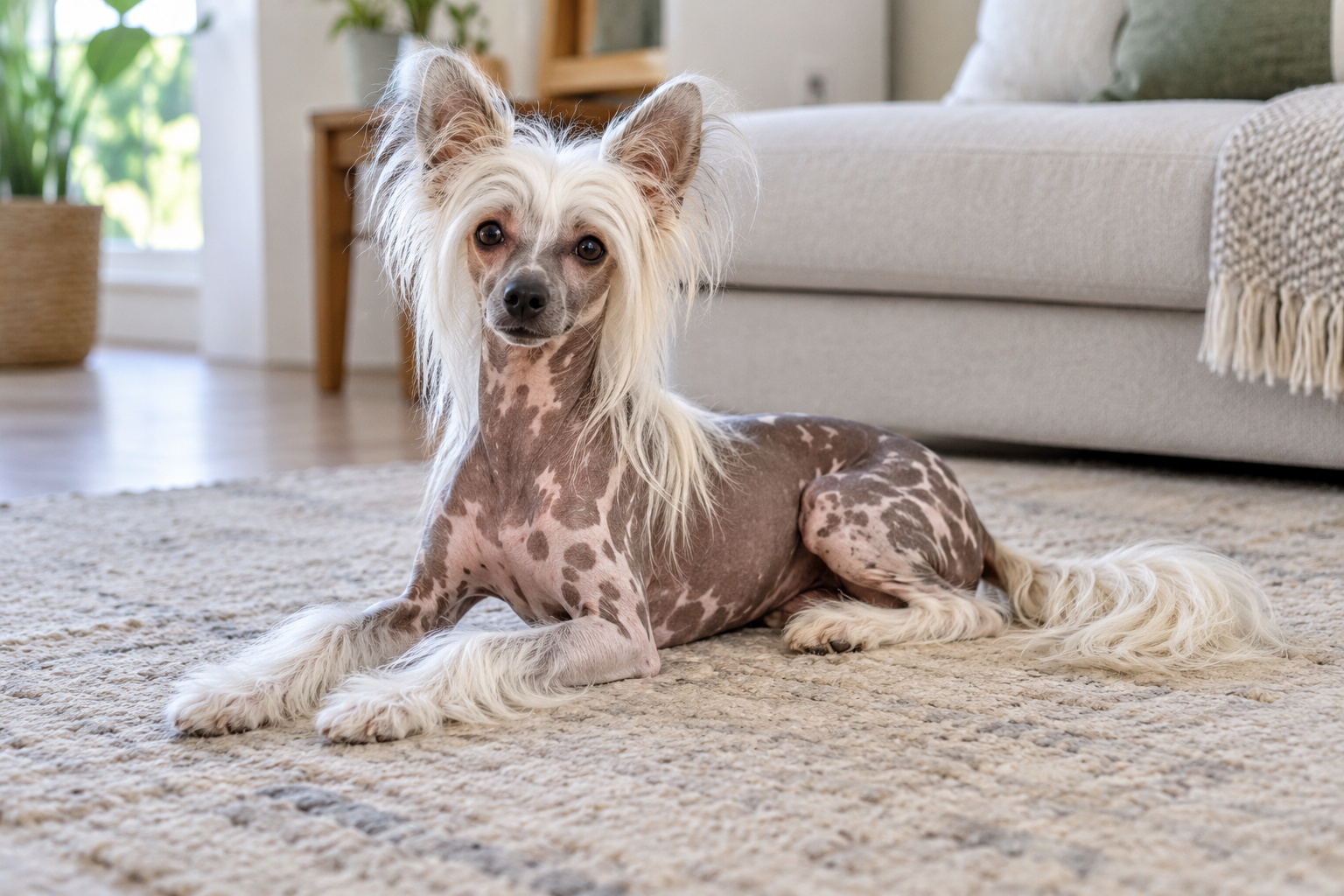
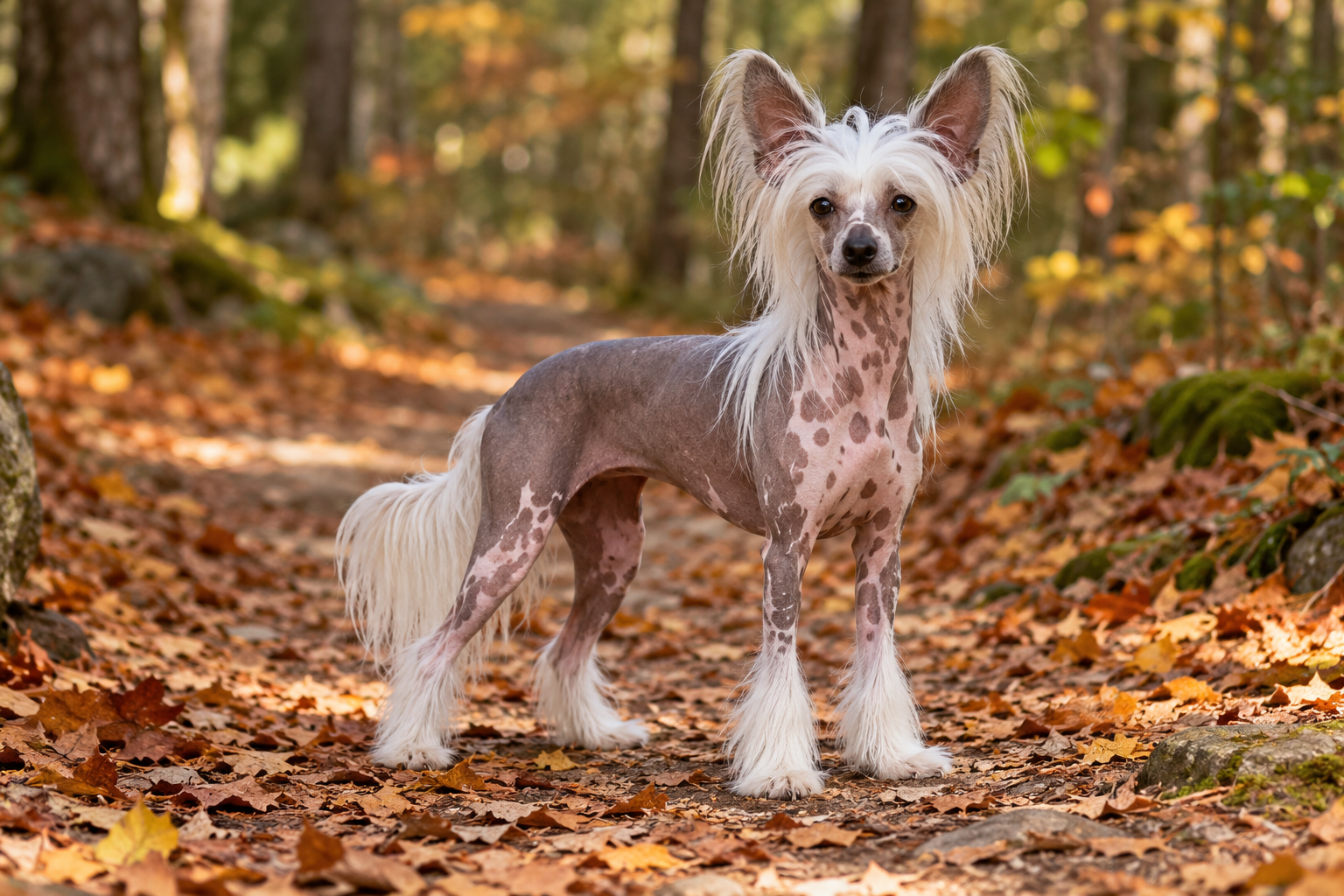
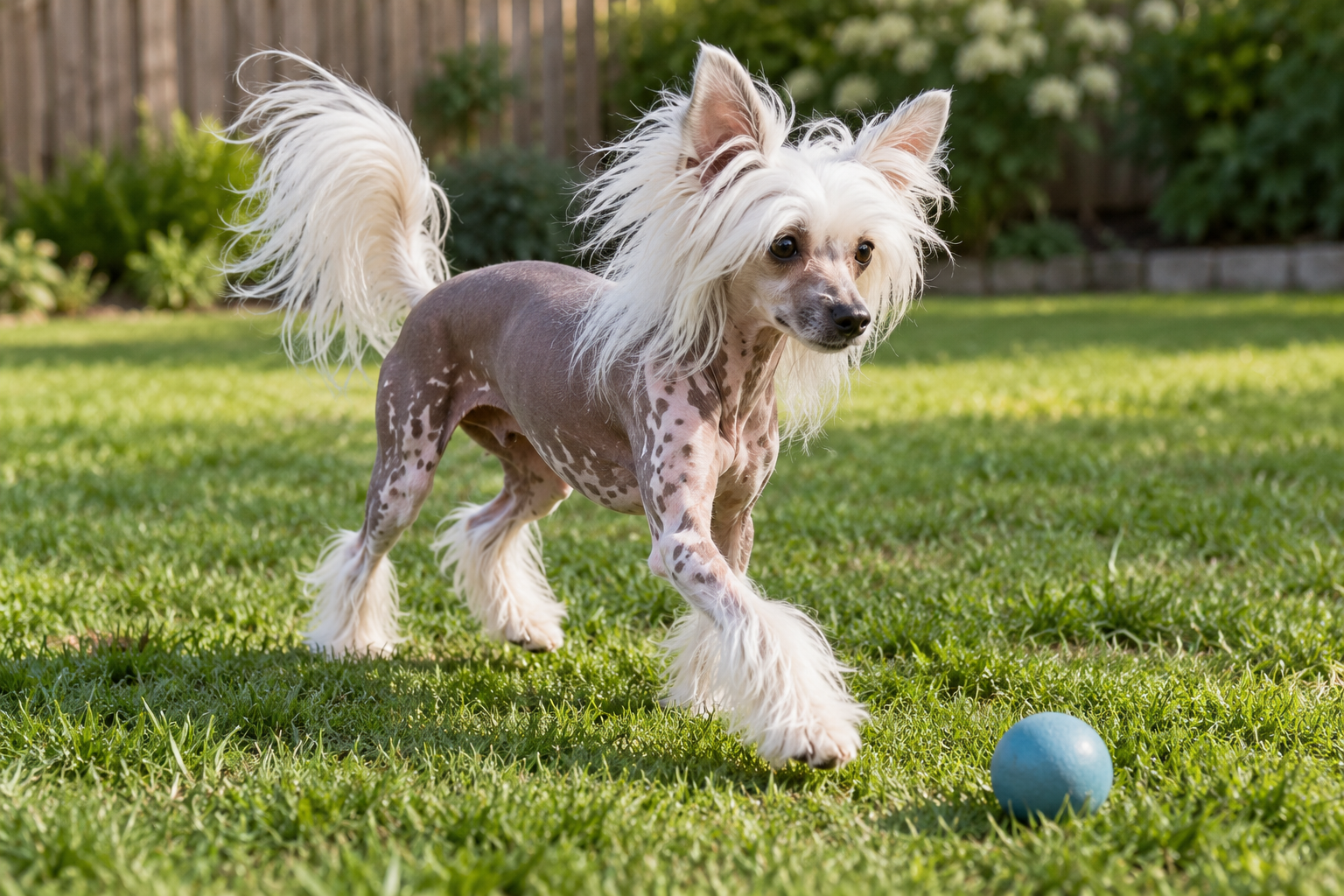
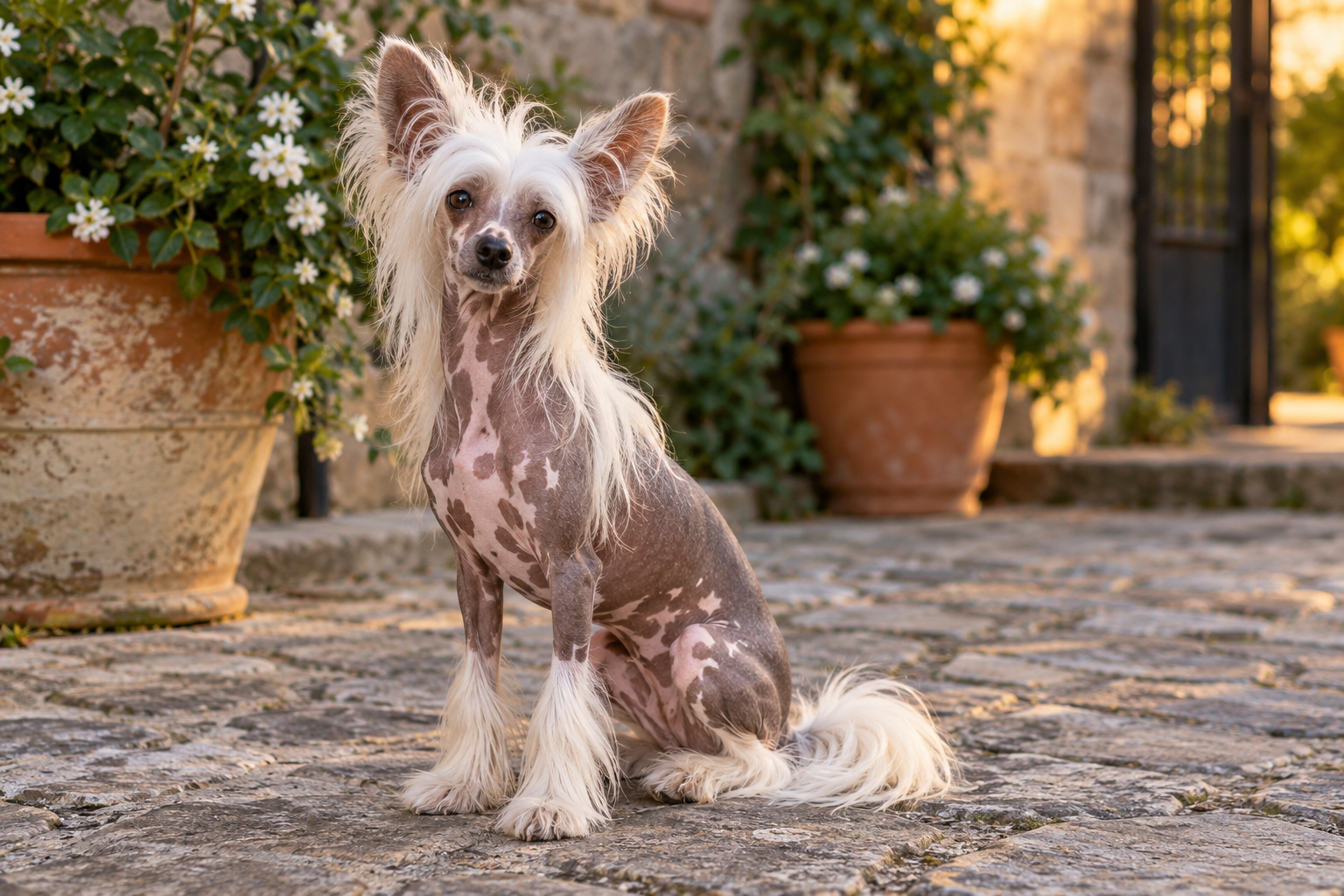
The Chinese Crested Dog is a small, fine-boned toy companion that comes in two varieties, the Hairless and the Powderpuff, which can be born in the same litter. The Hairless has bare skin with silky hair on the head, tail and feet, while the Powderpuff carries a full, soft veil coat. Most stand 23 to 33 cm and weigh under 5.4 kg, and the breed commonly lives into its teens. It is affectionate, playful and strongly attached to its people, and it does not cope well with long hours alone. Australian owners need a real plan for sun protection, cold weather and dental care, especially with the Hairless.
Breed Overview
Life Span
13 - 16 years
Average Price
AUD 2500 - AUD 3500
Weight
Male: 4 - 5.4 kg Female: 3.6 - 4.5 kg
Height
Male: 28 - 33 cm Female: 23 - 30 cm
Life Expectancy
Male/Female: 13 - 16 years
Breed Group
Toys (Group 1)
Nicknames
Chinese Crested, Crested, Crestie, Hairless, Powderpuff
Breed Information
The Chinese Crested Dog is a small, affectionate toy breed that comes in two varieties, the Hairless and the Powderpuff, and both can appear in the same litter. The Hairless has smooth, bare skin with flowing hair on the head, tail and lower legs. The Powderpuff is covered in a soft, silky veil coat. Underneath, they are the same dog: playful, gentle, sensitive and deeply attached to the people they live with.
The breed is recognised by Dogs Australia in the Toy group, and it is more available in Australia than many rare toys. On 18 October 2026, Dogz Online listed 37 Chinese Crested breeders across Australia and New Zealand and five litters, with advertised puppy prices of $2,500 and $3,000. Its unusual look means it often turns up in "ugliest dog" searches, yet owners tend to describe a clownish, loving companion that is easy to live with indoors.
What separates a good Crested home from a poor one is preparation. The Hairless needs genuine protection from Australian sun and from cold weather, both varieties need dental attention, and almost every Crested struggles when left alone for long days. If you can plan for those three things, the breed has a great deal to offer.
Characteristics of the Chinese Crested Dog
The Chinese Crested Dog rates highly for affection, adaptability to small homes and low shedding, and lower for tolerating time alone and coping with heat and cold, which shapes almost every care decision.
| Trait | Rating | Star Rating | Meaning |
|---|---|---|---|
| Size | Toy | ★ | 23 to 33 cm and under 5.4 kg, light and fine-boned. |
| Adaptability | Good | ★★★★ | Suits apartments and small homes, but not temperature extremes. |
| Exercise Needs | Low to Moderate | ★★ | Short walks and indoor play cover most needs. |
| Easy to Train | Good | ★★★★ | Eager to please and food motivated, though toilet training can be slow. |
| Amount of Shedding | Very Low | ★ | The Hairless barely sheds; the Powderpuff sheds lightly. |
| Grooming Needs | Moderate | ★★★ | Skin care for the Hairless and regular brushing for the Powderpuff. |
| Good With Children | Moderate | ★★★ | Gentle, but too fragile for rough handling by young children. |
| Health | Good | ★★★★ | Long-lived, with known eye, knee, skin and dental risks. |
| Cost to Keep | Low to Moderate | ★★ | Small food bill, offset by clothing, sunscreen and dental care. |
| Tolerates Being Alone | Low | ★★ | Very people focused and prone to distress when left for long periods. |
| Intelligence | Good | ★★★★ | Quick to learn routines and very good at reading its owners. |
History of the Chinese Crested Dog: An Uncertain Origin and a Modern Revival
Despite its name, the Chinese Crested Dog's origins are genuinely uncertain. A popular tradition says hairless dogs travelled on Chinese trading ships and were swapped in ports around the world, but this story is not well documented. Dogs NSW notes that the breed's roots are more likely linked to the hairless dogs of Central and South America, such as the Peruvian Hairless Dog and the Xoloitzcuintle, and that genetic research continues to challenge older accounts.
That genetic link is real. In 2008, researchers identified the FOXI3 gene mutation behind hairlessness and found the same change in Mexican and Peruvian hairless dogs and in the Chinese Crested. The gene affects both hair and tooth development, which is why the Hairless variety so often has missing or unusual teeth.
The modern breed was shaped largely in the twentieth century. In the United States, breeder Debora Wood and the dogs kept by entertainer Gypsy Rose Lee and her sister June Havoc formed much of the foundation stock, and these lines later underpinned the breed in the United Kingdom. The Chinese Crested reached Western Australia in 1974, according to Dogs NSW, and it now has a small but established following here as a companion and show dog.
Appearance of the Chinese Crested Dog: Hairless, Powderpuff and Fine-Boned
Size and Build
The breed standard gives an ideal height of 28 to 33 cm for dogs and 23 to 30 cm for bitches, and weight should not exceed 5.4 kg under the standard published by Dogs NSW. Within that size there are two body types. The Deer type is racy and fine-boned, while the Cobby type is heavier in body and bone. Both types occur in both coat varieties.
Coat and Colours
The Hairless has soft, warm, bare skin, with a crest of long silky hair on the head, a plume on the tail and "socks" on the feet. Some Hairless dogs grow more body hair than others, and breeders often describe these as hairy Hairless. The Powderpuff has a full double coat of long, soft veil hair that covers the whole body. Any colour or combination of colours is acceptable, and skin colour in the Hairless can change with sun exposure and season.
Distinctive Features
Large, upright ears, an elegant head and a long, lightly feathered tail give the breed its distinctive outline. In the Hairless, the teeth are a defining feature too. The hairless gene is linked with missing premolars and forward-pointing canines, and Dogs NSW notes these dental changes are part of the variety rather than a fault in breeding. The Powderpuff usually has a full set of normal teeth.
Gender Differences
Males are usually a little taller and heavier than females, with the standard allowing up to 33 cm for dogs and 30 cm for bitches. The difference is small, and temperament varies more between individuals than between the sexes. Some owners find males slightly more relaxed and females slightly more independent, but this is anecdotal.
Temperament of the Chinese Crested Dog: Affectionate, Playful and Sensitive
Core Personality Traits
The breed standard describes the temperament simply as happy and never vicious. Chinese Cresteds are typically cheerful, clownish and gentle, and many love to burrow under blankets and sit pressed against their owner. They are agile climbers and can be surprisingly athletic for their size, which matters when you are deciding how high a fence or a couch arm really is.
Social Behaviour
With their own family, Cresteds are warm and openly affectionate. With strangers they are often reserved at first, and a poorly socialised Crested can become shy or nervous. Most get along well with other gentle dogs, particularly other small breeds, and many owners keep two for company.
Bonding and Attachment
This is a strongly attached breed, often described as a "velcro" dog. A Crested usually wants to be in the same room as its person and will follow them around the house. That closeness is the breed's main appeal, and it is also the reason Cresteds tend to cope poorly with long hours alone.
Common Behavioural Challenges
The most common problems are separation distress, slow toilet training and timidity in under-socialised dogs. Some Cresteds become vocal or anxious when their owner leaves, and learning to spot the early signs of separation anxiety helps you act before habits set in. Cresteds can also be picky eaters, and a few show mild prey drive towards birds or small pets.
Intelligence and Trainability of the Chinese Crested Dog: Eager, Gentle and Sensitive to Tone
Intelligence and Learning Ability
Chinese Cresteds are bright and observant, and they learn household routines quickly. Many enjoy trick training, and some compete in agility and obedience. Dogs NSW describes the breed as eager to please, which makes it more cooperative than many toys.
Training Approach
Short, upbeat sessions with food rewards and praise work best. Harsh handling or raised voices can make a sensitive Crested shut down, so keep corrections gentle and focus on rewarding what you want. Train in a warm, comfortable spot, since a cold Hairless will struggle to concentrate.
Early Socialisation
Gentle, positive exposure to people, sounds, handling and other calm dogs is essential from the first weeks at home. Cresteds that miss this window can become fearful of visitors and new places. Aim for many short, pleasant experiences rather than a few overwhelming ones, and let the puppy retreat when it needs to.
Potential Training Challenges
Toilet training is the most common sticking point, particularly in cold or wet weather when a Hairless does not want to go outside. A covered toilet area, a consistent schedule and plenty of rewards help. Recall is usually reasonable, but the breed's small size means traffic and larger dogs are real risks, so off-lead time is best in secure areas.
Chinese Crested Dog Family Life: Living with Children, Pets, and Households
Living with Children
Cresteds can be lovely with calm, older children who understand how to handle a small dog. They are fragile, and a fall from a child's arms or rough play can cause injury. For families with toddlers, a sturdier breed is usually a better fit. Always supervise and teach children to sit on the floor when holding the dog.
Living with Other Pets
Most Cresteds live happily with other gentle dogs and with cats they are raised with. Many owners find a second small dog helps with the breed's need for company. Take care with large, boisterous dogs, which can injure a Crested in play, and with pet birds or rodents, since some Cresteds have a moderate chase instinct.
Household Environment
The breed is well suited to apartments, townhouses and small homes, provided it is kept indoors. A Chinese Crested should never live outdoors. The Hairless has no coat to protect it from sun or cold, and even the Powderpuff is too small and people focused to be happy outside. Secure fencing matters too, since Cresteds can climb and squeeze through small gaps.
Lifestyle Compatibility
Cresteds suit retirees, people who work from home, and calm households where someone is around for most of the day. They suit owners who enjoy a close, affectionate dog and do not mind dressing it in a jumper in winter. They are a poor match for households that are out from early morning to evening, or for owners wanting an outdoor or adventure dog.
Health of the Chinese Crested Dog: Teeth, Skin, Eyes and Lifespan
Lifespan and Healthy Living
The Chinese Crested is a long-lived breed. Dogs NSW says the breed lives into its teens, and Hill's Australia lists 13 to 15 years. Keeping your Crested lean, protecting its skin, and staying on top of dental care are the three habits most likely to support a long, comfortable life.
Common Health Conditions
Owners should be aware of several conditions that can be associated with the breed. It is best to discuss any concerns with a veterinarian.
- Dental problems. The Hairless commonly has missing premolars and forward-pointing canines, and both varieties may be prone to early tooth loss and gum disease. Knowing the early signs of dental disease helps you act before teeth are lost.
- Sunburn and skin conditions. Bare skin can burn, and the Hairless may also develop blackheads, acne and dry or irritated patches.
- Patellar luxation. The kneecap can slip out of place, causing skipping or lameness. It is a common concern in many small breeds.
- Progressive retinal atrophy (PRA). An inherited eye disease that gradually causes blindness. A DNA test is available.
- Primary lens luxation (PLL). The lens of the eye can shift out of place and needs prompt treatment to protect sight. A DNA test is available.
- Dry eye (keratoconjunctivitis sicca). Known in the breed, although Dogs NSW notes its inheritance is unproven.
- Legg-Calve-Perthes disease. A hip condition in young small dogs in which the top of the thigh bone breaks down, often needing surgery.
Genetic Health Testing
Dogs NSW lists DNA tests for PRA (prcd), PLL and von Willebrand's disease Type II, and says principled breeders routinely test. Overseas breed bodies go further. The AKC's recommended tests for the breed include a patella evaluation, a cardiac exam, an eye examination by a veterinary ophthalmologist and DNA tests for PLL and PRA. In New Zealand, accredited breeders must hold a yearly patella certificate.
When you speak to an Australian breeder, ask to see DNA results for both parents, a recent patella check and a current eye examination. A good breeder will show you the paperwork without hesitation.
Preventative Health Care
Schedule annual vet checks, keep vaccinations current and use year-round flea, tick and worm prevention. Paralysis ticks are a real risk on the east coast, and they are easy to spot on a Hairless but can hide in a Powderpuff's coat. Ask your vet to check teeth at every visit, and start dental care from puppyhood rather than waiting for problems.
Caring for the Chinese Crested Dog: Daily Care and Living Environment
Daily Care Routine
A typical day includes a couple of short walks, play indoors, a quick check of the skin or coat, and tooth brushing. Hairless owners should check for redness, blackheads or scrapes daily and apply sun protection before any outdoor time in daylight. Feed two meals at regular times, and keep your Crested company for most of the day where you can.
Living Environment Requirements
Provide a soft, warm bed away from draughts, and blankets the dog can burrow into. Tile and floorboards can be cold, so rugs and a raised or padded bed help. Cresteds are climbers, so check that balconies, fences and furniture near open windows are safe.
Climate Sensitivity
The Hairless is highly sensitive to both sun and cold, and the Powderpuff is sensitive to heat. In summer, walk early in the morning or late in the evening, keep outdoor time short in the middle of the day, and watch for the warning signs of heatstroke. In southern winters and in air-conditioned homes, a Hairless needs a jumper or coat and warm bedding, since it has no insulation at all.
Caring for Senior Chinese Cresteds
Many Cresteds stay playful well into old age. Senior care focuses on teeth, eyes and joints: schedule six-monthly checks, watch for cloudy eyes or bumping into things, and keep your dog at a lean weight to protect its knees. Older Hairless dogs may feel the cold more, so add extra layers and warmer bedding.
Grooming of the Chinese Crested Dog: Skin Care for the Hairless, Coat Care for the Powderpuff
Hairless Skin Care
The Hairless needs regular skin care rather than brushing. Bathe every one to two weeks with a mild, soap-free shampoo, gently exfoliate to prevent blackheads, and apply a light, non-greasy moisturiser if the skin becomes dry. Dogs NSW notes that regular cleaning prevents most skin problems. Choosing products and frequency is the core of a grooming and skin care routine for hairless dogs.
Watch for redness, bumps or flaky patches between baths, and compare what you see with the signs of skin irritation in dogs. Persistent acne, sores or reactions to products are worth raising with your vet.
Sun Protection
Sun protection is not optional for a Hairless Crested in Australia. Use a sunscreen made for dogs on bare skin before going outside, since sunscreens containing zinc oxide or PABA are unsafe for dogs if licked. A light UV-protective shirt adds a reliable barrier for walks. Keep outdoor time short when the UV index is high, provide shade at all times, and treat any redness or peeling as a sign the routine needs tightening.
Powderpuff Coat Care
The Powderpuff's soft double coat tangles easily, especially behind the ears and under the legs. Brush and comb two to three times a week, working down to the skin, and bathe every few weeks. Some owners keep the coat in a shorter trim, which reduces mats and helps in hot weather.
Ear, Nail, and Dental Care
Check the large upright ears weekly and clean gently if wax builds up. Trim nails every three to four weeks, since small dogs often do not wear them down on walks. Brush teeth daily if you can, and ask your vet about professional dental cleaning as your dog ages. In the Hairless, missing teeth mean the remaining ones carry more load and deserve extra care.
Bathing and Professional Grooming
Most Hairless dogs are groomed entirely at home. Powderpuffs may visit a groomer every six to eight weeks for a bath and tidy, especially if kept in a full coat. Some Hairless owners trim or shave stray body hair for a cleaner look, which should be done gently to avoid razor irritation.
Exercise Needs of the Chinese Crested Dog: Short Walks and Plenty of Play
Daily Exercise Requirements
Most adult Cresteds are content with around 30 to 40 minutes of activity a day, split into short walks and indoor play. They are energetic in bursts and enjoy a run in a secure yard, but they do not need long distances. A tired Crested is usually a settled one, so do not skip exercise just because the dog is small.
Activities Chinese Cresteds Enjoy
Cresteds enjoy fetch with soft toys, short sniff walks, puzzle feeders and trick training. Some excel at agility thanks to their speed and climbing ability. Gentle play with other small dogs is also a favourite.
Exercise Limitations
Heat, sun and cold all limit outdoor exercise. In summer, walk at dawn or dusk and avoid hot pavements, which can burn paws. In winter, dress a Hairless in a coat before heading out. In tick regions along the east coast, check your dog's skin or coat thoroughly after every walk in bushland or long grass. Avoid letting your Crested jump from high furniture, which can strain the knees.
Importance of Mental Stimulation
Mental work matters as much as walks for this bright, people-focused breed. Short training sessions, snuffle mats and food puzzles help prevent boredom and reduce attention-seeking behaviour. Rotating toys through the week keeps them interesting.
Feeding the Chinese Crested Dog: Nutrition and Diet Needs
Nutritional Requirements
Feed a complete and balanced food formulated for small or toy breeds, with a kibble size the dog can manage. Hairless dogs with missing teeth may prefer smaller kibble, softened kibble or a mix of wet and dry food. Some owners find skin condition improves on diets that include omega-3 fatty acids, though any change is worth discussing with your vet.
Feeding by Life Stage
Puppies need three to four small meals a day to keep their energy stable, moving to two meals as adults. Toy-breed puppies can be prone to low blood sugar if they skip meals, so keep feeding times regular. Seniors may need fewer calories and softer textures as their teeth age.
Portion Control and Weight Management
A Crested gains weight quickly, and even half a kilogram is significant on a 4 kg frame. Weigh food rather than scooping, count treats as part of the daily ration, and check that you can feel the ribs easily. Extra weight increases strain on the knees, which matters in a breed prone to patellar luxation.
Foods to Avoid
Avoid grapes, sultanas, chocolate, onion, garlic, macadamias, cooked bones and anything containing xylitol. Hard chews can damage teeth that are already fragile in the Hairless, so choose softer dental chews and ask your vet which products suit your dog.
Chinese Crested Dog Price in Australia: Purchase Cost and Ongoing Expenses
Puppy Purchase Price
Expect to pay around $2,500 to $3,500 for a registered Chinese Crested Dog puppy in Australia. On 18 October 2026, the Dogz Online Chinese Crested puppy listings showed five litters. A breeder in Mudgee, NSW, advertised a Hairless male at $3,000 and a Powderpuff female at $2,500, while the other litters, in Sydney, South Australia, Victoria and New Zealand, listed prices on request.
Those figures sit inside the UK range, where Pets4Homes puts reputable breeder prices at about £800 to £2,000, roughly AUD 1,600 to 4,000, with the Hairless usually costing more. Powderpuff puppies are often the more affordable option. A Crested offered well below this range, or without papers and parent health results, deserves careful questions.
Initial Setup Costs
RSPCA NSW estimates first-year costs including $60 to $80 for microchipping, $280 to $420 for puppy vaccinations, $350 to $650 for desexing, $100 to $200 for a bed and around $170 for puppy school. For a Crested, add dog-safe sunscreen, a UV shirt, a winter jumper or coat, soft blankets and a small-breed harness.
Ongoing Monthly Costs
| Cost | Typical figure (AUD) | Source |
|---|---|---|
| Food and bowls | Below the RSPCA NSW estimate of around $600 per year, given a dog under 5.4 kg | RSPCA NSW |
| Flea, tick and worming treatment | $200 to $250 per year | RSPCA NSW |
| Annual vaccination and vet check | From $140 per year | RSPCA NSW |
| Professional grooming | $40 to $200 per visit, mainly for Powderpuffs | RSPCA NSW |
| Pet insurance | Around $1,580 per year for a small dog, accident and illness | Canstar, 2026 |
Canstar's 2026 average for small dog accident and illness cover is around $1,580 a year. Since dental disease and eye conditions are concerns in the breed, check whether a policy covers dental illness and hereditary conditions before you commit.
Long-Term Financial Commitment
Over a 13 to 16 year life, dental care is likely to be the Crested's largest single health cost, followed by any eye or knee treatment. Dog-owning households spend about $2,520 a year on average, according to the Animal Medicines Australia 2025 survey. A Crested's small food bill keeps it below that for many owners, but a long lifespan means the total commitment is still substantial.
Buying Advice for a Chinese Crested Dog: Choosing a Healthy Puppy
Choosing a Responsible Breeder
Look for a breeder registered with their state Dogs Australia body who health tests, raises puppies indoors and is happy for you to meet the mother. Good breeders will explain the differences between Hairless and Powderpuff puppies honestly and help you choose the right variety for your lifestyle. Expect to be asked questions too, since many Crested breeders vet their buyers carefully.
Health Checks Before Purchase
Ask to see DNA results for PRA and PLL for both parents, plus recent patella and eye checks. Look at the puppy's skin, eyes and movement, and ask the breeder to show you its teeth. A Hairless puppy may already show gaps where premolars would be, which is normal for the variety. Request vaccination, worming and microchip records, and confirm the microchip matches the paperwork.
Questions to Ask the Breeder
Working through the right questions for a dog breeder before you pay a deposit helps you compare breeders fairly. For a Crested, include these:
- Do both parents have DNA results for PRA (prcd) and PLL, and can I see them?
- Have the parents had recent patella and eye examinations?
- Is this puppy a Hairless, a hairy Hairless or a Powderpuff, and how much body hair do you expect?
- What skin care routine do you use, and which sunscreen do you recommend?
- How have the puppies been socialised with people, noise and other dogs?
- How do the parents cope with being left alone?
- What is your breeder identification number, and which state body are you registered with?
- Will you take the dog back if my circumstances change?
Considering Adoption
Adult Cresteds do come up through breed rescue groups and general rescues from time to time, often when an owner's circumstances change. An adult lets you see the dog's coat, skin and temperament before committing. Ask about any skin, dental or anxiety issues, and expect an older Hairless to need a well-established care routine.
Is the Chinese Crested Dog Right for You? A Devoted Companion That Needs Protection
Lifestyle Compatibility
The Chinese Crested suits adults, retirees and calm families who are home often. It fits apartments and small homes well. It is a poor fit for busy households or homes with very young children.
Time and Care Commitment
Expect daily skin or coat care, tooth brushing and around 30 to 40 minutes of activity. Plan for company most of the day. The commitment can run for 13 to 16 years.
Grooming and Health Awareness
Hairless owners need a sun and cold routine every day of the year. Powderpuff owners need regular brushing. Both need dental care from puppyhood and health-tested parents.
Ideal Owner Profile
The ideal owner wants a close, affectionate companion and enjoys a dog that follows them around. They are gentle, patient and happy to train with rewards. They see jumpers and sunscreen as part of the routine, not a chore.
Find Chinese Crested Dog Puppies for Sale
If the Crested suits your household, you can browse puppies for sale on Pups4Sale and contact breeders directly. Ask every breeder for DNA and eye results before you pay a deposit.
Frequently Asked Questions
Related Breeds
Other toy breeds on Pups4Sale.
 Griffon BruxelloisSmall • Toy
 HavaneseSmall • Toys (Group 1)
 Italian GreyhoundSmall • Toys
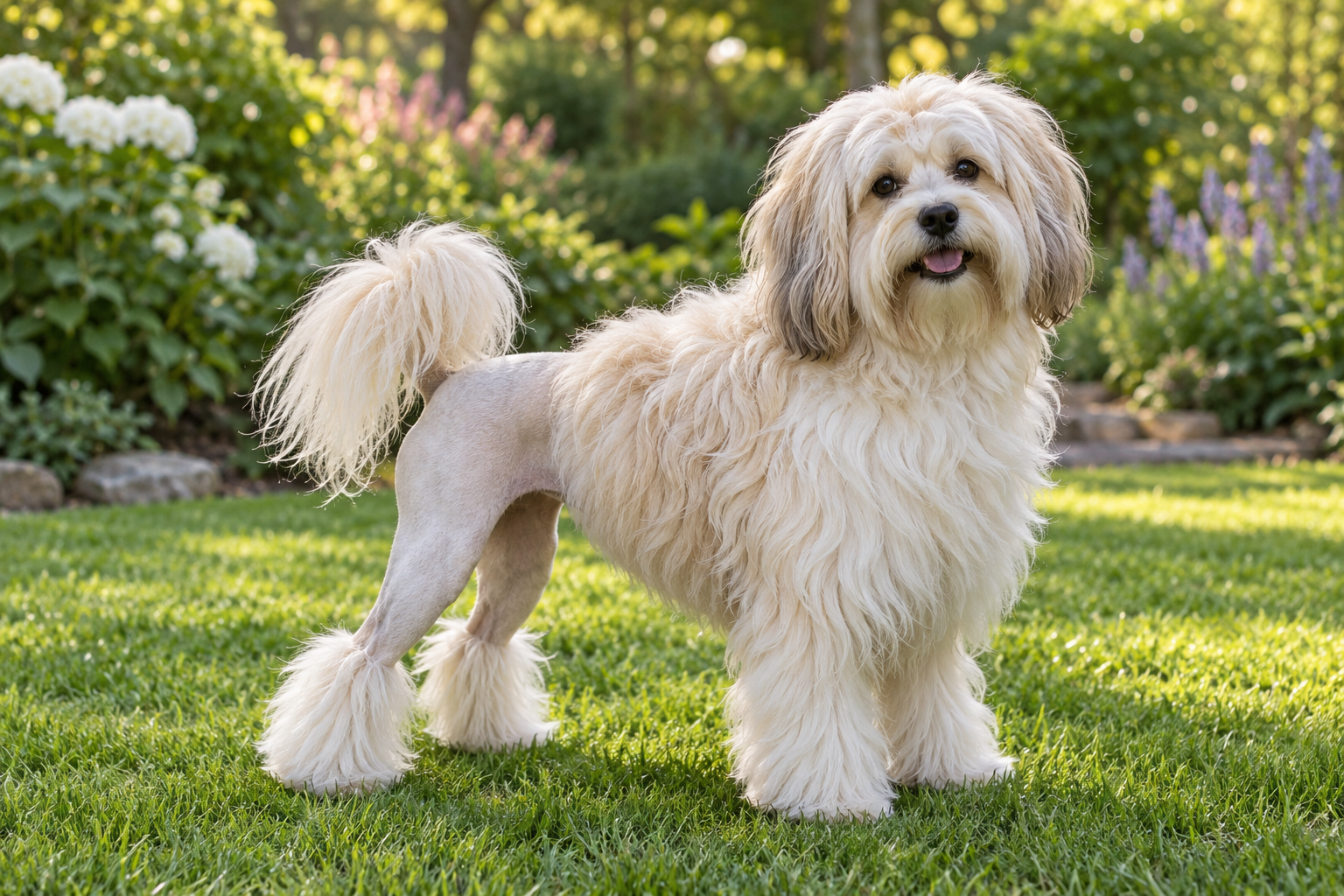 LowchenSmall • Toy (Group 1)
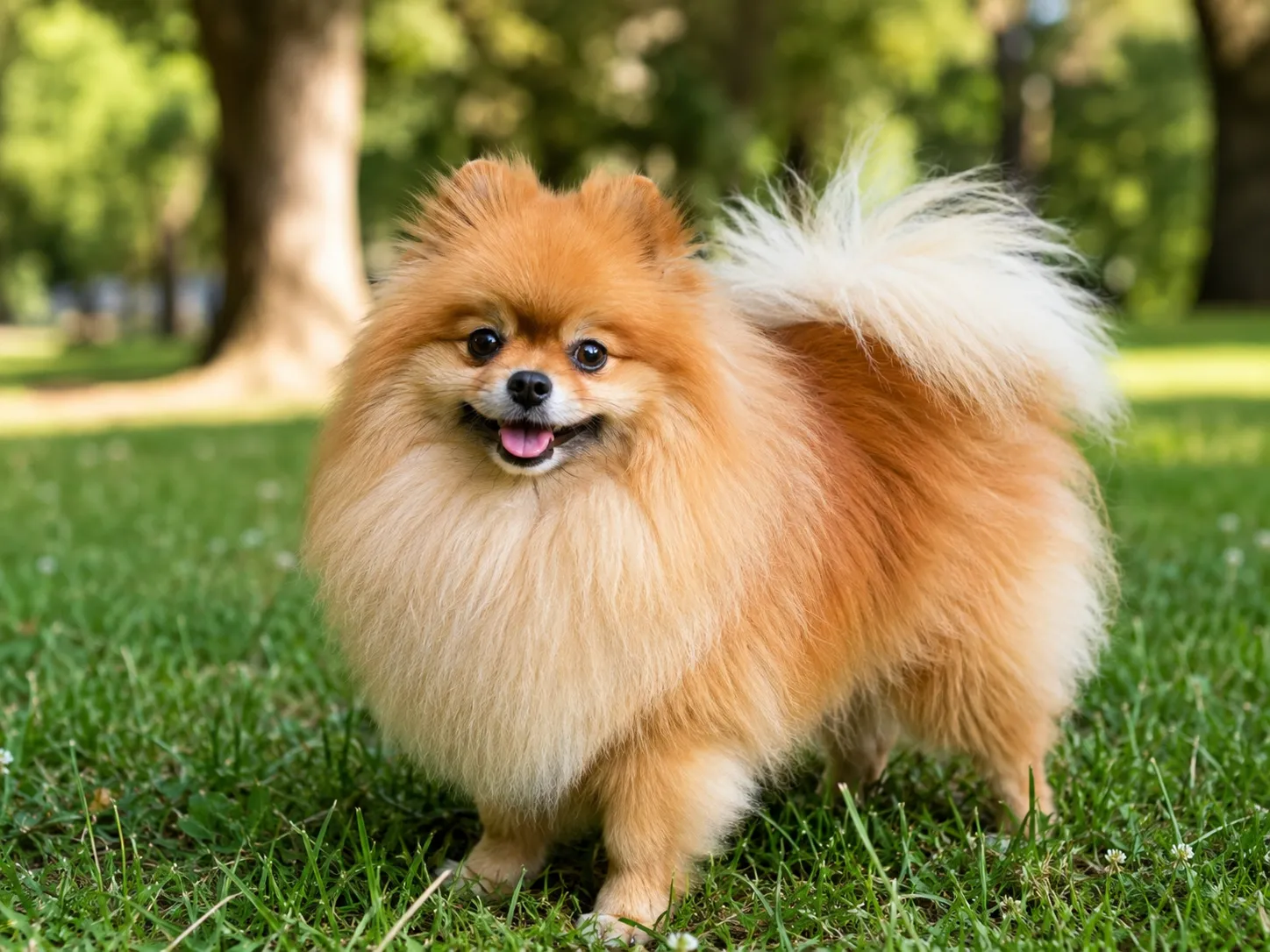 PomeranianSmall • Toy
 PugSmall • Companion