Collie
By James C. • Updated
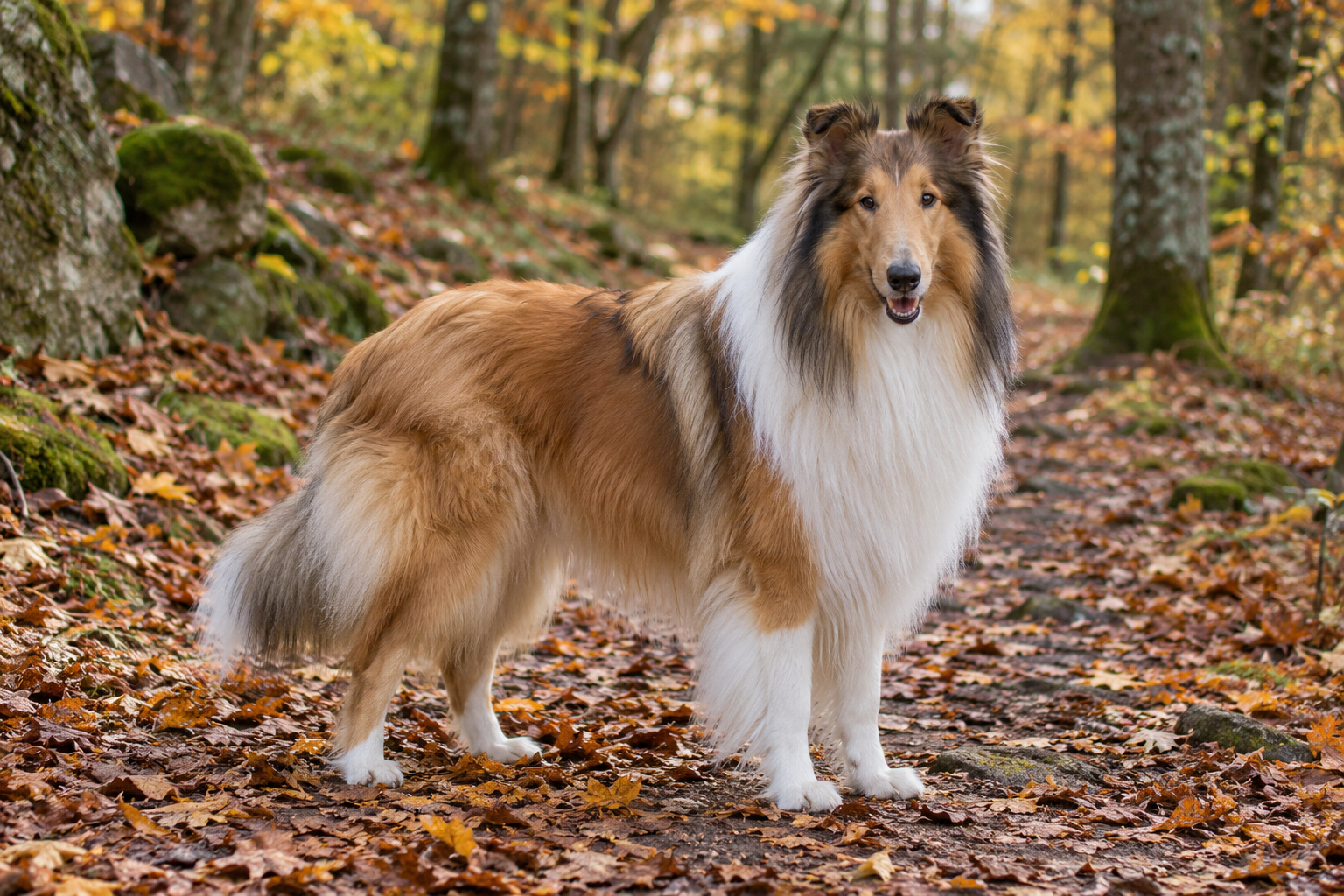
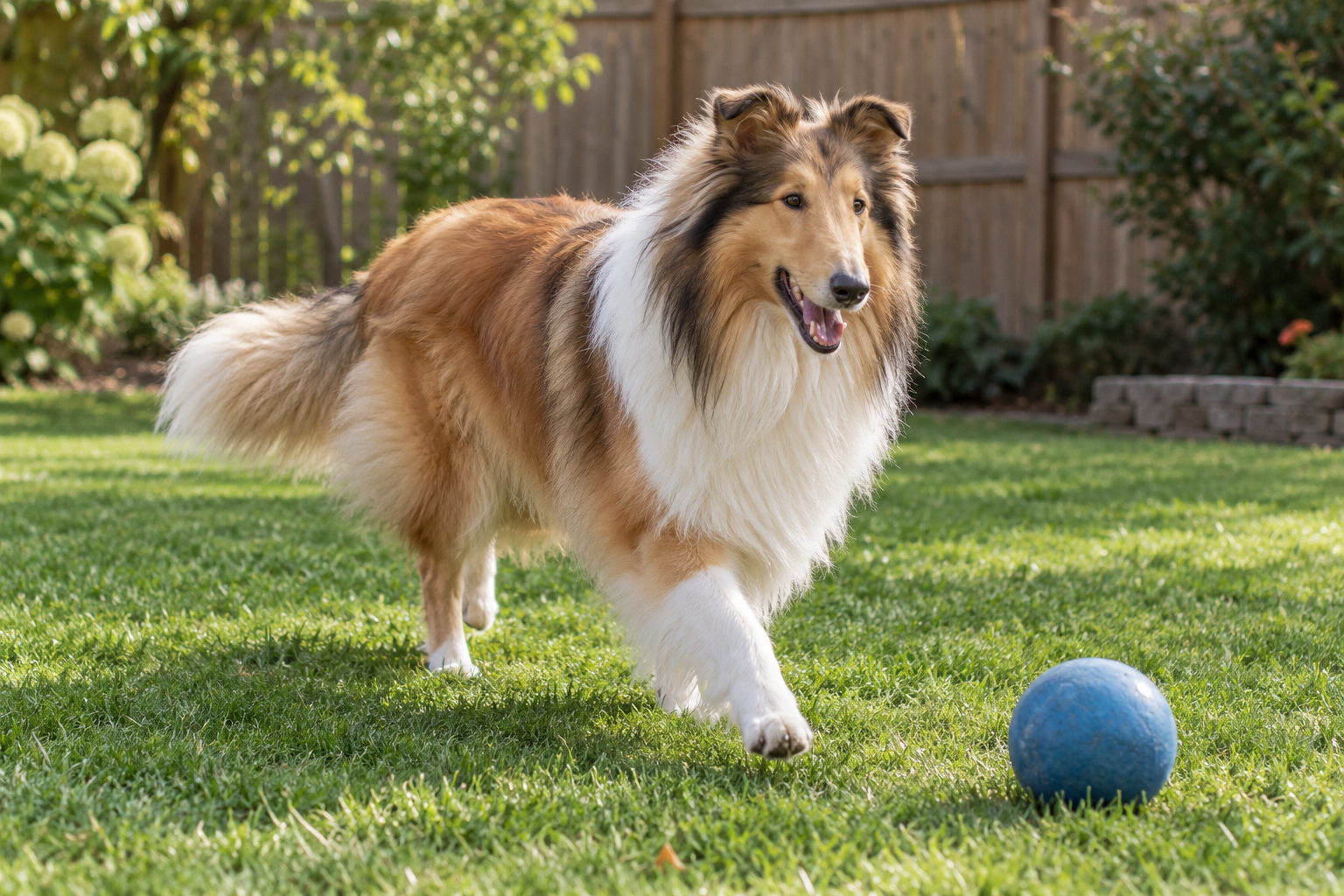
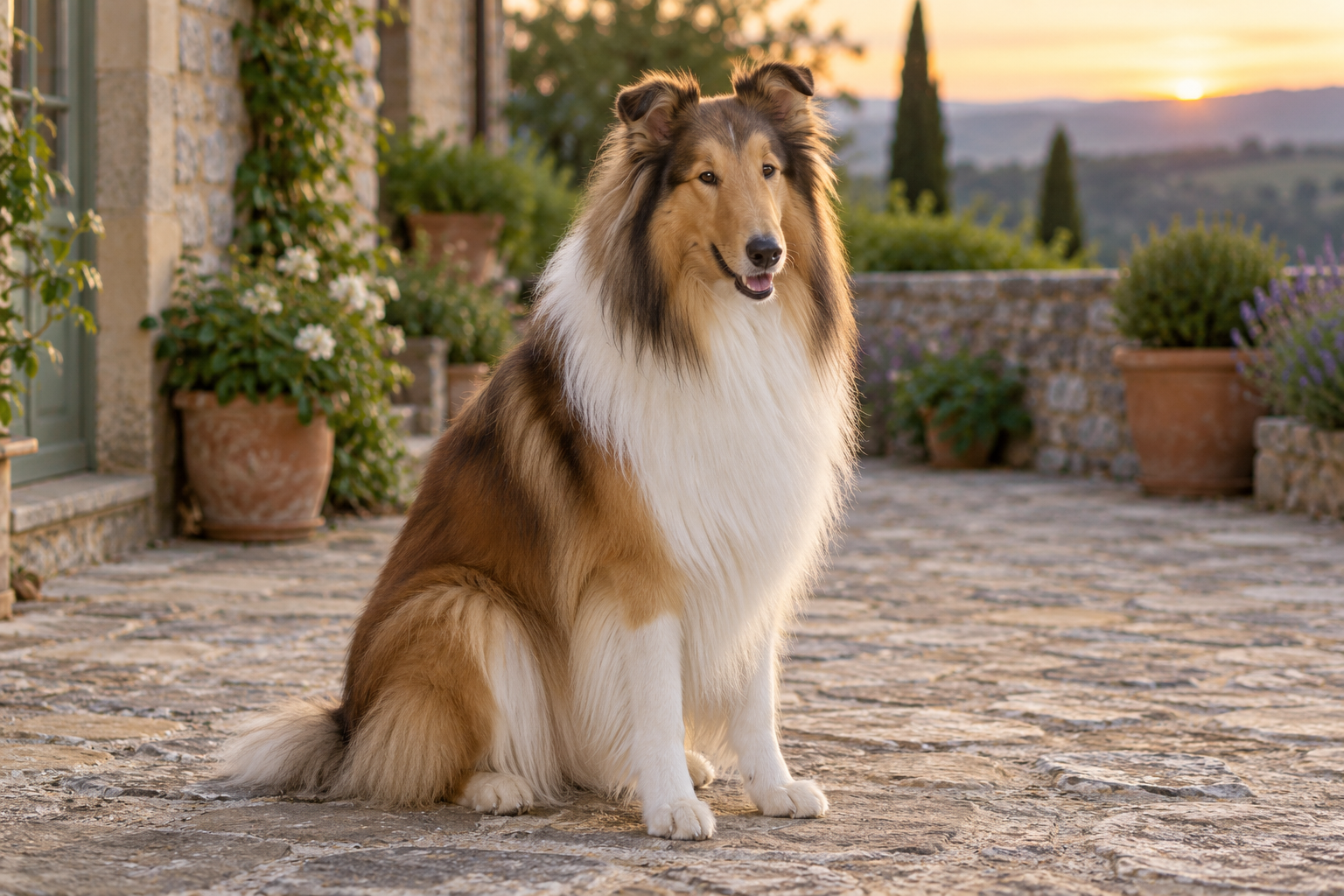
The Collie is a Scottish herding breed recognised by Dogs Australia as two separate breeds, the Collie (Rough) and the Collie (Smooth), which share one standard apart from coat. It is gentle, loyal and sensitive, with a strong attachment to its family and a watchful, vocal nature. Males stand 56 to 61 cm and weigh 20.5 to 29.5 kg, females 51 to 56 cm and 18 to 25 kg, with a lifespan of about 10 to 14 years. The Rough carries a long, dense double coat while the Smooth has a short, harsh double coat. Owners should be aware of collie eye anomaly and MDR1 drug sensitivity, both of which can be identified with DNA testing.
Breed Overview
Life Span
10 - 14 years
Average Price
AUD 2500 - AUD 4000
Weight
Male: 20.5 - 29.5 kg Female: 18 - 25 kg
Height
Male: 56 - 61 cm Female: 51 - 56 cm
Life Expectancy
Male/Female: 10 - 14 years
Breed Group
Working Dogs (Group 5)
Nicknames
Rough Collie, Smooth Collie, Lassie dog, Scotch Collie
Breed Information
The Collie is a gentle, intelligent Scottish herding dog that Dogs Australia registers as two breeds, the Collie (Rough) and the Collie (Smooth), identical in every respect except coat. The Rough is the long-coated dog most Australians picture as Lassie, while the Smooth has a short, dense coat that is far easier to keep. Neither is the Border Collie or the Bearded Collie, which are separate breeds with their own standards and temperaments.
That distinction matters when choosing. A Border Collie bred for intense stockwork needs a job and a great deal of daily exercise, whereas the Rough and Smooth Collie were refined over a century and a half into calmer family companions. They remain alert, vocal and responsive, but most are content with an hour of activity and plenty of time with their people.
Supply in Australia is healthier than for many heritage breeds. On 18 October 2026, Dogz Online listed 59 Rough Collie breeders and 22 Smooth Collie breeders across most states, with a handful of litters advertised, so a well-bred puppy is realistic for a patient buyer.
Characteristics of the Rough Collie
The Rough Collie rates highly for gentleness with children, intelligence and trainability, and its main demands are grooming and companionship rather than exercise.
| Trait | Rating | Star Rating | Meaning |
|---|---|---|---|
| Size | Large | ★★★★ | 18 to 29.5 kg, with a coat that makes the Rough look larger still. |
| Adaptability | Good | ★★★★ | Settles in suburban homes with a yard, but struggles in heat and when left alone. |
| Exercise Needs | Moderate | ★★★ | About an hour a day of walking and play keeps most adults content. |
| Easy to Train | Very High | ★★★★★ | Quick, eager and highly responsive to gentle, reward-based training. |
| Amount of Shedding | High | ★★★★ | Steady shedding plus one or two heavy coat blows a year. |
| Grooming Needs | High | ★★★★ | The Rough needs thorough brushing weekly; the Smooth is much easier. |
| Good With Children | Very High | ★★★★★ | Famously gentle and patient with its own family's children. |
| Health | Moderate | ★★★ | Eye conditions and MDR1 sensitivity need testing and vet awareness. |
| Cost to Keep | Moderate | ★★★ | Grooming and insurance add up, though food costs are moderate. |
| Tolerates Being Alone | Low | ★★ | Bonds closely and may bark or fret when left for long periods. |
| Intelligence | Very High | ★★★★★ | Perceptive, quick to learn routines and sensitive to tone of voice. |
History of the Rough Collie: From Scottish Sheepdog to Lassie
The Collie developed as a working sheepdog in the hill country of Scotland and northern England, where farmers needed a hardy, sensible dog to gather and move flocks. According to the Dogs NSW breed profile, the breed's coat type and size were fixed by the first breed standard in 1881. The working ancestors were smaller and more varied than today's dogs, and both long and short-coated puppies could appear in the same litter.
The breed's move from farm to fireside owed a great deal to Queen Victoria, who encountered collies at Balmoral in the 1860s and kept them at court. Royal patronage made the Collie fashionable among the Victorian middle classes, and show breeders began selecting for a longer head, a more abundant coat and a refined, elegant outline. Over the following decades the show Collie drifted away from working use and towards the calm companion it is now.
The Rough Collie became world famous in the twentieth century through Lassie, the heroine of Eric Knight's 1940 novel Lassie Come-Home and the 1943 film that followed. Lassie was played by male Rough Collies for generations, and the character fixed the sable and white Rough in the public imagination as the ideal loyal family dog. The phrase "Lassie dog" is still searched more often in Australia than the breed name of many recognised breeds.
The Smooth Collie shares exactly the same roots and was historically more of a drover's dog. Today it is the rarer of the two, and in 2023 the Smooth Collie appeared on the UK Kennel Club's list of vulnerable native breeds, with the Rough reported to be close to at-risk status after falling registrations.
Appearance of the Rough Collie: Elegant, Balanced, and Heavily Coated
Size and Build
The Collie is a lithe, strong, well-balanced dog of medium to large size. The breed standard summary from Dogs NSW gives dogs 56 to 61 cm at the shoulder and 20.5 to 29.5 kg, and bitches 51 to 56 cm and 18 to 25 kg. The body is slightly long compared with height, with a deep chest and a level back, and the dog should move with a smooth, effortless gait that recalls its herding past.
Coat and Colours
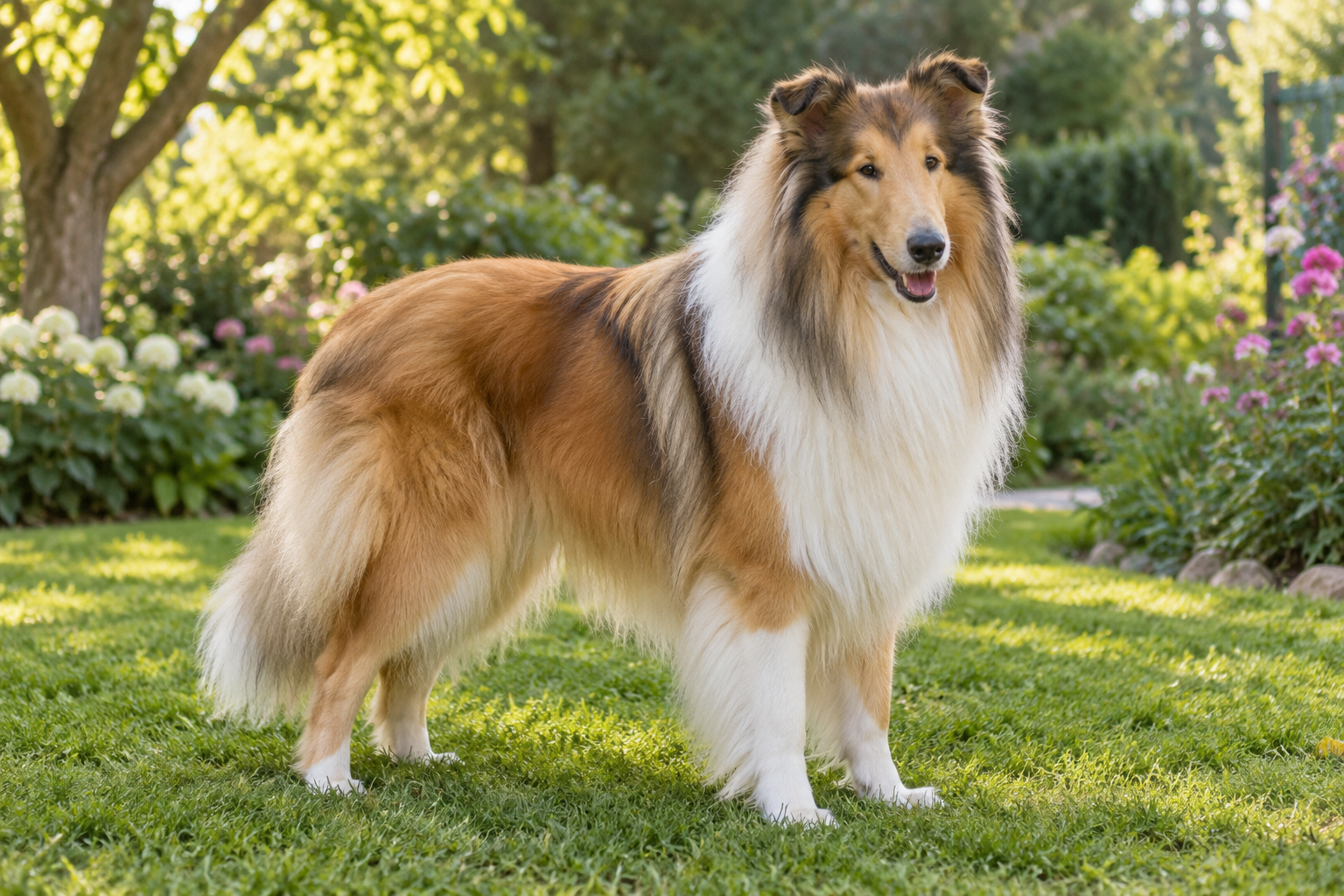
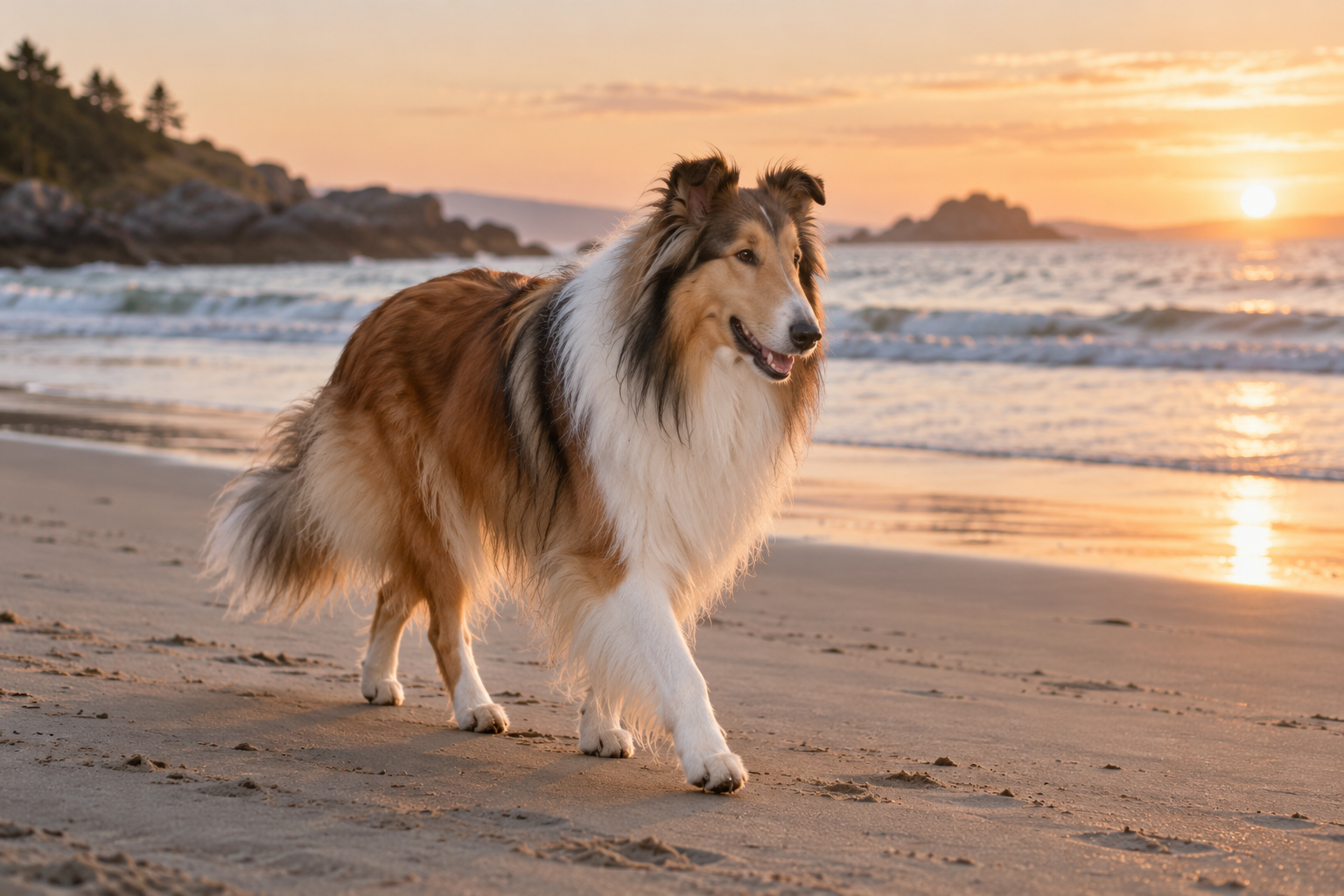
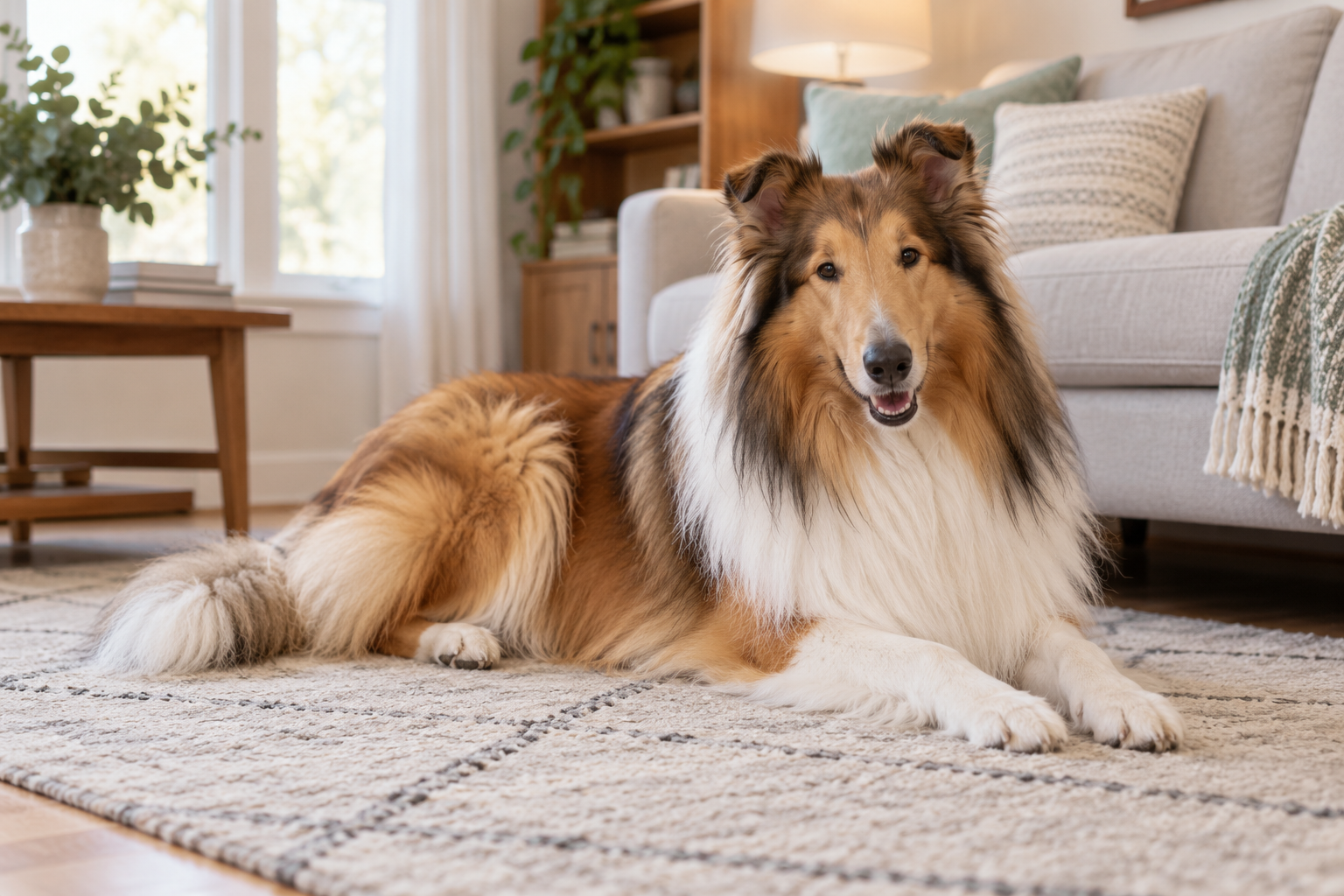
The Rough Collie has a dense, harsh outer coat over a soft, close undercoat, with an abundant mane and frill, a full tail and feathering on the legs. The Smooth Collie carries the same double coat in short form, flat and harsh to the touch, which makes it far easier to keep clean. Both come in three recognised colours: sable and white, tricolour, and blue merle, usually with white collar, chest, legs and tail tip.
Distinctive Features
The head is the breed's signature, a long, clean, blunt wedge with a gentle expression and almond eyes. Ears are carried semi-erect, with the tips folding forward when the dog is alert. Blue merle dogs may have one or both eyes blue or partly blue, which is permitted in that colour. The overall impression is of dignity and kindness rather than power.
Gender Differences
Males are noticeably taller and heavier, and in the Rough they usually carry a far more impressive mane and frill. Females are finer in head and frame and often blow their coat more heavily after a season or a litter. Temperament differences between the sexes are slight, so the choice usually comes down to size and coat preference.
Temperament of the Rough Collie: Gentle, Loyal, and Sensitive
Core Personality Traits
Collies are typically affectionate, gentle and devoted to their family. They are perceptive dogs that read moods closely and respond to calm, kind handling. They are also sensitive, and harsh words or rough treatment can make a Collie anxious and withdrawn, which is why the breed suits patient owners far better than those wanting a tough, boisterous dog.
Social Behaviour
With its own people the Collie is warm and close, often following family members from room to room. With strangers it tends to be reserved rather than unfriendly, watching first before accepting attention. Most Collies get on well with other dogs, and their tolerance of household cats is generally good when introduced young.
Working Instincts
The herding instinct is softer than in a Border Collie but still present. Some Collies circle running children, nudge at heels or try to round up other pets during play. This behaviour is normal and can be redirected into games and training, but it is worth managing early so it does not become a habit with visiting children.
Common Behavioural Challenges
Barking is the most common complaint from Collie owners. The breed was expected to alert a shepherd to anything unusual, and many dogs bark at noises, visitors and passing traffic. Separation distress is the second issue, since a Collie left alone for long workdays may bark, pace or chew. Early, consistent work on recognising the signs of separation anxiety helps owners act before the habit sets in.
Intelligence and Trainability of the Rough Collie: Quick, Responsive, and Soft-Natured
Intelligence and Learning Ability
Collies are highly intelligent and learn routines, cues and household rules quickly. They are observant and often anticipate what is about to happen, from the lead coming off the hook to the school bags going by the door. That intelligence is best channelled into training and games, since a bored Collie will find its own entertainment, often vocal.
Training Approach
Short, positive sessions using food, toys and praise suit the breed well. Collies respond best to a calm voice and clear, consistent cues, and they rarely need firm correction. Obedience, rally, trick training and herding instinct tests are all good outlets, and many Collies enjoy agility at a moderate level.
Early Socialisation
Gentle exposure to people, dogs, sounds and places from eight weeks onwards builds a confident adult. This is particularly important in a sensitive breed that can become wary of new situations if under-socialised. Puppy school and controlled outings are worthwhile, starting with carried outings and puppy-safe visits before vaccinations are complete.
Potential Training Challenges
The main challenges are noise sensitivity, barking and the herding nudges described above. Some Collies become anxious during thunderstorms or fireworks and benefit from early desensitisation. Teaching a "quiet" cue and rewarding calm behaviour from the start is far easier than trying to undo an established barking habit in an adult dog.
Rough Collie Family Life: Living with Children, Pets, and Households
Living with Children
The Collie's reputation as a children's dog is well earned. Most are patient, gentle and protective of their own family's children, and their size means they are robust without being overpowering. As with any dog, supervise young children, teach them not to pull the coat or ears, and give the dog a quiet retreat when it has had enough.
Living with Other Pets
Collies usually live happily with other dogs and, when raised with them, with cats. Their prey drive is low compared with many working breeds. The herding instinct may show as chasing or circling smaller pets, so early supervision and redirection help keep relationships calm.
Household Environment
A house with a securely fenced yard suits the breed, though a Collie wants to live indoors with its family rather than outside alone. The Rough's coat brings a constant supply of hair and, after wet walks, a fair amount of mud into the house. Apartments can work for a well-exercised Collie, but barking may be an issue with close neighbours.
Lifestyle Compatibility
Collies suit families, retirees and couples who are home often and enjoy daily walks rather than marathon runs. They are less suited to households where the dog will be alone for most of the day, and to anyone who dislikes dog hair or cannot commit to regular grooming.
Health of the Rough Collie: Eye Conditions, MDR1, and Lifespan
Lifespan and Healthy Living
Most Collies live around 10 to 14 years. Dogs Victoria gives an average of 12 to 14 years, while other references give slightly lower figures, so 10 to 14 is a fair working range. Keeping a Collie lean, exercised and up to date with preventative care gives it the best chance of reaching the upper end.
Common Health Conditions
Owners should be aware of several conditions that can be associated with the breed. It is best to discuss any concerns with a veterinarian.
- Collie eye anomaly (CEA). An inherited developmental eye condition that ranges from mild with no visible effect to, rarely, severe vision loss. A Swiss study of eye examinations found signs of choroidal hypoplasia in 36.9 per cent of Rough Collies and 8.9 per cent of Smooth Collies, so screening matters.
- MDR1 drug sensitivity. A gene variant that changes how the body handles certain common medicines, including some parasite treatments, sedatives and chemotherapy drugs. Washington State University reports that about three in four collies in the United States carry the variant.
- Progressive retinal atrophy (PRA). A gradual inherited loss of vision, with a DNA test available for the form seen in Collies.
- Dermatomyositis. An inflammatory skin and muscle condition seen in Collies and Shetland Sheepdogs, typically appearing in young dogs as hair loss and scabbing on the face, ears and legs. A genetic risk test from UC Davis is available to breeders.
- Hip dysplasia. Abnormal development of the hip joint, which can lead to arthritis.
- Gastric dilatation volvulus (bloat). A sudden, life-threatening twisting of the stomach that any deep-chested breed may be prone to.
Genetic Health Testing
Responsible Collie breeders test for CEA, MDR1 and PRA by DNA, and have puppies eye examined by a veterinary ophthalmologist, usually at six to eight weeks, since some eye changes can be seen at that age and are harder to detect later. Hip scoring of the parents is also common practice. Ask to see results for both parents and the litter eye check, not just a verbal assurance.
Every Collie should have a known MDR1 status, and every vet who treats it should be told. The test is a simple cheek swab, and knowing the result lets a veterinarian choose medicines and doses safely. Never give a Collie parasite products or medicines intended for another animal or another dog.
Preventative Health Care
Keep vaccinations current, and use year-round flea, worm and heartworm prevention chosen with your vet's knowledge of the dog's MDR1 status. On the east coast, paralysis tick prevention is essential, and the Rough's coat makes daily tick checks slow but necessary. Annual health checks, dental care and eye checks as your vet advises will catch most problems early.
Caring for the Rough Collie: Daily Care and Living Environment
Daily Care Routine
A typical day includes one or two walks, a play or training session, a quick brush of the areas that tangle and time with the family. Feed twice a day rather than once, given the bloat risk, and avoid hard exercise straight after meals. Check the coat for burrs, grass seeds and ticks after outings.
Living Environment Requirements
The Collie needs a secure yard, shade and fresh water, but it is fundamentally an indoor family dog. Give it a comfortable bed in a quiet corner where it can still see what is going on. Solid fencing that blocks the view of the street can reduce territorial barking.
Climate Sensitivity
The Rough Collie's heavy double coat makes Australian summers a genuine challenge. The undercoat insulates against cold and helps shade the skin, but a coat packed with loose undercoat traps heat. Regular brushing to remove dead undercoat, especially during a coat blow, is the most effective summer care. Shaving is discouraged because it can damage regrowth and remove the coat's protection from sun.
Walk early in the morning and late in the evening in summer, provide air-conditioned or well-ventilated shade indoors, and know the temperatures at which exercise becomes risky. The Smooth Collie copes somewhat better in warm climates, which makes it worth considering for buyers in Queensland and northern Australia.
Caring for Senior Rough Collies
From around eight or nine years, Collies may slow down and develop stiff joints or reduced vision. Shorter, more frequent walks, non-slip flooring and a supportive bed help. Older dogs also find long grooming sessions tiring, so brushing little and often becomes the better approach.
Grooming of the Rough Collie: Managing a Double Coat and the Seasonal Blow
Coat Maintenance
The Rough needs a thorough brush right down to the skin at least once a week, with extra attention behind the ears, under the elbows and in the trousers, where mats form first. A pin brush, a wide-toothed comb and an undercoat rake are the core tools. The Smooth needs a quick weekly brush with a rubber mitt or bristle brush, which takes minutes rather than an hour.
The Seasonal Coat Blow
Both varieties drop their undercoat heavily once or twice a year, and entire females often blow coat after a season. During a blow, which can last several weeks, daily brushing with a rake keeps the hair under control and stops it felting into mats. The difference between ordinary shedding and a full coat blow surprises many first-time Rough Collie owners, and preparing for it makes the job far easier.
Ear, Nail, and Dental Care
Check ears weekly and trim the hair under the ear tips and around the feet to keep them neat. Nails usually need trimming every three to four weeks. Brush teeth several times a week to reduce the risk of dental disease.
Bathing and Professional Grooming
Bathe every six to eight weeks or when dirty, and dry the Rough thoroughly to the skin, ideally with a high-velocity dryer, to prevent hot spots. Many owners book a professional groom with a full undercoat removal during each coat blow. The right tools and technique matter more than time spent, and a step-by-step grooming routine for a double coat makes the job quicker.
Exercise Needs of the Rough Collie: Moderate Activity and Mental Work
Daily Exercise Requirements
Most adult Collies are happy with about an hour of exercise a day, split between a brisk walk and some free running or play in a secure area. They are not endurance athletes in the way a Border Collie or Kelpie is, but under-exercised Collies are more likely to bark and become restless.
Activities Rough Collies Enjoy
Walks, gentle hikes, fetch, obedience and rally, trick training and herding instinct sessions all suit the breed. Many Collies enjoy agility at a relaxed pace, and nosework is an excellent low-impact outlet. They tend to prefer activities done with their owner over solo games.
Exercise by Life Stage
Puppies should have short, gentle play sessions rather than long walks or repetitive jumping while their joints develop. Adolescents need structure and training alongside exercise. Seniors benefit from shorter, slower walks and swimming. In summer, all ages should be exercised in the cooler parts of the day, and paralysis tick checks after bush walks are essential in eastern Australia.
Importance of Mental Stimulation
A Collie's mind needs exercise as much as its body. Puzzle feeders, scent games, learning new tricks and short training sessions throughout the day help prevent boredom barking. Ten minutes of focused training often settles a Collie more than an extra half hour of walking.
Feeding the Rough Collie: Nutrition and Diet Needs
Nutritional Requirements
A complete and balanced commercial diet formulated for medium to large breeds suits most Collies. Good quality protein and appropriate fats support the coat, and many owners notice a better coat when the diet includes omega-3 fatty acids. Feeding to body condition rather than to the label is the most useful habit an owner can build.
Feeding by Life Stage
Feed puppies three or four meals a day until around four months, then move to two meals daily for life. A large-breed puppy formula helps support steady rather than rapid growth. Seniors may need fewer calories and a diet that supports joint health, as advised by your vet.
Portion Control and Weight Management
The Rough's coat can hide weight gain, so feel for the ribs and waist regularly rather than relying on looks. Weigh the dog every month or two and adjust portions to activity. Keeping a Collie lean reduces strain on hips and helps it cope with heat.
Foods to Avoid
Grapes, sultanas, chocolate, onion, garlic, macadamia nuts and anything containing xylitol are toxic to dogs. Cooked bones should never be fed. Avoid large meals and vigorous exercise close together because of the bloat risk.
Rough Collie Price in Australia: Purchase Cost and Ongoing Expenses
Puppy Purchase Price
Expect to pay about $2,500 to $4,000 for a registered Rough or Smooth Collie puppy from an Australian breeder. Every litter on Dogz Online's Rough Collie puppy listings in October 2026 was advertised as price on request, so the range is derived. The most recent priced Australian examples were a Victorian litter at $3,250 and a young female at $3,300.
That sits in line with UK prices. Pets4Homes UK puppy listings clustered around £1,500 to £2,200, roughly AUD 2,900 to AUD 4,400. Puppies from fully health-tested parents with show or breeding rights may sit at the top of the range, and interstate transport adds to the cost.
Initial Setup Costs
Beyond the purchase price, RSPCA NSW cost guidance puts microchipping at $60 to $80, a puppy vaccination course at $280 to $420 and desexing at $350 to $650. Add council registration, a crate, bed, bowls, lead and harness, and good grooming tools, which for a Rough Collie means a pin brush, comb and undercoat rake.
Ongoing Monthly Costs
| Cost | Typical figure (AUD) | Source |
|---|---|---|
| Food | About $600 to $1,000 a year for an average dog | RSPCA NSW |
| Flea and worm treatment | $200 to $250 a year, plus heartworm up to $250 | RSPCA NSW |
| Annual vet check and booster | From $140 a year | RSPCA NSW |
| Pet insurance | About $1,693 to $1,834 a year for a medium to large dog | Canstar, 2026 |
| Professional grooming | Optional for the Smooth; one to two full deshedding grooms a year for many Roughs | Breed coat needs |
Insurance is a significant line in the budget. Canstar's 2026 premium data put average accident and illness cover at about $1,693 a year for a medium dog and $1,834 for a large dog. Comparing what different dog insurance policies cover before the puppy comes home avoids pre-existing condition exclusions later.
Long-Term Financial Commitment
Animal Medicines Australia's Pets in Australia 2025 survey found dog-owning households spend about $2,520 a year on average. A Rough Collie with regular professional grooming and insurance is likely to sit at or above that figure across a 10 to 14 year life, while a Smooth Collie groomed at home can come in lower.
Buying Advice for a Rough Collie: Choosing a Healthy Puppy
Choosing a Responsible Breeder
Look for a breeder registered with their state body under Dogs Australia, who tests breeding dogs for CEA, MDR1 and PRA, eye checks litters and hip scores parents. A good breeder will ask you as many questions as you ask them, explain the coat commitment honestly and offer lifelong support. Expect a waiting list, particularly for Smooth Collies.
Health Checks Before Purchase
Meet the mother and, if possible, the father, and look for calm, friendly temperaments. Ask to see DNA results for both parents and the litter's eye examination report, along with vaccination, worming and microchip records. A healthy puppy has clear eyes, a clean coat and a confident, curious attitude.
Questions to Ask the Breeder
- What are the MDR1, CEA and PRA results for both parents?
- Has the litter been eye examined by a veterinary ophthalmologist, and can I see the report?
- What are the parents' hip scores?
- Has dermatomyositis ever appeared in your lines?
- How do the parents behave with visitors, children and noise?
- Will the puppy be on the main or limited register, and is desexing required?
- What is your policy if I can no longer keep the dog?
Contracts, registration and aftercare belong on your list of questions to ask any dog breeder too.
Considering Adoption
Adult Collies occasionally come up through breed rescue groups and general shelters, often because an owner's circumstances changed rather than through any fault of the dog. An adult lets you see coat, size and temperament directly, which suits buyers unsure about grooming. Breed clubs in each state are a good first contact for rehoming enquiries.
Is the Rough Collie Right for You? A Gentle Family Dog with a Big Coat
Lifestyle Compatibility
The Collie suits families and couples who want a gentle, responsive dog and enjoy daily walks. It is a poor fit for homes where it will be alone most of the day.
Time and Care Commitment
Plan on about an hour of exercise daily, regular training and, for the Rough, a weekly grooming session plus extra work during coat blows. The commitment runs for 10 to 14 years.
Grooming and Health Awareness
Know your dog's MDR1 status and tell every vet. Choose a breeder who eye checks litters, and budget for grooming and insurance.
Ideal Owner Profile
The ideal owner is patient, home often and happy to live with some dog hair. Gentle handling brings out the best in this sensitive breed.
Find Rough Collie Puppies for Sale
If the Rough or Smooth Collie suits your household, you can browse puppies for sale on Pups4Sale and contact registered breeders directly.
Frequently Asked Questions
Related Breeds
Other herding breeds on Pups4Sale.
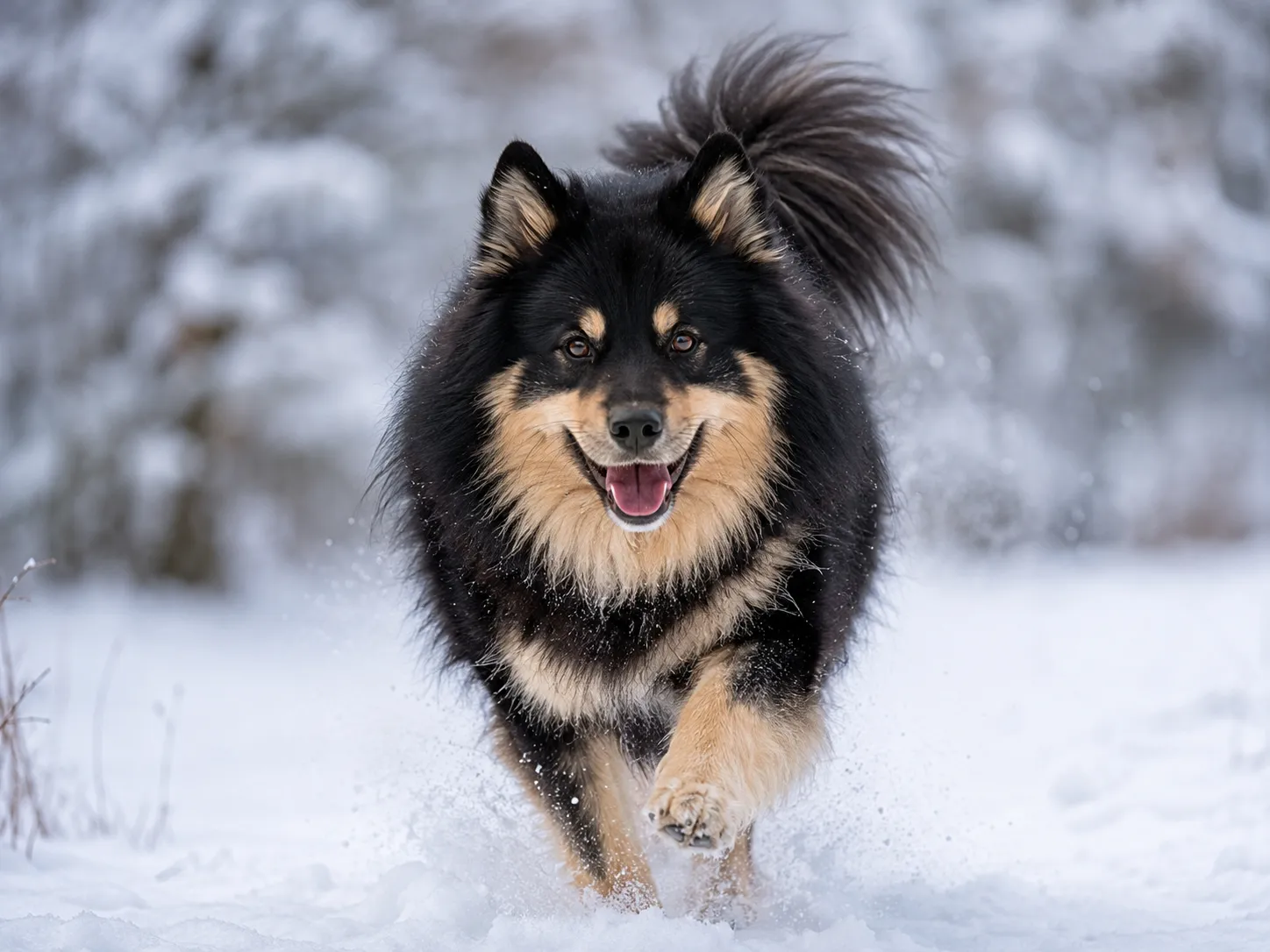 Finnish LapphundMedium • Utility / Spitz type (Nordic herding breed)
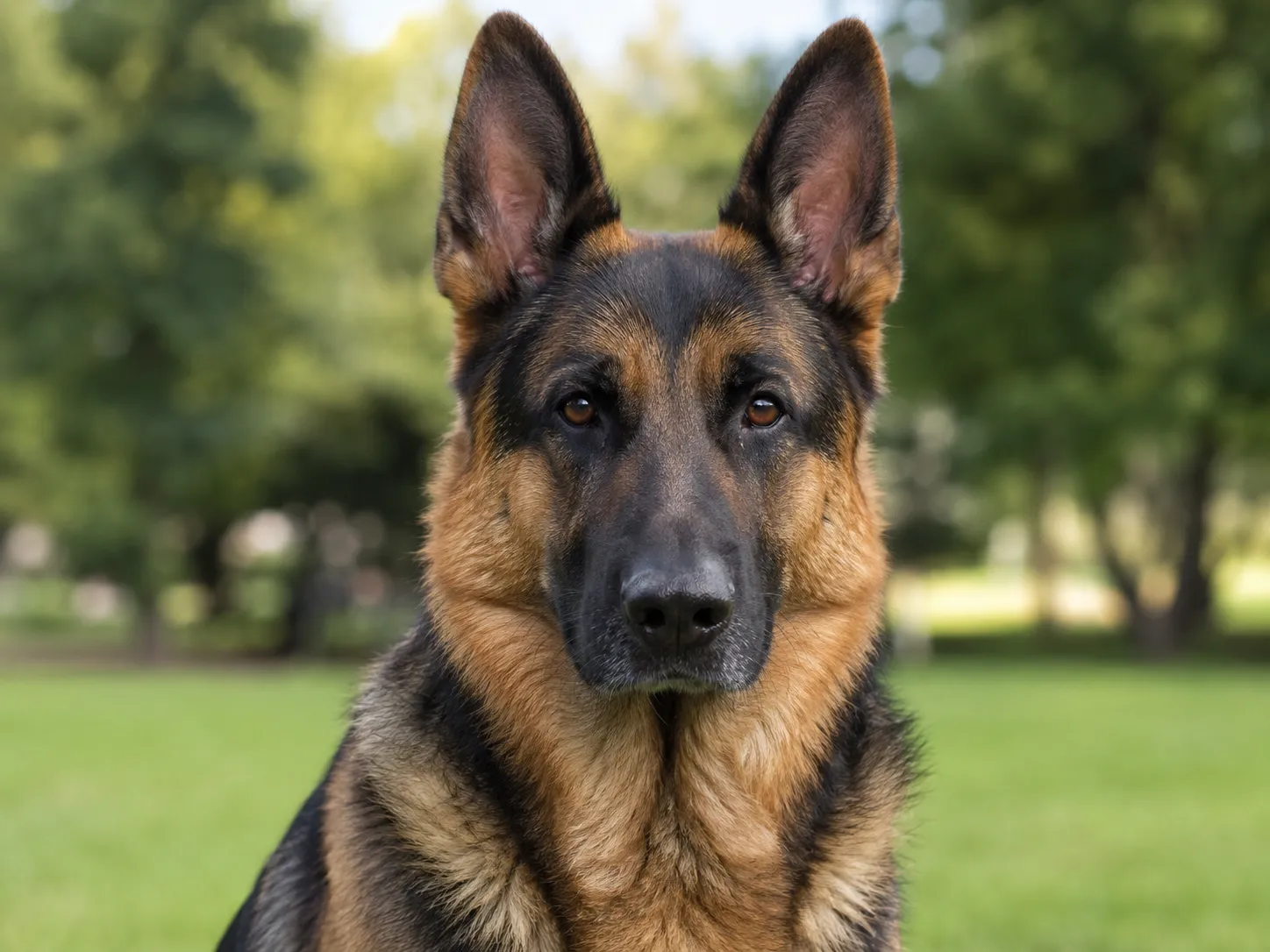 German ShepherdLarge • Working
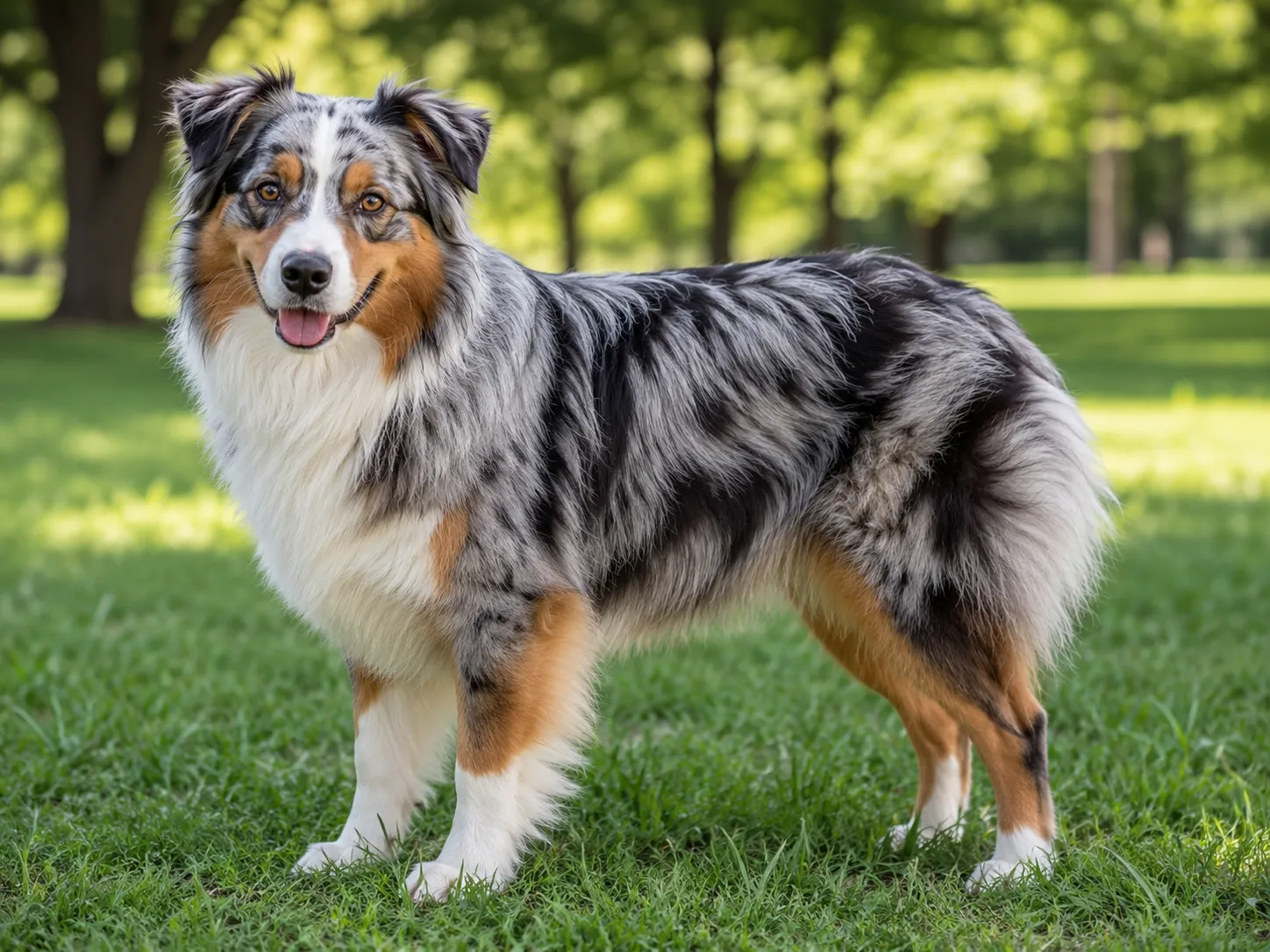 Miniature Australian ShepherdMedium • Herding / Companion
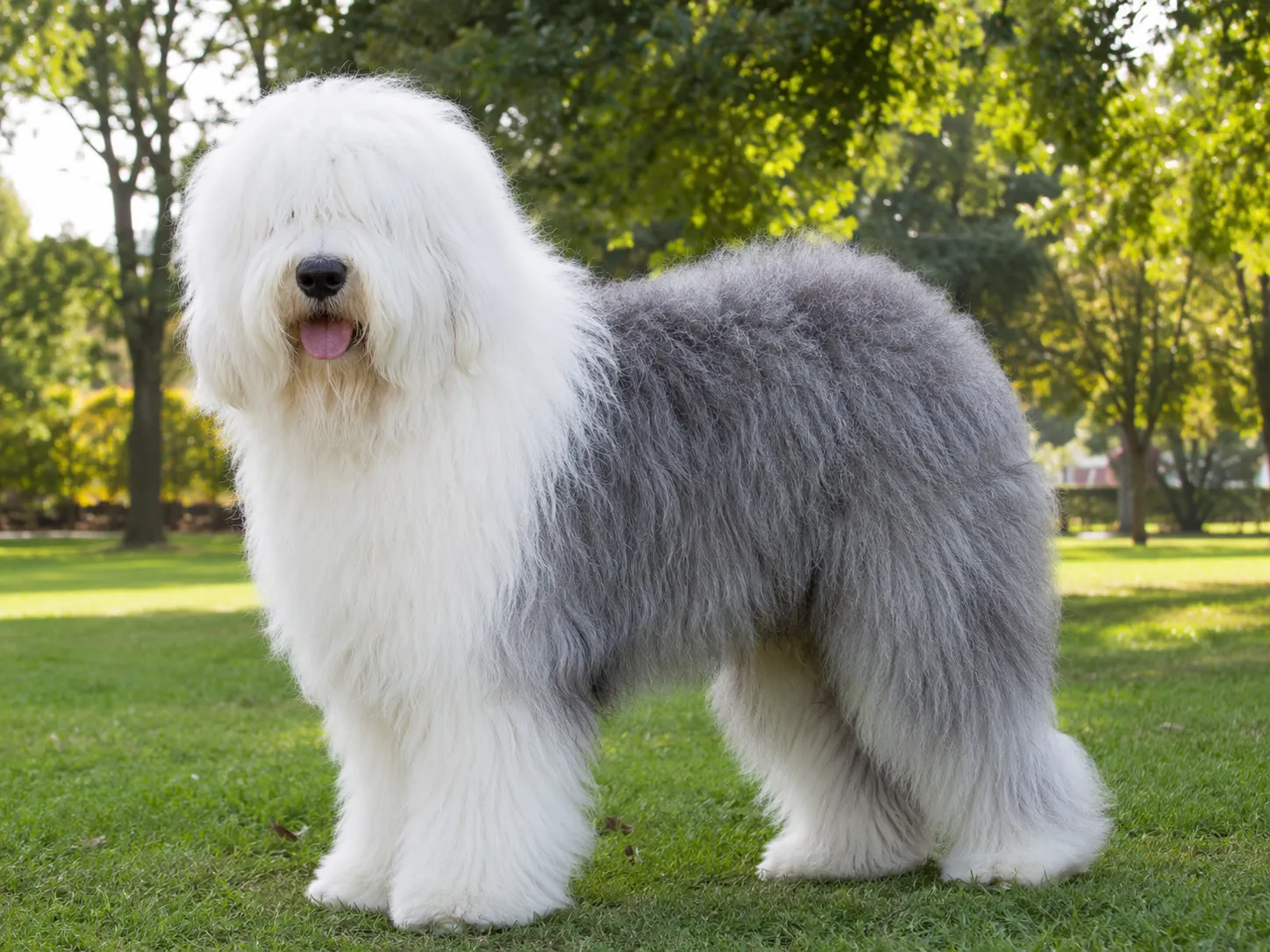 Old English SheepdogLarge • Herding (Pastoral)
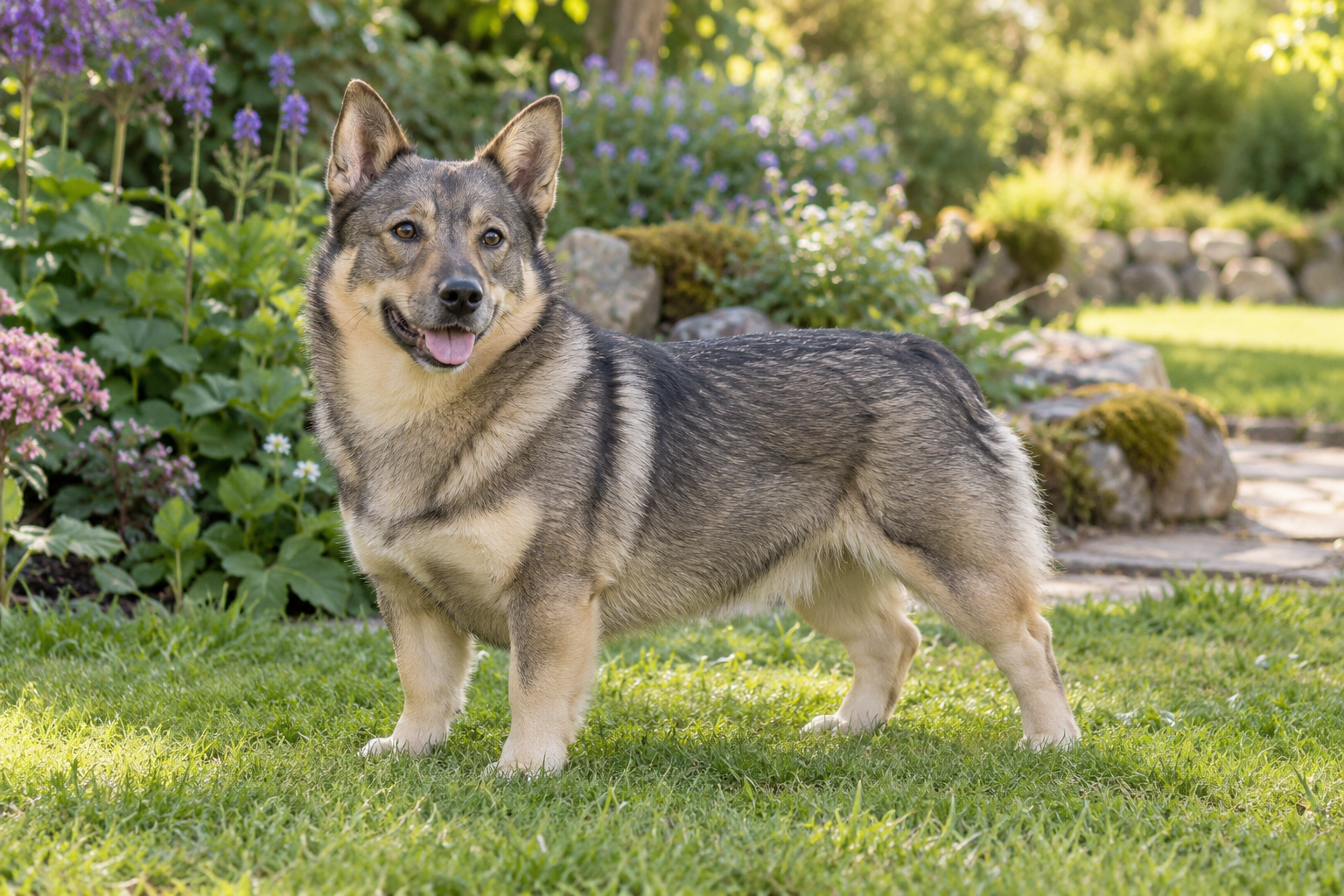 Swedish VallhundSmall • Working Dogs (Group 5)
 Australian KelpieMedium • Herding