Black Russian Terrier
By James C. • Updated
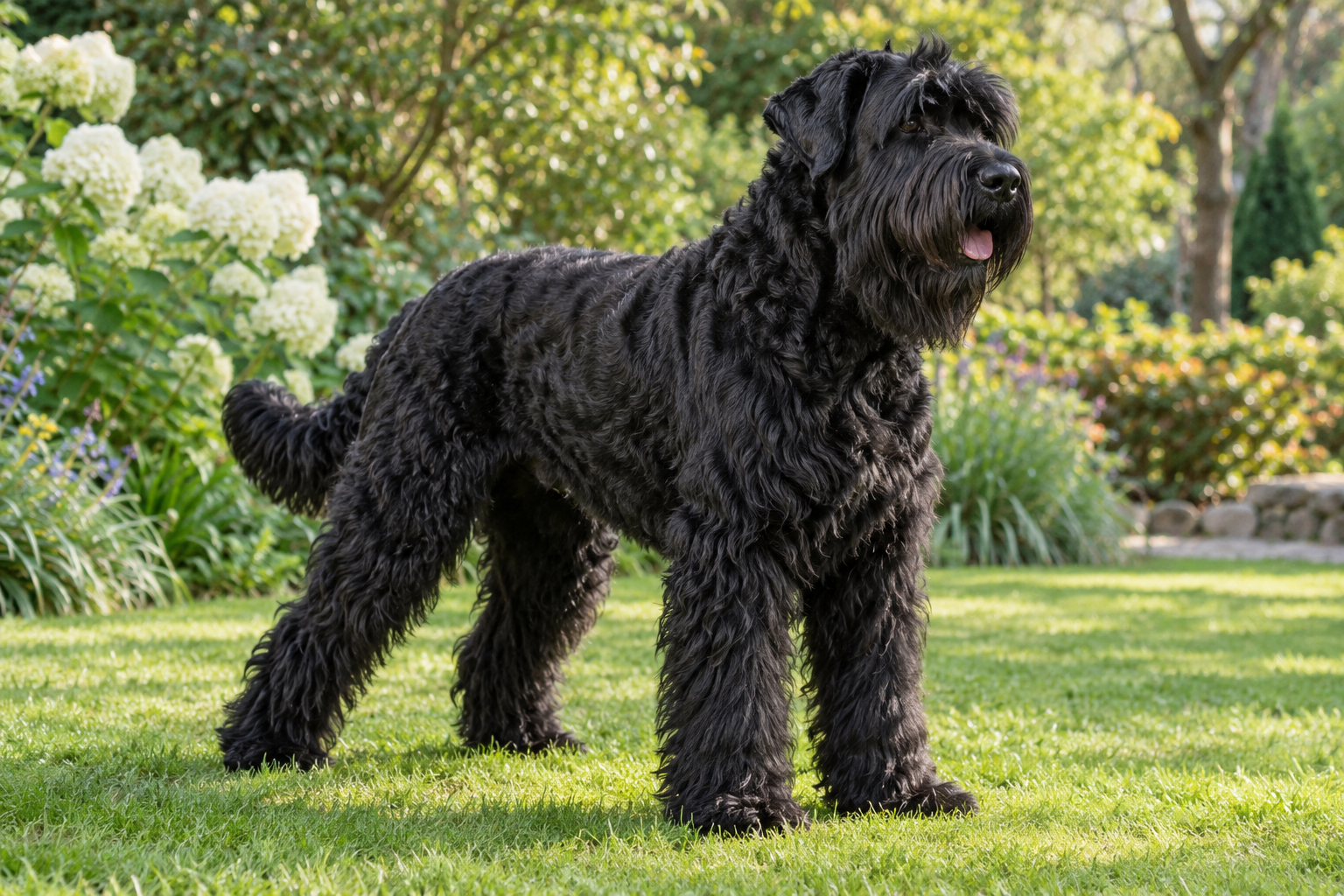
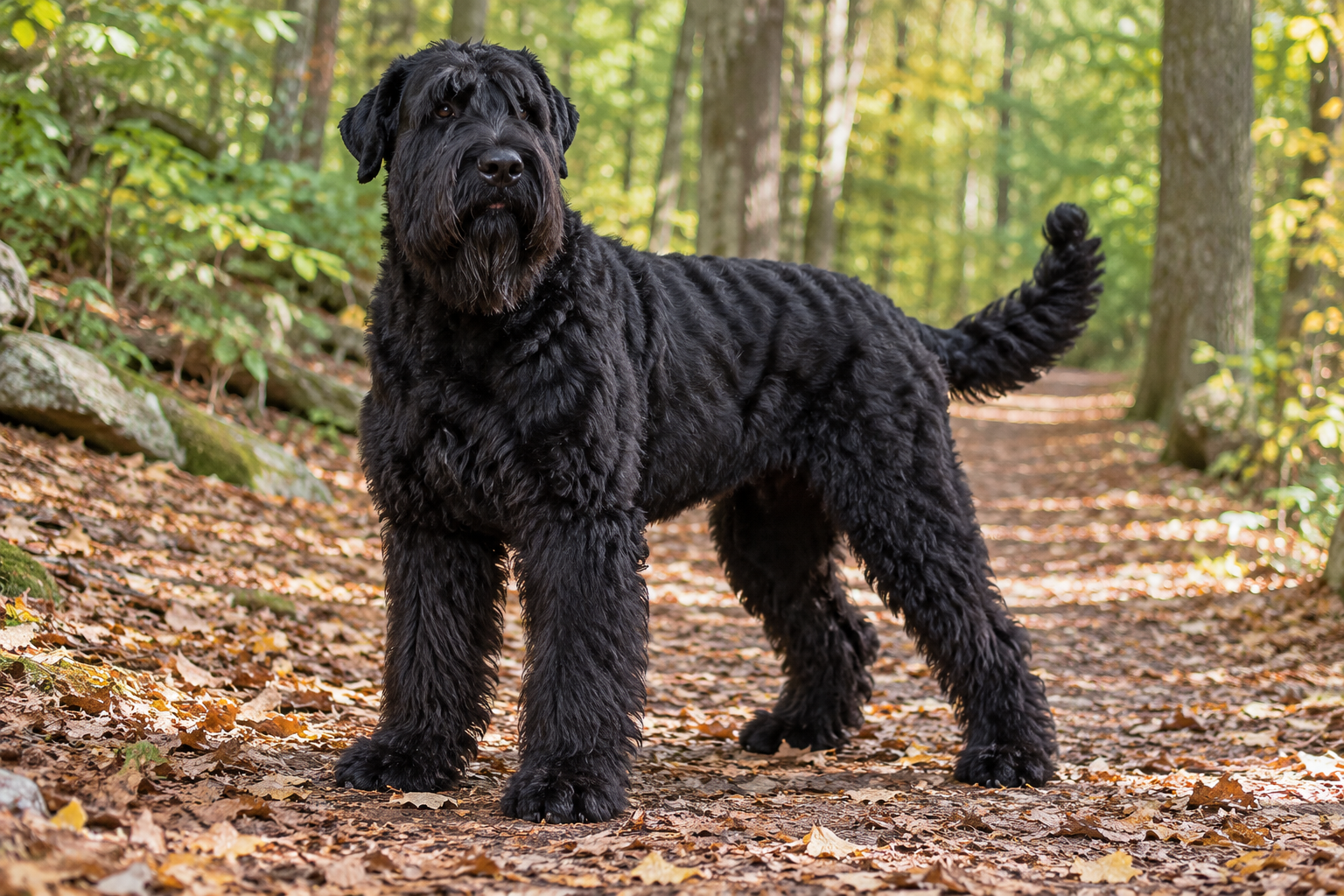
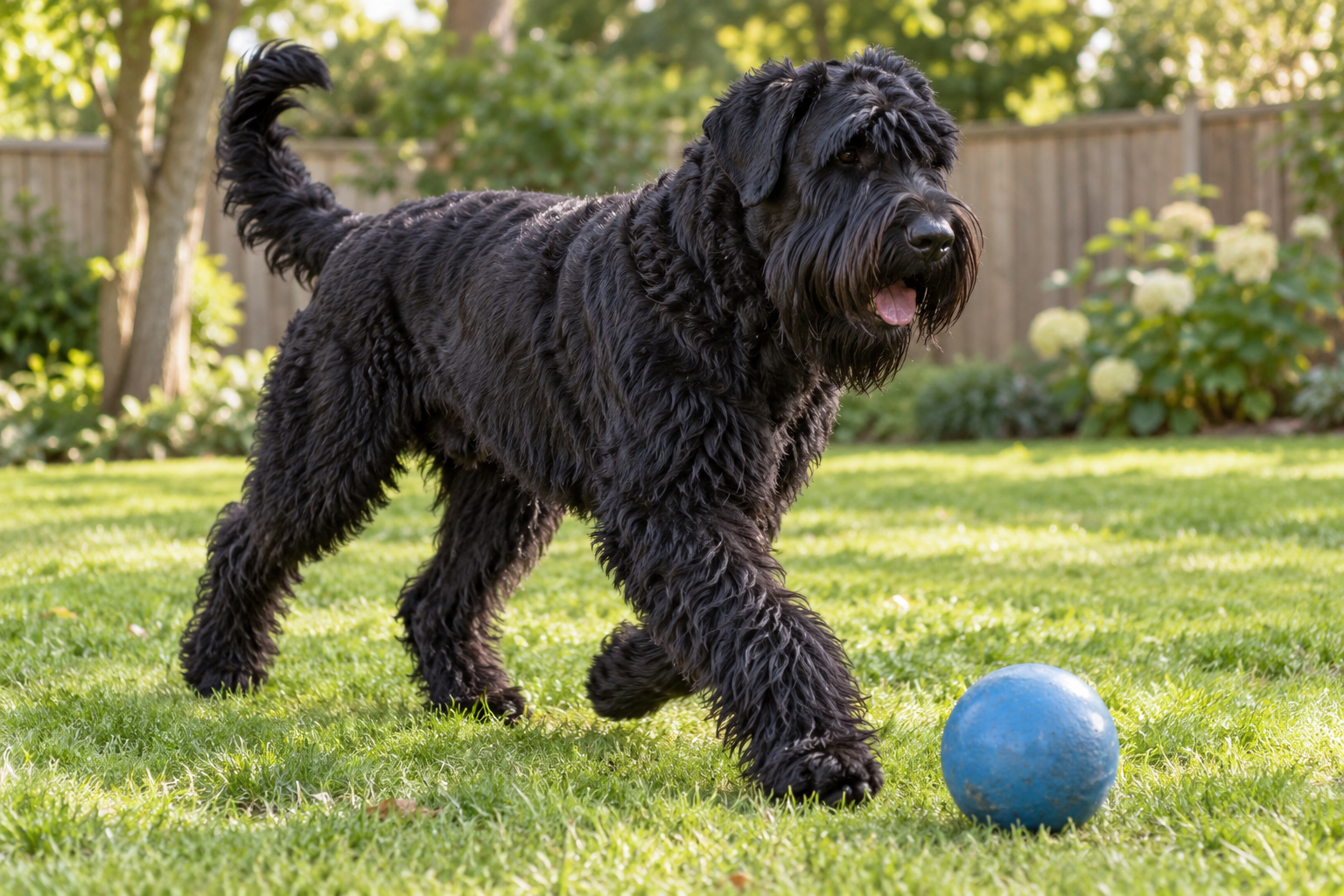
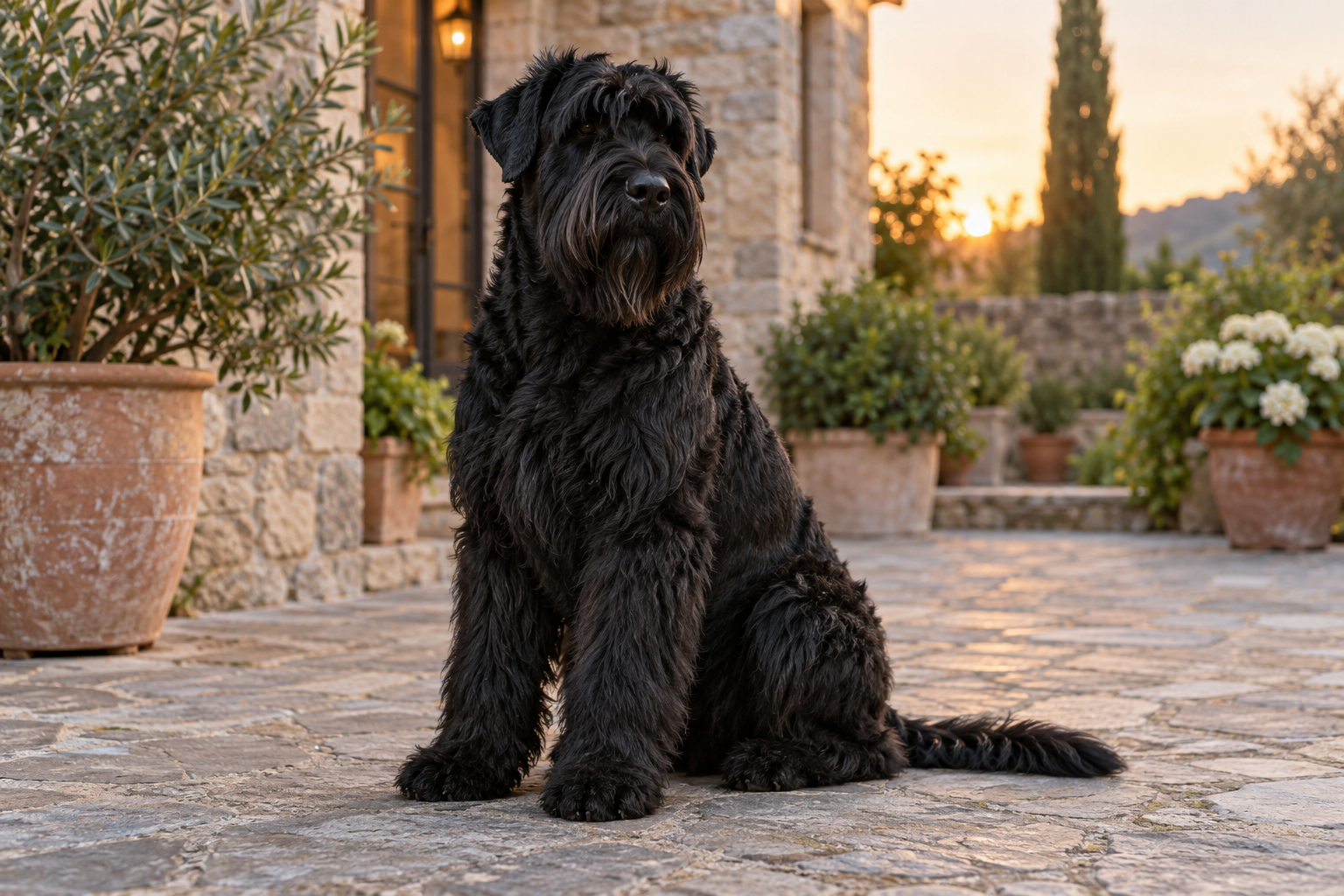
The Black Russian Terrier, registered in Australia as the Russian Black Terrier, is a large guardian breed developed at the Soviet Red Star kennel after the Second World War from Giant Schnauzer, Airedale, Rottweiler and Newfoundland stock. Despite the name it is not a true terrier but a powerful, calm and confident working dog, protective of its family and aloof with strangers. Males stand 72 to 76 cm and weigh 50 to 60 kg, females 68 to 72 cm and 45 to 50 kg, with a coarse black double coat that needs regular grooming. It is slow to mature, best suited to experienced owners, and rare in Australia, with only a handful of registered breeders.
Breed Overview
Life Span
10 - 14 years
Average Price
AUD 3000 - AUD 4500
Weight
Male: 50 - 60 kg Female: 45 - 50 kg
Height
Male: 72 - 76 cm Female: 68 - 72 cm
Life Expectancy
Male/Female: 10 - 14 years
Breed Group
Utility (Group 6), registered as Russian Black Terrier
Nicknames
Russian Black Terrier, BRT, Blackie
Breed Information
The Black Russian Terrier, registered in Australia as the Russian Black Terrier, is a large Soviet-bred guardian dog rather than a true terrier. It is powerful, calm and protective, with a coarse black coat and a beard that make it look like an oversized Giant Schnauzer.
It is also rare here. On 17 October 2026 the Dogz Online breeder directory listed 6 breeders and 1 litter nationally, under the ANKC name Russian Black Terrier. Searching that name is the best way to find registered breeders.
This is not a dog for first-time owners. If you want a large, loyal guardian that is easier to find, the Rottweiler or Bouvier des Flandres may suit better.
Characteristics of the Black Russian Terrier
The Black Russian Terrier rates very high for size, protectiveness and grooming, and low for suitability to novice owners.
| Trait | Rating | Star Rating | Meaning |
|---|---|---|---|
| Size | Giant | ★★★★★ | Up to 60 kg and 76 cm or more. |
| Adaptability | Low | ★★ | Needs space and struggles in heat. |
| Exercise Needs | Moderate to High | ★★★★ | Daily walks plus training and play. |
| Easy to Train | Moderate | ★★★ | Intelligent but wilful. |
| Amount of Shedding | Low | ★★ | Low shedding, but the coat needs trimming. |
| Grooming Needs | High | ★★★★ | Frequent brushing and regular trims. |
| Good With Children | Good | ★★★ | Gentle with family, but very large. |
| Health | Moderate | ★★★ | Joint and inherited conditions need testing. |
| Cost to Keep | High | ★★★★ | Large food bill, grooming and vet costs. |
| Tolerates Being Alone | Low | ★★ | Bonds closely and wants to be with family. |
| Intelligence | High | ★★★★★ | Quick to learn and to test boundaries. |
History of the Black Russian Terrier: A Soviet Working Dog
The breed was created at the state-run Red Star kennel near Moscow in the late 1940s and early 1950s, when the Soviet army needed a large, hardy guard dog for harsh climates. The founding breeds included the Giant Schnauzer, Airedale Terrier, Rottweiler and Newfoundland, among others.
Civilian breeders took on the dogs from 1957, and the first breed standard was written in 1958. The breed was later recognised internationally, though sources give conflicting dates for FCI recognition. The AKC recognised it in 2004.
According to the Dogs NSW breed profile, the first pair reached Australia in 2001, the same year the ANKC recognised the breed.
Appearance of the Black Russian Terrier: Massive, Bearded and Black
Size and Build
Males stand 72 to 76 cm and weigh 50 to 60 kg; females stand 68 to 72 cm and weigh 45 to 50 kg. The body is slightly longer than tall, with heavy bone and strong muscle.
Coat and Colours
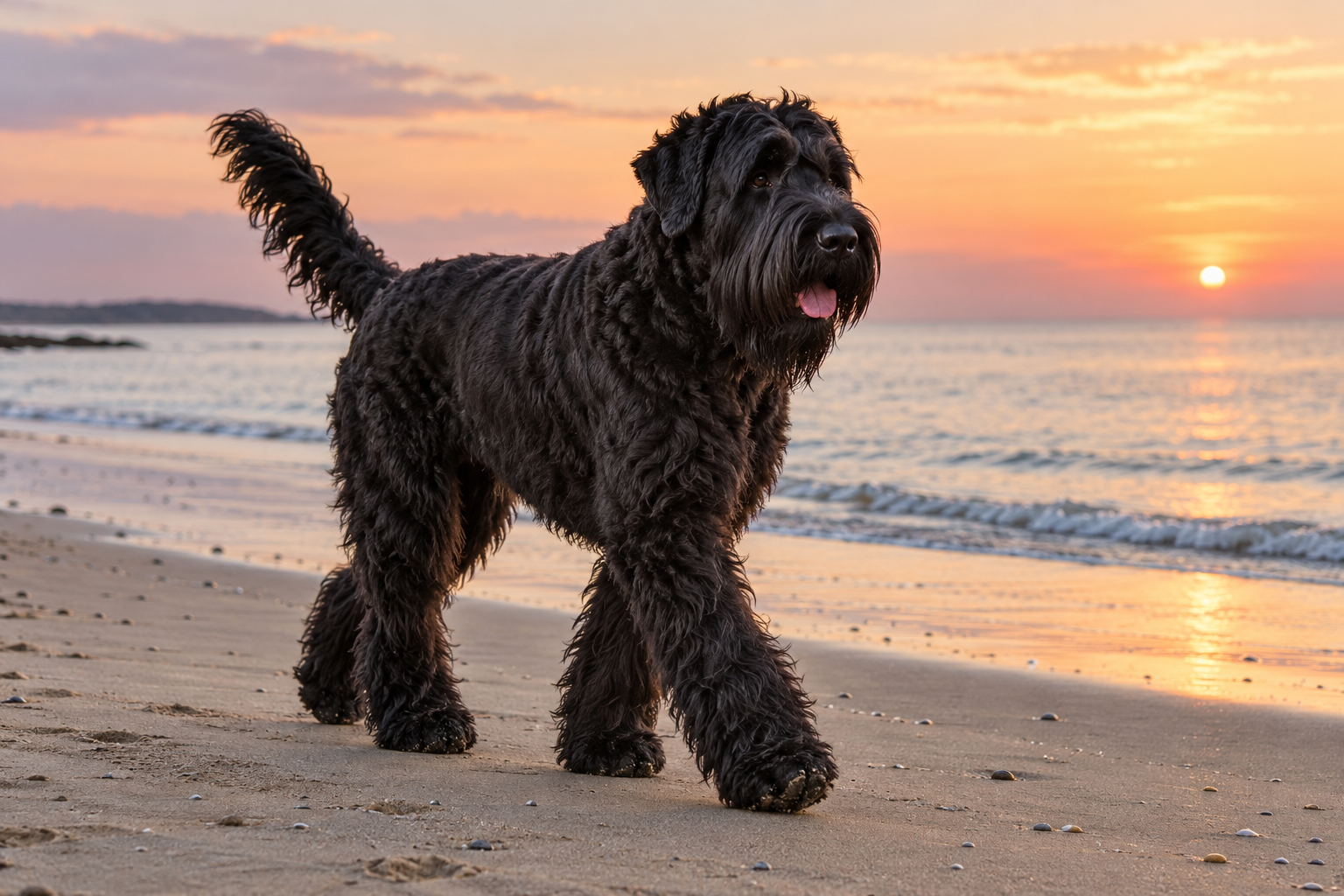
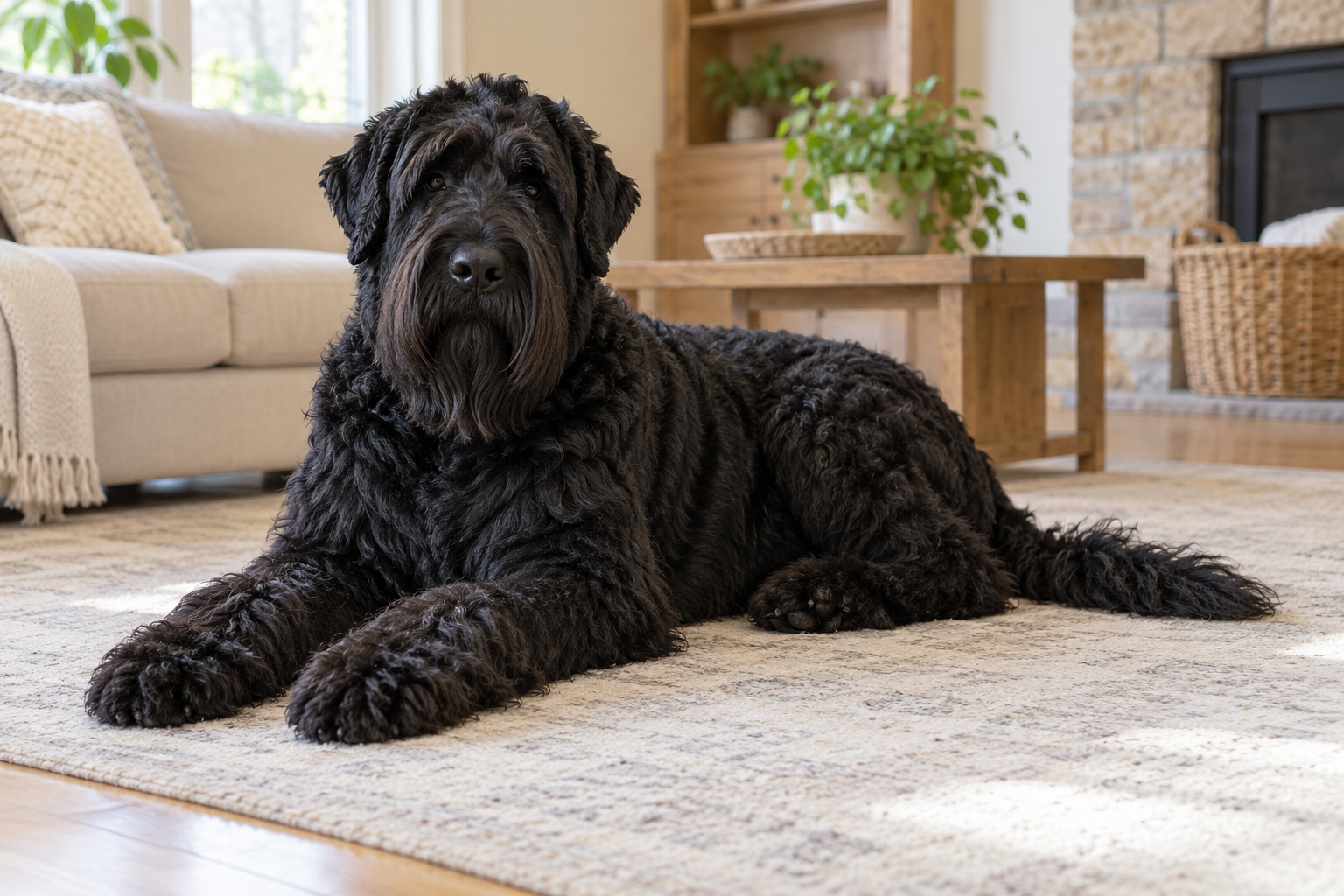
A coarse outer coat over a soft undercoat, usually trimmed to 5 to 15 cm. The only colour is black, sometimes with scattered grey hairs.
Distinctive Features
A long, powerful head with a beard, moustache and eyebrows, plus a mane that is more pronounced in males.
Gender Differences
Males are noticeably taller, heavier and more imposing, and mature later than females.
Temperament of the Black Russian Terrier: Calm, Confident and Protective
Core Personality Traits
Dogs NSW describes the breed as calm, confident, highly intelligent and instinctively protective, loyal and fearless.
Social Behaviour
Black Russian Terriers are naturally aloof with strangers and will guard home and family. Good socialisation keeps that wariness controlled.
Working Instincts
Bred as a guard and patrol dog, it watches its territory closely and responds to perceived threats.
Common Behavioural Challenges
Over-guarding, testing boundaries and boredom in an under-stimulated dog are the main issues.
Intelligence and Trainability of the Black Russian Terrier: Clever and Wilful
Intelligence and Learning Ability
The breed learns quickly and remembers well, including the habits you did not intend to teach.
Training Approach
Calm, consistent, reward-based training from day one works best. Start lead manners early, before the dog outweighs you.
Early Socialisation
Broad, ongoing socialisation is essential for a guardian breed of this size.
Potential Training Challenges
The breed is slow to mature. Dogs NSW notes males around four years and females around three and a half.
Black Russian Terrier Family Life: Children, Pets and Home
Living with Children
Usually gentle and protective with its own family's children, but its size alone calls for supervision with young children and visitors.
Living with Other Pets
Can live with other pets when raised together, though same-sex dog friction can occur.
Household Environment
A house with a large, securely fenced yard suits best. Apartments are a poor fit.
Lifestyle Compatibility
Best for experienced, home-based owners who want a devoted guardian and enjoy training.
Health of the Black Russian Terrier: Joints, DNA Tests and Bloat
Lifespan and Healthy Living
Dogs NSW gives 12 to 14 years, but a 2024 UK study of dog longevity found a life expectancy of 10.9 years. Owners should plan for the lower figure.
Common Health Conditions
Owners should be aware of the following. It is best to discuss any concerns with a veterinarian.
- Hip and elbow dysplasia. Common in large, fast-growing breeds.
- Hyperuricosuria (HUU). A urinary condition that can cause bladder stones.
- Juvenile laryngeal paralysis and polyneuropathy (JLPP). A serious inherited nerve disorder in young dogs.
- Progressive retinal atrophy. An inherited eye disease.
- Bloat. Gastric dilatation volvulus is an emergency in deep-chested dogs.
Genetic Health Testing
The Royal Kennel Club recommends hip and elbow scoring plus DNA tests for HUU, JLPP and prcd-PRA. Ask to see all results for both parents.
Preventative Health Care
Feed two meals a day, avoid exercise around meals, and maintain vaccinations and paralysis tick prevention.
Caring for the Black Russian Terrier: Space, Fencing and Heat
Daily Care Routine
A long walk, training time and a quick coat check, especially the beard after meals.
Living Environment Requirements
Secure, solid fencing at least 1.8 metres high and a cool indoor space are essential.
Climate Sensitivity
A 50 kg black dog with a thick coat is at real risk in Australian heat. Know safe temperatures for dogs in Australia and exercise only in the coolest hours.
Caring for Senior Black Russian Terriers
Seniors need joint support, softer bedding and shorter walks.
Grooming of the Black Russian Terrier: Brushing and Trimming
Coat Maintenance
Brush thoroughly several times a week; the Royal Kennel Club suggests daily grooming.
Trimming
The coat needs trimming every six to eight weeks, either at home or by a groomer.
Beard and Ear Care
Clean the beard after meals and check ears weekly, as both can develop hot spots and fungal infections.
Nails and Teeth
Trim nails every few weeks and brush teeth several times a week.
Exercise Needs of the Black Russian Terrier: Steady Work and Training
Daily Exercise Requirements
Sources vary: Dogs NSW suggests about 40 minutes a day, while the Royal Kennel Club lists more than two hours. Most adults need at least an hour of walking, play and training.
Activities Black Russian Terriers Enjoy
Obedience, tracking, and walks in new places all suit the breed's working mind.
Exercise by Life Stage
Keep exercise low impact while joints grow, as Dogs NSW recommends. Build up gradually after maturity.
Heat and Tick Safety
Avoid summer midday walks and check the dense coat daily for paralysis ticks.
Feeding the Black Russian Terrier: Large Breed Nutrition
Nutritional Requirements
A complete diet formulated for large breeds supports joints and steady growth.
Feeding by Life Stage
Follow a feeding schedule for large breed puppies to avoid growth that is too fast.
Portion Control and Weight Management
Keep the dog lean to protect hips and elbows. Ribs should be easy to feel.
Foods to Avoid
Avoid chocolate, grapes, sultanas, onion, garlic, macadamias, xylitol and cooked bones.
Black Russian Terrier Price in Australia: Prices on Request
Puppy Purchase Price
No verified Australian price was found on 17 October 2026. With 6 breeders and 1 litter listed, prices are on request from registered breeders.
Initial Setup Costs
RSPCA NSW estimates first-year dog costs at $1,979 to $3,001. Fencing, a giant crate and large-breed gear add more.
Ongoing Costs
| Cost | Typical figure (AUD) | Source |
|---|---|---|
| Food | Above the $600 to $1,000 per year average, given 45 to 60 kg | RSPCA NSW |
| Flea, worm and heartworm prevention | Above $200 to $500 per year, dosed by weight | RSPCA NSW |
| Annual vaccination and vet check | $140 and upwards per year | RSPCA NSW |
| Professional grooming | $40 to $200 per visit, every six to eight weeks | RSPCA NSW |
Long-Term Financial Commitment
Large breeds cost more over a lifetime, and the lifetime cost of owning a large dog adds up quickly with orthopaedic or bloat surgery.
Buying Advice for a Black Russian Terrier: Finding a Registered Breeder
Choosing a Responsible Breeder
Search for Russian Black Terrier breeders through Dogs Australia bodies, and use questions to ask a dog breeder to compare them.
Health Checks Before Purchase
See hip and elbow scores and DNA results for both parents, and meet the mother to judge temperament.
Questions to Ask the Breeder
- What are both parents' hip and elbow scores?
- Are the parents DNA tested for HUU, JLPP and prcd-PRA?
- How do the parents behave with strangers?
- How have the puppies been socialised?
- Will you take the dog back at any age?
Rules and Responsibilities
The breed is not on Australia's restricted breed list, but councils can declare any individual dog dangerous or menacing, so secure fencing and socialisation matter.
Is the Black Russian Terrier Right for You? A Guardian for Experienced Owners
Lifestyle Compatibility
Suits experienced owners with space and time. Poor for apartments or first-time owners.
Time and Care Commitment
Expect daily training, exercise and grooming for 10 to 14 years.
Grooming and Health Awareness
Budget for trims, health-tested parents and heat management.
Ideal Owner Profile
A confident, consistent owner who wants a devoted family guardian.
Find Black Russian Terrier Puppies for Sale
Litters are rare, so browse puppies for sale across Australia and consider the related breeds below.
Frequently Asked Questions
Related Breeds
Other working breeds on Pups4Sale.
 Blue HeelerMedium • Working
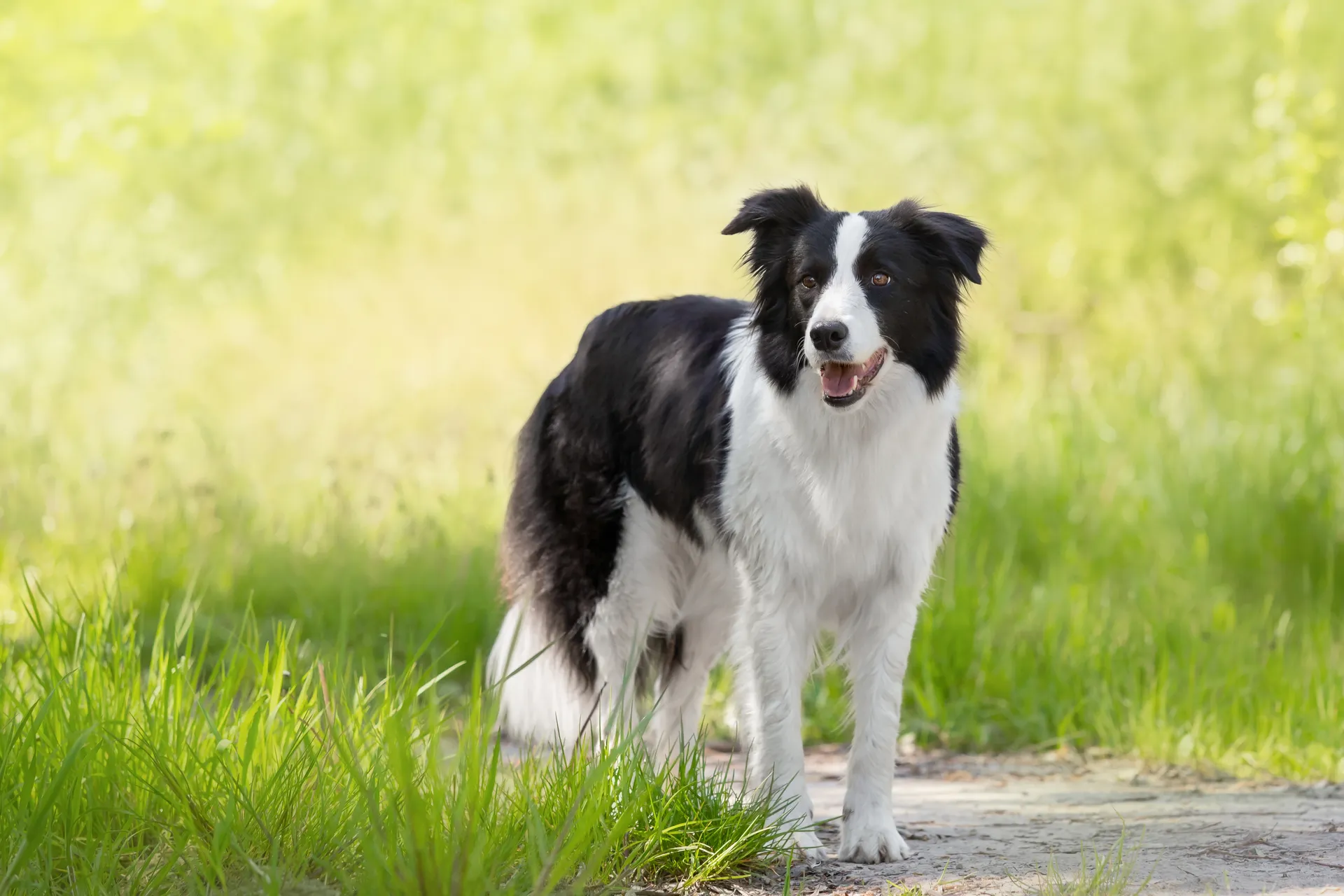 Border CollieMedium • Herding
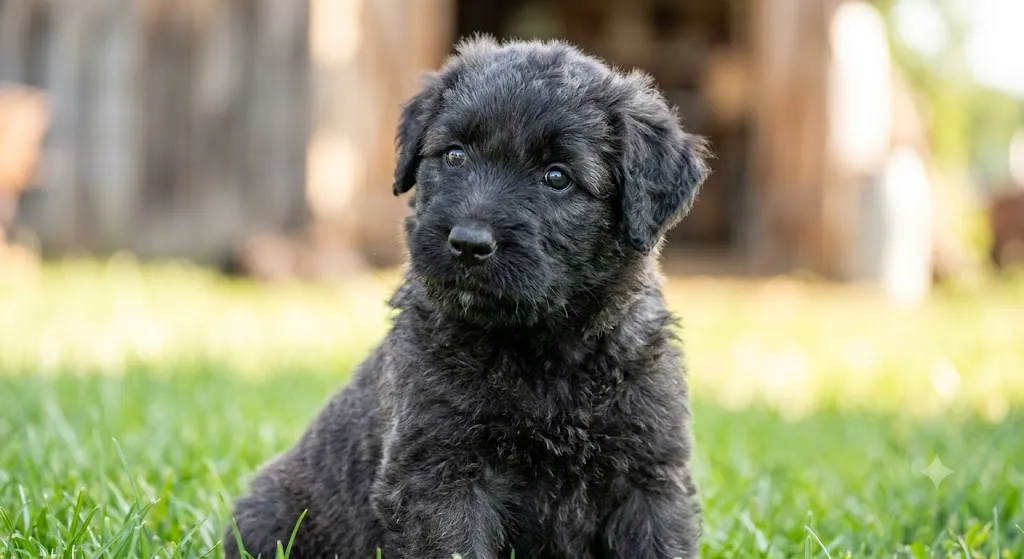 Bouvier des FlandresLarge • Working
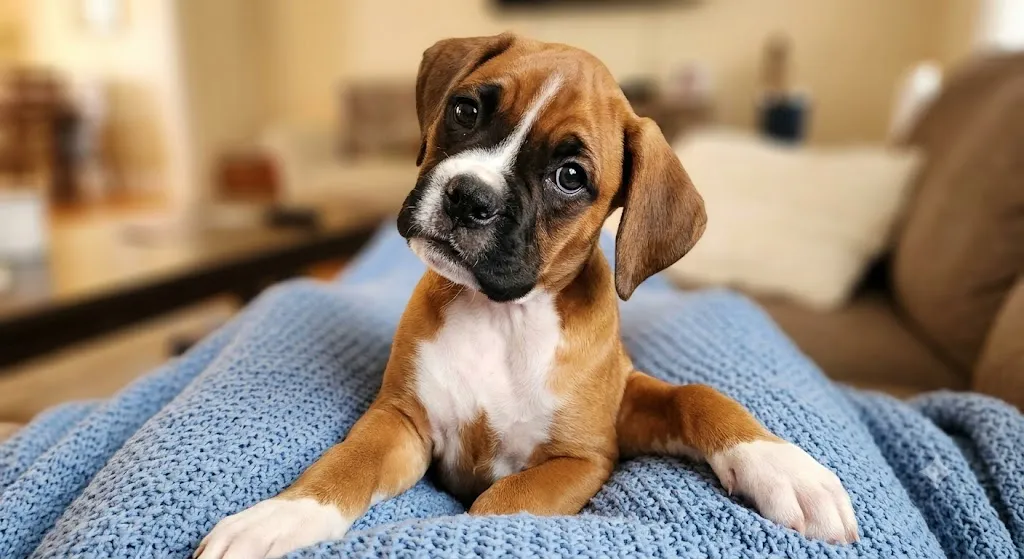 BoxerLarge • Working
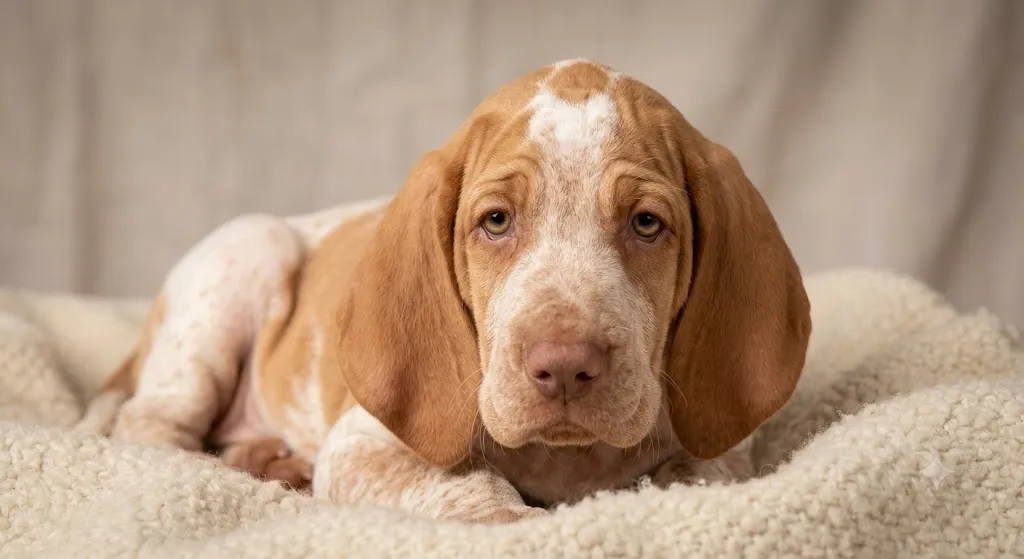 Bracco ItalianoLarge • Gundog
 Bull ArabLarge • Working